Disclosure: As an Amazon Associate, we earn from qualifying purchases. If you click a link on this page and make a purchase, we may receive a small commission at no extra cost to you.
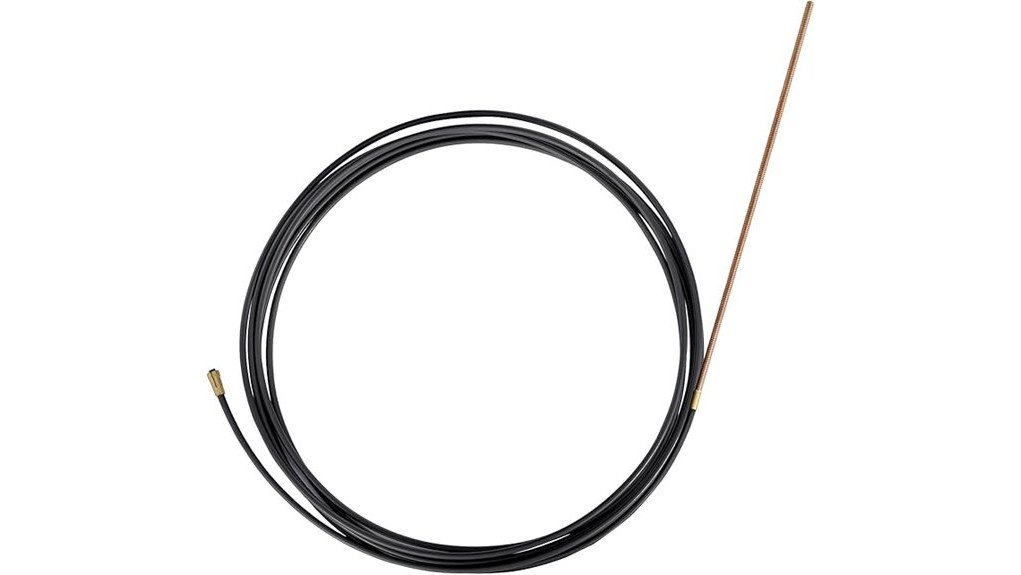
Inconsistent MIG wire feeding can turn a simple weld into a frustrating cleanup job. The ARCCAPTAIN Conduit Liner is made for welders who deal with burnbacks, jerky feed, or soft wire that drags inside a standard torch liner. Its graphene-enhanced, low-friction design is aimed at smoother wire travel, especially with aluminum and longer torch leads. This review helps you decide where it can improve your setup, where it cannot help, and what to check before you buy.
Quick Verdict
Rating: 7.8/10, Recommended with caveats
Best For: MIG welders using MB15 or 15AK torches who want smoother feeding with aluminum or other soft wire
Bottom Line: The ARCCAPTAIN Conduit Liner can reduce internal drag and make wire feed feel more stable. It still depends on correct trimming, clean contact tips, proper drive roll tension, and a torch that matches its compatibility range.
Key Specifications
| Specification | Detail |
|---|---|
| Brand | ARCCAPTAIN |
| Product Type | MIG welding conduit liner |
| Design | Flexible replacement liner with low-friction inner surface |
| Diameter | 0.030 in, as stated in the source article |
| Wire Compatibility | 0.023 in to 0.045 in MIG wire range, as stated in the source article |
| Material Detail | Graphene-enhanced liner construction, as stated in the source article |
| Torch Compatibility | MB15 and 15AK MIG welding guns |
| Best Use | Aluminum wire feeding, light fabrication, automotive repair, and home shop MIG welding |
| Setup Note | Requires correct trimming, seating, drive roll tension, and clean contact tips |
| Safety Note | Let the torch assembly cool before liner maintenance or replacement |
What Is the ARCCAPTAIN Conduit Liner?
The ARCCAPTAIN Conduit Liner is a replacement liner that sits inside a MIG torch cable. Its job is simple but important: it guides welding wire from the feeder toward the contact tip with as little drag as possible.
This model is aimed at MB15 and 15AK style MIG guns. Those torch styles appear often on hobby, repair, and light fabrication machines, so fit matters before performance does. If your torch does not use one of those systems, this liner may not seat correctly.
The key feature is its graphene-enhanced, low-friction construction. That design is meant to help soft wire move more smoothly through the cable, which matters most with aluminum wire because it can bend, scrape, or hesitate more easily than steel wire.
Who Should Buy It?
Best For
- You use an MB15 or 15AK MIG torch and need a compatible replacement liner
- You weld aluminum or other softer wire and want less feed hesitation
- Your current liner feels dirty, worn, or draggy during longer torch runs
Skip If
- Your MIG gun is not an MB15 or 15AK style torch
- Your feeding issue comes from worn drive rolls, poor tension, or a damaged contact tip
- You want a plug-and-play fix without trimming or careful installation
Design and Build Quality
The liner uses a flexible conduit-style design that runs through the torch cable. Flexibility matters because MIG leads often bend around workbenches, vehicles, fixtures, and shop floors. A liner that resists drag inside those bends can help the wire feeder maintain steadier movement.
The article-supported material claim is a graphene-enhanced inner surface. In buyer terms, that means this liner is marketed around lower friction rather than brute strength alone. That can help when the torch cable is coiled or slightly bent, but it does not replace basic torch maintenance.
Build quality also depends on how cleanly you cut and seat the liner. Even a low-friction liner can feed poorly if the cut end crushes, the liner sits too long, or the wire catches near the contact tip.
Wire Feeding Performance
Wire feeding is the main reason to consider this liner. It supports the article-stated 0.023 inch to 0.045 inch wire range, which covers many light MIG welding setups. With a clean drive system, the liner can reduce the small friction points that cause wire speed changes.
- Smoother feed consistency with aluminum wire setups
- Reduced chance of wire snag inside tight cable bends
- Better control when the torch cable is coiled or extended
- More stable feeding when wire speed increases
Before You Buy: A liner alone will not fix poor MIG feeding caused by worn drive rolls, incorrect drive tension, dirty contact tips, kinked wire, or a torch that does not match the liner type.
Compatibility and Fit
This liner is designed for MB15 and 15AK MIG torch systems. Confirm your torch style before ordering because liner compatibility is not universal across MIG guns. A wrong fit can create drag, seating problems, or wire alignment issues near the contact tip.
The article lists support for 0.023 inch to 0.045 inch wire. That makes it useful for light fabrication, automotive repair, hobby aluminum welding, and general shop use. Still, your machine, drive rolls, contact tip, and wire type must match each other for the best result.
Proper trimming is part of the fit. If the liner is too long, it can bunch inside the torch. If it is too short, it can leave a gap where the wire catches before reaching the tip.
How It Performs in Real Use
For Aluminum Welding
Aluminum wire is soft and more prone to shaving, buckling, or feeding hesitation. The liner’s low-friction design can help the wire travel with less resistance, especially when your torch lead is longer or slightly bent.
For Automotive Repair
Thin sheet metal work rewards steady wire feed because sudden surges or pauses can affect bead control. This liner can help if your current setup causes inconsistent wire delivery, but you still need the right heat setting and clean metal.
For Extended Welding Sessions
Longer jobs put more demand on the feeder motor and torch cable. Lower internal drag may reduce strain during repeated welds, especially if you move around a workpiece and the lead does not stay perfectly straight.
For DIY and Home Shops
Home shop welders often keep the same torch liner until feeding problems become obvious. Replacing a worn liner with this ARCCAPTAIN option can be a practical tune-up when your MB15 or 15AK torch otherwise works well.
Placement and Installation Tips
Pro Tip: After installing the liner, run wire through the torch without gas flow and without striking an arc. Watch for smooth travel before you start welding.
- Remove old liner debris from the torch cable before installing the new liner
- Cut the liner cleanly so the wire does not catch on a crushed end
- Avoid sharp cable bends during installation and testing
- Match the contact tip to the wire diameter you plan to run
- Set drive roll tension carefully because too much pressure can deform soft wire
- Check liner wear again if feeding becomes inconsistent after several projects
Installation Safety and Materials
The liner does not normally touch your skin during welding because it sits inside the torch cable. The safety concern comes during maintenance. Torch parts can stay hot after welding, so let the assembly cool before you remove the contact tip, nozzle, or liner.
Wear gloves when handling cut liner ends and follow your welder and torch manual. If the torch cable is damaged, melted, kinked, or badly worn, replacing only the liner may not be enough to restore safe operation.
Pros and Cons
Pros
- Low-friction design targets smoother feeding with aluminum and soft wire
- Supports the article-stated 0.023 inch to 0.045 inch MIG wire range
- Compatible with common MB15 and 15AK torch systems
- Can improve consistency in long or slightly bent torch cable runs
- Useful maintenance upgrade for older torches with worn liners
Cons
- Limited to specific MIG torch types, so fit must be checked first
- Requires accurate trimming and seating for best feeding performance
- Will not solve problems caused by worn drive rolls, bad tension, or dirty tips
Is It Worth the Price?
This liner fits the budget-to-mid upgrade category for MIG accessories. It makes the most sense when you already have a compatible torch and your main complaint is draggy or inconsistent wire feed.
You get the most value if you weld aluminum, use soft wire, or keep a longer torch lead around benches, vehicles, or repair work. In those cases, reducing friction inside the liner can make setup feel more predictable.
It is not the best fit if your current MIG system already feeds wire smoothly. It also should not be your first fix if your drive rolls, spool tension, wire quality, or contact tips need attention.
How It Compares to Alternatives
Standard steel liners are often cheaper and work well for many steel-wire jobs, but they can create more drag with soft aluminum wire. PTFE-style liners can be very smooth for aluminum, though they may require more careful handling and replacement depending on use.
The ARCCAPTAIN Conduit Liner sits between those options as a low-friction upgrade for compatible MB15 and 15AK torches. Choose it when you want smoother feeding without changing the whole torch assembly.
Frequently Asked Questions
Will this liner fix wire feeding issues?
It can improve smoothness when friction inside the liner is part of the problem. It will not fix poor feeding caused by incorrect drive roll tension, dirty contact tips, damaged wire, or the wrong torch setup.
Is the ARCCAPTAIN Conduit Liner good for aluminum welding?
Yes, it is a strong fit for aluminum setups when your torch is compatible. Aluminum wire is soft, so the low-friction liner design can help reduce hesitation and drag.
What MIG torches does it fit?
The article states compatibility with MB15 and 15AK MIG welding guns. Check your torch model before ordering because MIG liners are not universal.
What wire sizes does it support?
The source article lists a 0.023 inch to 0.045 inch wire range. Always match your wire diameter with the correct drive roll and contact tip.
Do I need professional installation?
Many users can install a MIG liner with careful trimming and basic torch maintenance. Follow your torch manual, avoid crushed cut ends, and test wire travel before welding.
When should I replace a MIG liner?
Consider replacement when wire feed becomes jerky, the wire snags, or cleaning the tip and adjusting tension do not help. A worn or dirty liner can add drag inside the torch cable.
Who should skip this liner?
Skip it if your torch is not MB15 or 15AK compatible. You should also troubleshoot drive rolls, spool tension, wire quality, and contact tips before expecting any liner to solve every feeding problem.
The Bottom Line
The ARCCAPTAIN Conduit Liner is worth considering if you use a compatible MB15 or 15AK torch and want smoother wire feeding, especially with aluminum. Its main strength is reduced internal friction, while its main limitation is that it needs correct installation and a properly tuned MIG setup. Skip it if your torch style does not match or your feed problem comes from worn drive components instead of liner drag.