Disclosure: As an Amazon Associate, we earn from qualifying purchases. If you click a link on this page and make a purchase, we may receive a small commission at no extra cost to you.
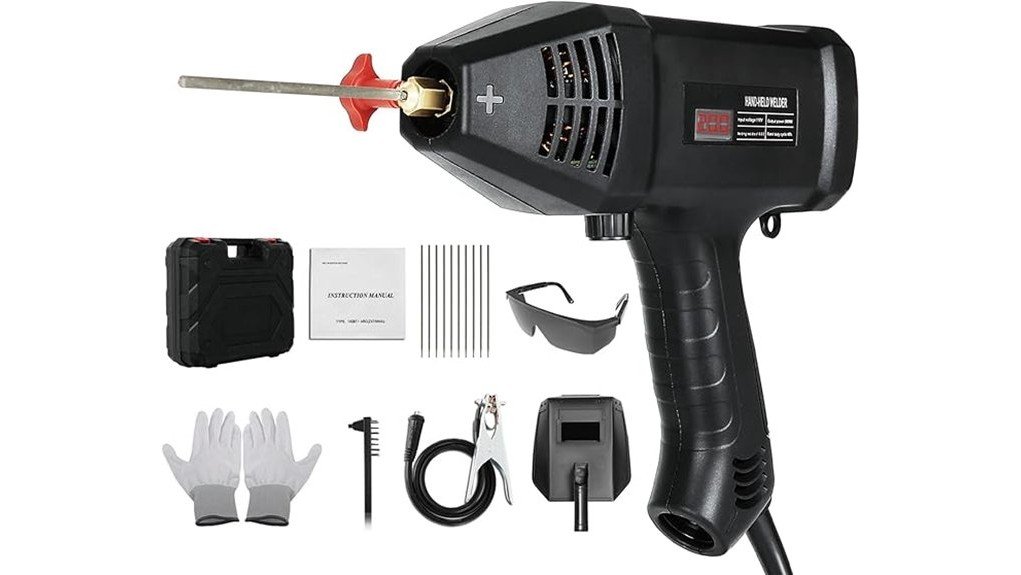
Small welding jobs can be frustrating when a full-size machine is too heavy, too bulky, or too much tool for a quick repair. The Portable Electric Welding Machine is aimed at those lighter jobs, with a 20 to 200 amp adjustable range, IGBT inverter technology, and a very light 2.9-pound body. This review looks at where that compact setup helps, where it falls short, and what you should confirm before using it for real repair work.
Quick Verdict
Rating: Recommended with caveats
Best For: DIY users, quick home repairs, light fabrication, and mobile backup use
Bottom Line: The biggest advantage is portability, since the 2.9-pound body is easy to move and store. The tradeoff is that this is not the right choice for thick structural steel, long weld cycles, or industrial workloads.
| Specification | Detail |
|---|---|
| Product Type | Portable electric arc welding machine |
| Technology | IGBT inverter technology |
| Output Range | 20 to 200 amps, adjustable |
| Weight | 2.9 lbs |
| Rod Compatibility | 1/16″ to 1/8″ welding rods |
| Design | Compact body with one-handed use design |
| Best Use | Small repairs, light fabrication, auto repair tasks, and portable backup use |
| Safety Note | Use proper welding protection, work in a safe area, and follow the product manual before operating. |
What Is the Portable Electric Welding Machine?
The Portable Electric Welding Machine is a compact inverter-based arc welder made for light repair work. The source article identifies it by the generic product name rather than a separate brand or model, so this review avoids adding unsupported brand details.
Its main selling point is the mix of adjustable output and low weight. The 20 to 200 amp range gives you room to tune the arc for different small jobs, while the 2.9-pound body makes it easy to carry between a garage, shed, vehicle, or repair area.
This type of welder makes the most sense when you need convenience more than high-duty industrial output. It can help with brackets, small steel pieces, sheet metal work, and quick repair projects, but it should not replace a heavier machine for structural fabrication.
Key Features and Performance
IGBT Inverter Arc Stability
The built-in IGBT inverter is designed to regulate current and help keep the arc steadier during short welding runs. That matters when you are working on small repairs, because an unstable arc can make it harder to control bead shape and heat input.
This feature does not turn a compact welder into an industrial machine. It simply gives you a more controlled experience than older basic transformer-style units in many light-duty situations.
20 to 200 Amp Adjustable Output
The adjustable output range lets you start low for thinner material and increase amperage when the weld needs more heat. That flexibility is useful for DIY work because one repair may involve sheet metal while the next may involve a thicker bracket.
You should still match the amperage to the rod, metal thickness, and manual guidance. Running too hot on thin material can burn through the workpiece, while running too cold can leave a weak weld.
Ultra-Light 2.9 lb Design
At 2.9 pounds, this machine is much easier to move than a full-size shop welder. That helps when you need to work around a vehicle, carry the unit to a different building, or store it on a shelf between occasional jobs.
The low weight also helps in tight spaces. You can position the machine closer to the work area without fighting a large cabinet or heavy transformer body.
Rod Compatibility
The article-supported rod range is 1/16″ to 1/8″, which fits small repair work and general light welding tasks. This range is practical for a compact machine because smaller rods need less current and are easier to manage on lighter material.
Do not assume it can run larger industrial electrodes well. If your work depends on bigger rods, thick steel, or long passes, confirm those needs against the product manual before buying.
Before You Buy: The article does not provide a duty cycle, input voltage, included accessories, or certification details. Confirm those details on the product page or manual before using it for critical repairs.
Who Should Buy It?
Best For
- DIY users handling small steel repairs at home
- Auto repair users working on light brackets, patches, or small fixes
- Mobile users who want a very lightweight backup welder
Skip If
- You need continuous-duty welding for long fabrication sessions
- You mainly weld thick structural steel or load-bearing parts
- You need verified details on duty cycle, input voltage, and included accessories before purchase
Pros and Cons
Pros
- Extremely light 2.9-pound body is easy to carry and store
- 20 to 200 amp adjustment gives you more control across small jobs
- IGBT inverter technology helps support a steadier arc
- Supports common small rods from 1/16″ to 1/8″
- Compact design works well for quick repairs and backup use
Cons
- Not designed for heavy industrial or continuous welding work
- Article does not provide a verified duty cycle or input voltage
- May require practice to control the arc at higher settings
Pro Tip: Test the machine on scrap metal first, then adjust amperage slowly until the arc feels stable and the weld bead sits cleanly on the surface.
Setup Tips Before First Use
Before your first weld, read the manual and confirm the correct rod size, polarity, input power, and safe operating area. The article does not list the input voltage, so you should not assume it matches every outlet or job site setup.
Start with clean metal whenever possible. Paint, rust, oil, and dirt can make a small welder feel harder to control, especially when you are learning arc distance and travel speed.
Keep your first projects simple. Short practice beads on scrap steel can help you find the right amperage before you work on a repair that matters.
Compatibility and Safety Notes
This machine is best viewed as a light-duty arc welder for small rods and modest repair work. It is not a substitute for professional equipment when the weld supports weight, affects vehicle safety, or becomes part of a critical structure.
Use proper welding gloves, eye protection, protective clothing, and ventilation. Also keep flammable materials away from the work area, because sparks and hot slag can create hazards even during small repairs.
If you are repairing a vehicle frame, trailer part, pressure vessel, or load-bearing component, get qualified guidance. A portable welder can be useful, but the weld design and operator skill matter as much as the machine.
How It Performs in Real Use
For Auto Repairs
The lightweight body can help when you need to move around a vehicle or work in a tight area. It is most appropriate for small brackets, light patch work, and non-critical repair tasks where deep penetration is not the main goal.
For Home Workshop Projects
This welder fits occasional garage use because it does not need much storage space. You can keep it available for small steel fixes, hobby projects, and basic fabrication without dedicating a permanent welding station.
For Light Fabrication
The adjustable 20 to 200 amp range gives you room to tune the output for small frames, metal art, and repair parts. For thick steel or long beads, a larger machine with a verified duty cycle is a safer choice.
For Portable Backup Use
The 2.9-pound weight makes it easy to carry as a backup tool. It can be useful when a quick repair matters more than maximum power, but you should still confirm the available power source before counting on it away from your main shop.
Is It Worth the Price?
This welding machine sits in the budget-to-mid portable category based on its compact design and light-duty feature set. It offers strong value for the price if your main needs are small repairs, easy storage, and simple transport.
You get the most value if you already understand basic welding setup and need a small machine for occasional work. The IGBT inverter, adjustable output, and rod range make it more flexible than a fixed-output beginner unit.
It is not the best fit if you need verified industrial specifications before buying. Missing details such as duty cycle, input voltage, and included accessories should be checked before you rely on it for important projects.
How It Compares to Alternatives
Compared with heavier transformer-based welders, this unit is easier to carry and store, but it is less convincing for sustained heavy work. A larger MIG welder may be easier for some beginners on sheet metal, while a higher-duty stick welder may be better for thicker steel and longer weld sessions.
The Portable Electric Welding Machine makes the most sense if portability is your top priority. Choose a larger alternative if your work demands long weld cycles, verified power requirements, or more detailed controls.
Frequently Asked Questions
Is this welding machine suitable for beginners?
Yes, it can work for beginners who want to practice small repair welds. You still need to learn rod angle, arc length, travel speed, and safe setup before using it on important parts.
What size welding rods does it support?
The article lists rod compatibility from 1/16″ to 1/8″. That range is best for light-duty repair work, not large industrial electrodes.
Can it weld thick steel?
It may handle some thicker pieces at higher settings, but the article positions it as a light-duty portable welder. For thick structural steel, choose a heavier-duty machine with verified duty cycle and power specs.
How portable is the unit?
At 2.9 pounds, it is highly portable for a welding machine. That low weight helps with storage, mobile repair work, and moving between small jobs.
What should you check before buying?
Check the product page or manual for input voltage, duty cycle, included leads, clamp details, and warranty terms. Those details are not provided in the article source, and they can affect real-world usability.
Is it safe for vehicle repairs?
It can be useful for light, non-critical vehicle repair tasks, but safety depends on the part and the weld quality. Do not use it on frames, suspension parts, or load-bearing repairs unless a qualified professional confirms the process.
Who should skip this welder?
Skip it if your work involves heavy fabrication, long continuous welding, or thick structural steel. You should also compare other machines if you need verified duty cycle and power details before purchase.
The Bottom Line
The Portable Electric Welding Machine is a practical choice for light-duty users who want a compact welder for small repairs, hobby projects, and portable backup use. Its strongest advantage is the 2.9-pound body with adjustable 20 to 200 amp output, while its biggest limitation is the lack of verified heavy-duty specifications in the source article.
Buy it if portability and simple setup matter most. Skip it if your projects involve structural steel, long weld cycles, or safety-critical repairs that require a more capable machine.