Disclosure: As an Amazon Associate, we earn from qualifying purchases. If you click a link on this page and make a purchase, we may receive a small commission at no extra cost to you.
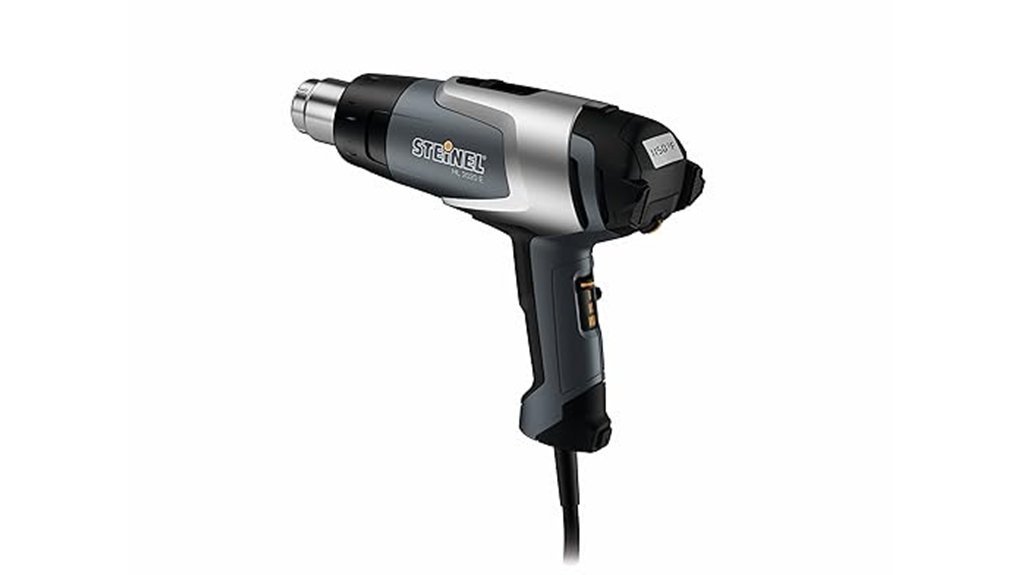
Choosing a heat gun is not just about getting the hottest tool. You need enough power for paint stripping, plastic work, tinting, and heat-forming, but you also need control so you do not scorch film, soften trim, or overheat the work surface. The Steinel HL 2020 E Heat Gun gives you a 1600-watt motor, a wide 120 to 1150 °F temperature range, adjustable airflow, and safety features such as double insulation and a thermal cut-out. This review helps you decide whether its precision controls and support stand are worth it for your shop, garage, or DIY projects.
Quick Verdict
Rating: 8.2/10
Best For: DIY users, installers, and shop owners who want precise heat control instead of a basic two-setting heat gun.
Bottom Line: The Steinel HL 2020 E is a strong choice if you need a controlled 1600-watt heat gun with a broad temperature range and hands-free support. It is not the best fit if you only need a cheap tool for rare, light-duty heat jobs.
| Specification | Detail |
|---|---|
| Brand | Steinel |
| Model | HL 2020 E |
| Product Type | Electric heat gun |
| Power | 1600 watts |
| Temperature Range | 120 to 1150 °F |
| Temperature Adjustment | 10 °F increments |
| Airflow Settings | 3 settings: 4 cfm, 4 to 8 cfm, and 6 to 13 cfm |
| Weight | 3.3 pounds |
| Power Cord | 10 feet |
| Design | Ergonomic body with integrated hands-free support stand |
| Safety Features | Double insulation, thermal cut-out, and residual heat indicator |
| Best Use | Paint stripping, welding tarpaulins, window tinting, heat-forming, and controlled shop or DIY heat work |
What Is the Steinel HL 2020 E Heat Gun?
The Steinel HL 2020 E is an electric heat gun built for jobs that need more control than a basic high-low heat tool. Its main strength is the combination of a 1600-watt output, a 120 to 1150 °F heat range, and temperature adjustment in 10 °F increments.
That control matters when you work with materials that react quickly to heat. Window film, plastic trim, adhesives, tarps, and paint layers can all be damaged if you hold too much heat in one place. The adjustable airflow settings also help you choose between a narrow, gentler heat flow and stronger output for broader work areas.
The integrated support stand gives the tool a hands-free option, which is useful when you need both hands to guide material. The 10-foot cord also gives you more reach around a bench, garage bay, or work area without placing the outlet right beside the project.
Who Should Buy It?
Best For
- DIY users who need controlled heat for paint removal, shrink tubing, adhesives, or plastic work.
- Window tinting or film users who need lower heat settings and careful airflow control.
- Garage, workshop, and trade users who benefit from a support stand and a 10-foot cord.
Skip If
- You only need a heat gun once or twice a year for simple shrink wrap or light craft use.
- You want a cordless heat gun for work far from outlets.
- You need verified accessory, nozzle, or case details before buying and the listing does not clearly show them.
Before You Buy: Confirm the current Amazon listing details before ordering. Heat gun bundles can vary by seller, and this review only uses specs already supported by the source article, including power, temperature range, airflow, cord length, weight, and safety features.
Key Features of the Steinel HL 2020 E Heat Gun
1600-Watt Heating Power
The 1600-watt output gives the HL 2020 E enough power for demanding heat work such as paint stripping, tarp welding, adhesive softening, and film installation. For buyers, this means the tool is better suited to repeat use than a very basic heat gun with limited output.
Power alone does not make a heat gun easier to use, though. The key advantage here is that the 1600-watt output is paired with adjustable temperature and airflow, so you can reduce heat for delicate work instead of always blasting the surface.
Wide 120 to 1150 °F Temperature Range
The temperature range runs from 120 to 1150 °F, which gives you room to handle both low-heat and high-heat tasks. Lower settings are useful when you want gradual warming, while higher settings help with tougher coatings, thick materials, or stubborn adhesives.
The 10 °F increment control is especially helpful when you are working near surfaces that can burn, bubble, melt, or warp. Instead of jumping between broad heat settings, you can make smaller adjustments and watch how the material reacts.
Three Airflow Settings
The Steinel HL 2020 E lists three airflow ranges: 4 cfm, 4 to 8 cfm, and 6 to 13 cfm. This gives you more control over how much heated air reaches the surface.
Lower airflow can help when you need careful heat placement, such as around window film edges or small parts. Higher airflow makes more sense when you are warming a larger panel, loosening paint, or heating a broader material area.
Ergonomic Body and Support Stand
The ergonomic design is meant to reduce hand fatigue during longer jobs. That matters because heat gun work often requires slow movement, steady distance, and careful angle control.
The integrated hands-free support stand adds another practical benefit. You can set the tool down in a stable position and move the workpiece through the heated air, which is useful for bending, shrinking, or softening smaller items.
Safety Features
The source article lists double insulation, a thermal cut-out, and a residual heat indicator. These features are useful because heat guns can stay hot after you stop actively heating a surface.
Double insulation adds an extra layer of electrical protection, while the thermal cut-out is designed to help protect the tool from overheating. The residual heat indicator helps remind you that the nozzle or heating area may still be hot after use.
Pro Tip: Start with a lower temperature and lower airflow, then increase slowly. This is safer for window film, plastic trim, painted surfaces, and adhesives because you can stop before the material bubbles, scorches, or warps.
Performance and User Experience
In everyday use, the Steinel HL 2020 E is best understood as a precision-focused corded heat gun. The 1600-watt motor gives it enough strength for shop jobs, while the adjustable temperature and airflow settings help you avoid overheating delicate surfaces.
The 3.3-pound weight keeps it manageable for handheld work, though any heat gun can feel tiring during long sessions if you hold it above shoulder height or keep your wrist at an awkward angle. The support stand helps when the job allows hands-free operation.
The 10-foot cord is a practical advantage in a garage or workspace. It gives you more reach around a vehicle, bench, or project area, but it is still a corded tool, so you will need outlet access or a properly rated extension setup.
Applications and Versatility
The Steinel HL 2020 E can handle a wide range of heat tasks because it combines high heat, lower heat, and airflow control. It is useful for welding tarpaulins, window tinting, paint stripping, adhesive softening, and heat-forming suitable materials.
For window tinting, the lower temperature settings and careful airflow control matter more than maximum heat. Too much heat can distort film, damage edges, or create uneven results, so the ability to make small adjustments is a real benefit.
For paint stripping, the high end of the 1150 °F range gives you enough heat for stubborn layers. You still need to work carefully, keep the tool moving, and follow safety guidance for the surface, paint type, and workspace ventilation.
How It Performs in Real Use
For Paint Stripping
The 1600-watt motor and 1150 °F upper range make the HL 2020 E suitable for paint stripping when used with the right technique. You can soften paint gradually, then scrape it away instead of relying only on sanding or chemical removers.
For Window Tinting
The 120 °F low end and 10 °F adjustment steps help when you need careful heat around film. You should still use light passes and avoid holding the nozzle in one place, since film and nearby trim can react quickly to heat.
For Tarp Welding and Plastic Work
For welding tarpaulins or shaping suitable plastics, adjustable airflow can help you control the heat pattern. The support stand also helps when you need both hands to guide or align the material.
For Garage and Shop Tasks
The 10-foot cord and hands-free stand make this heat gun useful around a workbench or vehicle. It works well for tasks such as loosening decals, warming adhesives, bending small plastic pieces, and applying controlled heat to parts.
Setup Tips Before First Use
Read the product label and instructions before using the heat gun for the first time. Set the tool on a stable, heat-safe surface, keep flammable materials away from the work area, and make sure the cord is not crossing the hot air path.
Test the heat setting on a scrap piece or hidden area before working on the visible surface. This is especially important for painted panels, vinyl, window film, plastic trim, and coated materials.
Keep the nozzle moving during most jobs. Holding high heat in one spot can burn paint, wrinkle film, melt plastic, or damage nearby surfaces before you notice the problem.
Safety Notes Before You Use It
A heat gun that reaches 1150 °F can cause burns, start fires, or damage materials if used carelessly. Use it in a clear work area, keep it away from flammable liquids and dust, and let the tool cool before storage.
The residual heat indicator is helpful, but you should still treat the nozzle and front housing as hot after use. Place the heat gun on its support stand or another safe resting position, not on fabric, paper, cardboard, or plastic.
For automotive, electrical, or coated surfaces, use extra caution. Heat can damage wiring, seals, trim, tint, adhesives, and paint if the wrong temperature or airflow is used.
Pros and Cons
Pros
- 1600-watt output gives it enough power for demanding heat tasks.
- 120 to 1150 °F range supports both low-heat and high-heat work.
- 10 °F temperature increments give you more control than basic two-setting models.
- Three airflow settings help match the heat pattern to the material.
- Integrated support stand is useful for hands-free heating and cooling.
Cons
- More tool than you may need for rare, simple heat jobs.
- Corded design requires outlet access.
- Accessory, case, and bundle details should be checked on the current listing before buying.
Is It Worth the Price?
The Steinel HL 2020 E makes the most sense as a mid-range to premium heat gun for buyers who value control. You are paying for more than heat output, since the wide temperature range, 10 °F adjustments, airflow settings, safety features, and support stand all improve usability.
It is worth considering if you often work on paint, film, tarps, adhesives, or shop materials where too much heat can ruin the result. It is not the best fit if you only need a basic heat gun for occasional light use.
The best value comes from using its control features, not just its top temperature. If you plan to leave it on one high setting for every job, a simpler model may be enough.
How It Compares to Alternatives
Compared with basic Wagner-style DIY heat guns, the Steinel HL 2020 E is better for buyers who want finer temperature control and a more workshop-focused design. Compared with heavy-duty DeWalt or Milwaukee options, the Steinel makes sense if your priority is corded precision, steady airflow, and careful temperature adjustment.
If you want cordless convenience, a battery-powered heat gun may fit better. If you want a controlled corded tool for tinting, paint stripping, tarp welding, and bench work, the HL 2020 E is the stronger match.
Frequently Asked Questions
How much does the Steinel HL 2020 E Heat Gun weigh?
The article-supported weight is 3.3 pounds. That is manageable for handheld use, but longer jobs may still feel tiring if you hold the tool overhead or at an awkward angle.
What is the temperature range?
The Steinel HL 2020 E has a listed temperature range of 120 to 1150 °F. The 10 °F adjustment steps help when you need to fine-tune heat for film, plastic, adhesives, or painted surfaces.
Can you use it for window tinting?
Yes, the lower temperature range and adjustable airflow can help with window tinting. Use careful passes, keep the tool moving, and avoid overheating the film or surrounding trim.
Can you use this heat gun for paint stripping?
Yes, the 1600-watt power and 1150 °F upper range make it suitable for paint stripping. Test a small area first and follow safe ventilation and surface-prep practices.
What airflow settings does it have?
The article lists three airflow settings: 4 cfm, 4 to 8 cfm, and 6 to 13 cfm. Lower airflow helps with careful work, while higher airflow is better for larger surfaces.
Is it safe for indoor and outdoor use?
It can be used indoors or outdoors when the work area is suitable, but heat gun safety depends on ventilation, surface type, nearby flammable materials, and cord placement. Always follow the product instructions and avoid using it near fuel, solvents, dust, or loose paper.
How long is the power cord?
The power cord is listed at 10 feet. That gives you better reach around a bench, vehicle, or garage workspace than many short-cord tools.
Does the Steinel HL 2020 E come with a warranty?
The source article mentions warranty coverage in general terms, but it does not provide a specific warranty length. Check the current Amazon listing and manufacturer terms before you buy.
The Bottom Line
The Steinel HL 2020 E Heat Gun is recommended with caveats for buyers who want controlled heat, a wide 120 to 1150 °F range, three airflow settings, and a hands-free support stand. It is a strong fit for paint stripping, tinting, tarp welding, and shop use, but you should skip it if you only need a basic heat gun for rare light-duty tasks or if you need cordless operation.