Disclosure: As an Amazon Associate, we earn from qualifying purchases. If you click a link on this page and make a purchase, we may receive a small commission at no extra cost to you.
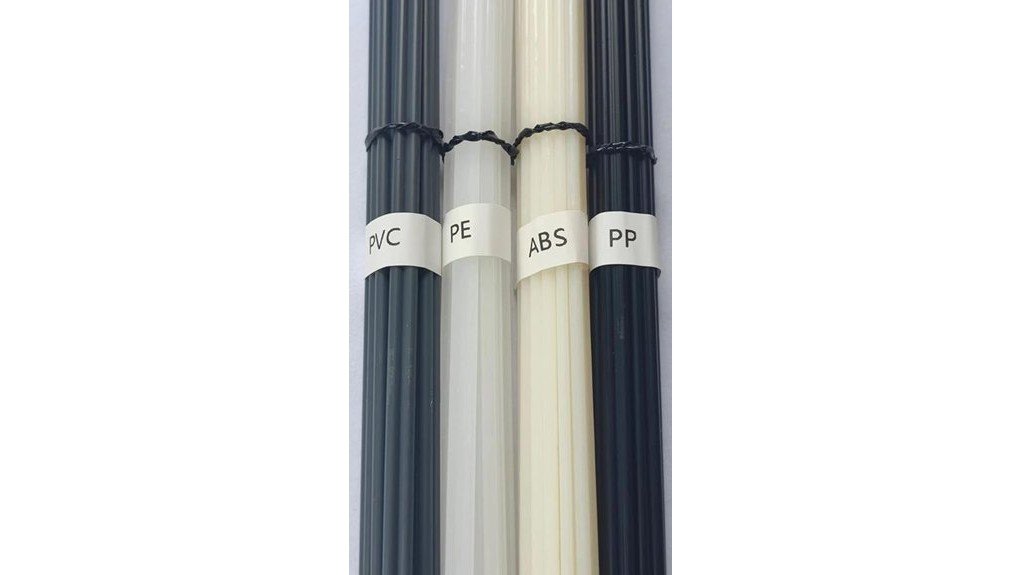
Plastic repairs can get frustrating when the rod material does not match the part you are trying to fix. The SUYWT Plastic Welding Rods set gives you four common plastic types in one pack: ABS, PP, PVC, and PE. That mix makes the set useful for small repair jobs where you need options instead of one single rod type.
This review looks at what the 40-piece set includes, where each rod type makes sense, and what you should check before using it with a plastic welding torch or hot air gun. The main strength is variety. The main limitation is that you still need to identify the base plastic correctly before welding.
Quick Verdict
Rating: 8/10, Recommended with caveats
Best For: DIY users who need a mixed plastic welding rod set for ABS, PP, PVC, and PE repair jobs.
Bottom Line: The SUYWT Plastic Welding Rods are worth considering if you want several common plastic rod materials in one compact kit. They are not a shortcut for poor material matching, surface prep, or unsafe ventilation.
| Specification | Detail |
|---|---|
| Brand | SUYWT |
| Product type | Plastic welding rods |
| Rod materials | ABS, PP, PVC, and PE |
| Total quantity | 40 rods total |
| Material split | 10 rods each of ABS, PP, PVC, and PE |
| Rod length | 9.8 inches each, according to the source article |
| Compatible tools | Plastic welding torch or hot air gun |
| Common use cases | Automotive plastic parts, water tanks, dustbins, chemical barrels, pipelines, sink pipes, and flumes, depending on plastic type |
| Return note | The source article references a 30-Day Voluntary Return Guarantee. Confirm current return terms on Amazon before purchase. |
| Safety note | Use ventilation, wear proper protection, and match the rod material to the plastic being repaired. |
What Are the SUYWT Plastic Welding Rods?
The SUYWT Plastic Welding Rods are a mixed repair set for thermoplastic welding. Instead of giving you one plastic type, the pack includes four rod materials: ABS, PP, PVC, and PE. That matters because plastic welding works best when the filler rod matches the base material.
The set includes 40 rods total, with 10 rods of each material type. Each rod measures 9.8 inches, according to the source article. You can use the rods with a compatible plastic welding torch or hot air gun when repairing suitable plastic surfaces.
This is a practical kit for small repair jobs, test pieces, and general home or shop use. It is not ideal if you already know you only need one material in bulk. In that case, a dedicated ABS, PP, PVC, or PE rod pack may offer better value.
Before You Buy: Do not choose a rod by color or guesswork alone. Match ABS to ABS, PP to PP, PVC to PVC, and PE to PE whenever possible, because mismatched plastics can lead to weak repairs.
Who Should Buy It?
Best For
- DIY repair users who work with several common plastic types.
- Garage, shop, and home users who already own a plastic welding torch or hot air gun.
- Buyers who want ABS, PP, PVC, and PE rods in one small kit for occasional repairs.
Skip If
- You need a large quantity of one specific plastic rod type.
- You cannot identify the plastic material you are repairing.
- You need verified food-contact, medical, pressure-rated, or structural repair approval.
Materials and Build Quality
The biggest reason to consider this set is the four-material mix. ABS, PP, PVC, and PE show up in many repair situations, but they are not interchangeable. The right rod helps the repair bond better, while the wrong rod can peel, crack, or fail under stress.
ABS rods are often useful for rigid plastic repairs where the base part is ABS. PP rods fit polypropylene parts, which can appear in automotive and utility items. PVC rods are better suited to PVC-based parts, while PE rods are meant for polyethylene surfaces.
The source article describes the rods as suitable for multiple repair settings, including automotive, plumbing-style, and utility plastic applications. Treat that as a starting point, not a guarantee. Always confirm the plastic marking on the item, such as ABS, PP, PVC, or PE, before you heat the surface.
Best Uses for Each Rod Type
Each rod type in the SUYWT set has a different purpose. The article-supported examples below can help you decide which rod to try first, but your part’s material marking should guide the final choice.
| Rod Type | Article-Supported Examples | Buyer Note |
|---|---|---|
| PP | Car fenders, motorcycle inner plates, and water tanks | Best when the original part is marked PP or polypropylene. |
| PE | Dustbins, chemical barrels, and pipelines | Useful for polyethylene parts, but surface prep can affect the repair. |
| PVC | Sink pipes and flumes | Use extra care with ventilation when heating PVC materials. |
| ABS | General ABS plastic repairs | Best for parts clearly marked ABS. |
Fit and Compatibility
The rods are made for plastic welding, not glue-style repair. You need heat, controlled pressure, and a compatible filler rod. A hot air gun or plastic welding torch can work when it reaches the right temperature for the plastic and allows you to control the heat.
Compatibility depends on the plastic part more than the tool alone. Many plastic items have a molded material code on the underside, back, or inside edge. Look for markings such as ABS, PP, PVC, or PE before selecting the rod.
Do not assume that two similar-looking plastics are the same. A car part, pipe, storage bin, and tank can all look similar but use different materials. This set helps because it gives you four rod choices, but it does not remove the need for material identification.
Ease of Use
The SUYWT set is beginner-friendly in the sense that it gives you labeled material options in one pack. That can save you from buying four separate rod sets for occasional work. The 9.8-inch length also gives you manageable pieces for small repairs.
The learning curve comes from plastic welding itself. You need to clean the surface, choose the correct rod, control heat, and avoid overheating the plastic. Too little heat can leave a weak bond, while too much heat can burn, warp, or damage the repair area.
Pro Tip: Practice on a scrap piece of the same plastic before repairing the real part. This helps you test heat, rod flow, and surface behavior without risking the main item.
How to Use It Correctly
Start by cleaning the repair area so the rod can bond to the base plastic. Remove dirt, grease, loose plastic, and old failed repair material. If the surface is glossy, light abrasion can help the melted rod grip better.
Next, match the rod to the part’s plastic marking. Heat the base plastic and rod gradually, then guide the rod into the repair area with steady movement. Let the repair cool fully before sanding, trimming, filling, or stressing the part.
Follow your welding tool instructions and the product label. Use ventilation, especially around PVC and unknown plastics. Wear eye protection and heat-resistant gloves, and avoid breathing fumes from heated plastic.
How It Performs in Real Use
For Automotive Plastic Repairs
The mixed rod set makes sense for small automotive plastic repairs because vehicle parts can use different plastics. PP may be useful for some fenders or inner panels, while ABS can appear on certain rigid trim pieces. The repair will depend on correct material matching and careful heat control.
For Plumbing-Style Plastic Repairs
The source article lists PVC use for sink pipes and flumes, and PE use for pipelines. This can make the set useful for non-critical repair practice or light plastic patching. For pressure-rated, drinking-water, code-required, or safety-critical plumbing work, check manufacturer guidance or use a qualified professional.
For Utility Items and Containers
PE rods may help with items such as dustbins and chemical barrels when the base material is polyethylene. These repairs can be practical for cracks, worn spots, or small damage on compatible plastic. Do not use the set to claim a container is safe for chemicals, food, or pressure unless the manufacturer clearly confirms that use.
For Learning Plastic Welding
This set also works well as a practice kit because it gives you four different plastic types. You can learn how each material softens, flows, and cools under heat. That variety helps you build skill before you tackle a visible or higher-value repair.
Compatibility and Safety
Plastic welding creates heat, fumes, and burn risks. Work in a ventilated area, keep your face away from the heated plastic, and avoid using the rods around open flames. Wear protective gloves and eye protection whenever you use a hot air gun or welding torch.
Be careful with claims around food, medical, pressure, or chemical use. The source article mentions broad application areas, but this review could not verify current manufacturer certifications. Do not use a repaired plastic item for food-contact, medical, drinking-water, pressure-rated, or hazardous chemical service unless the product listing or manufacturer specifically approves that use.
Also avoid welding unknown plastics without caution. Some plastics release irritating or harmful fumes when heated. When you cannot identify the plastic, test only in a safe, ventilated setting or ask a repair professional.
Customer Feedback and Buyer Notes
The original article describes positive customer feedback for automotive and plumbing-style uses. Because current Amazon rating and review-count details could not be independently verified during this edit, this revised version avoids publishing a specific star rating or review total.
From a buyer’s point of view, the most useful feedback theme is versatility. A 40-piece set with four materials gives you more repair options than a single-material pack. The tradeoff is that each material only includes 10 rods, so frequent users may run through one type faster than the others.
Pros and Cons
Pros
- Includes four common rod materials: ABS, PP, PVC, and PE.
- 40-piece quantity gives you 10 rods of each material type.
- 9.8-inch rod length is practical for small repair jobs and practice pieces.
- Works with compatible plastic welding torches or hot air guns.
- Useful for automotive, utility, and plumbing-style plastic repair situations when material matching is correct.
Cons
- Only 10 rods per material, so heavy users may need a larger single-material pack.
- Requires correct plastic identification for best results.
- Not suitable for safety-critical, food-contact, medical, or pressure-rated repairs unless approved by the manufacturer.
Is It Worth the Price?
The SUYWT Plastic Welding Rods are a smart buy for everyday use if you want a mixed set instead of buying separate packs of ABS, PP, PVC, and PE rods. The value comes from variety, not bulk. That makes the kit better for occasional repairs, testing, and learning.
You get the most value if your repair jobs change from project to project. One week you may need PP for an automotive plastic part, and another week you may need PVC or PE for a utility repair. Having multiple rod types on hand can save time when you are not sure which plastic you will need next.
It is not the best fit if you already know you only need one plastic type. In that case, a larger pack of the exact material may be more practical.
How It Compares to Alternatives
Compared with single-material rod packs, the SUYWT set gives you more flexibility but less depth in each material. A dedicated ABS, PP, PVC, or PE pack may be better if you repair the same plastic type often.
Compared with larger mixed plastic welding kits, this set is simpler and easier to store. It makes the most sense if you want a compact rod assortment and already have the welding tool you plan to use.
Warranty and Return Policy
The source article references a 30-Day Voluntary Return Guarantee and notes that warranty information may be available on request. Treat those details as buying notes, not permanent guarantees. Amazon return windows and seller warranty terms can change.
Before you order, review the current Amazon listing, seller details, and return policy. This is especially important if you need the rods for a time-sensitive repair or a specific material type.
Frequently Asked Questions
What plastic types come in the SUYWT Plastic Welding Rods set?
The set includes ABS, PP, PVC, and PE rods. The source article says the pack includes 40 rods total, with 10 rods of each material type.
How do you choose the right rod for your project?
Check the plastic marking on the part first. Use ABS with ABS, PP with PP, PVC with PVC, and PE with PE whenever possible.
Can you use these rods with a regular hot air gun?
The source article says the rods are compatible with standard plastic welding torches or hot air guns. Your tool still needs enough heat control for the specific plastic you are welding.
Are these rods good for automotive plastic repairs?
They can be useful for compatible automotive plastic parts, especially when the part material matches one of the included rod types. The source article specifically mentions PP use for car fenders and motorcycle inner plates.
Can you use this set for plumbing repairs?
The source article lists PVC rods for sink pipes and flumes, and PE rods for pipelines. For pressure-rated, drinking-water, code-required, or structural plumbing repairs, confirm product approval or contact a professional.
What safety precautions should you take?
Use ventilation, eye protection, and heat-resistant gloves. Avoid breathing fumes from heated plastic, and use extra caution when heating PVC or unknown materials.
Who should skip this rod set?
Skip it if you need a large supply of only one plastic type or if you cannot identify the base plastic. Also skip it for food-contact, medical, pressure-rated, or safety-critical repairs unless the manufacturer clearly approves that use.
The Bottom Line
The SUYWT Plastic Welding Rods are a practical choice if you want a compact mixed set for ABS, PP, PVC, and PE plastic repair work. They make the most sense for DIY users who already have a compatible hot air gun or plastic welding torch and understand that material matching matters.
Skip this set if you need bulk rods of one plastic type, verified specialty certifications, or a repair solution for safety-critical use. The main strength is variety, while the main limitation is that the repair quality still depends on correct plastic identification, prep, heat control, and safe technique.