TIG Feeder Pen Review
Keeping a TIG filler rod moving at a steady pace can be difficult when your fingers tire, the rod gets short, or the joint needs careful control. The WelderElite TIG Feeder Pen, model TFP, gives you a thumb wheel and aluminum pen-style body for manually advancing filler wire. It is compact and simple, but the listing does not state an exact supported wire-size range. This review explains its verified specifications, practical uses, limitations, and the checks you should make before ordering.
Quick Verdict
Rating: 8/10, recommended with caveats
Best For: TIG welders who want a compact manual aid for steadier filler-wire feeding.
Bottom Line: The WelderElite TFP offers a lightweight aluminum body, manual thumb-wheel control, and easy toolbox storage. Its main drawback is incomplete sizing information, so you should confirm that your usual filler wire fits before you buy.
Key Specifications
| Specification | Detail |
|---|---|
| Brand | WelderElite |
| Model / Part Number | TFP |
| ASIN | B0DWN5XKLQ |
| Product Type | Manual TIG filler-wire feeding tool |
| Listed Size | 6 inches |
| Item Weight | 6.4 ounces |
| Package Dimensions | 8.74 × 2.64 × 1.65 inches |
| Material | Aluminum |
| Color | Gray |
| Power Source | Manual, no batteries required |
| Package Quantity | 1 TIG pen |
| Feed Control | Hand-operated wheel |
| Wire Compatibility | Various TIG welding wires, exact diameter range not stated |
| Best Use | Controlled manual filler feeding during TIG welding |
Review Method: We checked the current Amazon product page for the ASIN, brand, model, size, weight, material, package details, and stated features. This is an editorial listing review, not a hands-on shop test.
What Is the WelderElite TIG Feeder Pen?
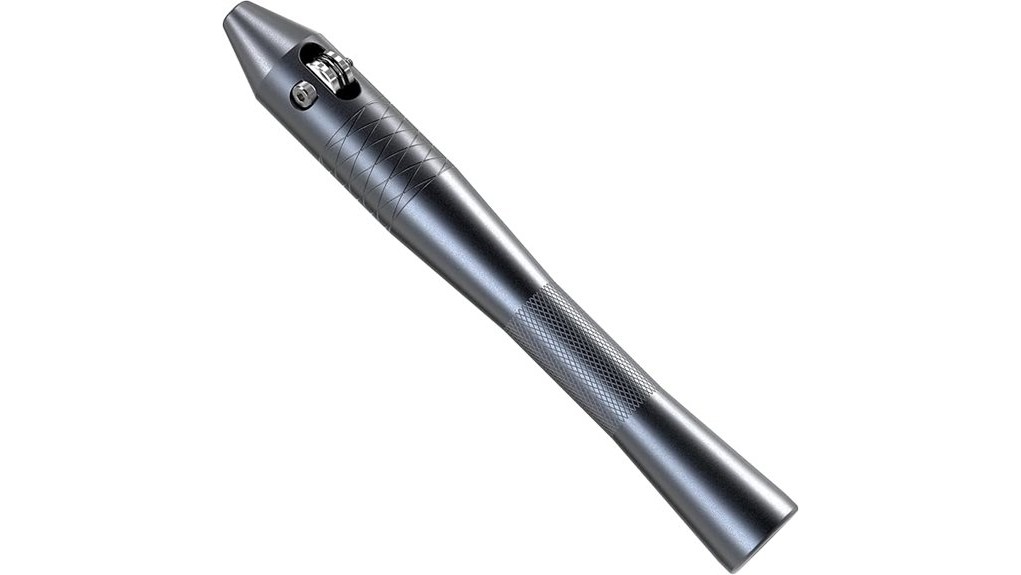
The WelderElite TFP is a manual holder and feeder for TIG filler wire. You load compatible wire through the tool and use the wheel to advance it toward the weld puddle. The pen does not connect to your TIG machine, use power, or replace the filler rod itself.
Its main purpose is to give your feeding hand a stable grip while reducing the need to walk a rod forward with your fingertips. Amazon lists a 6-inch size, 6.4-ounce weight, aluminum construction, and one TIG pen in the package. That makes it a compact accessory rather than a powered cold-wire system.
Who Should Buy It?
Best For
- Hobby and shop TIG welders who struggle to feed a rod smoothly by hand.
- Welders practicing consistent filler timing on coupons, tubing, or small fabrication.
- Buyers who want a manual tool that needs no batteries, cables, or machine connection.
Skip If
- You already have reliable finger-feeding technique and do not want another tool in your lead hand.
- You need a powered cold-wire feeder for production welding.
- You cannot confirm that your preferred filler-wire diameter fits the pen.
Before You Buy: The listing says the pen works with various TIG wires, but it does not give an exact diameter range. Check the current listing, seller information, or packaging before ordering, especially if you use unusually thin or thick filler wire.
Design and Build Quality
The TFP uses an aluminum body in a gray finish. Aluminum is a practical choice for a handheld welding accessory because it keeps the tool relatively light while giving it a rigid housing. The listed 6.4-ounce weight is light enough for a welding bag, though it may feel heavier than feeding a bare rod with your fingers.
The 6-inch listed size keeps the tool compact in the hand. Amazon gives package dimensions of 8.74 × 2.64 × 1.65 inches, which describe the packaged item rather than the working body. The package contains one TIG pen, so do not expect spare wheels, extra guides, filler wire, or a storage case unless the current listing specifically adds them.
Wheel Feeding and Control
The thumb wheel is the product’s key feature. It lets you advance filler wire with a rolling motion instead of repeatedly pinching and walking the rod through your fingers. That can make short, measured feed movements easier to repeat while your torch hand controls arc length and travel speed.
A feeder pen does not make filler timing automatic. Your thumb still controls every advance, and you must coordinate the wire with the puddle. The tool may help reduce slips or awkward finger movement, but it can also feel unfamiliar at first. Practice on scrap before using it on a visible or load-bearing joint.
Compatibility and Wire Size
The listing describes compatibility with various TIG welding wires but does not publish a diameter range. That missing detail matters because common TIG filler sizes differ, and a feed path that is too loose may not grip the wire well while one that is too tight may bind.
The feeder pen is independent of your TIG power source. Machine brand, torch type, and amperage range are not direct connection issues because the tool is fully manual. The important match is between the pen’s wire path and the filler wire you use for stainless steel, mild steel, aluminum, or another TIG application.
Portability and Storage
At a listed 6 inches and 6.4 ounces, the pen should fit easily in a welding drawer, tool bag, or consumables case. It requires no batteries, charger, air line, control cable, or mounting bracket. That makes it easy to move between a home garage, fabrication bench, training booth, or mobile repair kit.
Keep the wheel and feed path clean during storage. Grinding dust, metal chips, and damaged filler wire can make a small manual mechanism feel rough. Store the pen away from loose abrasive debris and check that the wheel turns freely before each session.
How It Performs in Real Use
Practice Beads and Training
For a new TIG welder, the pen can separate filler feeding from the harder finger-walking motion. You can focus on a steady wheel movement while practicing puddle timing. It still requires coordination, so use clean coupons and repeat the same bead until the feed rate feels predictable.
Small Fabrication and Detail Work
On brackets, tubing, metal art, and other detailed work, the compact body may help you make small filler advances without repositioning the rod as often. The value is greatest when the joint gives your feeding hand enough room to hold the pen at a comfortable angle.
Longer Seams
During a longer seam, the wheel can reduce repeated fingertip motion and help you keep the rod moving toward the puddle. It will not remove hand fatigue completely, and the 6.4-ounce tool adds some weight to your feeding hand. Take breaks and adjust your support position when your grip starts to tighten.
Awkward Welding Positions
The pen may help when your filler hand has limited room, but it is not guaranteed to fit every joint or body position. In a tight corner, direct finger feeding may still give you better access. Test your reach, torch angle, and wire path before striking an arc.
How to Use It Correctly
- Confirm wire fit before welding. Feed a clean, straight piece of filler wire through the tool and make sure the wheel advances it without binding or slipping.
- Set a comfortable grip. Hold the pen so your thumb can roll the wheel without forcing your wrist into a sharp angle.
- Support your feeding hand. Rest your hand or forearm when the joint allows it. A stable support can improve control more than gripping the tool harder.
- Practice away from the final part. Run beads on scrap to learn how much wire each wheel movement delivers.
- Keep the filler end clean. Trim contaminated wire and prevent the rod from touching the tungsten or dirty surfaces.
- Follow your welding procedure. Match filler material, diameter, shielding gas, amperage, and joint preparation to the base metal and job requirements.
Pro Tip: Mark a short reference line on scrap and practice feeding the same wire length with each thumb movement. Consistent wheel input can make your filler rhythm easier to judge before you weld the final part.
Welding Safety and Maintenance
The feeder pen is only a wire-handling accessory. You still need proper welding PPE, suitable ventilation or fume control, safe cylinder handling, and protection from hot metal, UV radiation, sparks, and electric shock. Follow your welder manual, filler-metal guidance, workplace procedures, and local safety requirements.
Let the pen cool if it has been close to a hot workpiece. Wipe the exterior with a clean, dry cloth and remove loose wire fragments from the feed path. Do not oil the filler wire or introduce lubricants that could contaminate the weld unless the manufacturer specifically instructs you to do so.
Pros and Cons
Pros
- Manual wheel gives you measured control over filler-wire movement.
- Aluminum body provides a rigid, compact tool housing.
- Listed 6-inch size is easy to store in a welding kit.
- No batteries, cables, or welder connection are required.
- May reduce repeated fingertip motion during longer TIG sessions.
Cons
- The exact supported filler-wire diameter range is not stated.
- The wheel technique requires practice and may not suit experienced finger feeders.
- The package lists one TIG pen without confirmed spare parts or a storage case.
Is It Worth the Price?
The WelderElite TFP is worth considering if inconsistent filler feeding is holding back your TIG practice or making longer sessions uncomfortable. Its value comes from a simple manual wheel, compact aluminum body, and lack of power requirements rather than extra accessories or automation.
You are more likely to get good value if you TIG weld often enough to learn the wheel motion and your filler wire fits correctly. It is not the best fit if you need a production cold-wire feeder, confirmed multi-size guides, or a complete kit with spare parts. Check the current listing details and return terms before deciding.
How It Compares to Alternatives
The Strong Hand Tools ATF100 is a more established manual feeder option that advertises tension control and a magnetic resting feature. The YESWELDER TP-01 and similar TIG pen holders commonly publish a 1/32-inch to 1/8-inch wire range, which may make sizing easier to judge before purchase.
The WelderElite TFP makes the most sense if you want a basic 6-inch aluminum feeder and are comfortable confirming wire fit yourself. If exact diameter compatibility, adjustable tension, or a storage case matters more, compare those details carefully before choosing.
Frequently Asked Questions
What filler-wire sizes fit the WelderElite TFP?
The listing says it works with various TIG welding wires but does not state an exact diameter range. Confirm the current product details or test your preferred wire size within the seller’s return window before relying on it for a job.
Does the feeder pen connect to a TIG welder?
No. The TFP is a fully manual filler-wire tool with a hand-operated wheel. It does not use a power cable, battery, remote connection, or machine control.
Can it replace a powered cold-wire feeder?
No. A powered cold-wire feeder can deliver wire at a controlled motor-driven rate for specialized or production work. This pen only helps your hand guide and advance a filler rod manually.
Is the WelderElite TIG Feeder Pen good for beginners?
It can help a beginner practice controlled filler movement without learning finger walking at the same time. You still need to coordinate torch angle, arc length, puddle control, travel speed, and filler timing.
Will it work with aluminum, stainless, and steel filler wire?
The tool is described for various TIG wires, but the listing does not provide a material-by-material compatibility chart. The wire must fit the feed path, and you must still select the correct filler alloy and diameter for the base metal and welding procedure.
How do you clean the feeder pen?
Wipe the aluminum exterior with a clean, dry cloth and remove loose metal fragments from the wheel and wire path. Avoid oils or harsh cleaners that could transfer contamination to filler metal unless the manufacturer directs you to use them.
What comes in the package?
Amazon lists an item package quantity of one and identifies the included component as one TIG pen. Filler wire, spare wheels, extra guides, and a storage case are not confirmed as included.
What is the most common mistake when using a TIG feeder pen?
A common mistake is gripping too hard and forcing the wheel when the wire does not fit or the feed path is dirty. Stop, inspect the wire and mechanism, then practice on scrap instead of forcing the tool near an active weld.
The Bottom Line
The WelderElite TFP is a practical choice for TIG welders who want a compact, manual way to control filler-wire feeding. Its aluminum body, 6-inch listed size, and thumb wheel are useful strengths, while the missing wire-diameter range is the key limitation. Buy it when you can confirm wire fit and want a simple training or shop aid; skip it when you need automatic feeding or verified multi-size compatibility.
Ready to Buy?
Check the latest price, wire compatibility, and package details before you decide.