Disclosure: As an Amazon Associate, we earn from qualifying purchases. If you click a link on this page and make a purchase, we may receive a small commission at no extra cost to you.
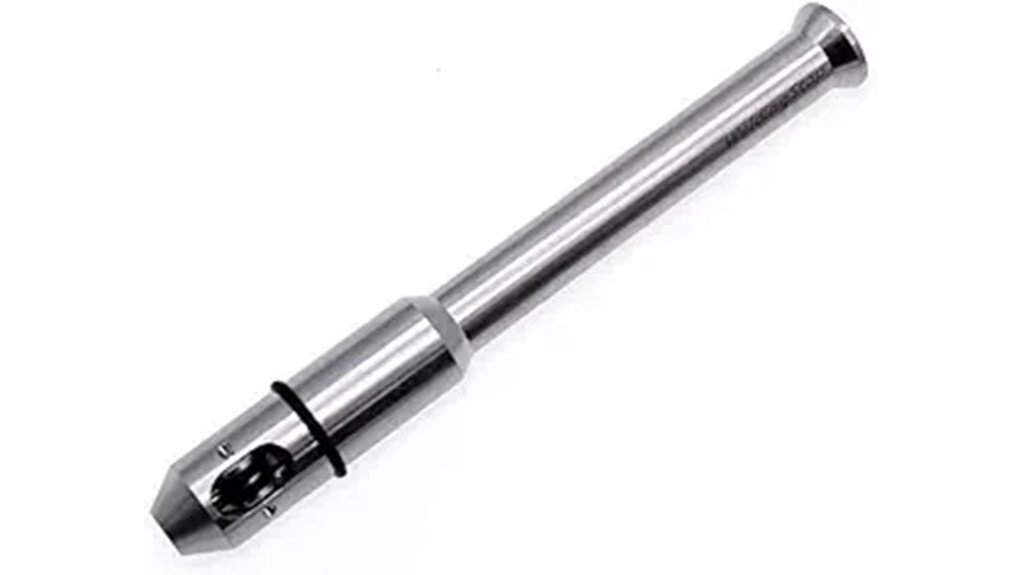
Feeding TIG filler rod smoothly can be difficult when your glove grip, hand angle, or rod length changes during a weld. The TIG Pen Finger Feeder is a compact control aid made to help you move filler rod more steadily while keeping your hand close to the work. It supports rods from 1.0mm to 3.2mm, so it fits many fine-detail and general TIG welding tasks. This review helps you decide whether it adds useful control to your setup or simply adds another accessory to manage.
Quick Verdict
Rating: 8/10, Recommended with caveats
Best For: TIG welders who want steadier filler rod control on thin metal, stainless work, and detail joints
Bottom Line: The TIG Pen Finger Feeder can make rod feeding feel more controlled and repeatable during precision TIG work. It still depends on your technique, glove fit, and hand position, so it is not a shortcut around practice.
| Specification | Detail |
|---|---|
| Product Name | TIG Pen Finger Feeder |
| Product Type | TIG filler rod feeding accessory |
| Design | Finger-mounted rod feeder |
| Rod Compatibility | 1.0mm to 3.2mm (1/32" to 1/8") |
| Material | Lightweight aluminum |
| Weight | Approx. 0.1 lb |
| Grip Type | Anti-slip ergonomic grip |
| Best Use | Precision TIG welding, thin metal work, and fine fabrication |
| Safety Note | Control aid only. It does not replace TIG gloves, safe torch handling, or proper welding technique. |
What Is the TIG Pen Finger Feeder?
The TIG Pen Finger Feeder is a small welding accessory designed to help you feed TIG filler rod with more consistent movement. It mounts to your finger and supports filler rods from 1.0mm to 3.2mm, which covers many common TIG rod sizes used for precision work.
Its main job is to reduce shaky hand feeding when you work close to the weld pool. That can help when you weld thin steel, stainless steel, small brackets, detail joints, or repeated beads where steady filler rhythm matters.
This is not a welding machine, torch, or automatic feeder. You still control the rod, puddle, travel speed, torch angle, and heat input, so the benefit depends on how well the feeder fits your hand movement.
Before You Buy: This is a control aid, not a replacement for TIG welding skill. If your filler hand, torch angle, or heat control is inconsistent, the tool may help you practice but it will not fix every bead problem.
Who Should Buy It?
Best For
- TIG welders working on thin metals, small joints, or visible bead work
- Beginners and intermediate users building steadier filler rod muscle memory
- Small-shop or mobile welders who want a lightweight accessory for repeated precision welds
Skip If
- You already feed filler rod smoothly by hand and do not want an extra finger accessory
- You mainly weld heavy structural parts with larger rods outside the listed 1.0mm to 3.2mm range
- You need an automatic wire feeder rather than a manual TIG control aid
Key Features and Build Quality
Lightweight Aluminum Construction
The feeder uses lightweight aluminum and weighs about 0.1 lb. That low weight matters because any extra load on your filler hand can become annoying during longer practice sessions or repeated bench welds.
Aluminum also keeps the tool compact enough for a small welding drawer, tool roll, or mobile kit. It is better suited to controlled workshop use than rough handling in a heavy industrial toolbox.
Rod Compatibility Range
The listed rod range is 1.0mm to 3.2mm, or about 1/32" to 1/8". That makes it practical for many TIG filler rods used in fine fabrication, stainless work, and general shop repairs.
You should still check your actual filler rod size before buying. If your work requires rods outside that range, the feeder may not hold or move the rod the way you need.
Anti-Slip Finger Control
The anti-slip grip is meant to keep the feeder steadier on your finger while you guide the filler rod. This can help when welding gloves reduce feel and make small rod movements harder to control.
The tradeoff is fit and preference. Some welders like finger-mounted tools, while others prefer freehand feeding because it gives more freedom at awkward angles.
Compatibility and Safety Notes
The TIG Pen Finger Feeder is made for TIG filler rod control only. It should not be used as a heat shield, torch holder, clamp, or substitute for safe welding gear.
Use it with proper TIG gloves and keep your hand position clear of the arc, hot filler rod, and freshly welded metal. Follow your welder settings, filler rod guidance, and shop safety rules, especially when working on stainless steel or thin material that can overheat quickly.
Because the tool touches your glove and sits near your working hand, comfort matters. Test the fit during dry practice before striking an arc, then adjust your rod angle and finger position before using it on finished parts.
How to Use It Correctly
Start by loading a compatible filler rod and practicing the feed motion without welding. The goal is to move the rod forward in small, repeatable steps while your torch hand stays steady.
Practice on scrap metal before using it on a customer part, visible joint, or thin workpiece. This lets you learn how the feeder changes your rod angle, finger pressure, and distance from the weld pool.
- Match the feeder to rod sizes between 1.0mm and 3.2mm.
- Keep your glove grip relaxed so the feeder does not fight your hand movement.
- Use short practice beads to check whether the rod feeds smoothly.
- Stop if the feeder shifts, binds, or places your hand too close to heat.
How It Performs in Real Use
For Precision Welding
On tight weld joints, the feeder can help you push filler rod with smaller and more repeatable movements. That control is useful when the weld bead needs to stay neat, narrow, and consistent.
For Thin Metal and Stainless Work
Thin metal and stainless steel can punish uneven filler timing because the puddle changes quickly. A steadier feed motion can help you stay focused on heat control, torch angle, and travel speed.
For Extended Practice Sessions
The lightweight aluminum body helps keep hand fatigue low during repeated practice beads. This makes it useful for beginners who want to build filler rod rhythm without gripping the rod too tightly.
For Small Workshop and Mobile Use
The compact finger-mounted design is easy to store with filler rods, tungsten supplies, and small TIG accessories. It makes the most sense in a small shop where simple tools need to stay close at hand.
Pro Tip: Run several dry-feed passes with your gloves on before welding. If the rod does not move smoothly during dry practice, adjust your finger position before adding arc heat.
Pros and Cons
Pros
- Supports 1.0mm to 3.2mm rods, covering many common TIG filler sizes
- Finger-mounted design helps you guide filler rod in small, steady movements
- Lightweight aluminum body keeps added hand weight low
- Compact size makes it easy to store in a small TIG accessory kit
- Useful for practice, detail welds, and repeated precision bead work
Cons
- Requires practice, especially if you already have a freehand feeding habit
- Limited to TIG filler rod control and not useful for other welding processes
- May feel unnecessary for experienced welders with strong manual rod control
Care, Storage, and Maintenance
Keep the feeder clean enough that the rod can move without dragging. After welding, let nearby metal cool, then wipe dust, grit, or shop debris from the tool before storing it.
Store it where it will not get bent, crushed, or packed with grinding dust. If the rod starts to bind, inspect the contact points and switch to a clean, straight filler rod before blaming the feeder.
Is It Worth the Price?
The TIG Pen Finger Feeder sits in the budget accessory category for welding tools. It is not a primary welding device, but it can be a smart buy if you want more control over manual TIG filler rod feeding.
Beginners and intermediate welders get the most value because it gives them a structured way to practice steady filler movement. It is also worth considering for detail welds where a smoother feed rhythm can help the finished bead look more consistent.
It is not the best fit if you mainly do heavy fabrication, rarely TIG weld, or already feed filler rod well by hand. In those cases, the improvement may be too small to justify another accessory.
How It Compares to Alternatives
Compared with traditional freehand TIG rod feeding, this tool adds stability and can reduce finger strain during repeated welds. Freehand feeding still gives you more flexibility when the joint angle changes or when you need to reposition quickly.
Compared with other manual rod feeder styles, this aluminum finger-mounted design focuses on low weight and simple control. Premium or adjustable feeders may suit welders who want more ergonomic shaping, but this one makes the most sense if you want a compact, basic control aid.
Frequently Asked Questions
Is the TIG Pen Finger Feeder suitable for beginners?
Yes, beginners can use it to practice steadier filler rod control. It still requires basic TIG technique, including proper torch angle, heat control, and safe hand placement.
What filler rod sizes does it support?
It supports rods from 1.0mm to 3.2mm, or about 1/32" to 1/8". Check your filler rod size before buying because rods outside that range may not feed correctly.
Does it replace manual TIG rod feeding?
No, it assists manual feeding rather than replacing it. You still guide the rod and control how much filler enters the weld pool.
Will it work with welding gloves?
It is meant to support finger control during TIG welding, where gloves are part of safe setup. Fit and feel can vary, so practice the feed motion with your own gloves before welding on finished work.
Is it useful for stainless steel TIG welding?
Yes, it can be useful for stainless work when you need steady filler timing and a clean bead. It does not control heat for you, so you still need the right amperage, travel speed, and filler technique.
Who should skip this feeder?
Skip it if you rarely TIG weld, mainly use rods outside the listed size range, or already feed filler rod smoothly by hand. It is also not the right tool if you need an automatic wire feeding system.
The Bottom Line
The TIG Pen Finger Feeder is a solid choice for TIG welders who want steadier manual filler rod control during precision work. Its strongest points are the 1.0mm to 3.2mm rod range, lightweight aluminum build, and compact finger-mounted design.
Skip it if you already have excellent freehand rod control or need a tool for heavy welding outside its listed rod range. For beginners, intermediate welders, and small-shop users, it is recommended with caveats because it helps control but still demands practice.