Disclosure: As an Amazon Associate, we earn from qualifying purchases. If you click a link on this page and make a purchase, we may receive a small commission at no extra cost to you.
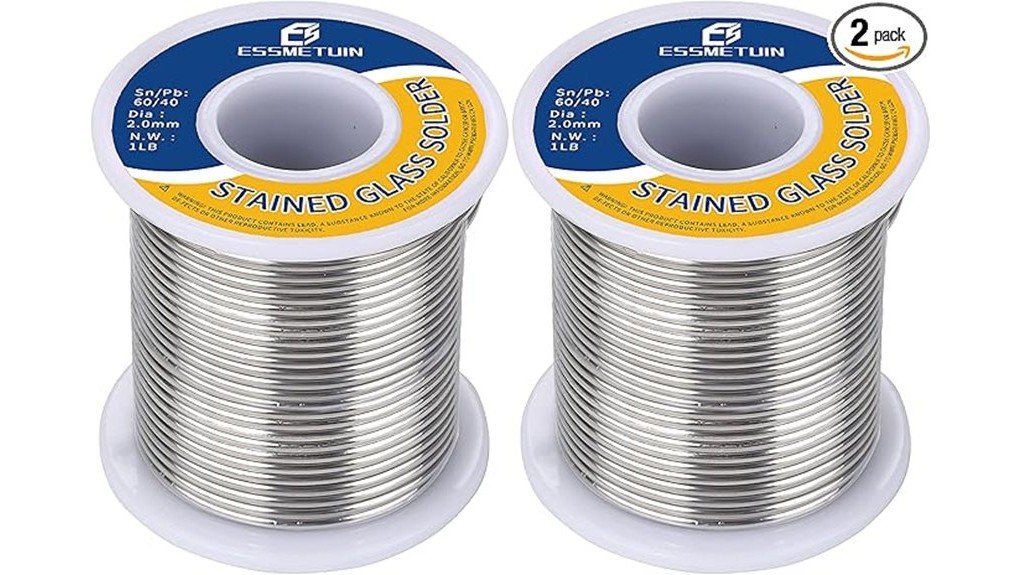
Choosing solder wire is not just about getting metal to melt. You need the right alloy, diameter, flux setup, and safety match for the work you plan to do. This Tin Lead Solder Wire uses an Sn60/Pb40 composition, a 2.0 mm diameter, and a listed melting point of 183℃, making it a practical option for stained glass, crafts, and jewelry-style work where leaded solder is acceptable.
The main strength is its smooth flow and fast soldering action when paired with the correct external flux. The main limitation is just as important: this solder contains lead and has no rosin flux core, so it is not the right choice for every project, safety requirement, or user.
Quick Verdict
Rating: Recommended with caveats, 7.8/10
Best For: Hobbyists, stained glass makers, craft users, and experienced soldering users who already plan to use external flux.
Bottom Line: This Tin Lead Solder Wire makes sense if you want a 2.0 mm Sn60/Pb40 solder that flows smoothly and forms strong joints in craft applications. Skip it if you need lead-free solder, built-in flux, food-safe use, potable-water plumbing use, or compliance-sensitive electronics work.
Key Takeaways
- The Sn60/Pb40 composition is suited to users who want traditional tin-lead solder behavior for craft and stained glass work.
- The 2.0 mm diameter works better for larger seams and general craft joints than very fine electronics work.
- The listed 183℃ melting point helps the solder flow quickly when your workpiece is clean, heated properly, and fluxed.
- This solder wire contains no rosin flux, so you need a suitable external flux for good wetting and joint strength.
- Because it contains lead, it is not suitable for food-contact items, children’s items, potable-water plumbing, or projects that require lead-free materials.
Product Features and Specifications
| Specification | Detail |
|---|---|
| Product type | Tin lead solder wire |
| Alloy composition | 60% tin and 40% lead, Sn60/Pb40 |
| Wire diameter | 2.0 mm, 0.08 inch |
| Listed melting point | 183℃, 362℉ |
| Flux type | No rosin flux core listed |
| Flux requirement | Requires external flux for best flow and adhesion |
| Listed weight | 2.12 pounds |
| Listed dimensions | 2.17 x 2.17 x 2.17 inches |
| Best use | Stained glass, crafts, and jewelry-style soldering where leaded solder is acceptable |
| Safety note | Contains lead. Use proper handling, ventilation, cleaning, and project-specific safety judgment. |
What Is the Tin Lead Solder Wire?
This Tin Lead Solder Wire is a soft solder wire made with a 60% tin and 40% lead alloy. The article-supported specs list a 2.0 mm diameter and a 183℃ melting point, which makes it easier to apply on craft seams, stained glass joints, and similar non-food projects.
Unlike flux-core solder, this wire does not include rosin flux. That gives you more control over which external flux you use, but it also means you cannot expect clean wetting from the wire alone. You need to match the flux to your base material and clean the work area before soldering.
Before You Buy: This is lead-containing solder. Do not use it for food-contact items, children’s jewelry, potable-water plumbing, or projects that require lead-free materials or RoHS-style compliance.
Who Should Buy It?
Best For
- Stained glass users who need a thicker 2.0 mm solder wire for seams and general assembly.
- Craft and hobby users who already use external flux and understand lead handling precautions.
- Buyers who prefer traditional Sn60/Pb40 solder behavior for smooth flow and quick wetting.
Skip If
- You need lead-free solder for electronics, school projects, regulated work, or customer-facing products.
- You want flux-core solder that works without applying separate flux.
- You are making items that touch food, drinking water, children, or skin for long periods.
Composition and Melting Behavior
The Sn60/Pb40 composition is one of the main reasons buyers choose this solder. Tin helps wet the work surface, while lead supports the traditional flow and working feel many stained glass and craft users expect from leaded solder.
The listed 183℃ melting point helps the wire melt quickly with a suitable soldering iron or soldering setup. Faster melting can reduce frustration on craft joints, but it does not replace proper surface prep. Dirty, oxidized, or under-fluxed surfaces can still cause poor wetting and weak joints.
Wire Diameter and Handling
The 2.0 mm, 0.08 inch diameter is thicker than many fine electronics solder wires. That makes it more useful for visible seams, larger joints, and projects where you want to feed more solder at once.
For tiny circuit board pads, this diameter may feel bulky. You may have less control than you would with a thinner wire. For stained glass or craft lines, the thicker wire can be easier to feed and more efficient once you get used to the flow rate.
Flux Requirement and Joint Quality
This solder wire contains no rosin flux, so external flux is not optional if you want consistent results. Flux helps clean oxides from the joint area and improves solder flow across the surface.
The best flux depends on the material you are joining and the project type. Stained glass users often choose flux made for copper foil or lead came work, while electronics users usually avoid aggressive acid flux because residue can damage parts. Always follow the flux label and clean residue as directed after the joint cools.
Pro Tip: Test the solder and flux on scrap material first. This helps you confirm flow, heat level, cleanup needs, and joint appearance before touching your main project.
Performance and Application
In practical use, this solder wire is best when the surface is clean, the joint is warmed evenly, and the external flux matches the material. Under those conditions, the article-supported feedback points to smooth flow, fast soldering speed, and strong joints.
The thicker 2.0 mm size helps when you want to build up a bead or cover longer seams. It may not be ideal when you need very fine solder control, especially on small electronic parts or delicate decorative details.
How It Performs in Real Use
For Stained Glass Projects
This solder makes the most sense for stained glass work where a leaded Sn60/Pb40 wire is acceptable. The 2.0 mm diameter can feed enough solder for seams without forcing you to constantly reload the joint.
For Craft Repairs
For general craft repairs, the smooth flow can help create cleaner joints when your surface is prepared well. You still need the right flux, steady heat, and careful cleanup to avoid residue or messy edges.
For Jewelry-Style Projects
This wire may work for decorative jewelry-style soldering where leaded materials are acceptable and the finished item will not be worn against the skin. It is not a safe choice for children’s jewelry, mouth-contact items, or pieces sold as lead-free.
For Electrical Use
Although Sn60/Pb40 solder has a history in electronics, this specific wire is thicker and does not include rosin flux. It is better viewed as a craft-focused option unless your project specifically allows leaded solder, external flux, and a 2.0 mm wire.
How to Use It Correctly
Start by cleaning the joint area so dust, oil, and oxidation do not block solder flow. Apply the correct external flux to the joint, heat the workpiece evenly, then feed the solder only after the joint area is hot enough to melt it smoothly.
Avoid using extra solder to hide poor prep. Too much solder can create bulky seams, dull joints, or cleanup problems. After soldering, let the joint cool naturally and clean flux residue according to the flux manufacturer’s instructions.
Safety and Material Notes
This solder contains lead, so you should treat handling and cleanup seriously. Work in a well-ventilated area, avoid eating or drinking while soldering, wash your hands after use, and keep solder wire, scraps, and residue away from children and pets.
Do not use this solder for food-contact items, drinkware, cookware, potable-water plumbing, children’s products, or jewelry that may be chewed or worn closely against skin. If your project must meet a specific safety rule, workplace requirement, or lead-free standard, choose a verified lead-free solder instead.
Customer Insights and Feedback
The original article notes that users praise the solder wire for smooth flow, fast soldering speed, and strong solder joints. That feedback fits the kind of performance buyers often want from a 60/40 tin-lead solder used in stained glass and craft projects.
The same feedback also points to a clear limitation: buyers must be comfortable using external flux. If you are new to soldering, this adds one more step to learn. If you already have a preferred flux, the no-rosin design may feel more flexible.
Pros and Cons
Pros
- Sn60/Pb40 composition supports smooth flow for craft and stained glass work.
- 2.0 mm diameter is useful for larger seams and general soldering tasks.
- Listed 183℃ melting point helps the solder melt quickly with proper heat.
- No rosin core gives you control over which external flux you use.
- Article-supported feedback highlights strong joints and fast soldering speed.
Cons
- Contains lead, so it is not right for food, drinking water, children’s items, or lead-free projects.
- Requires external flux, which adds another buying and setup step.
- The 2.0 mm diameter may be too thick for fine circuit board work.
Is It Worth the Price?
This Tin Lead Solder Wire can be a strong value for the price if you need a craft-focused 2.0 mm Sn60/Pb40 solder and already plan to use external flux. You get a traditional leaded solder profile without paying for features you may not need, such as a built-in flux core.
The value drops if you need lead-free compliance, fine electronics control, or a beginner setup that includes flux in the wire. In those cases, a different solder type may save you time and reduce the chance of buying the wrong material.
How It Compares to Alternatives
Compared with rosin-core electronics solder, this wire gives you more flux choice but less plug-and-play convenience. Rosin-core solder is often easier for small electronics because the flux is already inside the wire.
Compared with lead-free solder, this Sn60/Pb40 wire may feel easier to flow at lower working temperatures, but it brings lead-handling limits. Choose lead-free solder when safety rules, customer expectations, or project requirements call for it.
Frequently Asked Questions
Is this Tin Lead Solder Wire safe for jewelry making?
Use caution because this solder contains 40% lead. It may be acceptable for some decorative work, but you should avoid it for children’s jewelry, mouth-contact pieces, or items worn directly against skin for long periods.
Does this solder wire include flux?
No rosin flux is listed in the article. You should use a suitable external flux for your project so the solder can wet the surface and form a cleaner joint.
What is the best use for 2.0 mm solder wire?
A 2.0 mm solder wire works well for larger craft joints, stained glass seams, and projects where you want to feed more solder quickly. It may feel too thick for very small electronics pads or detailed precision work.
Can I use this solder wire for electrical applications?
It may work only when your project allows leaded solder, external flux, and a thicker 2.0 mm wire. For modern electronics, compliance-sensitive work, or fine circuit boards, a smaller rosin-core or lead-free electronics solder may be a better fit.
What type of external flux should I use?
Use flux that matches your base material and project type. Stained glass, craft metal, and electronics work can require different flux choices, so follow the flux label and avoid aggressive acid flux on electronics.
How should I store this solder wire?
Store it in a cool, dry place and keep it sealed or covered when not in use. Keep it away from children, pets, food areas, and surfaces where lead residue could spread.
Is this solder wire suitable for beginners?
It can work for beginners who understand lead safety and are willing to learn external flux use. If you want the simplest setup, a flux-core solder made for your exact project type may be easier to start with.
Who should skip this solder wire?
Skip it if you need lead-free solder, built-in flux, food-safe use, potable-water plumbing use, or fine electronics control. It is also not the right choice if you cannot manage safe lead handling and cleanup.
The Bottom Line
This Tin Lead Solder Wire is worth considering if you need a 2.0 mm Sn60/Pb40 solder for stained glass, crafts, or similar projects where leaded solder is acceptable. Its main strength is smooth, fast-flowing performance with the right external flux, while its main limitation is the lead content and lack of built-in flux.
Buy it if you understand the safety requirements and want traditional leaded solder behavior. Skip it if your project calls for lead-free materials, fine electronics solder, or a more beginner-friendly flux-core wire.