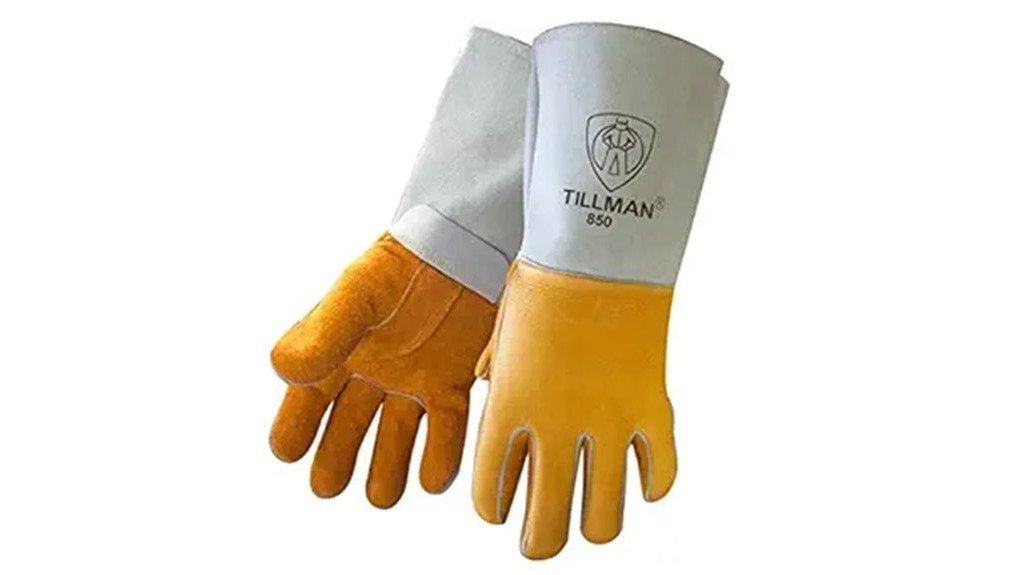
These elkskin welding gloves are a 14-inch pair with a top grain elkskin palm, unlined palm for feel, foam-lined back, reinforced thumb and Kevlar-stitched seams, per the Amazon listing. This elkskin welding gloves review is a buyer’s guide built from that listing. They are worth considering for stick and MIG welders who want comfort and control, and they suit less well if you need maximum insulation for heavy, high-amp work.
Elkskin Welding Gloves at a Glance
| Item | Per the listing |
|---|---|
| Main leather | Top grain elkskin, roughly 1.1 to 1.3 mm thick |
| Length | 14 inches (gauntlet style) |
| Palm | Unlined for dexterity |
| Back of hand | Foam lined |
| Details | Reinforced thumb, welted fingers, Kevlar thread |
| Brand and exact model | Check the listing |
What They Are and Who They Suit
Elkskin is a soft, flexible leather that stays pliable after heat and moisture exposure, which is why it is a popular choice for work gloves. A 14-inch length means a longer cuff, so your wrists and part of your forearms are covered.
They suit stick and MIG welders who find thick cowhide clumsy and want a glove that moves with the hand. They are a poor match for TIG where finger feel is key, and heavy industrial welding where a fully insulated glove is better.
How to Check They Fit Your Work
- Know your process. Stick and MIG are the natural fit. TIG users usually choose thin goatskin or deerskin instead.
- Check the lining. An unlined palm gives control, but gives less heat buffer, so be careful with hot work.
- Measure your hand. Measure around the palm and use the size chart. Poor fit makes your hands tire quickly.
- Check the cuff. At 14 inches, the cuff should reach past your wrist. Wear a jacket for overhead welding.
- Look at the stitching. Kevlar thread resists burning better than cotton.
Pros and Limitations
Pros
- Soft, flexible leather for a good feel.
- Long cuff for extra wrist and forearm coverage.
- Foam-lined back adds some padding.
Limitations
- Less insulation in the palm than fully lined gloves.
- Elkskin is thinner than heavy cowhide and can wear faster on rough work.
- No glove is fireproof, so limit contact with hot metal.
Use, Safety and Care
- Wear dry gloves; moisture speeds heat transfer.
- Inspect for thin spots, burn marks and open seams before each session.
- Brush off debris and air dry away from heat sources.
- Keep a spare pair for high-heat tasks.
Alternatives and Related Guides
- Tillman 48XL gloves for a goatskin and cowhide MIG option.
- Lincoln Electric K2977 gloves for padded general-purpose gloves.
- Duratech welding gloves for another option.
Frequently Asked Questions
Are elkskin welding gloves good for stick welding?
Elkskin is soft, supple and fairly heat tolerant, so it is often used in gloves for stick and MIG. This pair has an unlined palm and foam-lined back according to the listing, which favors feel over insulation. For long, high-amp stick sessions, many welders prefer a fully lined glove.
What does an unlined palm mean?
It means the palm has no separate insulating liner, so you feel the electrode holder or gun better. The tradeoff is less thermal buffer when you grip hot work. Keep contact with hot metal brief, and use pliers or tongs.
How long do welding gloves last?
There is no fixed lifespan. Wear depends on amperage, process, how often you weld and how well you care for them. Replace gloves when the palm thins, seams open, the leather cracks or you feel heat coming through quickly.
Can I use these gloves for grinding or general shop work?
Leather welding gloves are fine for general fabrication and handling hot parts briefly. For grinding, wear safety glasses and a face shield as well, and keep cuffs clear of the wheel. Never wear loose gloves near rotating tools that can catch them.
Conclusion
These elkskin gloves trade a little insulation for comfort and feel, which suits many stick and MIG jobs. Confirm the brand, size and lining on the listing before ordering.