Disclosure: As an Amazon Associate, we earn from qualifying purchases. If you click a link on this page and make a purchase, we may receive a small commission at no extra cost to you.
Controlled heat matters when you are welding plastic, sealing roofing membrane, or repairing heat-sensitive materials. Too much heat can scorch the surface, while weak airflow can leave seams uneven. The WELDY HT 1600 Hot Air Gun gives you a 1550W handheld option with a ceramic heating element and a lightweight body. This review helps you decide whether its steady output and Leister TRIAC compatibility fit your work, or whether you need a more advanced industrial tool.
Quick Verdict
Rating: 8/10, Recommended with caveats
Best For: Plastic welders, roofing repair users, workshop repair tasks, and DIY users who need controlled heat
Bottom Line: The WELDY HT 1600 makes sense if you want steady 1550W heat, a manageable under-3-pound body, and practical compatibility with Leister TRIAC ST and AT systems. Its main tradeoff is that it is not the best choice for nonstop industrial welding or buyers who need advanced digital programming.
| Specification | Detail |
|---|---|
| Brand | WELDY |
| Model | HT 1600 |
| Product type | Hot air welding gun |
| Power | 1550W |
| Weight | Just under 3 pounds |
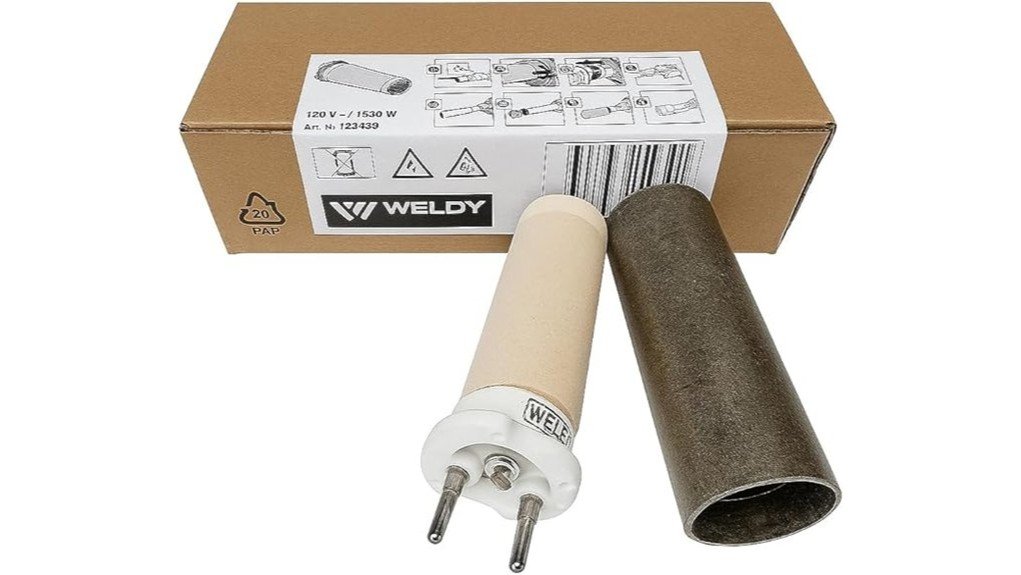
| Heating element | High-temperature ceramic firing element |
| Design | Ergonomic, lightweight handheld build |
| Compatibility | Leister TRIAC ST and AT systems |
| Best use | Plastic welding, roofing membrane work, heat shrinking, and repair tasks |
| Safety note | Use controlled distance, test on scrap material, and let the tool cool before storage |
What Is the WELDY HT 1600 Hot Air Gun?
The WELDY HT 1600 Hot Air Gun is a handheld hot air welding tool made for controlled heat applications. It is built around a 1550W output and a ceramic heating element, which helps it deliver steady heat for plastic welding, membrane sealing, heat shrinking, and repair work.
This model is aimed at users who need more control than a basic household heat gun but do not need a large industrial welding system. Its lightweight, ergonomic design also helps when you need to guide hot air along seams, corners, patches, or overhead repair areas.
The article-supported compatibility with Leister TRIAC ST and AT systems makes it especially practical if your setup already uses that tool family. You should still confirm accessory and nozzle fit before relying on existing parts, especially if you use older or third-party attachments.
Who Should Buy It?
Best For
- Users who need steady hot air for thermoplastic welding and repair work
- Roofing repair users who value consistent heat on membrane seams
- DIY and workshop users who want a lighter tool for repeated handling
Skip If
- You need advanced digital temperature programming for precise production work
- You expect nonstop heavy-duty industrial welding throughout the day
- You only need a basic heat gun for occasional paint, shrink-wrap, or craft tasks
Design and Build Quality
The HT 1600 uses a compact body that keeps the tool manageable during longer welding sessions. At just under 3 pounds, it should feel easier to control than heavier industrial tools when you work overhead, inside corners, or across long seams.
The ergonomic grip is useful because hot air welding depends on steady movement. If your hand position changes too much, the weld can become uneven, especially on thinner plastic sheets or membrane materials.
The lightweight design does not remove the need for good technique. You still need the right nozzle, clean material, controlled speed, and enough practice to avoid burning the surface or leaving a weak bond.
Performance and Heat Control
The 1550W output gives the WELDY HT 1600 enough power for controlled welding and repair tasks. It focuses more on steady, usable heat than on aggressive peak output, which helps when you need to move slowly along a seam.
The high-temperature ceramic firing element supports efficient warm-up and helps maintain consistent output during use. This matters when you work on plastic sheets, tarps, or roofing membrane because uneven heat can weaken the finished joint.
The main limitation is control depth. This model is not presented as a digitally programmable hot air station, so buyers who need repeatable temperature presets or advanced production settings may want a higher-end tool.
Compatibility and Applications
The HT 1600 is most useful for plastic fabrication, roofing membrane installation, heat shrinking, and repair work. It is also a reasonable backup tool for users who already work with compatible Leister TRIAC ST and AT systems.
- Plastic welding and fabrication
- Roofing membrane seams and patch repairs
- Heat shrinking applications
- Workshop repair and maintenance tasks
- Field repairs where a lighter handheld tool is easier to manage
Before You Buy: This tool is not intended for heavy industrial continuous-load welding where higher-output systems, advanced controls, or duty-cycle requirements may matter more.
Setup Tips Before First Use
Start by reading the product manual and checking that the tool, nozzle, and power setup match your project. Hot air tools can damage plastic quickly, so you should practice on scrap material before using the HT 1600 on a visible seam or finished repair area.
Keep the work surface clean and dry before welding. Dirt, moisture, or loose debris can weaken the bond and make it harder to keep a smooth seam.
Use a steady hand speed and avoid holding the heat in one spot for too long. For many plastic welding tasks, the original article recommends keeping a consistent 2 to 4 inch distance from the surface to reduce scorching and encourage even bonding.
Pro Tip: Test your distance, speed, and nozzle angle on scrap material first, then copy that motion on the final seam once the plastic softens evenly without scorching.
Compatibility and Safety
The WELDY HT 1600 works around high heat, so basic safety matters. Wear appropriate gloves and eye protection, keep flammable materials away from the work area, and allow the tool to cool fully before you store it.
Use the tool in a well-ventilated area, especially when heating plastics, membranes, or adhesives. You should also follow the material supplier’s guidance because different thermoplastics and roofing membranes can require different temperatures, nozzles, and welding speeds.
For roofing or structural repair work, treat the tool as one part of the process, not the whole solution. Surface prep, compatible materials, correct overlap, and proper technique all affect the final bond.
How It Performs in Real Use
For Plastic Welding
You get controlled airflow that can help create smoother seams when you keep the tool moving at a steady pace. It is best for users who can practice technique and adjust distance based on material thickness.
For Roofing Membrane Repairs
The HT 1600 fits smaller membrane sealing tasks where consistent heat matters more than maximum output. It can be useful for patches, seams, and repair spots, but large commercial jobs may call for a more specialized system.
For Workshop Repairs
The under-3-pound body makes repeated handling less tiring during repair work. This is helpful when you need to move around a workbench, guide heat into tight areas, or make several small repairs in one session.
For Extended Sessions
Heat consistency is the main benefit during longer tasks, but you should still manage tool temperature and comfort. Take breaks when needed, avoid blocking airflow, and let the housing cool before storage.
Pros and Cons
Pros
- 1550W output supports controlled heat for plastic welding and repair work
- High-temperature ceramic firing element helps maintain steady heat during use
- Under-3-pound body reduces fatigue during overhead or repeated handling
- Compatible with Leister TRIAC ST and AT systems according to the article details
- Useful for several tasks, including membrane work, heat shrinking, and shop repairs
Cons
- Not the right fit for nonstop heavy-duty industrial welding
- Does not appear to focus on advanced digital programming or preset controls
- Precise welding results still depend on nozzle choice, distance, speed, and practice
Compare the Current Listing
Check the product page for current package details, seller notes, and compatible accessories before you buy.
Is It Worth the Price?
The WELDY HT 1600 sits in a mid-range category for hot air welding tools. It is worth considering if you need a lighter handheld unit with stable heat output for plastic welding, roofing repair, or regular workshop use.
Buyers who get the most value from it are users who care about heat control, handling comfort, and compatibility with Leister TRIAC ST and AT systems. You may not get the same value if you need a basic heat gun for occasional household jobs.
Its biggest value limitation is the lack of advanced digital programming in the article details. If you need production-level repeatability or continuous industrial duty, a higher-end industrial model may be the safer buy.
How It Compares to Alternatives
Compared with entry-level heat guns, the HT 1600 offers a more focused setup for welding and repair work. Compared with higher-end Leister industrial models, it gives you a lighter and more practical middle-ground option but gives up advanced controls and heavy-duty output.
If you want simple heat for occasional DIY use, a cheaper generic heat gun may be enough. If you want maximum control for professional production work, a more advanced hot air welding system is worth comparing.
Frequently Asked Questions
What materials can the WELDY HT 1600 weld?
It is mainly suited to thermoplastic welding and roofing membrane work. Always match the tool setup, nozzle, and heat technique to the specific material you are using.
Is the WELDY HT 1600 suitable for beginners?
It can work for careful beginners, but you should practice on scrap material first. Plastic welding depends on distance, speed, pressure, and timing, so technique matters as much as the tool.
Does it work with Leister TRIAC ST and AT systems?
The article details list compatibility with Leister TRIAC ST and AT systems. Before swapping nozzles or accessories, confirm fit with your exact setup and the current product listing.
Can you use it for roofing membrane repairs?
Yes, it is positioned for roofing membrane work and controlled heat applications. For large or code-sensitive roofing jobs, follow membrane manufacturer guidance and consider a professional-grade setup.
Does it have advanced digital temperature controls?
The article does not support a claim of advanced digital programming or preset temperature memory. If you need repeatable production settings, compare it with a higher-end industrial model.
What is the most common mistake with this type of hot air gun?
The most common mistake is holding heat too close or too long in one spot. Keep a steady motion, test on scrap material, and adjust your distance before working on the finished surface.
Who should skip the WELDY HT 1600?
Skip it if you need nonstop industrial output, advanced digital controls, or a tool for large production welding. It is better for controlled repair, membrane, and plastic welding tasks.
The Bottom Line
The WELDY HT 1600 is a strong fit if you need a manageable hot air welding gun for plastic welding, roofing membrane repairs, heat shrinking, or workshop maintenance. Its 1550W output, ceramic heating element, and under-3-pound body are the key strengths.
Skip it if you need advanced digital programming or a heavy-duty industrial system for nonstop production work. For controlled heat tasks and users who can practice proper technique, the 8/10 recommended-with-caveats verdict is fair.