Choosing the right ESAB welding rod affects penetration, bead control, slag removal, storage, and whether your welder can run the electrode correctly. The best choice is not simply the rod with the highest strength number. Match the electrode classification, diameter, polarity, amperage range, base metal, joint design, welding position, and written procedure to the job.
Quick Answer
Choose Sureweld 6010 for DC-positive root passes and aggressive penetration. Choose ESAB 7018-1 Prime VACPAC when sealed, low-hydrogen packaging matters. Choose Atom Arc 7018 for a dependable AC/DC-positive, all-position low-hydrogen electrode. The listed diameter, your machine output, and the approved welding procedure must still match.
Key Takeaways
- Sureweld 6010: E6010, DC-positive only, 60–80 amps for the listed 3/32-inch rod, and best suited to digging root passes.
- ESAB 7018-1 Prime VACPAC: E7018-1 H4R, AC or DC-positive, 110–200 amps for the listed 5/32-inch rod, with a 65-volt minimum AC open-circuit voltage.
- Atom Arc 7018: E7018 H4R, AC or DC-positive, 70–110 amps for the listed 3/32-inch rod, and intended for all-position low-hydrogen welding.
- Classification is not approval: safety-critical or code work still requires the correct base metal, joint design, storage controls, qualified welder, and welding procedure.
Affiliate disclosure: This comparison contains Amazon affiliate links. We may earn a commission from qualifying purchases at no extra cost to you.
Quick Verdict by Use
Pick Sureweld 6010 if you need aggressive root-pass penetration on carbon steel, have a DC-positive machine that runs E6010 well, and can control a fast-freeze puddle. Pick ESAB 7018-1 Prime VACPAC if intact sealed packs and low-hydrogen handling matter more than bulk convenience. Pick Atom Arc 7018 if you want a professional all-position 7018 for fabrication and procedure-controlled repair work.
Top Picks
|
Category |
Product |
Editorial Fit Score |
|---|---|---|
|
🏆 Best for Deep Penetration |
95/100 |
|
|
🔰 Best Vacuum Sealed |
74/100 |
|
|
🎯 Best for Procedure-Controlled Fabrication |
88/100 |
Score note: These are editorial fit scores, not laboratory ratings. They weigh verified electrode specifications and intended use (35%), machine and position compatibility (25%), storage and handling (20%), package practicality (10%), and documentation clarity (10%). Seller condition, price, and availability can change.
How We Chose
We compared the current manufacturer classifications, approved current types, listed diameter-specific amperage ranges, storage requirements, package format, and likely buyer fit. ESAB lists Sureweld 6010 as AWS E6010 for DC-positive welding, ESAB 7018-1 Prime as E7018-1 H4R for AC or DC-positive welding, and Atom Arc 7018 as E7018 H4R for AC or DC-positive welding.
We did not treat an electrode name, strength number, or marketing claim as proof that a finished weld is suitable for structural, pressure, pipeline, trailer, or vehicle work. Those jobs may require an approved welding procedure specification, qualified personnel, controlled consumable storage, inspection, and engineering or manufacturer approval.
How to Read 6010 and 7018 Electrode Codes
In the AWS carbon-steel electrode classification system, E means electrode. The first two digits indicate minimum weld-metal tensile strength in thousands of pounds per square inch: 60 means 60,000 psi and 70 means 70,000 psi. The third digit, 1, means all-position use. The final digit identifies coating and usable current characteristics.
The added H4R designation on these 7018 products indicates a low diffusible-hydrogen classification with moisture-resistance testing. The -1 in E7018-1 indicates enhanced low-temperature impact requirements compared with standard E7018. These designations help with electrode selection, but the job’s written procedure remains the controlling document.
An electrode classification describes the consumable. It does not, by itself, make the completed weld code-compliant or safe for a critical component.
Before You Buy
|
Check This First |
Why It Matters |
|---|---|
|
Base metal and procedure |
Confirm the steel grade, joint design, service conditions, and any required WPS before choosing a rod. Do not assume E6010 or E7018 is approved for every steel or repair. |
|
Polarity and machine capability |
The listed Sureweld 6010 requires DC-positive. Both listed 7018 products can run on AC or DC-positive, but AC performance depends on adequate open-circuit voltage and the machine’s arc characteristics. |
|
Rod diameter and amperage |
Match the exact diameter to your welder output, material thickness, joint, and position. The three listings here use different diameters and should not be compared as though they require the same amperage. |
|
Storage setup |
Low-hydrogen electrodes need manufacturer- and procedure-specific dry handling after opening. Cellulosic E6010 rods are handled differently and should not be stored or reconditioned like E7018 rods. |
|
Package and seller details |
Confirm product number, diameter, length, net weight, number of packs, seller, return policy, and seal condition before ordering. |
Warning: Arc welding safety rules cover electric shock, burns, eye injury, toxic-fume exposure, and fire. Use a suitable welding helmet, safety glasses, dry gloves, flame-resistant clothing, hearing protection, and effective ventilation. Remove paint, oil, plating, and other contamination safely. Keep combustibles away, protect nearby people from arc rays, and never weld a closed or previously used container unless it has been professionally cleaned, tested, vented, and approved for hot work.
Pro Tip: Before welding the actual part, run the chosen rod on scrap of the same steel and thickness. Confirm polarity, arc stability, penetration, slag release, and bead profile, then adjust within the manufacturer’s range or follow the WPS.
Sureweld 6010 Review
Sureweld 6010 is an AWS E6010 carbon-manganese electrode with a forceful, deep-penetrating arc. ESAB specifies DC-positive current. For the listed 3/32-inch by 14-inch rod, the published range is 60–80 amps. That makes it the most specialized root-pass option in this comparison.
The fast-freeze puddle can help with open roots and out-of-position work, but it demands tight arc-length control. Although E6010 is known for handling less-than-perfect field conditions, remove heavy rust, scale, paint, oil, moisture, and hazardous coatings before welding. Better preparation improves fusion and reduces fume and defect risks.
Verified Specifications
|
Classification |
AWS/ASME E6010 |
|---|---|
|
Listed size |
3/32 in. × 14 in.; 5 lb package; product 812000008 |
|
Current |
DC-positive only |
|
Manufacturer range |
60–80 A for 3/32 in. |
|
Primary fit |
All-position digging arc and root-pass work when E6010 is specified |
Buyer-Feedback Context
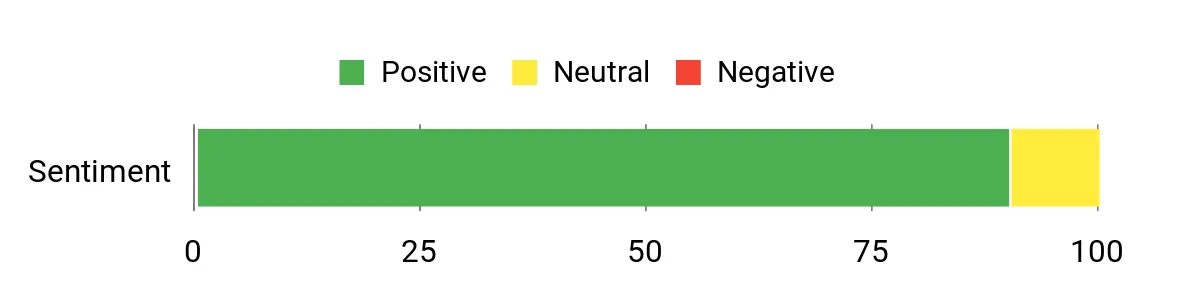
The practical appeal is the digging arc and root-pass control. However, the chart below does not disclose its review sample, collection date, or analysis method, so treat it as directional rather than as a verified statistical study.
Directional Sentiment Shown: Positive
|
Pros |
Cons |
|---|---|
|
✅ Aggressive, deep-penetrating arc suited to root passes |
❌ DC-positive only; it is not suitable for an AC-only welder |
|
✅ 3/32-inch size has a modest 60–80 amp published range |
❌ Fast-freeze puddle and tight arc are harder for beginners to control |
|
✅ Useful for repair and fabrication procedures that specify E6010 |
❌ Not low-hydrogen and not the default choice for smooth fill or cap passes |
Situational Benefits
|
Situation |
How It Helps |
|---|---|
|
Open-root joints |
The digging arc and fast-freeze puddle can help maintain a keyhole when the joint design and procedure specify E6010. |
|
Out-of-position practice |
The all-position classification supports vertical and overhead practice, but technique and procedure still control results. |
|
Field-style repair |
The forceful arc can be useful where penetration matters, provided the metal is safely cleaned and the repair is appropriate for E6010. |
Versatility
This is a focused electrode. It excels at digging and root work rather than quiet arc behavior or cosmetic caps. Many procedures pair an E6010 root with a low-hydrogen fill and cap, but only do that when the approved procedure allows the combination.
Who Should Buy This
Buy Sureweld 6010 if you have a compatible DC-positive stick welder and need a 3/32-inch E6010 for root-pass practice, pipe-style joints, or approved repair and fabrication work.
Who Should Avoid This
Skip it if your machine is AC-only, your inverter does not run E6010 reliably, you need a low-hydrogen electrode, or you are learning basic bead control and want a smoother arc.
Key Benefits
- Deep penetration for root-pass applications
- All-position E6010 classification
- 60–80 amp range for the listed 3/32-inch size
- 5-pound package for users who do not need a bulk carton
Check Product Details on Amazon
ESAB 7018-1 Prime VACPAC Review
ESAB 7018-1 Prime is a basic-coated, low-hydrogen electrode classified E7018-1 H4R. ESAB lists AC and DC-positive operation, less than 4 ml of diffusible hydrogen per 100 g of deposited weld metal, and a minimum AC open-circuit voltage of 65 volts. For the listed 5/32-inch by about 14-inch rod, the published range is 110–200 amps.
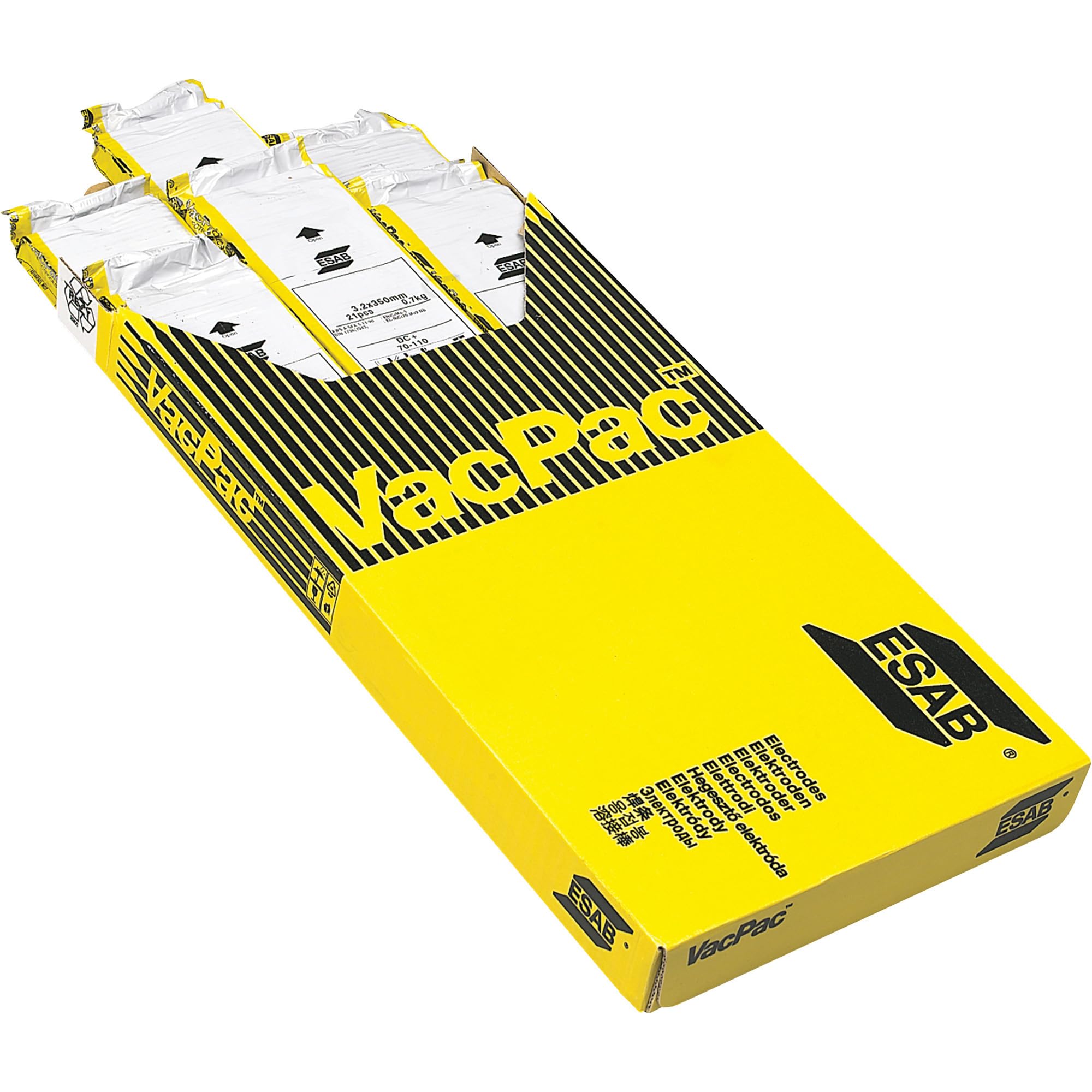
The VACPAC format is the main reason to choose this listing. ESAB describes the pack as hermetically sealed and says fresh, dry electrodes are available without rebaking when the vacuum is confirmed. Once opened, however, the rods must be handled under the applicable manufacturer and job-procedure rules.
Note: A vacuum pack only protects the electrodes while the seal and vacuum remain intact. Reject or quarantine damaged packs for critical work, and confirm the listing includes the expected number of 4-pound packs rather than assuming the master-carton quantity.
Verified Specifications
|
Classification |
AWS/ASME E7018-1 H4R and E7018 H4R |
|---|---|
|
Listed size |
5/32 in. × about 14 in.; listing states 4 lb |
|
Current |
AC or DC-positive; minimum AC OCV 65 V |
|
Manufacturer range |
110–200 A for 5/32 in. |
|
Primary fit |
All-position low-hydrogen welding where sealed packaging and the -1 impact classification are useful |
Buyer-Feedback Context
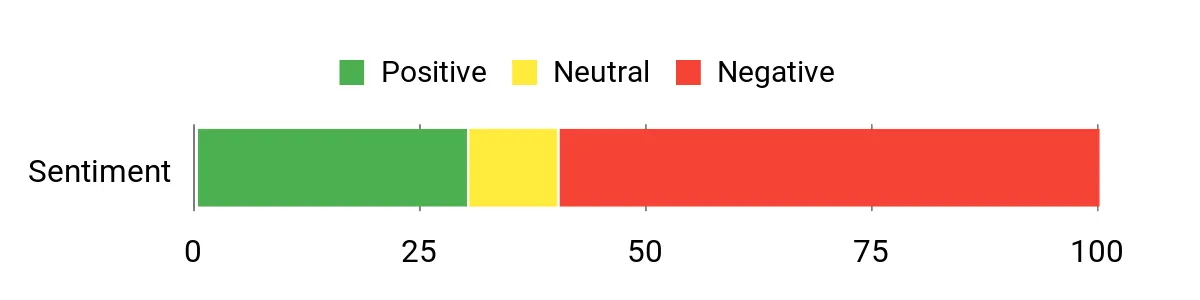
The strongest practical benefit is controlled packaging before opening. Shipping damage, pack count, and seal integrity are the key buying risks. The chart below does not provide a disclosed sample, date, or analysis method, so it should not be treated as verified review research.
Directional Sentiment Shown: Neutral
|
Pros |
Cons |
|---|---|
|
✅ Hermetically sealed packaging limits moisture pickup before opening |
❌ 5/32-inch diameter needs substantially more amperage than the 3/32-inch rods compared here |
|
✅ E7018-1 H4R classification supports low-hydrogen, low-temperature-impact applications when specified |
❌ AC use requires a machine with at least the stated 65-volt open-circuit voltage |
|
✅ Smaller sealed packs can reduce exposure and waste |
❌ Seal damage or unclear pack quantity reduces the packaging advantage |
Situational Benefits
|
Situation |
How It Helps |
|---|---|
|
Moisture-sensitive procedures |
An intact vacuum pack keeps unopened electrodes protected until the pack is needed. |
|
Small-batch use |
Opening one smaller pack can expose fewer rods than opening a large can. |
|
Cold-service requirements |
The -1 classification may fit procedures requiring lower-temperature impact properties, subject to the WPS and product certification. |
Versatility
This is an all-position 7018-1 electrode, but the listed 5/32-inch diameter is not a small-machine choice. It is most useful when you need its package format, output capacity, and classification rather than simply wanting a general practice rod.
Who Should Buy This
Buy VACPAC 7018 if you need verified sealed low-hydrogen packs, have enough amperage for 5/32-inch electrodes, and want to open rods in smaller batches.
Who Should Avoid This
Skip it if your welder cannot provide the required current or AC open-circuit voltage, you cannot confirm pack condition and quantity, or a smaller-diameter locally supplied 7018 better matches your work.
Key Benefits
- Hermetic vacuum packaging before opening
- E7018-1 H4R low-hydrogen classification
- AC or DC-positive operation with stated machine requirements
- Smaller packs can reduce unnecessary electrode exposure
Check Product Details on Amazon
Atom Arc 7018 Review
Atom Arc 7018 is an all-position E7018 H4R electrode that ESAB describes as low-hydrogen, moisture-resistant, and deep-penetrating. It is approved for AC or DC-positive current. For the listed 3/32-inch by 14-inch rod, ESAB publishes a 70–110 amp range.
This is the more conventional shop-work choice in the comparison because the 3/32-inch size fits lower output ranges than the listed 5/32-inch VACPAC rod. It still needs dry handling after opening. ESAB’s North American storage guide lists opened Atom Arc electrodes at 225–300°F and gives a product-specific reconditioning schedule; follow the current package instructions, WPS, and manufacturer guidance rather than using a generic home-oven method.
Verified Specifications
|
Classification |
AWS/ASME E7018 H4R |
|---|---|
|
Listed size |
3/32 in. × 14 in.; 10 lb package; product 255013328 |
|
Current |
AC or DC-positive |
|
Manufacturer range |
70–110 A for 3/32 in. |
|
Primary fit |
All-position low-hydrogen fabrication and approved repair work |
Buyer-Feedback Context
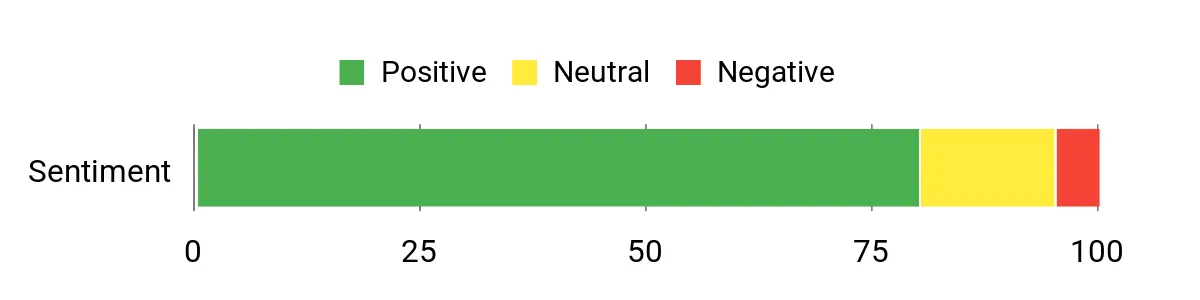
The verified strengths are its classification, broad position capability, and published operating range. The chart below does not disclose its review sample, date, or analysis method, so it is directional rather than a verified statistical result.
Directional Sentiment Shown: Positive
|
Pros |
Cons |
|---|---|
|
✅ Verified E7018 H4R low-hydrogen classification |
❌ Ten-pound package may be more than occasional users need |
|
✅ AC or DC-positive and all-position capability |
❌ Requires controlled dry storage after opening for low-hydrogen work |
|
✅ 70–110 amp range for the listed 3/32-inch size |
❌ Classification alone does not approve it for a safety-critical repair |
Situational Benefits
|
Situation |
How It Helps |
|---|---|
|
Procedure-controlled fabrication |
The E7018 H4R classification and documented properties make it a strong candidate when the WPS calls for this electrode type. |
|
Vertical or overhead joints |
The all-position classification allows use in difficult positions with the correct technique and amperage. |
|
Lower-output shop machines |
The listed 3/32-inch rod runs at 70–110 amps, making it more practical than the 5/32-inch option on many smaller welders. |
Versatility
Atom Arc 7018 is the broadest shop-work option here, but it is not universal. Confirm the base metal, machine, joint, storage, and WPS. Safety-critical trailer, pressure, structural, or vehicle-frame repairs require the applicable engineered or manufacturer-approved procedure and inspection.
Who Should Buy This
Buy Atom Arc 7018 if you want a documented 3/32-inch, all-position low-hydrogen rod for fabrication, training, and approved repair work, and you have a dry storage plan.
Who Should Avoid This
Skip it if you need only a few practice rods, cannot keep opened low-hydrogen electrodes dry, or have not confirmed that E7018 is permitted for the base metal and joint.
Key Benefits
- All-position E7018 H4R classification
- AC or DC-positive operation
- 70–110 amp range for the listed 3/32-inch rod
- Documented fit for carbon and selected low-alloy steels
Check Product Details on Amazon
Which ESAB Rod Fits Your Welder?
|
Question |
Best Match |
Reason |
|---|---|---|
|
Do you have DC-positive and need a digging root rod? |
Sureweld 6010 |
E6010, DC-positive, 60–80 A at 3/32 in. |
|
Do you need sealed 7018-1 packs and have 110–200 A available? |
7018-1 Prime VACPAC |
5/32 in., E7018-1 H4R, AC/DC-positive, 65 V minimum AC OCV |
|
Do you want a smaller-diameter 7018 for general shop use? |
Atom Arc 7018 |
3/32 in., E7018 H4R, AC/DC-positive, 70–110 A |
Frequently Asked Questions
Which rod is best for root passes and weathered steel?
Sureweld 6010 is the best fit here when the procedure calls for E6010 because it provides a digging, fast-freeze arc. Do not use that reputation as permission to weld over contamination. Remove heavy rust, paint, oil, moisture, and hazardous coatings before welding.
Are VACPAC 7018 rods reliable?
Yes, when the product is genuine and the vacuum seal arrives intact. ESAB designed VACPAC packaging to keep unopened electrodes dry without rebaking. Inspect the foil, confirm the vacuum and pack quantity, and follow the job’s exposure and storage rules after opening.
How should you store low-hydrogen electrodes?
Keep sealed packages dry and undamaged. After opening, use the temperature and exposure limits in the manufacturer’s instructions and the WPS. ESAB lists opened Atom Arc electrodes at 225–300°F in its North American guide. Do not use a household food oven or invent a rebake cycle.
What is the difference between 6010 and 7018 welding rods?
E6010 is a cellulosic, DC-positive, deep-penetrating electrode with a fast-freeze puddle. E7018 is a low-hydrogen electrode that generally runs with a smoother arc and can use AC or DC-positive when the specific product and machine support it. They serve different procedure needs.
Should beginners choose 6010 or 7018?
Many beginners find 7018 smoother, but restarts, arc length, and dry storage still take practice. E6010 has a more forceful arc and fast-freeze puddle. Start with the rod your machine supports, use the correct diameter and amperage, and practice on clean scrap.
Will an AC-only welder run these rods?
It will not run the listed Sureweld 6010 because ESAB specifies DC-positive. The two 7018 products are approved for AC, but machine capability still matters. ESAB 7018-1 Prime lists a minimum AC open-circuit voltage of 65 volts.
What amperage should you use for these exact listings?
ESAB publishes 60–80 amps for 3/32-inch Sureweld 6010, 110–200 amps for 5/32-inch 7018-1 Prime, and 70–110 amps for 3/32-inch Atom Arc 7018. Treat these as manufacturer ranges; position, joint, machine behavior, and the WPS determine the final setting.
What Welders Prefer
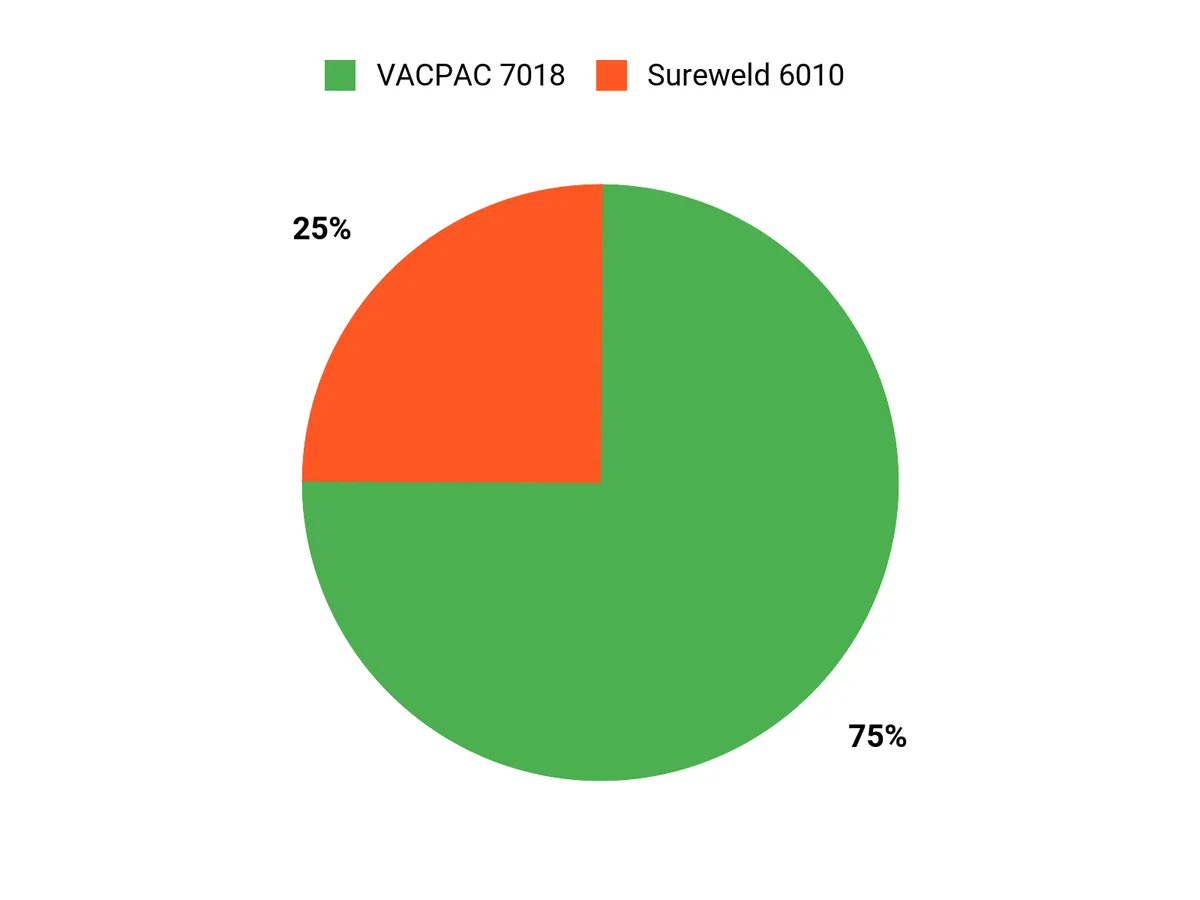
The choice usually comes down to arc type, machine compatibility, diameter, and storage. Sureweld 6010 is the root-pass specialist. VACPAC 7018 is the sealed-package specialist. Atom Arc 7018 is the most practical all-around 7018 in this exact three-product comparison because its listed 3/32-inch size runs at lower current than the 5/32-inch VACPAC listing.
Final Side-by-Side Comparison
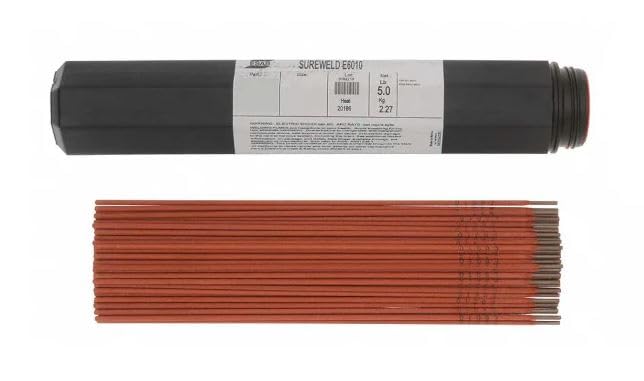
| ESAB Sureweld 6010 Stick Electrodes 3/32" | ESAB 7018-1 Prime VACPAC 5/32" Electrode | ESAB Atom Arc 7018 Stick Electrodes 3/32" | |
|---|---|---|---|
 |
 |
 |
|
| Best Use | Root passes and deep penetration | Sealed low-hydrogen storage and E7018-1 requirements | All-position low-hydrogen shop and fabrication work |
| Classification | E6010 | E7018-1 H4R / E7018 H4R | E7018 H4R |
| Listed Pack Size | 5 lbs | 4 lbs | 10 lbs |
| Diameter | 3/32" | 5/32" | 3/32" |
| Current and Range | DC+; 60–80 A | AC/DC+; 110–200 A; 65 V minimum AC OCV | AC/DC+; 70–110 A |
| Buyer Note | Confirm the welder runs E6010 well | Inspect the seal and confirm pack quantity | Use controlled dry storage after opening |
| Check Price on Amazon | Check Current Amazon Availability | Check Price on Amazon |
Conclusion
Choose Sureweld 6010 when an approved job calls for a DC-positive, deep-digging E6010 root electrode. Choose ESAB 7018-1 Prime VACPAC when sealed low-hydrogen packaging and the E7018-1 H4R classification justify the larger 5/32-inch size and higher current. Choose Atom Arc 7018 when you want a documented 3/32-inch, all-position E7018 H4R for general fabrication and procedure-controlled repair work. The right rod is the one your machine, base metal, joint, storage plan, and WPS all support.
Sources
- ESAB Sureweld 6010 product page — classification, polarity, amperage, properties, package sizes, and product numbers.
- ESAB 7018-1 Prime product page — E7018-1 H4R classification, AC/DC-positive current, minimum AC OCV, amperage, and ordering data.
- ESAB Atom Arc 7018 product page — E7018 H4R classification, positions, current type, amperage, and package details.
- ESAB storage and reconditioning guide — manufacturer-specific handling for Sureweld and Atom Arc electrodes.
- OSHA 29 CFR 1910.252 — fire prevention, eye protection, protective clothing, ventilation, confined-space, and container precautions.
- NIOSH welding fumes and manganese guidance — welding-fume exposure and ventilation context.
This roundup is reader-supported. As an Amazon Associate, we may earn a referral commission from qualifying purchases when you click through our links.