Disclosure: As an Amazon Associate, we earn from qualifying purchases. If you click a link on this page and make a purchase, we may receive a small commission at no extra cost to you.
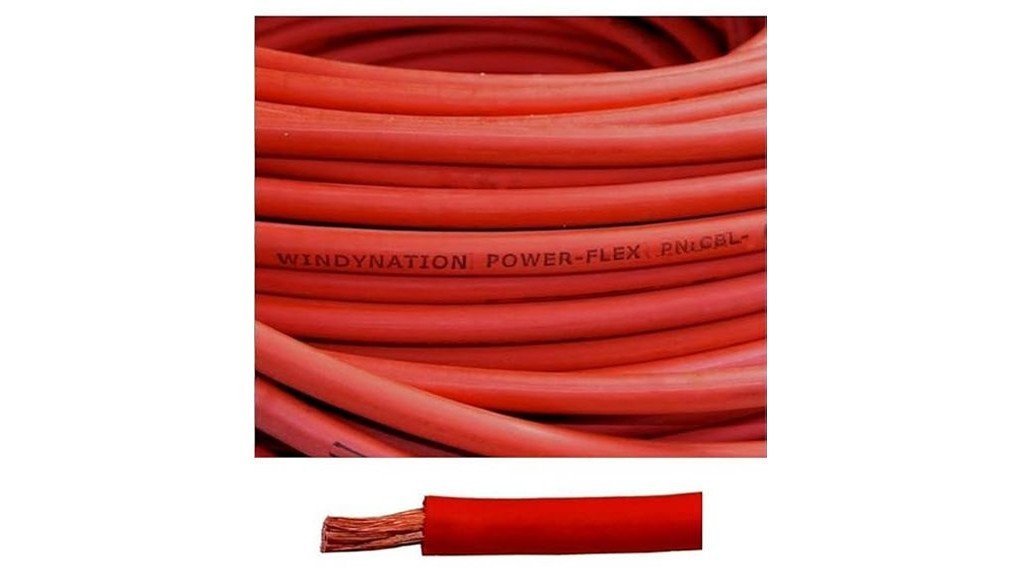
Choosing the wrong battery cable can lead to voltage drop, stiff routing, weak connections, or insulation wear in demanding setups. The WindyNation 6 AWG Battery Cable is built for buyers who need a flexible copper cable for automotive, RV, solar, marine-adjacent, or general DC power projects. This review looks at its article-supported specs, practical strengths, limitations, and setup considerations so you can decide if it fits your system. Its biggest strength is the combination of pure copper construction and EPDM insulation, but you still need to confirm the correct gauge, length, terminals, and current requirements before installing it.
Quick Verdict
Rating: Recommended with caveats, 8.4/10
Best For: DIY battery cable runs, RV power setups, solar battery banks, and automotive projects that need flexible 6 AWG copper cable.
Bottom Line: The WindyNation 6 AWG Battery Cable is a strong choice when you want pure copper conductors, flexible routing, and a tough EPDM jacket. It is not a complete plug-and-play wiring kit, so you still need the right terminals, crimping tools, fuse protection, and installation plan.
| Specification | Detail |
|---|---|
| Brand | WindyNation |
| Product type | 6 AWG battery cable |
| Cable length | 25 feet, based on the original article |
| Conductor material | Pure copper |
| Insulation | High-grade EPDM jacket |
| Voltage rating | Up to 600 volts |
| Temperature range | -50°C to +105°C, based on the original article |
| Resistance notes | Article states protection against moisture, abrasions, and oil-based solvents |
| Supported standards stated | SAE J1127, IEC, and RoHS are claimed in the source article |
| Best use | Automotive, RV, solar, battery-bank, and general low-voltage power wiring projects where 6 AWG cable is appropriate |
Key Takeaways
- The WindyNation 6 AWG Battery Cable uses pure copper conductors, which helps with reliable power transfer compared with lower-grade conductor materials.
- The EPDM insulation jacket is designed to handle moisture, abrasion, oil exposure, and broad temperature swings.
- The original article supports a 600-volt rating and an operating temperature range of -50°C to +105°C.
- The flexible cable design helps when you need to route wiring through tight vehicle, RV, or solar battery compartments.
- You should confirm amp load, cable length, fuse size, terminal type, and local electrical requirements before installation.
What Is the WindyNation 6 AWG Battery Cable?
The WindyNation 6 AWG Battery Cable is a heavy-duty electrical cable made for power transfer between batteries, inverters, charge controllers, vehicle electrical systems, and other compatible components. The article describes it as a pure copper cable with EPDM insulation, a 600-volt rating, and a temperature range from -50°C to +105°C.
This is not a finished cable assembly unless the specific listing variant includes connectors. You should treat it as raw or bulk cable that may need cutting, stripping, crimping, heat shrink, and properly sized lugs. That makes it better for buyers who want to build custom cable runs instead of using a pre-made kit.
Who Should Buy It?
Best For
- DIY users building custom battery cables for vehicles, RVs, trailers, or solar battery banks.
- Buyers who prefer pure copper conductors for efficient power transfer.
- Projects that need flexible cable routing through tight or awkward spaces.
Skip If
- You need a ready-made cable with pre-crimped lugs and no custom installation work.
- Your system requires a different wire gauge, a marine-rated cable, or a specific certified assembly.
- You are not comfortable sizing cables, fuses, and terminals for electrical loads.
Before You Buy: Do not choose 6 AWG cable by guesswork. Check the required amperage, cable length, voltage drop target, fuse protection, and terminal size for your exact setup before ordering.
Product Features and Specifications
The core appeal of this cable is its pure copper construction. Copper matters because battery, inverter, and solar setups often carry meaningful current, and poor conductor material can increase resistance, heat, and voltage drop. For buyers comparing cable options, conductor material should be one of the first details to confirm.
The EPDM insulation jacket adds practical value in vehicle and outdoor-adjacent setups. According to the original article, the jacket helps protect the cable from abrasion, moisture, oil-based solvents, and harsh environmental conditions. That matters when cable runs pass near metal edges, battery boxes, storage compartments, engine areas, or RV utility spaces.
The article also lists a 600-volt rating and a temperature range from -50°C to +105°C. Those specs make the cable more versatile than basic indoor-only wire. You should still follow the equipment manual, electrical code, and fuse-sizing guidance for your system.
Materials and Build Quality
The WindyNation cable uses pure copper conductors, which is the most important build detail in this review. Pure copper usually makes more sense than copper-clad aluminum when you need dependable current flow in battery and inverter systems. It also helps reduce installation uncertainty because many DC power guides assume copper conductors when giving wire-size guidance.
The EPDM jacket gives the cable a durable outer layer. In practice, that means the cable should be better suited to rougher environments than a thin, soft, indoor-style wire. It can still be damaged by sharp edges, heat sources, poor routing, or loose mounting, so installation quality matters.
Fit and Compatibility
This cable is most relevant for systems that specifically call for 6 AWG copper cable. Common use cases include automotive wiring projects, RV battery connections, solar charge systems, inverter leads, and battery-bank wiring. The 25-foot length gives you room to create custom cable runs, but longer runs can increase voltage drop if the current is high.
Compatibility depends on your equipment, not just the cable label. You need to match the cable gauge to the amp load, circuit length, voltage, connection type, and fuse or breaker size. If your inverter, battery charger, or solar controller manual calls for a larger cable, choose the larger size instead of forcing this one into the setup.
Installation and Setup
Because this cable is useful for custom work, installation usually requires the right tools. The original article mentions wire cutters, crimping tools, wrenches, and screwdrivers. Most buyers will also need compatible copper lugs, adhesive-lined heat shrink, cable clamps, and a properly sized fuse or breaker near the power source.
Good installation starts before you cut the cable. Plan the full route, check bend points, avoid sharp metal edges, and keep cable away from moving parts or high-heat areas. A clean route reduces strain on the conductor and jacket, which helps the cable last longer.
Pro Tip: Measure the full cable path with slack for bends before cutting. Then label both cable ends so you do not mix up positive, negative, input, and output runs during installation.
Performance and Usability
In day-to-day use, this cable should appeal most to buyers who need a balance of conductivity and flexibility. The pure copper conductor supports efficient power transfer, while the flexible jacket helps when you need to route the cable around corners, battery trays, or storage compartments.
The 25-foot length gives you flexibility for custom cuts, but it also requires planning. You do not want extra cable coiled near hot components or loose inside a compartment. Cut only after measuring twice, and secure the final run so vibration does not loosen connections over time.
How It Performs in Real Use
For Automotive Battery Projects
For automotive wiring, this cable makes sense when your project calls for 6 AWG copper cable and a flexible jacket. It can work for custom battery leads, auxiliary power wiring, or similar electrical runs. You should protect the circuit with the correct fuse and keep the cable away from exhaust heat, belts, pulleys, and sharp brackets.
For RV Power Systems
RV setups often need cables that can route through compartments and around storage spaces. The WindyNation cable’s flexibility helps here, especially when you are connecting batteries, bus bars, charge controllers, or inverter equipment. The main limitation is that RV systems vary widely, so you must follow your equipment manual for cable gauge and overcurrent protection.
For Solar Battery Banks
For solar battery systems, the cable can be useful between compatible low-voltage components when 6 AWG is the correct size. Pure copper construction is a strong advantage because solar and battery circuits can lose performance from avoidable resistance. Confirm polarity, breaker placement, lug size, and controller or inverter recommendations before you connect anything.
For Marine-Adjacent or Outdoor-Adjacent Use
The original article says the cable can be used for marine applications because of its durable construction and corrosion resistance. Treat that claim carefully. For boats or regulated marine installations, confirm whether your project requires specific marine-grade tinned copper cable, boat wiring standards, or professional installation.
Compliance and Safety Standards
The original article states that the cable complies with SAE J1127, IEC, and RoHS standards. Those claims are useful, but you should confirm the exact listing, packaging, or manufacturer documentation before relying on them for a regulated project. Standards can vary by cable type, seller, and product variant.
Battery cable safety depends on the complete circuit. Cable gauge, cable length, terminal quality, crimp strength, fuse placement, and routing all affect safety. A strong cable can still fail if it is undersized, unfused, poorly crimped, or installed against a sharp edge.
Maintenance and Storage
After installation, inspect the cable ends and visible jacket regularly. Look for loose lugs, discoloration, cracked insulation, exposed copper, corrosion near terminals, or signs of rubbing. Any of these issues can reduce performance and create safety concerns.
If you store unused cable, keep it dry, loosely coiled, and away from sharp tools or chemical exposure. Avoid tight bends that could stress the conductor or jacket. For labeled projects, keep a small note with the cable gauge, length, and intended use so future maintenance is easier.
Pros and Cons
Pros
- Pure copper construction supports efficient current flow and reliable power transfer.
- EPDM insulation helps protect against abrasion, moisture, and oil-based exposure.
- Flexible design helps with routing in vehicle, RV, and solar battery compartments.
- 25-foot length gives you room for custom cable runs and multiple shorter cuts.
- Article-supported 600-volt rating and wide temperature range add versatility.
Cons
- Not ideal if you need a pre-terminated plug-and-play cable assembly.
- 6 AWG may be too small or too large depending on your load, voltage, and run length.
- Installation requires proper cutting, crimping, terminal selection, and fuse planning.
Is It Worth the Price?
The WindyNation 6 AWG Battery Cable is worth considering if you want a copper cable for custom battery, RV, automotive, or solar wiring work. It offers strong value for the price when you can use the 25-foot length efficiently and already have the tools or parts needed to finish the cable ends.
It is less attractive if you only need one short finished cable. In that case, a pre-made cable with factory-crimped lugs may save time and reduce installation mistakes. The best value comes from projects where you need custom lengths and want control over terminal selection.
How It Compares to Alternatives
Compared with cheaper copper-clad aluminum cable, the WindyNation pure copper design is the safer pick for buyers who care about conductivity and predictable sizing. Compared with pre-made battery cables, it gives you more flexibility but requires more work and better tools.
If your project is marine-specific, compare it with tinned copper marine battery cable before buying. If your inverter or battery bank calls for heavier wire, compare 4 AWG, 2 AWG, or larger cable sizes instead. The WindyNation 6 AWG cable makes the most sense when your system specifically matches a 6 AWG copper cable requirement.
Frequently Asked Questions
Is the WindyNation 6 AWG Battery Cable pure copper?
Yes, the original article describes it as pure copper battery cable. That matters because pure copper supports efficient power transfer and is easier to size using many standard DC wiring charts.
What is this cable best used for?
It is best for custom automotive, RV, solar, and battery-bank wiring projects where 6 AWG copper cable is the correct size. It is especially useful when you need to cut custom lengths.
Does it come with terminals or lugs?
The source article does not verify included terminals, lugs, or accessories. Check the current listing details before ordering, and plan to buy compatible lugs, heat shrink, and crimping tools if needed.
Can you use it for marine applications?
The original article says it can be used for marine applications, but you should verify the exact requirements for your boat or marine project. Some marine installations may require tinned copper cable or specific marine wiring standards.
What tools do you need for installation?
You may need wire cutters, a cable stripper, a crimping tool, wrenches, screwdrivers, compatible copper lugs, and heat shrink. For battery circuits, you should also plan the correct fuse or breaker placement.
Is 6 AWG cable enough for an inverter?
It depends on inverter size, voltage, current, and cable run length. Always follow the inverter manufacturer’s cable-size chart, because many high-power inverters need larger cable than 6 AWG.
How should you route this cable safely?
Route it away from sharp edges, moving parts, heat sources, and areas where it may be pinched. Secure the cable with proper clamps and protect pass-through points with grommets or abrasion guards.
Who should skip this cable?
Skip it if your setup requires a different gauge, a pre-made cable assembly, or a certified cable type not confirmed by the listing. You should also skip DIY installation if you are unsure how to size and protect a high-current circuit.
The Bottom Line
The WindyNation 6 AWG Battery Cable is a strong choice for buyers who need flexible pure copper cable for custom automotive, RV, solar, or battery-bank projects. Its main strength is the copper conductor and EPDM insulation, while its main limitation is that proper installation depends on your tools, terminals, fuse sizing, and system requirements.
Buy it if your project specifically calls for 6 AWG copper cable and you are comfortable building cable runs correctly. Skip it if you need a finished cable assembly, a different wire gauge, or marine-specific cable documentation that this listing does not clearly confirm.