Disclosure: As an Amazon Associate, we earn from qualifying purchases. If you click a link on this page and make a purchase, we may receive a small commission at no extra cost to you.
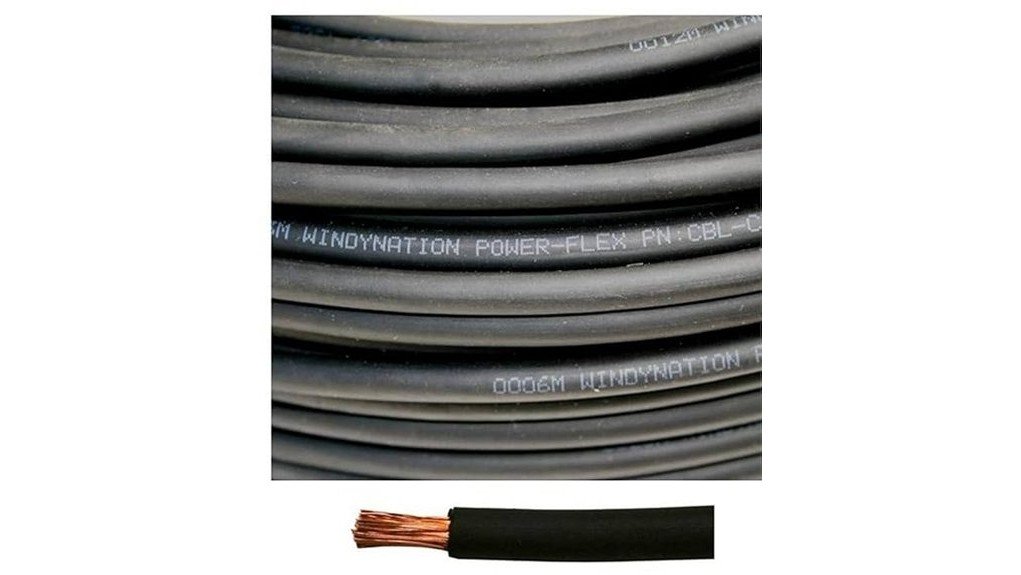
Choosing the wrong cable for a high-current setup can create heat, voltage drop, poor performance, and unsafe connections. The WindyNation Power-Flex 2 Gauge 2 AWG 10 Feet Black Welding Battery Pure Copper Flexible Cable Wire is built for buyers who need a flexible copper cable for automotive, RV, inverter, solar, battery, or welding-related projects. This review helps you decide whether this 10 ft black 2 AWG cable has the right mix of conductivity, insulation strength, flexibility, and installation practicality for your setup. It is a strong choice for demanding low-voltage power runs, but it may be more cable than you need for light-duty wiring.
Quick Verdict
Rating: 8.4/10
Best For: Automotive battery wiring, inverter leads, RV power projects, solar battery banks, and welding cable applications
Bottom Line: This WindyNation Power-Flex cable gives you pure copper construction, EPDM insulation, and a 600V rating in a flexible 2 AWG format. The main tradeoff is that it still needs proper sizing, terminals, crimping tools, and routing space to work safely.
| Specification | Detail |
|---|---|
| Brand | WindyNation |
| Model | 2-AWG-10B |
| Product Type | Power-Flex welding and battery cable |
| Gauge | 2 Gauge / 2 AWG |
| Length and Color | 10 ft black cable |
| Conductor Material | Fully annealed pure copper |
| Insulation | Tough EPDM insulation jacket |
| Voltage Rating | Up to 600V |
| Temperature Rating | -50°C to +105°C (-58°F to +221°F) |
| Compliance Notes | ASTM annealed copper, SAE J1127, IEC compliant, RoHS compliant |
| Manufacturer | WindyNation |
| Package Note | Cable only. Terminals, lugs, heat shrink, fuses, and crimping tools must be matched separately. |
| Best Use | Automotive, RV, solar battery, inverter, welding, and high-current DC wiring projects |
What Is the WindyNation 2 Gauge 2 AWG Cable Wire?
The WindyNation Power-Flex 2 AWG cable is a heavy-duty pure copper cable designed for high-current power transfer. This specific listing is the 10 ft black version, model 2-AWG-10B, which makes it useful for battery grounds, inverter wiring, RV upgrades, car audio power runs, and similar electrical projects.
The cable uses fully annealed pure copper, which helps with conductivity and flexibility. It also uses an EPDM insulation jacket, giving it better resistance to heat, moisture, abrasion, and oil-based exposure than basic low-cost wiring jackets.
You should treat this cable as a component, not a complete wiring kit. It does not replace proper lugs, terminals, fuses, heat shrink, protective loom, or correct wire sizing for your actual current draw and cable length.
Who Should Buy It?
Best For
- DIY installers building battery, inverter, RV, or solar wiring runs
- Car audio users who need a thick copper power or ground cable
- Welding or shop users who want flexible cable with a 600V rating
- Buyers who prefer pure copper over copper-clad aluminum for DC power work
Skip If
- You need a complete cable assembly with pre-crimped lugs already installed
- Your project requires a different gauge, length, or insulation color
- You are working on standard household branch wiring that requires code-specific building wire
Key Features That Matter in Real Use
Pure Copper Conductivity
The main reason to choose this cable is its fully annealed pure copper conductor. Copper offers strong conductivity for high-current DC applications, which helps reduce voltage drop when you size and install the cable correctly.
This matters most in battery and inverter setups because small losses can affect performance. It also helps in car audio and RV power systems where stable voltage delivery can make the system more reliable under load.
Flexible Power-Flex Construction
WindyNation describes this as a flexible Power-Flex welding and battery cable. The flexible design helps when you need to route cable around battery trays, under seats, through an RV compartment, or into an inverter bay.
Flexibility does not mean you can force the cable into sharp bends. You still need enough space for smooth routing, strain relief, and safe clearance from heat, pinch points, and moving parts.
EPDM Insulation Protection
The EPDM jacket is a major strength for this type of cable. It is made for tougher environments than basic indoor wiring, especially where heat, oil-based solvents, water moisture, abrasion, or vibration may be present.
This makes the cable more practical for automotive and outdoor-adjacent electrical work. You should still add loom, grommets, clamps, or conduit where the cable passes through metal, rough panels, or exposed compartments.
600V and Wide Temperature Rating
The cable is rated up to 600 volts and has a temperature rating of -50°C to +105°C. That range gives you more flexibility across cold-start environments, hot engine bays, garage use, and power equipment setups.
The rating does not mean every installation is automatically safe. Your actual setup still depends on current draw, cable length, terminal quality, fuse placement, ventilation, and local electrical requirements.
Fit, Compatibility, and Installation Notes
This is a 2 AWG cable, so it is thick compared with common small automotive or household wires. Before buying, check whether your battery terminals, inverter lugs, fuse block, distribution block, breaker, or connector ports can accept 2 AWG cable.
You also need the right lug hole size for your studs. A cable can be the correct gauge and still fail to fit if the terminal ring, connector opening, or crimp barrel size is wrong.
Before You Buy: This is bare 10 ft cable, not a finished battery cable assembly. Plan for compatible 2 AWG lugs, heat shrink, proper crimping tools, fuse protection, and enough routing space before you order.
How It Performs in Real Use
For Automotive Battery and Ground Runs
In automotive projects, this cable makes sense for battery relocation, heavy ground upgrades, alternator-related wiring, and high-current accessory runs. The black insulation works especially well for ground cables, but you should label both ends clearly if you use it in a mixed wiring setup.
For Solar Battery Banks and Inverters
For solar and inverter installations, the 600V rating and flexible copper construction are useful. The cable can work well between batteries, bus bars, inverters, and charge equipment when the gauge matches your system design.
You should size the cable based on amperage, distance, voltage drop, and equipment manual requirements. Do not choose 2 AWG only because it looks heavy-duty.
For RV and Marine-Style Power Projects
RV and mobile power systems often need cable that can handle vibration and tight routing. The flexible EPDM jacket helps here, but you should still protect the cable from rubbing against metal edges, frame members, or compartment doors.
For Welding and Shop Use
The cable is rated as dual use for welding or battery installation applications. For welding leads, match the cable size to your welder output, total circuit length, and duty cycle instead of assuming one gauge fits every machine.
Setup Tips Before First Use
- Measure the full route first: Include bends, service loops, fuse placement, and strain relief points before cutting.
- Use the right lugs: Match the lug barrel to 2 AWG cable and the ring hole to the stud size on your battery, inverter, fuse, or bus bar.
- Crimp correctly: Use a proper crimping tool for large-gauge cable. Weak crimps create resistance and heat.
- Protect exposed runs: Add loom, grommets, clamps, or conduit where the cable crosses sharp edges or high-vibration areas.
- Fuse near the power source: Follow your equipment manual and electrical safety practices for fuse or breaker placement.
Pro Tip: Buy your cable, lugs, heat shrink, fuse holder, and crimping method as one planned system. A premium copper cable cannot make up for loose terminals or missing circuit protection.
Compatibility and Safety
This cable is best for high-current low-voltage and welding-related projects where pure copper and flexible insulation matter. It is not a substitute for code-approved building wire in household wall circuits, and it should not be installed in a home electrical system unless the application, wire type, and local code allow it.
For vehicles, RVs, boats, solar setups, and welding equipment, always follow the equipment manual. When a project involves high current, batteries, inverters, or confined spaces, a qualified installer can help prevent undersized wiring, poor grounding, short circuits, and overheating.
Pros and Cons
Pros
- Pure copper conductor supports strong current flow when sized correctly
- Flexible Power-Flex design makes routing easier than stiff cable types
- EPDM insulation adds protection against heat, moisture, abrasion, and oil-based exposure
- 600V rating suits many demanding power and welding-related applications
- 10 ft black variant works well for ground leads and custom cable runs
Cons
- Does not include pre-installed terminals, lugs, heat shrink, or fuse hardware
- 2 AWG thickness may not fit every conduit, connector, or factory wiring channel
- Requires correct crimping and circuit protection for safe high-current use
Need a flexible 2 AWG copper cable for your project?
Is It Worth the Price?
This WindyNation cable is worth considering if you want pure copper, flexible insulation, and verified high-current cable specifications instead of a cheaper copper-clad aluminum option. It offers strong value for buyers building custom battery, inverter, RV, solar, car audio, or welding cable runs.
The best value comes when you already understand your cable size, route, and terminal needs. If you still need lugs, heat shrink, crimping tools, fuses, or a finished cable assembly, include those extra parts in your total project cost.
It is not the cheapest path for low-power projects. For small lights, basic accessories, or short low-current runs, a smaller gauge cable may be easier to install and more cost-effective.
How It Compares to Alternatives
Compared with copper-clad aluminum cable, this pure copper WindyNation cable is the better fit for demanding DC applications where conductivity and connection stability matter. Compared with pre-made battery cables, it gives you more flexibility because you can cut and terminate it for your exact route.
If you want a ready-to-install battery cable with lugs already attached, a pre-assembled 2 AWG cable may be simpler. If you want a custom-length cable for a specific inverter, battery bank, vehicle, or welding setup, this bare cable makes more sense.
Frequently Asked Questions
Is this WindyNation 2 AWG cable pure copper?
Yes. The listing describes the cable as fully annealed pure copper. That makes it better suited to high-current DC work than copper-clad aluminum when both are the same gauge.
Can this cable be used for car audio systems?
Yes, it can work for high-power car audio power or ground runs when 2 AWG matches your amplifier and system requirements. You still need proper fusing, safe routing, and compatible terminals.
Is it good for solar battery and inverter wiring?
It can be a good fit for solar battery banks and inverter connections when your system calls for 2 AWG cable. Check your inverter, battery, charge controller, fuse, and bus bar requirements before installation.
Does it come with lugs or ring terminals?
This listing is for cable, not a complete pre-terminated cable assembly. You should plan to buy compatible 2 AWG lugs, heat shrink, and the right crimping tool separately.
Can I use this cable for household wiring?
Do not treat this as a general replacement for household building wire. Household wiring must follow local electrical code, approved wire types, correct breakers, and proper installation methods.
What does the EPDM insulation help with?
EPDM insulation helps the cable stay flexible and protected in tougher environments. It is useful around heat, moisture, abrasion, vibration, and oil-based exposure, but you should still protect the cable from sharp edges.
Is 10 feet enough cable for most projects?
It depends on your route. Measure the full path, including bends, slack, fuse placement, and strain relief, before you buy. For longer runs, you may need a different length or a larger gauge depending on voltage drop.
Who should skip this cable?
Skip it if you need a plug-and-play cable with terminals already attached, a lighter wire for small accessories, or code-specific wire for household circuits. It is best for custom high-current cable work.
The Bottom Line
The WindyNation Power-Flex 2 Gauge 2 AWG 10 ft black copper cable is a smart buy if you need flexible, pure copper cable for automotive, RV, solar, inverter, battery, or welding-related wiring. Its biggest strengths are conductivity, EPDM insulation, and a 600V rating, while its biggest limitation is that it requires proper terminals, crimping, routing, and circuit protection. Skip it if you need a finished cable assembly or a smaller wire for light-duty work.