
Disclosure: As an Amazon Associate, we earn from qualifying purchases. If you click a link on this page and make a purchase, we may receive a small commission at no extra cost to you.
Welding sparks and hot spatter can damage a workbench, floor, nearby equipment, or other surfaces before you have time to react. The WISAUTO Welding Blanket is designed to create a heat-resistant barrier using thick carbon-fiber material that can be positioned around a hot-work area. Its main strengths are its 6 mm construction and stated radiant-heat resistance up to 2000°F, but that rating should not be treated as permission for unlimited direct flame exposure. This review explains where the blanket makes sense, how to position it, and what you should check before ordering.
Quick Verdict
Rating: 8.2/10
Best For: Welders, fabricators, DIY metalworkers, and plumbers who need a thick barrier against sparks, spatter, slag, and radiant heat.
Bottom Line: The WISAUTO blanket combines a thick carbon-fiber build with strong stated heat resistance and flexible placement around a work area. Its main limitation is that heat ratings do not remove the need for correct positioning, PPE, and normal hot-work fire precautions.
| Specification | Detail |
|---|---|
| Brand | WISAUTO |
| Product Type | Welding and heat-protection blanket |
| Amazon ASIN | B09ZV7LN2F |
| Material | Carbon-fiber fabric/felt |
| Thickness | 6 mm |
| Fabric Weight | 21 oz./sq. yd. |
| Reflective Temperature Rating | 1000°F |
| Radiant Heat Rating | Up to 2000°F |
| Size Options | Multiple sizes are listed, ranging from compact pads to larger blanket formats |
| Protection | Sparks, spatter, slag, radiant heat, and common shop contamination |
| Typical Placement | Floors, benches, equipment, and vertical shielding |
| Service Guarantee | Lifetime service guarantee is stated in available product listings. Confirm current seller terms before purchase. |
What Is the WISAUTO Welding Blanket?
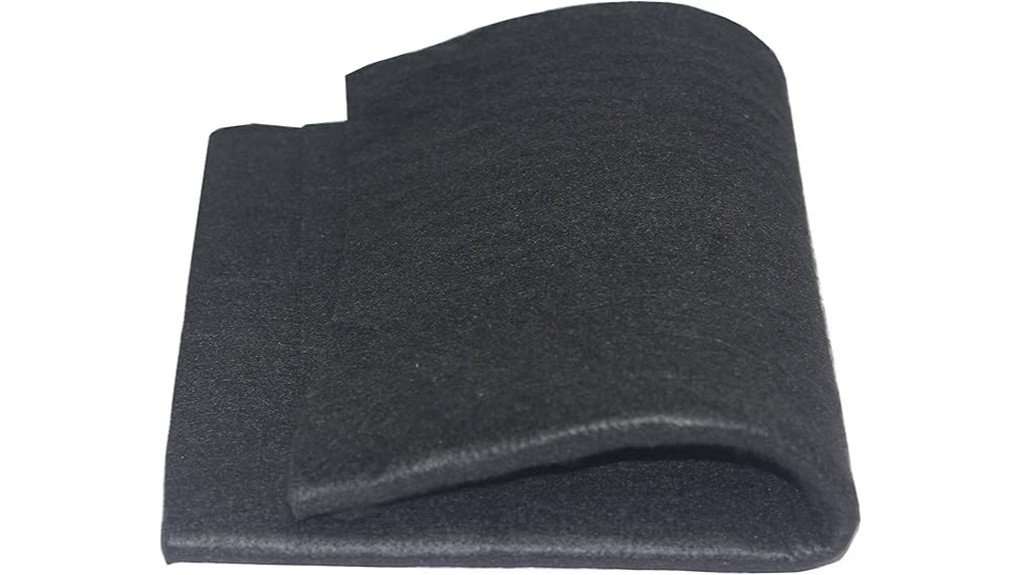
The WISAUTO Welding Blanket is a thick carbon-fiber heat barrier intended for welding, soldering, fabrication, and similar hot-work situations. You can place it over a work surface, drape it over equipment, or position it vertically to help intercept sparks, molten spatter, and slag before they reach nearby surfaces.
The material is listed at 6 mm thick and 21 oz. per square yard. That gives it more substance than a thin spark curtain or lightweight protective sheet. The blanket is also sold in multiple dimensions, so the right choice depends on the size of the zone you need to shield.
Before You Buy: Confirm the exact dimensions shown for the Amazon variant you select. WISAUTO sells this blanket family in several sizes, and a small heat pad is not a substitute for a larger blanket when sparks can travel beyond the immediate weld area.
Key Takeaways
- The blanket uses thick carbon-fiber material designed for welding and other high-heat shop work.
- Its listed reflective temperature rating is 1000°F, with radiant heat resistance up to 2000°F.
- The 6 mm thickness gives you a substantial physical barrier for shielding equipment, floors, benches, and nearby surfaces.
- You can use it horizontally or as a vertical shield when your setup allows secure placement.
- Its usefulness depends heavily on choosing enough coverage and positioning it before hot work starts.
- It supplements normal welding safety measures rather than replacing PPE or fire-prevention practices.
Who Should Buy It?
Best For
- You need a reusable barrier around a welding or soldering area.
- You want to protect benches, floors, tools, equipment, or nearby surfaces from sparks and spatter.
- You prefer a thicker carbon-fiber blanket instead of a lightweight spark shield.
Skip If
- You need a certified enclosure or specialized industrial fire barrier for a regulated application.
- You expect a blanket to make direct, prolonged flame exposure automatically safe.
- The available size cannot cover the full spark and spatter zone around your project.
Build Quality and Materials
The main feature is the carbon-fiber felt construction. At 6 mm thick, the material is designed to create separation between a hot-work process and whatever you are trying to protect. The listed 21 oz./sq. yd. weight also indicates a fairly substantial sheet rather than a thin disposable cover.
Product information also describes the material as resistant to common shop contamination such as oil, chemicals, dirt, grease, and grime. That can be useful in fabrication areas where a protective blanket may be stored or used near tools, machines, and work surfaces.
Thickness has a tradeoff. A heavier blanket can feel more secure when draped over a bench or laid on the floor, but it is less convenient than a thin sheet if you need to fold it tightly into a very small space.
Performance Under Extreme Heat
The WISAUTO blanket is listed with a 1000°F reflective temperature rating and the ability to withstand radiant heat up to 2000°F. Those numbers are useful when comparing heat-shield materials, but they describe specific forms of heat exposure. They should not be read as a guarantee that the material can sit indefinitely in direct flame or against red-hot metal without damage.
For normal welding protection, the more important question is how effectively you can place the blanket between sparks, spatter, slag, and vulnerable surfaces. Its thickness and carbon-fiber construction make it well suited to that barrier role.
Distance also matters. A blanket placed several inches away from a weld and used mainly to intercept sparks is experiencing a different heat load from one positioned directly against a torch or hot component.
How It Performs in Real Use
For Floor and Workbench Protection
Laid flat, the blanket can help keep welding spatter and sparks off a bench, garage floor, machine surface, or another area that you do not want marked. The 6 mm thickness gives you more physical separation than a thin protective film.
Coverage is critical. Choose a size that extends beyond the immediate weld point because sparks rarely land only where you expect them to.
For Vertical Shielding
The blanket can also work as a vertical barrier where your setup provides a safe way to support it. That is useful when you need to protect a wall, machine, cabinet, vehicle component, or nearby workpiece from the side rather than from below.
Make sure the shield is stable before you start. A blanket that shifts during welding can uncover the exact area you intended to protect.
For Soldering and Plumbing Work
Smaller WISAUTO heat-pad sizes can be practical for soldering or plumbing work where you need a heat barrier between a torch area and a nearby surface. The carbon-fiber material and compact formats allow you to place protection close to the work without covering an entire room.
You still need to account for the surrounding materials and the direction of the flame. A heat pad is an added protective layer, not a reason to ignore combustible material nearby.
For Fabrication and General Shop Use
In a fabrication area, you can keep the blanket available for jobs where sparks or slag might reach tools, painted surfaces, equipment, or stored items. Its ability to work as a floor cover, equipment drape, or vertical shield makes it more versatile than a pad designed for only one position.
How to Use It Correctly
Start by identifying the full area that could receive sparks, slag, or spatter. Position the blanket before striking an arc or lighting a torch, and make sure vulnerable surfaces are fully covered rather than barely hidden under the edge.
If you are using the blanket vertically, support it so it cannot slide or fall into the work. Keep it clear of rotating machinery, fans, belts, wheels, and other moving components.
After the job, let the blanket and surrounding work area cool before handling or storing the material. Inspect it for holes, severe thinning, burned-through areas, or other damage before the next use.
Pro Tip: Use a blanket that extends beyond the visible welding point instead of selecting the smallest size that technically covers it. Extra coverage gives stray sparks and spatter less opportunity to reach an exposed surface.
Compatibility and Safety
A welding blanket should be one layer in your hot-work safety setup. You still need the correct welding helmet or eye protection, protective clothing, gloves, ventilation, fire controls, and any workplace procedures required for the job.
Before welding or cutting, check for combustible materials around and behind the work area. Sparks can travel through openings or reach surfaces that are not directly visible from your working position.
Do not interpret a high temperature rating as proof that every use is safe. Heat intensity, duration, distance, flame contact, molten metal, and how the blanket is supported can all affect what happens in practice.
Cleaning and Maintenance
Available product information does not provide enough verified detail to recommend machine washing. Unless the current product label or seller instructions specifically allow it, avoid assuming the blanket belongs in a washing machine.
Once the blanket is completely cool, remove loose shop debris and inspect the surface before storage. Do not keep using a blanket with a burned-through section in a location where that damaged area would be your only heat barrier.
Store it somewhere dry and protected from unnecessary mechanical damage so it is ready when you need it again.
Pros and Cons
Pros
- 6 mm carbon-fiber material provides a substantial protective barrier.
- Listed for 1000°F reflective temperatures and radiant heat up to 2000°F.
- Useful for floors, benches, equipment, and vertical shielding.
- Multiple size options let you match coverage to different jobs.
- Material is also described as resistant to common oil, chemical, dirt, and grease exposure.
Cons
- You must choose enough coverage for the full spark and spatter zone.
- The 2000°F radiant rating should not be confused with unlimited direct-flame tolerance.
- Current machine-washing instructions and exact warranty conditions should be confirmed with the seller.
Is It Worth the Price?
The WISAUTO blanket makes the most sense when you want a reusable, thick heat shield instead of relying on thin disposable protection around welding and soldering jobs. Its value comes from the carbon-fiber material, 6 mm thickness, high stated radiant-heat resistance, and ability to work in several positions.
You get the most value when you can reuse the same blanket for floor protection, bench work, equipment shielding, and other hot-work setups. Buyers who only need a tiny heat pad for occasional light soldering may not need a larger blanket.
Because the product is sold in different sizes, compare the dimensions of the selected Amazon variant rather than judging value from the product name alone.
How It Compares to Alternatives
Fiberglass welding blankets are another common choice and may appeal to you when you want a conventional spark and heat barrier in larger formats. Leather welding blankets can also be worth comparing when durability against spatter and abrasion is a priority.
The WISAUTO option stands out mainly for its thick carbon-fiber felt construction. It is worth considering when you want a flexible barrier that can protect a surface from sparks, slag, spatter, and radiant heat without using a rigid heat shield.
Frequently Asked Questions
Can the WISAUTO Welding Blanket really handle 2000°F?
The product information states that it can withstand radiant heat up to 2000°F, with a reflective temperature rating of 1000°F. Radiant-heat resistance is not the same as guaranteeing unlimited direct contact with a 2000°F flame or hot object.
What is the WISAUTO blanket made from?
It is made from carbon-fiber fabric or felt. The reviewed version is listed at 6 mm thick with a fabric weight of 21 oz. per square yard.
What size WISAUTO Welding Blanket should you buy?
Choose a size that covers more than the immediate weld or soldering point. The WISAUTO blanket family is offered in multiple sizes, so confirm the dimensions of the exact Amazon variant before ordering.
Can you use it as a vertical welding shield?
Yes, vertical shielding is one of the listed applications. Support the blanket securely and make sure it cannot fall into your work or contact moving equipment.
Does a welding blanket replace normal welding PPE?
No. The blanket protects surrounding areas and surfaces, while welding PPE protects you. Continue using the correct eye, face, hand, body, ventilation, and fire-safety measures for your work.
Is the WISAUTO Welding Blanket machine washable?
Verified product information does not clearly establish a machine-washing method. Follow the care instructions supplied with your exact blanket instead of assuming that machine washing is safe for the carbon-fiber material.
Who should skip this welding blanket?
Skip it if the available size cannot adequately cover your hot-work area or if your application requires a specifically certified industrial barrier. You should also choose another solution if your setup needs rigid protection rather than a flexible blanket.
The Bottom Line
The WISAUTO Welding Blanket is worth considering when you need a thick carbon-fiber barrier for welding sparks, spatter, slag, and radiant heat around a bench, floor, machine, or soldering area. Its 6 mm construction and stated heat resistance are strong points, but you still need the correct size, careful placement, PPE, and normal hot-work fire precautions.
If those needs match your workshop, it earns our 8.2/10 editorial rating. If you require a certified industrial enclosure or expect continuous direct-flame exposure, choose a solution designed specifically for that application.
Ready to Buy?
Check the latest product details and confirm the size you need before you decide.


