Disclosure: As an Amazon Associate, we earn from qualifying purchases. If you click a link on this page and make a purchase, we may receive a small commission at no extra cost to you.
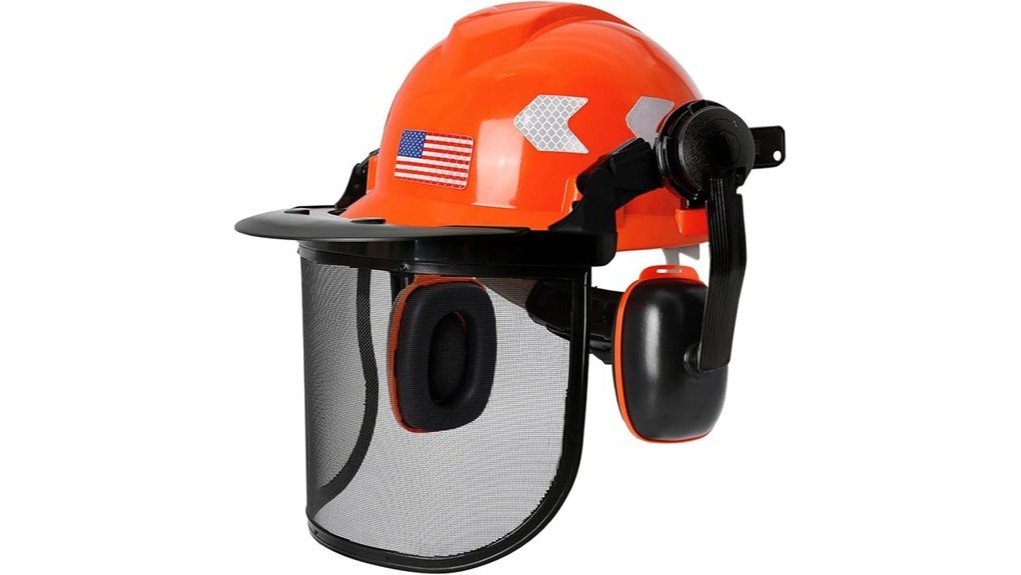
Cutting trees, clearing brush, mowing, and running noisy power tools can expose your head, face, and hearing to several hazards at once. The Aolamegs Chainsaw Helmet with Face Shield and Ear Muffs combines those three areas of protection in one adjustable forestry-style helmet. Its main strengths are a lightweight 650-gram design, a full-face metal mesh shield, helmet-mounted hearing protection, and a wide 52 to 66 cm adjustment range. The main caution is that fit, certification requirements, and accessory needs vary by job, so you should confirm that this exact helmet configuration meets the PPE rules for the work you plan to do.
Quick Verdict
Rating: Recommended with caveats
Best For: Forestry, landscaping, mowing, brush clearing, and other jobs where you want integrated head, face, and hearing protection.
Bottom Line: The Aolamegs helmet gives you a convenient 3-in-1 PPE setup with a lightweight shell, broad size adjustment, mesh face protection, and earmuffs. It is worth considering for general outdoor work, but you should verify that its listed EN standards and exact configuration satisfy your workplace or tool-specific requirements.
| Specification | Detail |
|---|---|
| Brand | Aolamegs |
| Product Type | 3-in-1 forestry/chainsaw safety helmet kit |
| Protection Included | Hard hat, full-face metal mesh shield, and helmet-mounted earmuffs |
| Weight | 650 g |
| Head Size Range | 52–66 cm (20.5–26 inches) |
| Adjustment | Rapid-dial ratchet headband |
| Suspension | 4-point suspension system |
| Face Protection | Full-face metal mesh shield |
| Visibility | High-visibility design |
| Helmet Standard | Listed as meeting EN 397+A1:2012 |
| Face Shield Standard | Listed as meeting EN 1731:2006 |
| Hearing Protection Standard | Listed as meeting EN 352-3:2020 |
| Best Use | Forestry, landscaping, tree cutting, mowing, grinding, and other debris-producing outdoor work when appropriate for the task |
Key Takeaways
- The Aolamegs helmet combines head protection, a metal mesh face shield, and earmuffs in one 3-in-1 setup.
- Its 650 g weight and 4-point suspension are designed to limit fatigue during longer work sessions.
- The rapid-dial headband adjusts from 52 to 66 cm, giving it a wider fit range than many fixed-size safety helmets.
- The helmet, mesh face shield, and hearing protection are listed as meeting EN 397+A1:2012, EN 1731:2006, and EN 352-3:2020 respectively.
- The mesh shield helps block larger flying debris while maintaining airflow and visibility, but you should still follow the eye-protection requirements for your specific tool and task.
What Is the Aolamegs Chainsaw Helmet?
The Aolamegs Chainsaw Helmet is an integrated PPE kit intended for work where falling or flying debris and high noise can occur together. Instead of putting on a separate hard hat, face screen, and earmuffs, you get all three mounted as one system.
The design is especially relevant to tree cutting, forestry, brush clearing, landscaping, mowing, and some grinding work. At 650 grams, it aims to provide that combined protection without making the helmet unnecessarily heavy. A rapid-dial ratchet adjusts the headband between 52 and 66 cm, while the 4-point suspension helps spread the helmet’s weight around your head.
The main selling point is convenience. You can keep your primary head, face, and hearing PPE together instead of managing several loose pieces of equipment. The tradeoff is that an integrated system only works well when every component fits your needs, so certification, fit, eye protection, and hearing requirements should all be checked before you depend on it for a specific job.
Who Should Buy It?
Best For
- Homeowners and landowners who regularly cut branches, clear brush, mow, or process firewood.
- Forestry, landscaping, and groundskeeping users who prefer integrated head, face, and hearing protection.
- Buyers who need a broad 52–66 cm adjustment range and want a relatively lightweight 650 g helmet.
Skip If
- Your employer or job site requires a different certification than the EN standards listed for this model.
- You need a sealed clear visor or task-specific eye protection rather than a metal mesh face screen.
- You need guaranteed access to replacement visors, suspension parts, or earmuffs and have not confirmed their availability.
Before You Buy: A mesh face shield is useful for deflecting chips and larger debris, but it should not automatically be treated as a substitute for every form of required eye protection. Check your tool manual, workplace PPE rules, and the helmet instructions before use.
Key Features of the Aolamegs Chainsaw Helmet
3-in-1 Head, Face, and Hearing Protection
The biggest practical advantage is the combined design. The kit brings together a protective helmet, a full-face metal mesh shield, and helmet-mounted hearing protection. That makes preparation simpler when your work involves several hazards at once.
For tree trimming and brush clearing, for example, the mesh shield can help keep wood chips, twigs, and similar debris away from your face. The earmuffs reduce the amount of tool noise reaching your ears, while the helmet provides the primary head-protection component.
Metal Mesh Face Shield
The full-face metal mesh screen is designed to cover a larger area than ordinary safety glasses. Mesh also allows air to pass through, which is useful when you are working outdoors and producing a steady stream of sawdust or vegetation debris.
Its listed EN 1731:2006 compliance relates to mesh eye and face protectors. Still, different tools can require additional eye protection. You should not assume that the mesh screen alone satisfies every grinding, cutting, or industrial PPE requirement.
Helmet-Mounted Hearing Protection
The earmuffs are integrated with the helmet rather than being a separate loose accessory. This can make it easier to keep the hearing protection aligned with the rest of your PPE.
The hearing component is listed as meeting EN 352-3:2020, a standard applying to earmuffs attached to head-protection or face-protection equipment. The product information does not provide enough verified detail here to quote a specific noise-reduction rating, so you should compare the stated protection with the noise level and hearing-protection requirements of your equipment.
Comfort and Design: What to Expect
At a listed weight of 650 grams, the Aolamegs is relatively easy to manage for an integrated helmet, face-screen, and earmuff setup. Lower weight matters during longer sessions because every component sits on your head rather than on a belt or in your hands.
The 4-point suspension system is designed to spread that load instead of concentrating it in one spot. Fit is adjusted with a rapid-dial ratchet headband covering approximately 52 to 66 cm (20.5 to 26 inches).
The high-visibility design is another useful feature for outdoor jobs. It can make your head protection easier for other people to see around equipment, trees, brush, and lower-light work areas. High visibility should still be treated as a supplemental feature rather than a substitute for any required reflective clothing or job-site procedures.
Pro Tip: Set the ratchet so the helmet feels secure before you position the earmuffs and face shield. A helmet that moves when you bend or turn your head can make both the screen and hearing protection harder to keep correctly positioned.
Safety Standards Compliance of the Helmet
The Aolamegs product information lists separate standards for the three primary protective components. That is more useful than a vague claim that the entire kit is simply “safety approved.”
- Helmet: listed as meeting EN 397+A1:2012.
- Metal mesh face shield: listed as meeting EN 1731:2006.
- Helmet-mounted hearing protection: listed as meeting EN 352-3:2020.
Those standards are useful when you need equipment designed around European PPE requirements. However, they do not automatically prove compliance with every employer, country, trade, or job-site rule. If your work requires ANSI, OSHA, CSA, or another specific standard, compare that requirement with the markings and documentation supplied with the exact helmet you receive.
How It Performs in Real Use
Tree Cutting and Firewood Work
This is the most natural use for the 3-in-1 design. When cutting branches or processing wood, you can have head protection, a debris screen, and hearing protection in position at the same time. The mesh screen is particularly useful where chips and sawdust are being thrown toward your face.
Mowing and Brush Clearing
Mowers, trimmers, and brush cutters can throw grass, sticks, stones, and other debris. The wide mesh face screen gives you more facial coverage than glasses alone, while the earmuffs address continuous equipment noise. You should still use any additional eye or body protection required by the equipment manufacturer.
Grinding and Other Power-Tool Tasks
The helmet may also be useful around certain noisy, debris-producing tools, but this is where PPE requirements deserve extra attention. A metal mesh visor and forestry helmet should not be assumed to replace a clear impact-rated visor, safety glasses, respiratory protection, or other task-specific PPE.
Longer Work Sessions
The 650 g weight, ratchet adjustment, and 4-point suspension should make the setup easier to wear for extended jobs than a poorly balanced helmet. Comfort still depends on your head shape, how tightly the earmuffs seal, and how accurately you adjust the suspension.
Fit and Setup Tips Before First Use
- Measure your head first. The stated adjustment range is 52 to 66 cm. Measure around the widest part of your head before ordering if you are close to either end of the range.
- Adjust the suspension before starting work. The shell should feel stable without creating painful pressure points.
- Check the earmuff seal. Hair, glasses, or an incorrect position can interfere with how well earmuffs sit around your ears.
- Lower the mesh shield completely. Confirm that it stays in the intended working position and gives you a clear view before operating equipment.
- Inspect every component. Check the shell, suspension, screen, hinges, and hearing protectors for cracks, deformation, loose parts, or other damage.
- Follow your tool’s PPE instructions. The helmet is one part of a complete safety setup and may need to be combined with safety glasses, chainsaw chaps, gloves, suitable footwear, or other protection.
Applications for Various Users
Forestry and tree-care users get the clearest benefit because the product combines three common forms of above-the-neck PPE. The mesh screen can help with sawdust and branch debris, while the attached earmuffs are convenient around chainsaws and other loud equipment.
Landscapers and groundskeepers may also find the integrated setup useful when switching between mowing, trimming, brush clearing, and similar outdoor jobs. Instead of repeatedly finding separate earmuffs and a face screen, the main components stay together.
Construction and workshop users should be more selective. The helmet can be useful for suitable debris and noise hazards, but you should match its listed standards to the exact work rather than assuming a forestry-style helmet is approved for every industrial environment.
Customer Feedback and What It Suggests
The original review highlighted favorable comments about comfort, visibility, adjustability, and noise reduction. Those are also the areas that matter most when evaluating this type of helmet because protective equipment is less useful if it is uncomfortable enough that you avoid wearing it correctly.
However, live Amazon star ratings and review totals can change, and the exact Amazon listing could not be independently loaded during this editorial review. For that reason, no current star score or review count is quoted here. Your buying decision should focus on fit, applicable standards, component quality, and suitability for your actual work rather than a changing marketplace rating.
Pros and Cons
Pros
- Combines head, face, and hearing protection in one integrated setup.
- 650 g listed weight helps keep the complete system manageable.
- Wide 52–66 cm adjustment range with a rapid-dial ratchet.
- 4-point suspension distributes the helmet’s weight around your head.
- Separate EN standards are listed for the helmet, mesh shield, and hearing protectors.
Cons
- A mesh face shield may not replace required safety glasses or a clear impact-rated visor for some jobs.
- The listed EN certifications may not satisfy workplaces requiring different regional standards.
- Availability of replacement face screens, earmuffs, and other individual parts should be confirmed before purchase.
Cleaning and Maintenance
Regular inspection matters more than cosmetic appearance with safety equipment. Before use, check the helmet shell for cracks or significant damage, make sure the suspension remains secure, and inspect the mesh screen for deformation that could affect coverage or visibility.
For routine cleaning, use a gentle method compatible with the manufacturer’s instructions rather than aggressive solvents or harsh chemicals. Keep the face screen clear of packed sawdust and dirt, and allow damp components to dry before storage.
If the helmet, suspension, shield, or hearing-protection components suffer a significant impact or show damage, follow the manufacturer’s replacement guidance. Do not keep using compromised PPE simply because the damage appears minor from the outside.
Is It Worth the Price?
The Aolamegs makes the most sense from a value standpoint when you specifically want an integrated helmet, mesh screen, and earmuff system. Buying those functions together can be more convenient than storing, transporting, and putting on separate pieces every time you start outdoor work.
Its 650 g design, broad fit range, 4-point suspension, and listed EN standards give you several concrete features to compare with other forestry helmets. That makes it worth considering for homeowners, landscapers, and forestry users who want a straightforward 3-in-1 arrangement.
It is less compelling if your priority is premium replacement-part availability, a different certification system, or specialized eye and face protection. In those situations, spending more on a system designed around your exact professional requirements can offer better long-term value.
How It Compares to Alternatives
The Oregon 563474 Chainsaw Safety Helmet Combination is another integrated helmet, visor, and hearing-protection system worth comparing if you want an established forestry PPE option. The Husqvarna Forest Helmet Technical is also a relevant alternative for buyers who prioritize a modular professional forestry system.
The Aolamegs stands out mainly for its 650 g listed weight and broad 52–66 cm adjustment range. Your best choice should ultimately depend on required certification, fit, visor preference, hearing-protection needs, and access to replacement components rather than brand name alone.
Frequently Asked Questions
What head sizes does the Aolamegs Chainsaw Helmet fit?
The stated adjustment range is 52 to 66 cm, or about 20.5 to 26 inches. A rapid-dial ratchet lets you tighten or loosen the headband within that range.
Does the mesh face shield replace safety glasses?
Not necessarily. The metal mesh shield provides broad facial coverage against suitable flying debris, but some tools and workplaces require additional safety glasses, goggles, or a different type of impact-rated face protection.
Which safety standards are listed for this helmet?
The helmet is listed as meeting EN 397+A1:2012, the mesh face shield EN 1731:2006, and the helmet-mounted hearing protection EN 352-3:2020. Confirm that these standards match the PPE requirements for your country, employer, and task.
Can the face shield be replaced if it gets damaged?
Replacement-part availability could not be reliably verified for the exact Amazon listing. Check the seller or manufacturer for compatible replacement screens before buying if long-term serviceability is important to you.
How should you clean and maintain the helmet?
Keep sawdust and debris off the mesh screen and regularly inspect the shell, suspension, hinges, and earmuffs for damage. Use cleaning methods allowed by the manufacturer’s instructions and avoid harsh chemicals that could affect protective materials.
What warranty does the Aolamegs helmet include?
A dependable warranty period for this exact listing was not available from the verified information used for this review. Check the current Amazon listing or contact the seller before purchase if warranty coverage is important to your decision.
Who should skip this chainsaw helmet?
Skip it if your workplace requires certifications not listed for this configuration, if your head falls outside the 52–66 cm range, or if your work requires specialized sealed eye or face protection. Professional users should match PPE to their employer’s safety program and equipment requirements.
The Bottom Line
The Aolamegs Chainsaw Helmet with Face Shield and Ear Muffs is a practical choice when you want lightweight, integrated head, face, and hearing protection for forestry, landscaping, mowing, and similar outdoor work. Its 650 g weight, 52–66 cm adjustment range, 4-point suspension, and listed EN standards are useful strengths, while its main limitation is that the mesh visor and listed certifications may not satisfy every job or workplace requirement.
It is recommended with caveats for buyers whose PPE requirements match this configuration. Skip it if you need a different certification system, specialized eye protection, or confirmed access to replacement components.
Ready to Buy?
Check the latest product details and confirm the exact helmet configuration before you decide.