Disclosure: As an Amazon Associate, we earn from qualifying purchases. If you click a link on this page and make a purchase, we may receive a small commission at no extra cost to you.
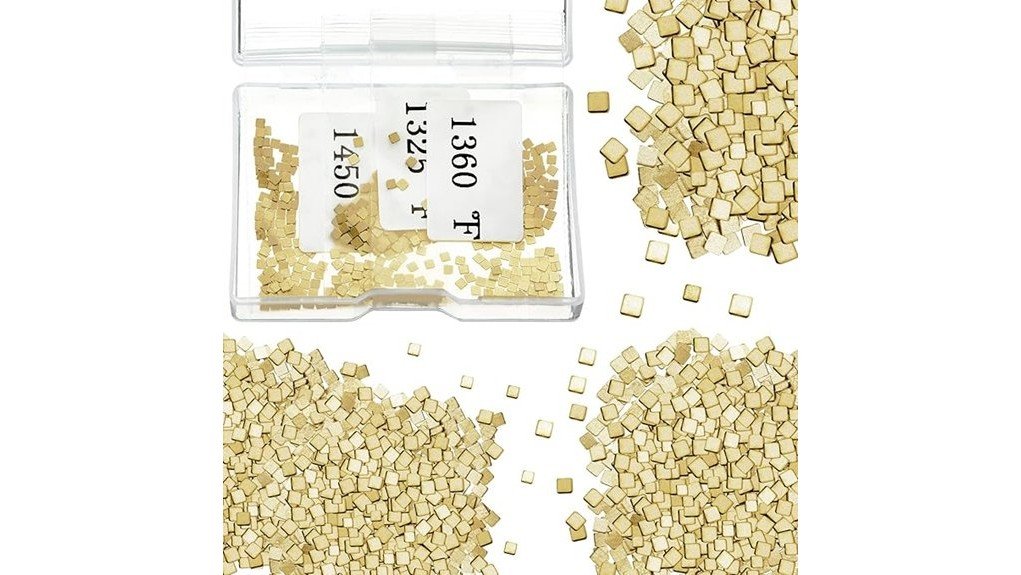
Choosing the right solder matters when you are joining small gold jewelry parts, because the wrong flow point or alloy can leave weak joints, messy seams, or extra cleanup. This 2×2 mm gold solder assortment gives you 150 compact pieces across 65%, 70%, and 75% gold-content options. It is best for jewelry makers who want small, pre-cut pieces for rings, necklaces, bracelets, and detailed repair work. The main strength is control on fine projects, while the main limitation is that the listing details available here do not clearly identify a brand, model, or full alloy composition.
Quick Verdict
Rating: 7.6/10, Recommended with caveats
Best For: jewelry makers who need small solder pieces for gold rings, necklaces, bracelets, and repairs.
Bottom Line: This assortment is useful when you want pre-cut 2×2 mm solder pieces and several gold-content options in one package. Skip it if you need a fully verified branded solder with a detailed alloy sheet, certification, or documented compatibility for non-gold metals.
| Specification | Detail |
|---|---|
| Product type | Gold solder assortment for jewelry work |
| Piece size | 2 x 2 mm pieces |
| Count | 150 pieces |
| Gold-content options | 65%, 70%, and 75% |
| Listed melting points | 1325°F, 1360°F, and 1450°F |
| Primary use | Soldering gold rings, necklaces, bracelets, and small jewelry components |
| Best fit | Fine jewelry repairs, small joints, decorative work, and bench practice |
| Safety note | Use proper heat control, flux, ventilation, eye protection, and a heat-safe work surface. |
What Is the 2×2 mm Gold Solder Assortment?
The 2×2 mm gold solder assortment is a small-piece solder set made for jewelry soldering. It includes 150 pieces, giving you enough material for repeated bench work, small repairs, and multiple design tests without cutting every piece from a larger sheet.
The set includes three gold-content options: 65%, 70%, and 75%. That range gives you more flexibility when you need to match the solder to the job, but you should still confirm the best option for your specific gold alloy before working on valuable pieces.
Before You Buy: The available article details do not confirm a brand, full alloy formula, or certification. For high-value jewelry, test on scrap first or check with a professional jeweler before using it on the final piece.
Who Should Buy It?
Best For
- Jewelry makers who want small, pre-cut solder pieces for precise placement.
- DIY users practicing gold soldering on rings, necklaces, bracelets, or test pieces.
- Bench workers who prefer several gold-content options in one compact assortment.
Skip If
- You need a branded solder with a published alloy chart or technical data sheet.
- You mainly work with silver, copper, brass, or mixed metals instead of gold jewelry.
- You need solder paste, wire solder, or a larger sheet for long seams.
Material Composition and Quality
Material composition affects how solder flows, bonds, and finishes after cleanup. This assortment is listed with 65%, 70%, and 75% gold-content pieces, which gives you three options for different jewelry tasks.
The original product details describe a clean, bright finish and smooth flow when melted. That matters because jewelry soldering often leaves little room for excess filing, sanding, or visible seam cleanup.
You should still treat alloy matching with care. Gold jewelry varies by karat, color, and base metal content, so the best solder choice depends on the piece you are repairing or building.
Size and Versatility
The 2 x 2 mm format is the key selling point of this assortment. Small solder pieces are easier to position near prongs, jump rings, chain links, bracelet joints, and other fine areas where a larger strip can be awkward.
Pre-cut pieces also help you control how much solder reaches the joint. Too much solder can flood a seam and create extra cleanup, while too little can leave a weak connection.
The 150-piece count gives you room to practice. That matters for beginners because heat control, flux placement, and timing can take a few tries before the solder flows neatly.
Applications and Melting Points
This set is best suited for gold jewelry work such as rings, necklaces, bracelets, and small decorative parts. The listed melting points are 1325°F, 1360°F, and 1450°F, giving you multiple flow points for different soldering steps.
That range can help when you need to build a piece in stages. For example, a higher-temperature solder may be used earlier, while a lower-flow option can help with a later joint when you want to reduce the chance of disturbing previous work.
The assortment is also useful for repair practice, especially when you need to learn how close the flame should be, how flux behaves, and how quickly a small chip flows. For valuable jewelry, practice on scrap material first so you do not overheat the final piece.
Pro Tip: Sort the 65%, 70%, and 75% pieces into clearly labeled containers before you start. Small solder chips look similar on the bench, and mixing them can lead to the wrong flow point during a repair.
How It Performs in Real Use
For Ring Repairs
The compact 2 x 2 mm size works well when you need a small amount of solder on a ring shank, setting, or decorative joint. You can place one chip at the seam instead of trimming a larger piece during the repair.
For Necklaces and Bracelets
Chains, links, and bracelet parts often need controlled solder placement. These small pieces can help reduce overflow, but you still need tweezers, flux, and steady heat control to avoid excess solder around the joint.
For Practice Projects
The 150-piece count makes the set useful for bench practice. You can test the listed melting points, compare how the three gold-content options behave, and build confidence before working on finished jewelry.
For Multi-Step Jewelry Work
The different melting points give you more control when a project has more than one joint. This does not replace careful planning, but it gives you more flexibility than a single solder option.
How to Use It Correctly
Start by cleaning the joint area so the solder can flow where you want it. Dirt, oil, and oxidation can block flow and leave a weak or messy bond.
Apply flux, place the solder chip with tweezers, then heat the surrounding metal evenly. Do not point the hottest flame directly at the chip for too long, because the solder should flow into a heated joint, not ball up in one spot.
Use the smallest amount that can complete the seam. You can add more solder if needed, but removing flooded solder from a delicate jewelry detail takes more time.
Safety and Material Notes
Gold soldering uses high heat, so basic bench safety matters. Wear eye protection, use ventilation, keep flammable materials away from the torch area, and work on a soldering block or another heat-safe surface.
You should also use proper tools such as tweezers, flux, a torch suited to jewelry work, and a quenching setup when appropriate. Follow the product instructions, your torch manual, and standard jewelry safety practices.
Because the full alloy formula is not confirmed here, avoid using this solder on unknown metals without testing. Mixed-metal pieces can react differently under heat and may need a different solder type.
Pros and Cons
Pros
- 150-piece count gives you enough chips for practice and multiple small repairs.
- 2 x 2 mm size helps with controlled placement on fine jewelry joints.
- Three gold-content options give you more flexibility than a single solder type.
- Listed melting points support staged jewelry work when used with proper technique.
- Compact pieces reduce the need to cut every solder portion by hand.
Cons
- Brand, model, and full alloy details are not confirmed in the available product information.
- Not the best choice if you need solder for silver, copper, brass, or general mixed-metal work.
- Small pieces need careful sorting and handling so you do not mix the three options.
Is It Worth the Price?
This gold solder assortment is worth considering if you want many small pieces for jewelry bench work and you prefer pre-cut chips over cutting every piece yourself. The value comes from the 150-piece count, the compact size, and the three gold-content options.
It makes the most sense for hobbyists and jewelry makers who already have soldering tools and understand heat control. It is not the best fit if you need a fully documented professional solder system with a clear brand, technical sheet, or guaranteed compatibility for a specific alloy.
How It Compares to Alternatives
Compared with gold solder wire, these pre-cut chips are easier to place in tiny joints, but wire can be better when you want to cut custom lengths. Compared with sheet solder, this assortment saves prep time, while sheet solder gives you more control over chip size.
Solder paste may be easier for some very small placements, but paste behaves differently and can be messier if you apply too much. This 2×2 mm assortment makes the most sense when you want simple, solid solder chips for gold jewelry work.
Frequently Asked Questions
What is this gold solder assortment best used for?
It is best used for small gold jewelry work, including rings, necklaces, bracelets, and minor repairs. The 2 x 2 mm size helps when you need controlled solder placement on small joints.
How many pieces are included?
The assortment includes 150 pieces. That count gives you enough chips for practice, several small repairs, and sorting by gold-content option.
What gold percentages are included?
The product details list 65%, 70%, and 75% gold-content options. Keep each type separated and labeled so you choose the right piece for the job.
What are the listed melting points?
The listed melting points are 1325°F, 1360°F, and 1450°F. Use proper heat control and test on scrap before using any solder on valuable jewelry.
Can you use it with silver, copper, or brass?
This assortment is primarily described for gold jewelry. If you work with silver, copper, brass, or mixed metals, choose a solder made for that metal or test compatibility before using it on the final piece.
Is it beginner-friendly?
It can work for beginners who already have basic soldering tools and practice on scrap first. The small chip size helps with placement, but torch control and flux use still require practice.
How should you store the solder pieces?
Store the pieces in a dry, labeled container away from moisture and bench dust. Separate the three gold-content options so you do not mix pieces with different flow points.
Who should skip this assortment?
Skip it if you need a fully verified branded solder, a published technical sheet, or solder for non-gold metals. It may also be less convenient if you prefer paste or wire for your soldering style.
The Bottom Line
The 2×2 mm gold solder assortment is a practical choice if you want small chips, 150 total pieces, and several gold-content options for jewelry work. It is best for gold rings, necklaces, bracelets, and practice repairs, but you should skip it if you need a fully documented branded solder or confirmed compatibility with other metals.