You want a high torque angle grinder that cuts faster, holds speed under load, and gives you better control on tough jobs. The right grinder can handle cutting, grinding, and surface prep across metal, stone, masonry, and concrete without feeling underpowered.
Picking the right model saves time, reduces frustration, and helps you get cleaner results whether you’re renovating a patio, dressing stone, cutting rebar, or sharpening tools in the garage.
This roundup is reader-supported. When you click through qualifying links, we may earn a referral commission at no extra cost to you.
Top Picks
|
Category |
Product |
Score |
|---|---|---|
|
🏆 Best Corded Pick for Stone |
88/100 |
|
|
🎯 Best Cordless Pick for Tight Spaces |
86/100 |
|
|
🚀 Best Premium Pick for Concrete |
93/100 |
Quick Verdict
If you want steady corded power for stone, marble, and general metalwork, start with the Metabo WEV15. If you need a lighter cordless grinder for tight spots and quick jobsite cuts, choose the Metabo HPT 18V. If concrete grinding, coating removal, and dust control are your main concerns, the Metabo RSEV is the most specialized option.
How We Picked These Grinders
You need a grinder that matches the job and your working style, so we prioritized core factors that affect everyday performance. We looked at motor torque and wattage because those influence cutting power and load handling, and at speed range and variable-speed control for versatility across materials. Build quality, cooling, and durability came next because a stronger motor and robust gearing can reduce downtime.
Safety and dust control features were also important. Guards, clutch systems, anti-restart protection, side handles, vibration reduction, and dust-extraction features can make a grinder easier to control when used with the right wheel and personal protective equipment. Finally, ergonomics, weight, power source, accessories, and warranty terms helped separate tools for heavy shop work from tools better suited to occasional DIY or mobile jobs.
You get a compact corded grinder built for demanding work on stone, marble, and general-purpose metal jobs. The 13.5 amp motor and variable-speed range help you dial in the right pace for finishing, cutting, or aggressive material removal. The electronics package helps keep speed steady under load and adds protections that reduce motor stress, while the tool-free guard and safety clutch make wheel changes, guard positioning, and stall situations less stressful.
If you want a rugged shop tool that prioritizes consistent cutting performance over cordless portability, this is a strong pick for repetitive, demanding tasks.
What People Say
Buyer feedback commonly highlights the power, variable speed control, and smooth cutting feel compared with cheaper grinders. The safety clutch and tool-free guard are useful upgrades, while some users mention long-term reliability or parts consistency as points to check before heavy daily use. Overall, it reads like a step up for shop work, especially when you want a corded grinder that holds speed under load.
Overall Sentiment: Positive

|
Pros |
Cons |
|---|---|
|
✅ Strong 1,550W motor and high torque for tough materials |
❌ Heavier than many cordless alternatives for prolonged handheld use |
|
✅ Variable speed and speed stabilization for more controlled work |
❌ Some buyer feedback mentions reliability or parts consistency concerns |
|
✅ Tool-free quick-positioning guard |
❌ Corded design limits mobility compared with battery grinders |
|
✅ Electronic protections and safety clutch add control |
When It Helps
|
Situation |
How It Helps |
|---|---|
|
Stone and Marble Prep |
The high-torque motor and stable speed help you grind and dress stone with fewer slowdowns, giving cleaner and more consistent surface work. |
|
Shop-Based Metalwork |
Being corded means you can run longer sessions without battery swaps, so repetitive cutting and grinding stays productive. |
|
Controlled Renovation Cuts |
Speed control and electronic protections make it easier to avoid overcutting and reduce the chance of stalls when working near finished surfaces. |
|
Occasional DIY Projects |
You get professional-style power and safety features for tougher home jobs, as long as you do not need cordless portability. |
Problem Solving
This grinder solves the common problem of underpowered tools that bog down on dense materials. The sustained torque and electronic speed control help you finish cuts and grinding passes more consistently.
Who Should Buy This
Buy it if you mostly work near an outlet and want a corded grinder for stone, metal, shop fabrication, and longer sessions where steady speed matters.
Who Should Avoid This
Skip it if you need a light cordless tool for ladder work, remote jobsites, or short cuts scattered across a large area.
Key Benefits
- Consistent power and speed under load
- Tool-free guard for quick position changes
- Safety clutch and electronics for added control
- Corded runtime for longer shop sessions
Best Fit: Corded stone, marble, and metal grinding where steady speed and safety electronics matter more than cordless freedom.
Check Product Details on Amazon
You get a lightweight cordless grinder that feels like a practical shop companion when mobility matters. It delivers a high-speed 9,000 RPM setup for rebar, tile, light concrete, and quick metal work without dragging a cord around the job. The soft grip and compact body also make awkward angles less of a pain.
The slide lock helps during extended cuts, and the battery indicator helps you plan charges. If you want cordless convenience for a mix of trades and DIY jobs, this is a handy, easy-to-handle choice, especially if you already own compatible Metabo HPT batteries.
What People Say
Customers often highlight the tool’s solid power and compact feel, noting that it handles a useful range of tasks for its size. Many users appreciate the battery-platform convenience and comfort features, while battery runtime and the lack of an electronic brake are trade-offs to consider. Overall, the feedback leans toward reliable portable performance for shorter jobs.
Overall Sentiment: Positive

|
Pros |
Cons |
|---|---|
|
✅ Cordless freedom and compact design |
❌ No electronic brake compared with some rivals |
|
✅ High-speed performance for demanding short cuts |
❌ Battery life can limit long continuous jobs |
|
✅ Soft grip and lighter feel help reduce fatigue |
❌ Tool-only option may require separate battery and charger purchases |
|
✅ Battery indicator and anti-restart safety |
When It Helps
|
Situation |
How It Helps |
|---|---|
|
Tight Access Work |
Its compact head and lower weight help you maneuver in cramped spots where a corded grinder would be awkward. |
|
Jobsite Mobility |
Being cordless means you can move between stations without hunting for an outlet, speeding up small, scattered tasks. |
|
Light Concrete and Metal Cutting |
The 9,000 RPM setup gives you enough bite to cut rebar, trim anchors, and score concrete for short runs when paired with the correct wheel. |
|
Extended Handheld Use |
The soft grip and balanced feel can reduce hand fatigue during repetitive small jobs. |
Problem Solving
You can sidestep the hassles of cords and awkward setups by using this grinder to reach tight areas and move around a jobsite quickly. Plan for spare batteries if you expect long continuous work.
Who Should Buy This
Buy it if you need a portable angle grinder for tight spaces, quick cuts, punch-list work, or jobs where outlets are inconvenient.
Who Should Avoid This
Skip it if you need all-day grinding power, concrete surface removal, or a grinder with an electronic brake.
Key Benefits
- Cordless mobility for tight spots
- 9,000 RPM performance for quick cuts
- Comfortable soft-grip handling
- Battery charge indicator for job planning
Best Fit: Mobile cutting and grinding where portability matters more than continuous corded runtime.
Check Product Details on Amazon
If you work on floors, patios, coatings, or heavy renovation tasks, this grinder is built to make those jobs cleaner and more controlled. You get a torque-heavy motor and a wide speed range that let you switch from aggressive material removal to more careful finishing, and the dust-control guard can reduce mess when paired with a compatible vacuum system.
The anti-vibration handle and compact renovation-focused form make long sessions easier on your hands. For regular concrete prep or coating removal, this is the most specialized option in the lineup.
What People Say
Buyer feedback highlighted in the article points to build quality, dust-control usefulness, and the included renovation-focused accessories as major positives. Users also tend to value the anti-vibration handle and concrete performance. Because this product appears more specialized than the other two picks, check the current listing carefully for included accessories, warranty terms, and compatibility with your dust extractor.
Overall Sentiment: Positive

|
Pros |
Cons |
|---|---|
|
✅ Dust-control system is useful for indoor renovation when paired with proper extraction |
❌ Heavier and more specialized than simple handheld grinders for light tasks |
|
✅ Anti-vibration handle supports longer, more comfortable use |
❌ Corded design reduces mobility on large sites |
|
✅ Wide speed range helps with concrete prep and finishing control |
❌ More tool than most users need for basic cutting or sharpening |
|
✅ Renovation-focused kit format can reduce accessory guesswork |
When It Helps
|
Situation |
How It Helps |
|---|---|
|
Concrete Surface Prep |
High torque and variable speeds help you remove coatings and level surfaces with better control. |
|
Indoor Renovation |
The dust-control guard and extraction-ready design help control debris when connected to the right vacuum and used with respiratory protection. |
|
Extended Sessions |
The anti-vibration handle and cooling-focused corded design can reduce strain during longer grinding passes. |
Problem Solving
This grinder tackles the problem of messy, slow concrete work by combining dust-control features, sustained torque, and vibration reduction so you can finish larger prep jobs with better control.
Who Should Buy This
Buy it if your main jobs involve concrete surface prep, coating removal, floor renovation, or dust-controlled indoor grinding.
Who Should Avoid This
Skip it if you only need a general grinder for occasional metal cutting, sharpening, or small DIY tasks.
Key Benefits
- Dust-control setup for cleaner renovation work
- Anti-vibration handle helps reduce fatigue
- Wide variable-speed range for concrete and coating work
- Specialized design for surface prep instead of basic cutting only
Best Fit: Concrete renovation, coating removal, and dust-controlled surface prep.
Check Product Details on Amazon
Before You Buy
|
Check This |
Why It Matters |
|---|---|
|
Power source |
Corded models are better for longer sessions. Cordless models are easier to move around but depend on battery runtime. |
|
Wheel size and wheel rating |
Use only discs that match the grinder size, guard, arbor, material, and RPM rating. |
|
Dust control |
Concrete and masonry work can create heavy dust, so look for extraction-ready guards and use proper respiratory protection. |
|
Included accessories |
Tool-only cordless kits may not include batteries or chargers, and concrete kits may vary by included wheel or case. |
|
Current listing details |
Prices, ratings, review counts, warranty terms, and included accessories can change, so confirm the live Amazon listing before ordering. |
FAQ
Corded Or Cordless: Which Is Right?
Choose based on where and how you work. If you do long sessions on stone, concrete, or heavy metal, a corded grinder gives you sustained power, steady speed, and no battery swaps; models like the WEV15 and RSEV are designed for that kind of continuous work. If you move between tight spots or jobsites and value mobility, a cordless model like the Metabo HPT 18V lets you reach awkward angles without hunting for an outlet, though you should plan for battery swaps on longer jobs.
How Important Are Dust Control And Vibration?
They matter a lot for indoor work and comfort. A dustless guard or extraction-ready grinder helps reduce airborne debris and cleanup when connected to a suitable vacuum. Anti-vibration handles or vibration-reduction systems can reduce hand fatigue so you can work longer with better control. If you care about tidy jobs and less strain, prioritize dust control, vibration reduction, and proper protective gear.
What Safety And Maintenance Steps Should I Follow?
Always use the right disc for the material, confirm the disc RPM rating matches the grinder, wear eye, ear, hand, and respiratory protection, and keep a secure two-handed grip with the side handle installed when possible. Check guards before starting, monitor cords and batteries for damage, and keep vents clear to preserve cooling and motor life. Electronic protections such as soft start, overload protection, anti-restart, and torque-limiting clutches can help, but they do not replace safe handling.
Which Grinder Is Best For Concrete?
For concrete surface prep, the Metabo RSEV is the strongest fit in this list because it is built around renovation grinding, dust control, vibration reduction, and variable-speed operation. For short concrete scoring or small cuts, the Metabo HPT 18V can work with the right wheel, but it is not the best choice for long surface-removal jobs.
Which Grinder Is Best For General Metalwork?
The Metabo WEV15 is the best fit here for general shop-based metalwork because it combines corded power, variable speed, and safety electronics. Choose the Metabo HPT 18V instead if portability matters more than continuous runtime.
What Buyers Prefer
You typically choose by matching the tool to the job: sustained power, cooling, and dust control for heavy stone or concrete projects, or cordless mobility and lighter handling for tight spots and quick site work. You’ll also weigh vibration reduction, safety electronics, included accessories, wheel compatibility, and warranty terms. Those practical details usually decide whether you pick a corded workhorse like the WEV15, a portable HPT 18V, or a concrete-focused RSEV.
Wrapping Up
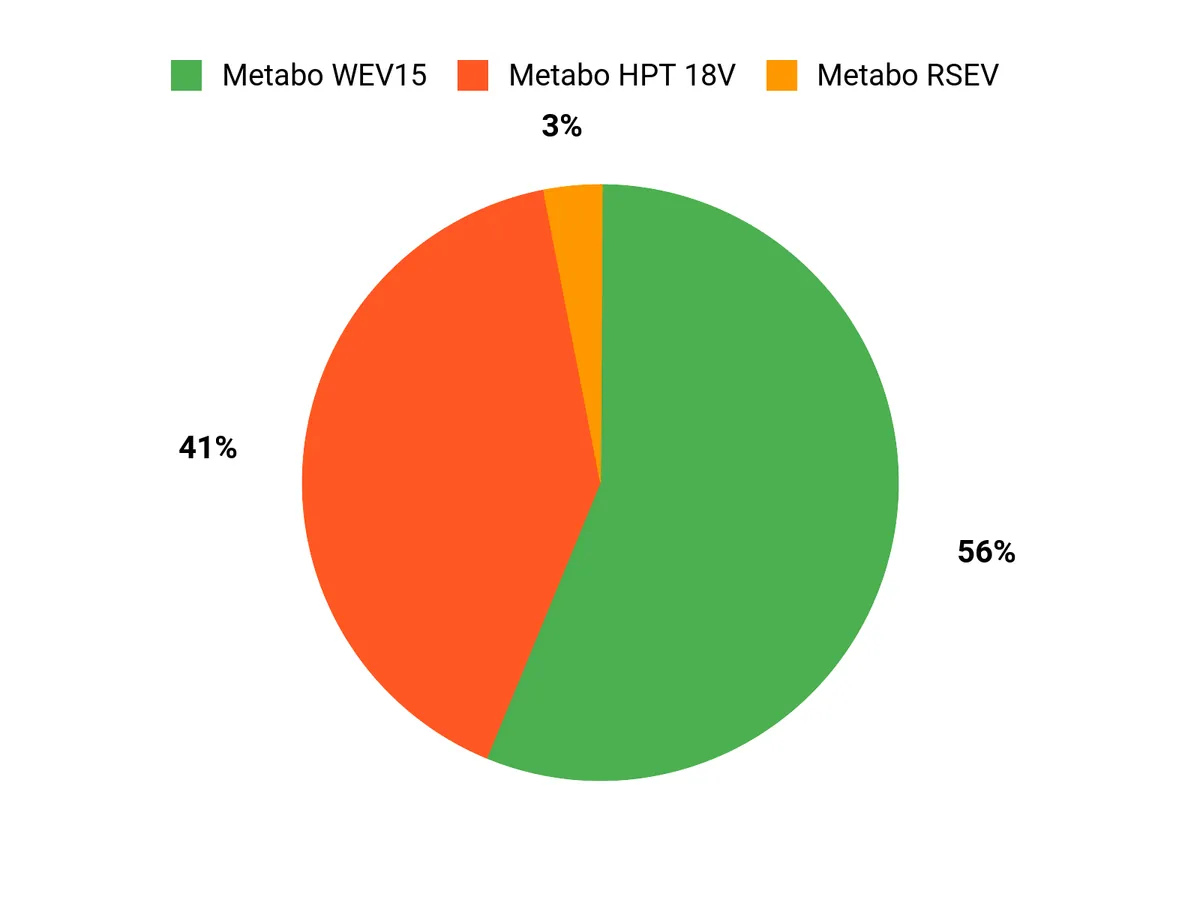
If you work a lot with stone or marble and need a corded grinder with advanced electronics and torque, the Metabo WEV15 gives you a strong motor, speed stabilization, and a safety clutch for consistent results. If portability and tight access matter most, the Metabo HPT 18V is a compact cordless option that trades some continuous runtime for maneuverability and convenience. For heavy concrete renovation and surface prep, the Metabo RSEV is the premium pick thanks to its dust-control setup, anti-vibration handle, and renovation-focused design.
Choose the model that fits the materials you work with and the way you work, then confirm current listing details before you buy. The right grinder should give you cleaner cuts, less fatigue, and fewer interruptions on the job.
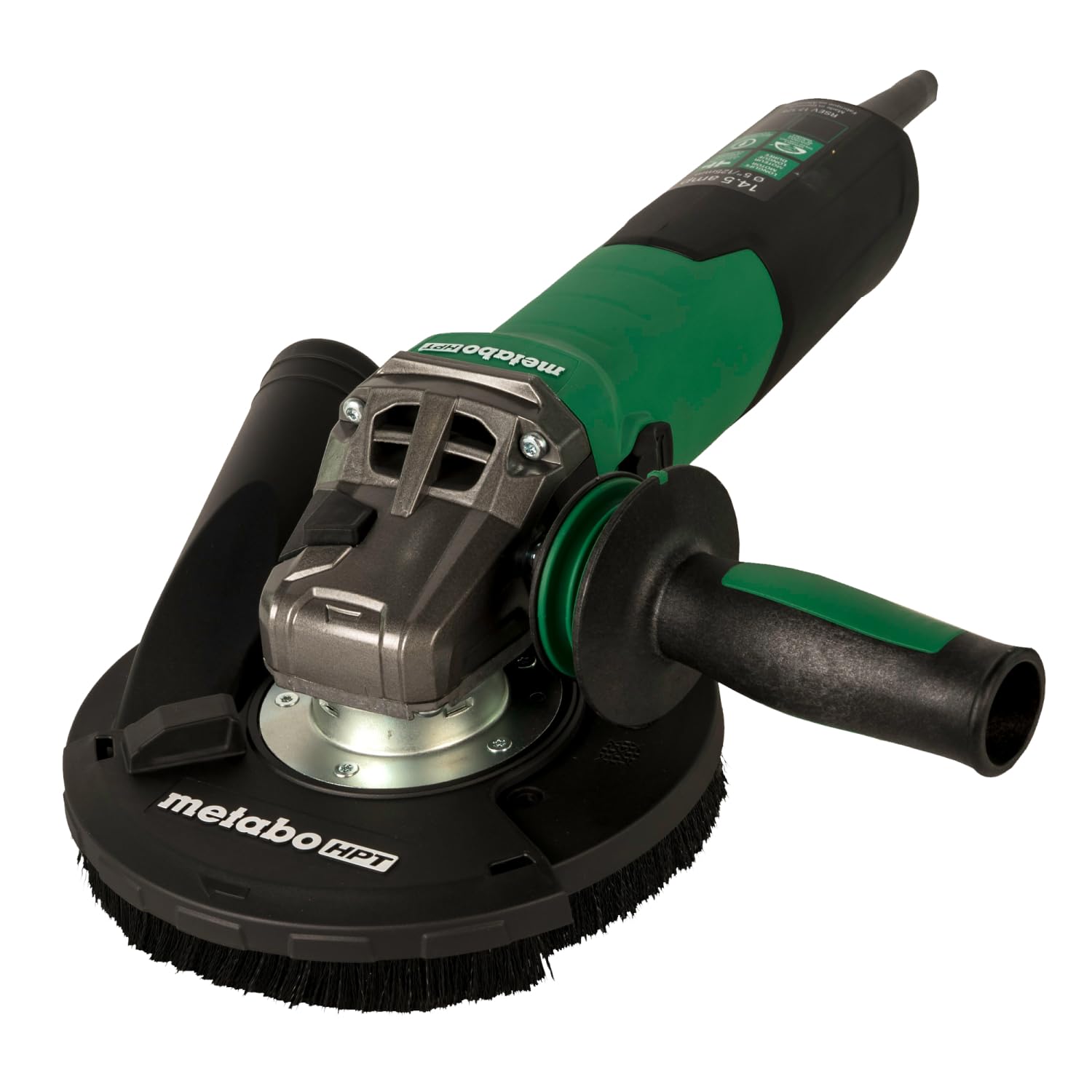
| Metabo WEV15-125 HT Lock-On 13.5 Amp Angle Grinder | Metabo HPT 18V 4-1/2 Inch Power Angle Grinder | Metabo RSEV 17-125 5-Inch Concrete Renovation Grinder | |
|---|---|---|---|
 |
 |
 |
|
| Best For | Stone, marble, and shop-based metalwork | Tight spaces, mobile jobs, and quick cuts | Concrete renovation and coating removal |
| Power Source | Corded Electric | Battery Powered | Corded Electric |
| Maximum Rotational Speed | 9,600 RPM | 9,000 RPM | 9,600 RPM |
| Handling Note | Best when steady corded output matters more than portability | Lightest and easiest to move, but battery runtime matters | Most specialized and heaviest-duty option for surface prep |
| Check Details on Amazon | Check Details on Amazon | Check Details on Amazon |
This Roundup is reader-supported. When you click through links we may earn a referral commission on qualifying purchases.