What’s in This Article
- Understanding the Essential Parts of an Angle Grinder
- How the Guard Protects You During Operation
- The Spindle’s Role in Angle Grinder Functionality
- Angle Grinder Switch Functionality: What You Need to Know?
- Why the Handle Matters for Control and Stability
- How the Motor Powers Your Angle Grinder
- Common Angle Grinder Issues and Solutions
- Tips for Maintaining Your Angle Grinder Parts
- How to Use Angle Grinder Parts Safely
- Frequently Asked Questions
A small grinder can cause a big injury when one part fails or you use it the wrong way. The guard, spindle, switch, handle, and motor each control how safely and smoothly your angle grinder works. This guide explains what each part does, why it matters, and how to keep your grinder ready for cutting, grinding, and cleanup work.
Quick Answer
The main parts of an angle grinder include the guard, spindle, switch, handle, and motor. The guard shields you from sparks and debris, the spindle holds and turns the disc, the switch controls power, the handle helps you guide the tool, and the motor supplies the force.
Key Takeaways
- Use the guard every time because it directs sparks and debris away from you.
- Keep the spindle clean and tight so the disc runs straight.
- Check the switch before each job so you can stop the tool fast.
- Use the side handle for better balance, grip, and control.
- Clean vents and inspect wear parts to help the motor last longer.
Understanding the Essential Parts of an Angle Grinder
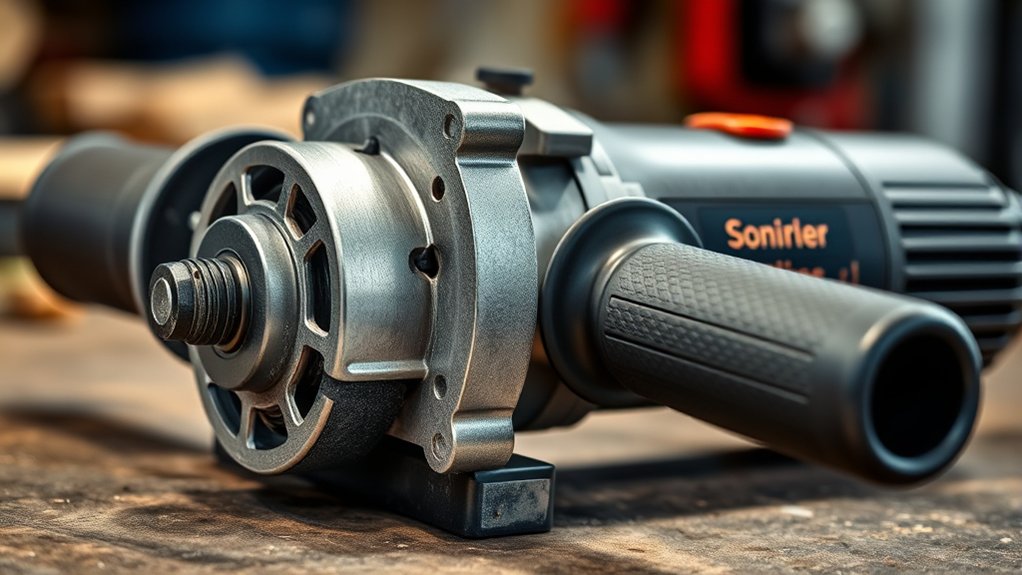
When you use an angle grinder, you need to understand its main parts before you cut, grind, or polish. The guard covers part of the disc and helps block sparks, chips, and broken fragments. The spindle connects the disc to the drive system and helps transfer power from the motor.
The on/off switch controls power, so you can start and stop the grinder when needed. The handle, including the main grip and side handle, gives you control while the disc spins at high speed. The motor converts electrical energy into motion and drives the cutting or grinding disc.
Products Worth Considering

Included: (1) DeWalt N441218 Angle Grinder Guard Replacement for Angle Grinder DCG414B
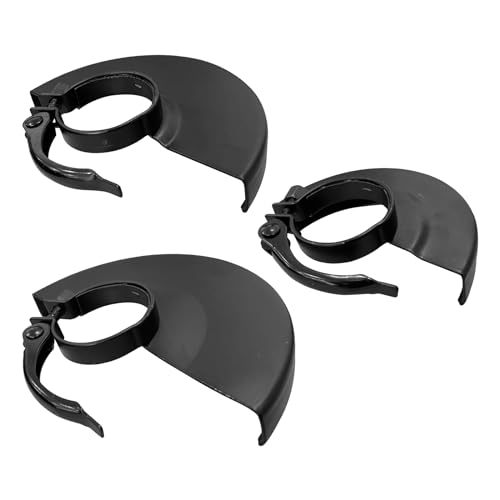
HIGH QUALITY MATERIAL: Angle grinder protective cover is made of iron material with good wear resistance and durability.
How the Guard Protects You During Operation
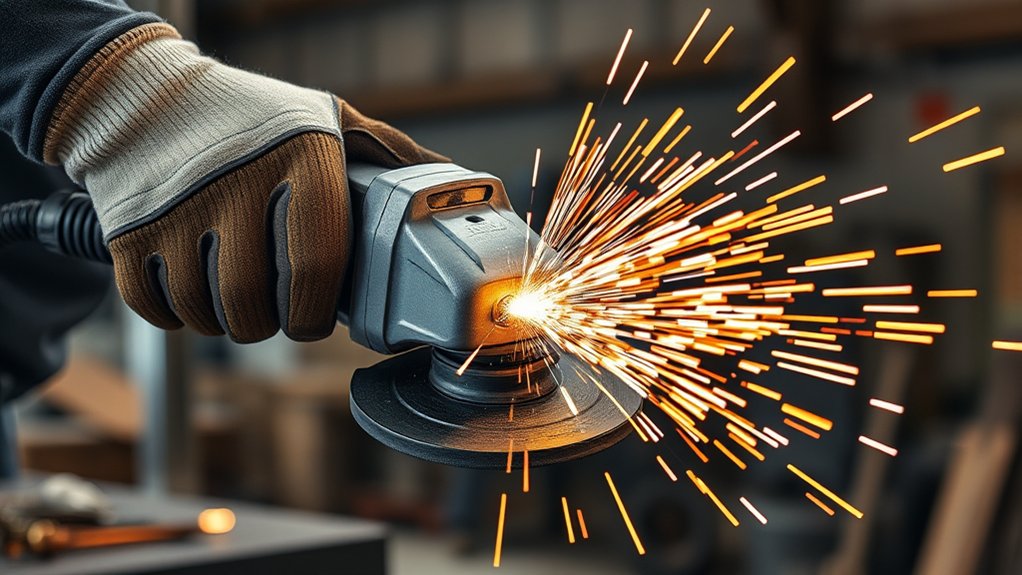
The guard on your angle grinder protects you by covering a large part of the spinning disc. It helps keep sparks, dust, and broken disc pieces away from your face, hands, and body. You need to adjust and secure the guard before you start the tool.
Warning: Never remove the guard to make a cut easier because you lose one of the grinder’s main safety barriers.
Products Worth Considering

Genuine, OEM DeWalt Replacement Part

★This Safety Guard is repalce for 7 inch and 180mm Angle Grinder to DEWALT MAKTIA RYOBI METABO Wheel Guard.
Importance of Blade Coverage
A blade guard adds a shield between you and the grinding or cutting disc. It reduces your risk of contact with the disc and helps redirect sparks away from your body. Many grinders use adjustable guards so you can set the shield for the task and disc size.
Check the guard before each use. Cracks, loose mounts, or poor alignment can reduce its protection. If the guard does not lock firmly in place, stop and repair or replace it before using the grinder.
Preventing Flying Debris
A properly adjusted guard helps control flying debris during cutting and grinding. The semi-circular shield covers part of the spinning disc and deflects sparks, chips, and dust away from you. This matters most when you cut metal, concrete, tile, or masonry.
Match the guard to the disc size and type. A guard that fits poorly can leave too much of the disc exposed. You should also face the guard opening away from your body whenever the job allows.
Enhancing User Safety
The guard works best when you combine it with smart tool habits. Wear safety glasses or a face shield, gloves suited to the task, hearing protection, and a dust mask when dust levels rise. Secure the workpiece so the grinder does not catch or pull loose material toward you.
Many guards use a quick-release or tool-free adjustment system. Use that feature to place the guard in a safer position before the disc touches the material. Replace damaged guards instead of trying to bend them back into shape.
The Spindle’s Role in Angle Grinder Functionality
The spindle plays a critical role in your angle grinder because it holds and rotates the disc. A clean, straight, and secure spindle helps the disc run smoothly. A worn or dirty spindle can cause wobble, vibration, poor cuts, and unsafe operation.
Spindle Mechanics Explained
The spindle, a threaded metal shaft, connects the drive system to the grinding wheel or cutting disc. It must hold the disc firmly so the wheel runs true at high speed. Many grinders include a spindle lock, which keeps the spindle from turning while you change discs.
| Feature | Importance |
|---|---|
| Threaded Metal Shaft | Keeps discs attached securely |
| Disc Compatibility | Helps you match the correct disc and flange setup |
| Motor Connection | Transfers power to the disc |
Keep the spindle free of dust, grit, and metal shavings. Dirt trapped around the spindle or flanges can stop the disc from sitting flat. That can cause wobble as soon as the grinder reaches speed.
Importance of Spindle Maintenance
Spindle care helps protect both the tool and the person using it. Inspect the threads, flange nut, and locking parts for damage during disc changes. If the spindle feels loose or rough, stop using the grinder until you find the cause.
Use the spindle lock only when the disc has stopped moving. Pressing it while the disc spins can damage the lock or spindle. Keep the spindle area clean, and follow your grinder manual for any lubrication guidance.
Angle Grinder Switch Functionality: What You Need to Know?
The angle grinder switch gives you direct control over power. Depending on the model, your grinder may use a paddle switch, slide switch, trigger switch, or lock-on button. You should know how your switch works before you plug in the tool or install the battery.
- Lock button: Some models keep the grinder running during long tasks, which can reduce hand strain.
- Variable speed control dial: Some grinders let you change disc speed for different materials and accessories.
- Soft-start mechanism: Some models bring the motor up to speed gradually, which can improve control at startup.
Check the switch for dust, sticking, or delayed response before use. A switch that does not move freely can create a serious hazard. If the grinder will not shut off right away, unplug it or remove the battery and repair the tool before using it again.
Why the Handle Matters for Control and Stability
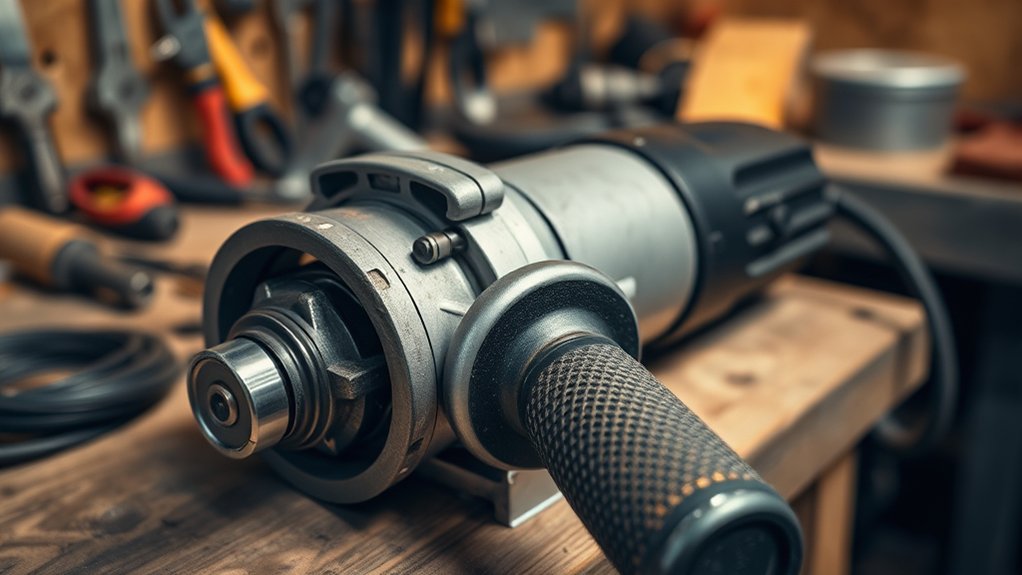
The handle of your angle grinder affects control, comfort, and safety. A firm grip helps you guide the disc through the material without twisting your wrist. The side handle gives you a second point of contact, which helps you manage vibration and kickback.
| Feature | Benefit | Importance |
|---|---|---|
| Ergonomic Design | Reduces strain during use | Improves comfort and control |
| Firm Grip | Helps you resist kickback | Supports safer operation |
| Proper Placement | Improves balance | Increases maneuverability |
Install the side handle on the side that gives you the best control for the cut or grind. Keep both hands on the grinder while the disc spins. A one-handed grip gives you less control and can make kickback harder to manage.
Pro tip: Set the side handle before you start so your wrists stay straight and your body stays out of the spark path.
How the Motor Powers Your Angle Grinder
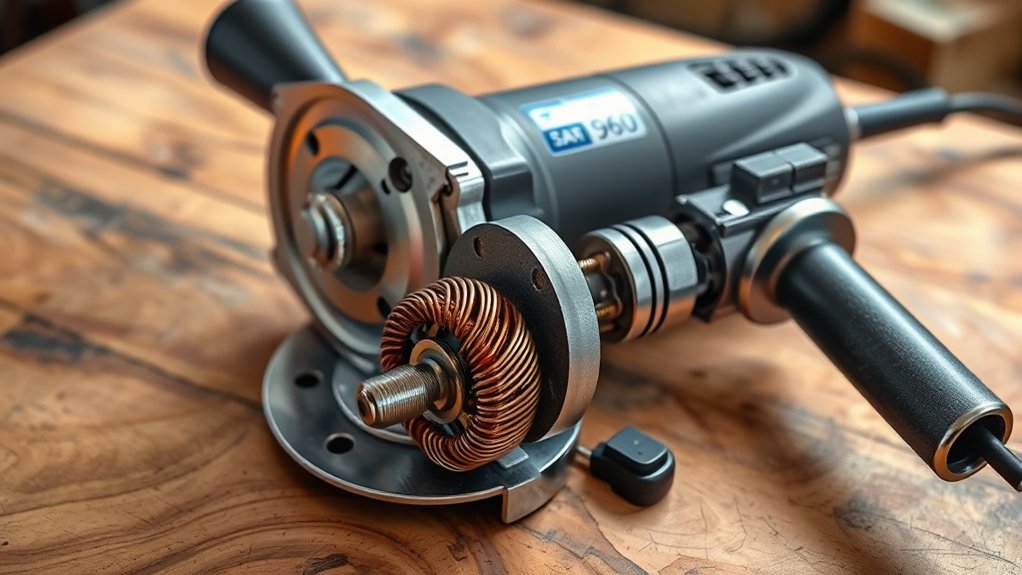
The motor turns electrical energy into the motion that spins the disc. Angle grinder motors vary by size, power, and design, so a small grinder will not perform like a larger heavy-duty model. Corded grinders draw power from an outlet, while cordless grinders use a battery pack.
- The motor drives the spindle, which rotates the cutting or grinding disc.
- Brushless motors in many cordless models can improve efficiency and reduce brush maintenance.
- Regular cleaning helps keep dust from blocking airflow around the motor.
Heat can shorten motor life. Let the tool rest if it feels too hot, slows down, or gives off a burning smell. Clean the vents often, especially after grinding metal, masonry, or concrete.
Common Angle Grinder Issues and Solutions
Even a good angle grinder can develop problems when dust, wear, or loose parts build up. Start with simple checks before you assume the motor has failed. Stop using the grinder right away if you notice smoke, severe vibration, or a cracked disc.
| Issue | Likely Cause | Solution |
|---|---|---|
| Overheating | Blocked vents or heavy load | Clean the vents and let the motor cool. |
| Grinder not spinning | Power problem, worn brushes, or internal fault | Check power, inspect brushes if your model uses them, and service the tool if needed. |
| Wobbling disc | Loose flange nut, dirty flange, or damaged spindle | Remove the disc, clean the flange area, and tighten parts correctly. |
| Unresponsive power switch | Dust, damage, or worn switch parts | Clean around the switch and replace damaged switch parts. |
| Unusual noises or failure to start | Motor, bearing, gear, or wiring problem | Stop using the grinder and have a qualified repair person inspect it. |
Tips for Maintaining Your Angle Grinder Parts
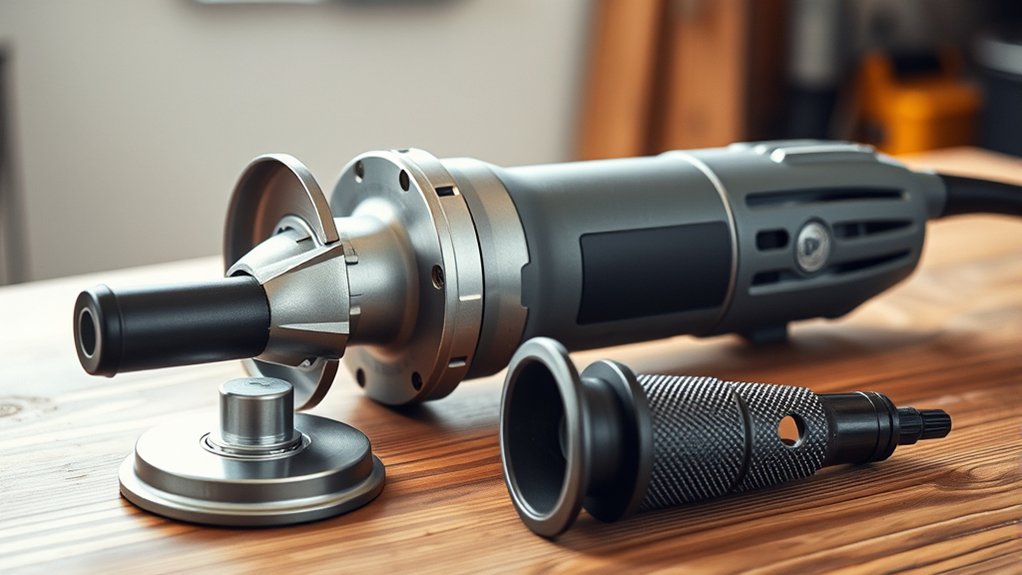
Good maintenance helps your angle grinder run smoothly and last longer. It also helps you catch small issues before they become unsafe. Build a quick check into every job, even if you only plan to make one cut.
Proper maintenance helps your angle grinder perform better and lowers your risk of tool failure.
- Inspect the power cord for cracks, exposed wires, or loose plugs.
- Clean the air vents so heat can leave the motor housing.
- Check carbon brushes when your grinder uses a brushed motor.
- Confirm that the disc sits flat and the flange nut holds it securely.
- Remove dust and grit from the guard, spindle, handle, and switch areas.
Do not overtighten discs or force accessories that do not fit your grinder. Use only discs that match the tool’s size, speed rating, and intended material. Replace cracked, chipped, or soaked discs before they fail during use.
How to Use Angle Grinder Parts Safely
Each angle grinder part supports safer work when you use it the right way. Before you start, inspect the guard, disc, spindle, switch, cord or battery, and side handle. Make sure the disc rating meets or exceeds the grinder’s maximum revolutions per minute (RPM).
Stand to the side of the disc path when you start the grinder. Let the wheel reach full speed before it touches the workpiece. Keep sparks away from flammable materials, and wait for the disc to stop before you set the tool down.
Frequently Asked Questions
What Are the Parts of an Angle Grinder?
An angle grinder includes a guard, spindle, switch, handle, and motor. Many models also include flanges, a flange nut, a gear housing, air vents, and a spindle lock. Each part helps control power, stability, safety, or disc rotation.
Where Does the Guard Go on an Angle Grinder?
The guard mounts near the front of the grinder around part of the disc. Set it so sparks and debris move away from your body. Tighten or lock the guard before you start the tool.
What Is the Spindle Lock Button on an Angle Grinder Used For?
The spindle lock button holds the spindle still while you change discs. Use it only when the disc has stopped moving. Pressing the lock while the disc spins can damage the tool.
Why Are 9-Inch Angle Grinders Sometimes Restricted?
Some worksites restrict 9-inch angle grinders because they can create more kickback and have higher injury risk than smaller models. Rules vary by employer, site, and region. Check your local safety policy before using a large grinder.
Can You Use an Angle Grinder Without the Side Handle?
You should use the side handle whenever the grinder includes one. It gives you better control and helps you manage vibration and kickback. A two-handed grip keeps the tool steadier during cutting and grinding.
Your angle grinder works best when each part does its job: the guard shields, the spindle holds, the switch controls, the handle steadies, and the motor powers the disc. Check these parts before each use, and fix wear or damage before it creates a hazard. With clean parts, the right disc, and steady control, your grinder can cut and grind more safely. Treat maintenance as part of the job, not something you do after a problem starts.
References
- Abrasive Wheel Machinery and Tools — Occupational Safety and Health Administration
- Powered Hand Tools: Grinders — Canadian Centre for Occupational Health and Safety
- Safety in the Use of Abrasive Wheels — Health and Safety Executive