Disclosure: As an Amazon Associate, we earn from qualifying purchases. If you click a link on this page and make a purchase, we may receive a small commission at no extra cost to you.
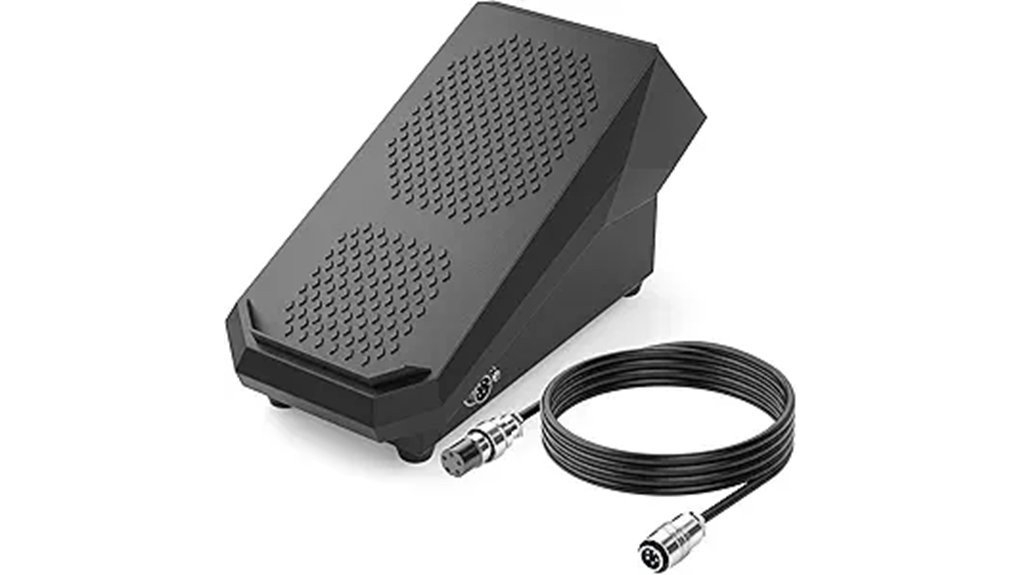
Fine TIG work often comes down to steady heat control, especially when your hands are already busy guiding the torch and filler rod. The ARCCAPTAIN TIG 5-pin Welding Foot Pedal is built to give you foot-controlled amperage adjustment through a 5-pin connection and a 10-foot cable. This review helps you decide whether its range, build, cable length, and ARCCAPTAIN-specific compatibility fit your welding setup. It looks like a strong add-on for compatible ARCCAPTAIN TIG users, but it is not the right choice if your machine uses a different connector or control system.
Quick Verdict
Rating: 8.1/10
Best For: ARCCAPTAIN TIG welder owners who want foot-controlled amperage adjustment for cleaner starts, smoother puddle control, and less hand interruption.
Bottom Line: The ARCCAPTAIN TIG 5-pin Welding Foot Pedal is worth considering if your welder supports this 5-pin pedal and you want a 0 to 200 amp control range with a long cable. The main tradeoff is compatibility, because the article-supported details point to ARCCAPTAIN TIG machines rather than universal TIG welders.
| Specification | Detail |
|---|---|
| Brand | ARCCAPTAIN |
| Product type | TIG welding foot pedal |
| Connector | 5-pin connection |
| Compatibility | Article-supported compatibility is with ARCCAPTAIN TIG machines |
| Cable length | 10 feet |
| Amperage control range | 0 to 200 amps, as stated in the source article |
| Control mechanism | 12-tooth alloy gear for a full potentiometer turn |
| Design | Ergonomic foot pedal shape for hands-free control |
| Build note | Rugged outer casing, according to the source article |
| Best use | Bench TIG welding, precision welds, and longer work sessions where foot control is useful |
What Is the ARCCAPTAIN TIG 5-Pin Welding Foot Pedal?
The ARCCAPTAIN TIG 5-pin Welding Foot Pedal is a foot-operated control accessory for compatible ARCCAPTAIN TIG welders. Instead of reaching for the machine panel during a weld, you use foot pressure to adjust welding current while your hands stay on the torch and filler rod.
The article-supported design centers on three practical details: a 10-foot cable, a 0 to 200 amp adjustment range, and a 12-tooth alloy gear that allows a full potentiometer turn. Those details matter most when you are trying to start gently, control the puddle, reduce heat at the end of a bead, or keep a thin workpiece from getting too hot.
This is not a universal foot pedal based on the available article details. The review should be read as a match-focused buying guide for ARCCAPTAIN TIG users who need a 5-pin pedal.
Before You Buy: Check your TIG welder model, connector shape, and pin count before ordering. A 5-pin pedal made for ARCCAPTAIN TIG machines may not work with other brands or different ARCCAPTAIN control ports.
Who Should Buy It?
Best For
- ARCCAPTAIN TIG owners whose machines support a 5-pin foot pedal connection.
- Welders who want hands-free amperage changes while keeping both hands steady.
- Users working on thin metal, small parts, or welds that need gradual heat changes.
Skip If
- Your TIG welder is not an ARCCAPTAIN model or uses a different connector.
- You prefer torch-mounted amperage control or a hand remote instead of a foot pedal.
- You need verified dimensions, weight, or warranty length before buying.
Fit and Compatibility
Compatibility is the biggest buying factor for this pedal. The source article describes it as specifically compatible with ARCCAPTAIN TIG machines, so you should not assume it will fit Lincoln, Miller, Everlast, PrimeWeld, YesWelder, or other TIG welders unless the seller or manufacturer confirms that match.
The 5-pin connection is also important. Foot pedals are not only about plug shape. The internal wiring, resistance range, and control logic must match the welder. A plug that physically fits can still fail to control amperage correctly if the machine expects a different signal.
Amperage Control and Welding Performance
The key performance claim in the source article is a 0 to 200 amp current adjustment range. For you, that means the pedal can help control heat from low-start work up to higher-output TIG tasks, as long as your welder supports that range and the pedal is installed correctly.
Foot control is helpful because TIG welding often requires quick heat changes. You may add more amperage to establish the puddle, reduce heat when approaching an edge, or taper down near the end of a bead to reduce crater cracking risk. The pedal does not replace good technique, but it gives you a more natural way to adjust heat while welding.
The article also notes a 12-tooth alloy gear that allows a full potentiometer turn. That detail points to a control design focused on smooth pedal travel rather than a harsh on-off feel.
Design, Build Quality, and Cable Reach
The ARCCAPTAIN pedal uses an ergonomic shape designed for foot control during longer sessions. A good pedal should be easy to press in small movements, stay in a comfortable position, and let you make fine adjustments without lifting your foot off the pedal every few seconds.
The rugged outer casing is a useful feature for shop environments where dust, metal offcuts, cables, clamps, and foot traffic are common. You should still treat it as a control device, not as a tool to throw into a welding cart under heavy leads or metal stock.
The 10-foot cable gives you more freedom around a bench, cart, or work table. That length should be enough for many home shop and small fabrication setups, but very large work areas may still need careful cable routing so the cord does not cross a hot workpiece or become a trip hazard.
Setup Tips Before First Use
Before connecting the pedal, turn the welder off and check the product listing, welder manual, or manufacturer guidance for your exact ARCCAPTAIN model. Match the 5-pin connector, confirm that the welder supports foot pedal control, and make sure the cable is not pinched, cut, or sitting near hot metal.
Once connected, start with a safe test on scrap metal. Set the welder for a low-risk test range, press the pedal slowly, and confirm that amperage responds smoothly before using it on a real part. This step helps you catch compatibility problems before you ruin a workpiece.
Pro Tip: Route the 10-foot cable behind your stool or work position before welding. Keeping the cord away from your torch lead, filler rod, and hot work area makes foot control easier and safer.
How It Performs in Real Use
For Bench TIG Welding
On a bench setup, the 10-foot cable is the main comfort feature. It gives you enough reach to place the pedal where your foot naturally rests while your torch lead and ground clamp stay organized around the workpiece.
For Thin Metal and Small Parts
Thin material benefits from controlled heat input. The pedal lets you reduce amperage as the part heats up, which can help limit burn-through and warping when your machine, tungsten, filler, and travel speed are also set correctly.
For Longer Welding Sessions
The ergonomic pedal shape can reduce the need to stop and adjust the welder by hand. That can make repeated beads feel more efficient, especially when you are moving between tack welds, short runs, and heat-sensitive sections.
For Portable Shop Use
The 10-foot cable helps when your welder is on a cart or placed slightly away from the work table. You still need to coil and store the cable carefully after use because any foot pedal can become a weak point if the cord is crushed or repeatedly kinked.
Compatibility and Safety Notes
This pedal is an electrical control accessory, so correct pairing matters. Do not force the connector, modify the plug, or splice the cable unless you have qualified electrical knowledge and the manufacturer supports that repair. A mismatched pedal can cause poor amperage response or no response at all.
Keep the pedal dry, clean, and away from grinding dust when possible. You should also inspect the cable before each session, especially if the pedal is used in a busy shop where cords are stepped on or dragged across the floor.
Pros and Cons
Pros
- Hands-free amperage control keeps both hands focused on torch and filler work.
- 10-foot cable improves reach around a bench, cart, or compact shop setup.
- 0 to 200 amp article-stated range gives useful control for many TIG tasks.
- 12-tooth alloy gear supports a full potentiometer turn for smoother adjustment.
- Rugged casing is better suited to shop use than a light-duty plastic control.
Cons
- Compatibility appears limited to ARCCAPTAIN TIG machines that support this 5-pin pedal.
- Source article does not verify dimensions, weight, or exact warranty length.
- Cable routing matters because a 10-foot cord can become a trip or snag risk in a crowded shop.
Is It Worth the Price?
The ARCCAPTAIN TIG 5-pin Welding Foot Pedal offers strong value for the price if it matches your ARCCAPTAIN TIG welder and you want more control than panel-only adjustment. The best value comes from jobs where you often change heat during the weld, such as thin metal, short beads, corners, and small fabrication work.
It is less compelling if you weld mostly at fixed amperage or if your machine already has a control method you prefer. The compatibility risk is the main reason to check your welder model before treating it as an easy add-on.
How It Compares to Alternatives
Compared with torch-mounted fingertip controls, a foot pedal can feel more natural when you weld seated at a bench and need fine heat changes. Finger controls may be better when you stand, move around a large part, or cannot keep one foot in a stable position.
Compared with generic 5-pin TIG pedals, the ARCCAPTAIN pedal makes the most sense for ARCCAPTAIN TIG users because the article-supported compatibility is brand-specific. If you use another welder brand, compare a confirmed machine-specific pedal before buying this one.
Frequently Asked Questions
Is the ARCCAPTAIN TIG 5-pin Foot Pedal compatible with other welder brands?
Do not assume that it is. The source article supports compatibility with ARCCAPTAIN TIG machines, so other brands should be confirmed with the seller or manufacturer before purchase.
What does the 5-pin connection mean?
It means the pedal connects through a 5-pin control plug. Pin count alone does not guarantee compatibility because the wiring and control signal must also match your welder.
How long is the cable?
The source article states that the pedal has a 10-foot cable. That length is useful for bench work, but you should route it away from hot metal, sharp edges, and walking paths.
What amperage range does it control?
The article states a 0 to 200 amp adjustment range. Your actual usable range also depends on your TIG welder settings and the process limits of your machine.
How is the pedal powered?
The pedal works as a connected control accessory through the welder connection. The source article does not describe it as a battery-powered pedal, so check your welder manual for the correct connection and control setup.
Can the cable be replaced if it is damaged?
The original article mentions replacement options, but it does not verify a specific repair kit or part number. For safety and proper control response, contact ARCCAPTAIN or the seller before repairing or replacing the cable.
Who should skip this TIG foot pedal?
Skip it if your welder does not use the supported ARCCAPTAIN 5-pin pedal connection. You may also prefer a hand control if you weld out of position or cannot keep your foot steady during the weld.
Does it come with a verified warranty?
The source article does not provide a verified warranty length. Check the current Amazon listing or seller information before purchase if warranty coverage is a deciding factor for you.
The Bottom Line
The ARCCAPTAIN TIG 5-pin Welding Foot Pedal is a good buy for compatible ARCCAPTAIN TIG users who want hands-free amperage control, a 10-foot cable, and smoother heat changes during detailed TIG work. Skip it if you cannot confirm the 5-pin compatibility or need verified size, weight, or warranty details before ordering.
Ready to Buy?
Check the latest product details and confirm compatibility with your TIG welder before you decide.