Disclosure: As an Amazon Associate, we earn from qualifying purchases. If you click a link on this page and make a purchase, we may receive a small commission at no extra cost to you.
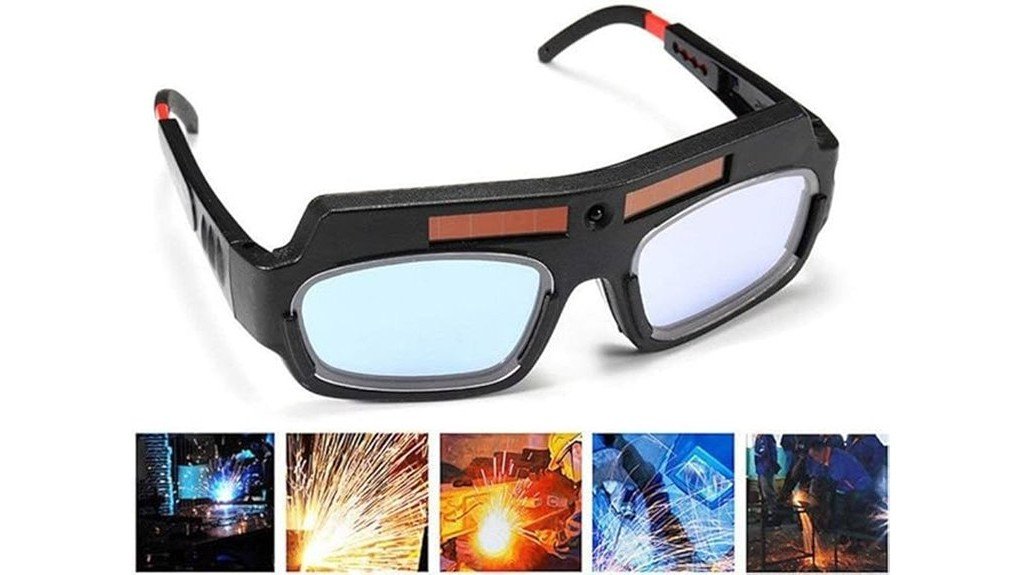
Welding eye protection can feel like a tradeoff between coverage, comfort, and visibility. The Black Solar Auto Darkening Welding Goggles are made for welders who want a lighter option than a full helmet for controlled, light to moderate work. You get an auto-darkening lens, solar-powered operation, UV and infrared protection, and a compact frame with soft rubber contact points. This review helps you decide where these goggles make sense, where they fall short, and when a full welding helmet is still the safer choice.
Quick Verdict
Rating: 7/10, Recommended with caveats
Best For: Hobby welding, light repair work, quick fabrication tasks, and tight spaces where helmet bulk gets in the way
Bottom Line: These goggles are a practical lightweight option if you need basic auto-darkening eye protection with less bulk. The tradeoff is limited face and head coverage, so they should not replace a proper helmet for high-spark, overhead, or industrial welding.
Key Specifications
| Specification | Detail |
|---|---|
| Product Name | Black Solar Auto Darkening Welding Goggles |
| Product Type | Auto-darkening welding goggles |
| Approx. Weight | Approx. 0.5 lb |
| Power Source | Solar-powered |
| Lens Type | Automatic variable light, auto-darkening lens |
| Protection Type | UV and infrared protection |
| Fit System | Adjustable frame with soft rubber padding |
| Best Use | Light to moderate welding, hobby projects, repair work, and tight-space tasks |
| Coverage Note | Eye protection only, not full face or head protection |
| Safety Note | Use only where the shade, coverage, and product instructions match your welding task. |
What Is the Black Solar Auto Darkening Welding Goggles?
The Black Solar Auto Darkening Welding Goggles are compact welding eyewear designed to reduce helmet bulk during lighter jobs. Instead of covering your full face and head, they focus on eye coverage with an auto-darkening lens that changes shade when a welding arc is detected.
The main appeal is convenience. You get a lightweight frame, article-supported UV and infrared protection, and solar-powered operation that reduces the need for frequent battery changes. This makes the goggles most useful for hobby welders, repair users, and mobile work where you need quick visibility changes.
The key limitation is coverage. These goggles protect your eyes, but they do not shield your cheeks, forehead, neck, or full face from sparks and heat. For high-spark work, overhead welding, grinding, or regulated jobsite use, you should compare them with a full welding helmet or other required protective gear.
Who Should Buy It?
Best For
- Hobby welders who want lighter eye protection for controlled, low-debris work
- Repair users who need quick arc visibility without the size of a full helmet
- People working in tight spaces where a helmet can feel bulky or restrictive
Skip If
- You need full-face protection from sparks, heat, slag, or flying debris
- You weld overhead or in industrial environments with stricter PPE requirements
- You need verified shade ratings, safety certifications, or workplace-approved gear
Design and Build Quality
The biggest design advantage is weight. At roughly 0.5 lb, these goggles put less strain on your head and neck than a traditional welding helmet. That matters during short repair tasks, close-up bench work, or any job where you frequently raise and lower your head.
The soft rubber padding helps the goggles sit more comfortably against your face. It can also reduce shifting when you move around a workpiece. Fit still depends on your face shape, head size, and whether you wear other eyewear, so you should adjust them before starting a real weld.
The compact frame also makes storage easier. You can keep them in a small tool bag or mobile repair kit more easily than a helmet. The tradeoff is that the smaller frame cannot give you the same facial coverage or spark protection as a full welding helmet.
Lens Protection and Auto-Darkening Performance
The auto-darkening lens is the main reason to consider these goggles. It lets you position your work more easily before the arc starts, then darkens when the arc is detected. This can make starts and short tack welds feel less clumsy than using fixed-shade eyewear.
The article-supported protection includes UV and infrared coverage. That matters because welding arcs can expose your eyes to intense light energy. Even with that protection, you should still confirm that the product’s shade range and instructions match the welding process you plan to use.
These goggles make the most sense when visibility and mobility matter more than broad coverage. They are less convincing when you need advanced lens controls, a larger viewing area, or a verified workplace safety rating.
Coverage and Safety Limits
Eye protection is not the same as full welding protection. These goggles cover your eyes, but they leave other areas of your face exposed. Sparks, hot particles, and reflected light can still reach skin that a full helmet would normally cover.
For light bench tasks, small repairs, or short controlled welds, the reduced coverage may be acceptable if your process and safety requirements allow it. For heavy fabrication, overhead welding, grinding, cutting, or any job with high debris exposure, a full helmet or additional face protection is the safer route.
Before You Buy: These goggles are eye protection, not a full welding helmet. Check the current product listing, packaging, and manual for shade ratings and safety markings before using them for a specific welding process.
Fit, Comfort, and Adjustment
Goggles need a more precise fit than many helmets because they sit directly on your face. Adjust the frame slowly and check for pressure points around your temples, nose bridge, and cheeks. A stable fit helps the lens stay in the right position when you move.
The soft rubber contact points can improve comfort during longer sessions, especially for hobby and intermittent use. Still, comfort may vary if you wear prescription glasses, a respirator, a cap, or other protective gear at the same time.
If the goggles press too hard, leave gaps, or slide when you look down, do not start welding until you fix the fit. Poor fit can reduce comfort and may also distract you during the job.
How It Performs in Real Use
For Light Welding Tasks
These goggles are best suited to small repairs, light fabrication, and short welds where you want quick visibility changes. The auto-darkening lens helps you line up the work before the arc starts, while the light frame keeps the setup simple.
For Tight Spaces
The compact design is helpful when a full helmet feels bulky. You can move your head more freely around small workpieces, inside tight corners, or near equipment where helmet clearance is limited.
For Extended Hobby Sessions
The low weight and soft padding can reduce fatigue during hobby use. Solar power also helps reduce maintenance because you do not need to think about frequent battery swaps. Comfort still depends on careful adjustment and how long you wear them without breaks.
For Outdoor or Bright Work Areas
Bright outdoor conditions can make any welding lens harder to judge. These goggles may still work well for controlled tasks, but you should test visibility and lens response before starting. Extra face protection may be needed when sparks, wind, or reflected glare become a problem.
Fit Tips Before You Use Them
Start by checking the lens, frame, and padding for damage. Do not use welding eyewear with cracks, loose parts, or a lens that does not darken properly. Test the auto-darkening response in a safe way before beginning your main weld.
Adjust the frame so the goggles sit evenly and do not pinch one side of your face. If you wear prescription glasses, test the fit before welding because the goggles may not sit well over every frame style. You should also make sure your other PPE does not push the goggles out of position.
Pro Tip: Test the auto-darkening response and fit before your first real weld. A quick pre-check can help you catch lens delay, poor seating, or pressure points before sparks are involved.
Is It Worth the Price?
These goggles sit in the budget-friendly safety accessory category. They are worth considering if you need a lightweight, solar-powered option for light welding tasks and do not want the bulk of a full helmet for every small job.
You get the most value if you already understand when goggles are appropriate and when a helmet is required. The auto-darkening lens, soft padding, and low weight make them more useful than basic fixed-shade eyewear for quick work.
They are not the best fit if you need full-face coverage, verified workplace compliance, or advanced helmet features. In those cases, spending more on a proper auto-darkening welding helmet is the smarter choice.
How It Compares to Alternatives
Compared with full welding helmets from brands like Lincoln Electric, Miller, or 3M Speedglas, these goggles are lighter and easier to use in tight spaces. Those helmets usually give you broader face coverage, larger lens options, and more advanced protection features.
Compared with fixed-shade goggles, the auto-darkening lens is more convenient because you can see your work before the arc starts. The Black Solar Auto Darkening Welding Goggles make the most sense if you want mobility and simple eye protection for light work, not maximum coverage.
Pros and Cons
Pros
- Approx. 0.5 lb design helps reduce neck and face fatigue
- Auto-darkening lens improves visibility before arc starts
- Solar-powered operation reduces routine battery maintenance
- Soft rubber padding improves comfort when the fit is adjusted well
- Compact shape works well for tight spaces and quick repair tasks
Cons
- Not a full replacement for a welding helmet in high-spark or industrial work
- Fit comfort may vary with face shape, glasses, or other protective gear
- Safety ratings, shade range, and certification details must be checked before use
Want the Lightweight Goggle Setup?
Check the current product details and confirm the safety information before you buy.
Frequently Asked Questions
Are these goggles safe for welding?
They are designed for welding eye protection and include article-supported UV and infrared protection. You should still confirm the shade rating, safety markings, and product instructions before using them for your specific welding process.
Can they replace a welding helmet?
They may replace a helmet only for lighter tasks where eye-only coverage is suitable. They should not replace a full helmet for high-spark, overhead, cutting, grinding, or industrial welding work.
Do these goggles need batteries?
The article-supported power source is solar power. That helps reduce maintenance, although you should still inspect the lens function before each use.
Can I wear prescription glasses under them?
They may fit over thin prescription glasses, but the fit depends on your frame size and face shape. Test comfort, seal, and stability before welding.
Are they good for tight spaces?
Yes, tight-space work is one of the main reasons to consider them. The compact frame can be easier to position than a bulky helmet, but you still need enough coverage for the job.
What should I check before using them?
Check the lens, frame, padding, and auto-darkening response. Also confirm that the shade rating and safety information match the welding method you plan to use.
Who should skip these goggles?
Skip them if you need full-face protection, verified workplace PPE, or advanced lens controls. A proper welding helmet is a safer choice for heavy fabrication, overhead work, and high-debris environments.
The Bottom Line
The Black Solar Auto Darkening Welding Goggles are a sensible pick if you want lightweight eye protection for light welding, small repairs, or tight-space work. Their main strengths are the auto-darkening lens, solar-powered design, soft rubber padding, and compact 0.5 lb feel.
You should skip them if you need full-face coverage, verified workplace compliance, or protection from heavy sparks and debris. The verdict stays at 7/10 because they offer useful convenience, but only within the right safety limits.