Disclosure: As an Amazon Associate, we earn from qualifying purchases. If you click a link on this page and make a purchase, we may receive a small commission at no extra cost to you.
Choosing a propane forge comes down to heat output, safe setup, and how evenly it warms your metal. The 2 Burner Gas Propane Forge is built for blacksmithing and knife-making work where a single burner may feel too small. Its key article-supported features are a stainless steel body, upgraded double burners, double doors, and ceramic fiber insulation rated up to 2600°F. The tradeoff is that you still need to verify the current seller details and follow propane safety steps every time you use it.
Quick Verdict
Rating: 8.3/10
Best For: Beginner to intermediate blacksmiths who want a two-burner propane forge for knives, small tools, hooks, brackets, and forging practice.
Bottom Line: This forge is worth considering if you want stronger heat coverage than a compact single-burner unit. Skip it if you need fully verified dimensions, a confirmed warranty, or a larger chamber for oversized work.
| Specification | Detail |
|---|---|
| Product type | Two-burner gas propane forge |
| Design | Double-burner forge with double doors |
| Body material | Heavy-duty stainless steel |
| Surface treatment | Plasma-treated surface, based on the source article |
| Insulation | 1400-grade ceramic fiber blanket |
| Maximum temperature claim | Up to 2600°F, as stated in the source article |
| Fuel type | Propane |
| Recommended propane tank | Standard 20-pound propane tank, based on the article guidance |
| Best use | Blacksmithing, knife-making, and small metal shaping projects |
| Safety note | Use with ventilation, check for leaks, keep one door open during high-temperature use, and follow the manual. |
What Is the 2 Burner Gas Propane Forge?
The 2 Burner Gas Propane Forge is a gas-fired forge for heating steel during blacksmithing and knife-making. It uses propane burners instead of coal or electricity, so it gives you fast heat with a simpler learning curve than a traditional solid-fuel forge.
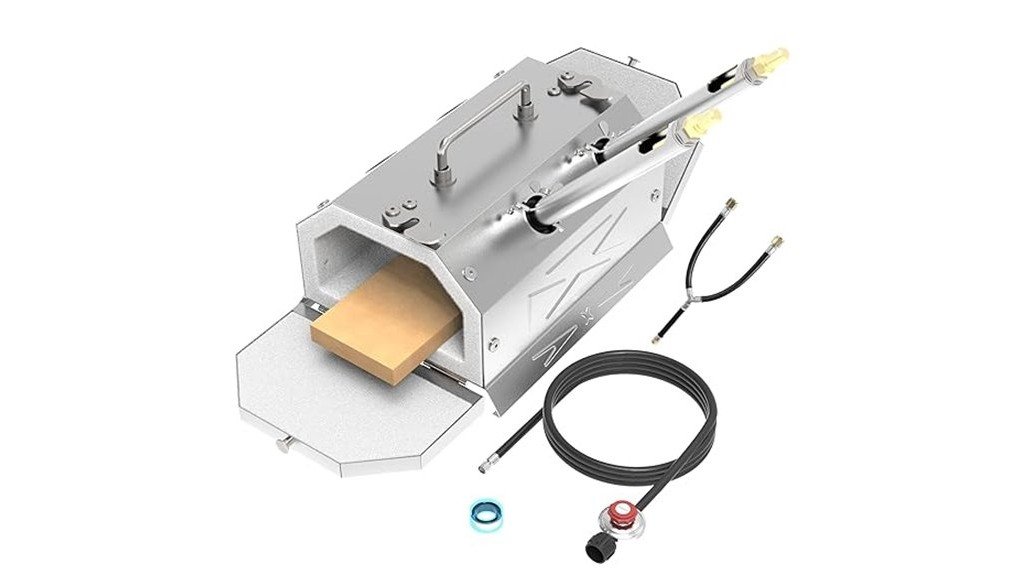
The design centers on two burners, a stainless steel shell, double doors, and ceramic fiber insulation. That makes it more useful than a small single-burner forge when you want a wider heat zone for knife blanks, hooks, brackets, or practice stock.
Key Takeaways
- The stainless steel body gives the forge a tougher outer shell for repeated shop use.
- The two-burner layout helps spread heat across a wider area.
- The 1400-grade ceramic fiber blanket helps retain heat and improve propane efficiency.
- Double doors improve chamber access and can help with airflow.
- Beginners can use it, but only after learning propane setup and safety basics.
Before You Buy: Product pages and accessory bundles can change. Confirm the current dimensions, hose/regulator details, included accessories, and safety instructions on Amazon before you order.
Who Should Buy It?
Best For
- Beginners who want a propane forge for learning basic forging and knife-making.
- Hobby blacksmiths who need two burners for more even heat coverage.
- Users who prefer a stainless steel forge body over a lighter outer shell.
Skip If
- You need verified chamber dimensions before purchase.
- You want a larger three-burner forge for long stock or production work.
- You are not comfortable checking propane fittings, airflow, and ventilation.
Design and Construction Features
The heavy-duty stainless steel body is the forge’s main durability feature. Stainless steel is a sensible shell material for repeated heat cycles, shop dust, and normal handling when the forge is stored correctly.
The double-door layout gives you better chamber access than a closed-end design. It can also help when you pass longer stock through the forge, but one door should remain open during high-temperature use to support airflow.
The article also mentions a plasma surface treatment. That supports the durability claim, but you should still keep the forge dry, clean, and protected from impacts during storage.
Heating Efficiency and Performance
The upgraded double burners are the biggest performance advantage. Two burners can heat a wider chamber area, which helps with knife blanks, small tools, brackets, and practice pieces that need more even heating.
The 1400-grade ceramic fiber blanket helps the chamber hold heat, which can improve propane efficiency and reduce warm-up time. The article states that the insulation can withstand temperatures up to 2600°F, though real working temperature will depend on propane pressure, burner adjustment, airflow, wind, and how much metal is inside the forge.
For most hobby blacksmithing work, the practical benefit of a two-burner forge is more usable heat across the workpiece, not just a higher temperature claim.
Setup Tips Before First Use
Read the manual before connecting the forge to a propane tank. Check the hose, regulator, burner connections, and fittings before each session, and do not light the forge if you smell gas or find damaged parts.
Use the forge on a stable, heat-resistant surface with open space around it. Keep solvents, rags, paper, and other combustibles away from the work area.
Pro Tip: Run a short test session with scrap steel before your first project so you can learn burner response, door position, and airflow behavior without risking a finished piece.
Operational Tips for Safe Use
Safe operation matters as much as heat output. This forge uses propane and reaches very high temperatures, so setup mistakes can affect both performance and safety.
| Tip | What To Do | Why It Matters |
|---|---|---|
| Keep one door open | Do not seal the forge fully during high-temperature use. | It supports airflow and helps prevent unsafe overheating. |
| Maintain airflow | Use the forge in a ventilated area and keep burner openings clear. | Propane combustion needs air and can create fumes. |
| Disconnect after use | Turn off the propane tank and disconnect the hose after safe cooldown. | It helps protect the hose and reduces storage risk. |
| Inspect often | Check for gas leaks, loose fittings, worn hoses, and damaged insulation. | Regular checks help you catch problems early. |
Materials and Safety Notes
The stainless steel shell, double burners, and ceramic fiber insulation are useful features, but they do not replace basic forge safety. Wear eye protection, heat-resistant gloves, natural-fiber shop clothing, and closed-toe footwear when working around hot steel.
Avoid scraping, tearing, or disturbing the ceramic fiber lining. If the insulation becomes damaged, stop using the forge until you review the manual or get qualified guidance on repair or replacement.
How It Performs in Real Use
For Beginner Forging Practice
The two-burner layout gives beginners a wider heat zone for small bars, hooks, and practice pieces. You still need to learn temperature color, soak time, and hammer control, but the heating area is more forgiving than many compact one-burner units.
For Knife-Making
For knife blanks and small blades, the high-temperature claim and double burners make it useful for shaping and general forging. It may not replace a controlled heat-treat oven for precise final hardening and tempering.
For Small Tools and Decorative Work
This forge should suit hobby projects such as brackets, punches, decorative twists, and small hand tools. Confirm the chamber size before buying if your projects use longer stock.
For Long-Term Shop Use
The stainless steel body is a useful durability feature, but long-term performance depends on maintenance. Protect the burners, hose, insulation, and doors from impact, moisture, scale buildup, and careless storage.
Pros and Cons
Pros
- Two burners help create a wider and more even heat zone.
- Heavy-duty stainless steel body supports repeated shop use.
- Ceramic fiber insulation helps retain heat and improve propane efficiency.
- Double doors make it easier to access the chamber and pass stock through.
- Suitable for blacksmithing practice and many knife-making tasks.
Cons
- Dimensions, warranty details, and current package contents should be confirmed before purchase.
- Propane setup requires leak checks, ventilation, and careful handling.
- Not the best choice if you need a large production forge or precise oven-style heat control.
Is It Worth the Price?
This 2 Burner Gas Propane Forge looks like a strong value for the price if you need a hobby forge with double burners, stainless steel construction, and high-temperature insulation. It gives the most value to buyers who care about heat coverage and durability.
If you only heat very small pieces once in a while, a single-burner forge may cost less and use less propane. If you need production capacity or exact temperature control, you may need a larger forge or a dedicated heat-treat oven.
How It Compares to Alternatives
Compared with a single-burner propane forge, this model should offer wider heat coverage for small to medium workpieces. Compared with a three-burner forge, it is likely easier for a hobby user to manage, but it may not suit long stock or production work.
An electric heat-treat oven is better for precise temperature holds, but it does not replace the hands-on forging heat of a gas forge. This model makes the most sense if you want a practical middle ground for shop learning and small projects.
Frequently Asked Questions
Can the 2 Burner Gas Propane Forge be used for welding?
Yes, the article states that it can be used for welding because it reaches high temperatures and has a heavy-duty build. For forge welding, results still depend on heat control, clean metal, the right process, and user skill.
What size propane tank should you use?
The article recommends a standard 20-pound propane tank for regular use. Follow the manual and use compatible hose and regulator components.
Is this forge suitable for beginners?
Yes, it can work for beginners because propane forges are simpler to start than coal forges. Beginners should still learn leak checks, ventilation, lighting steps, and shutdown steps before heating steel.
How hot does this propane forge get?
The source article states that the ceramic fiber insulation can withstand temperatures up to 2600°F. Actual working temperature depends on propane pressure, airflow, burner adjustment, weather, and the metal load.
Should you keep the doors closed while using it?
No. The article recommends keeping one door open during high-temperature use to support airflow and help prevent overheating. Follow the manual for safe door position and burner adjustment.
What accessories are included?
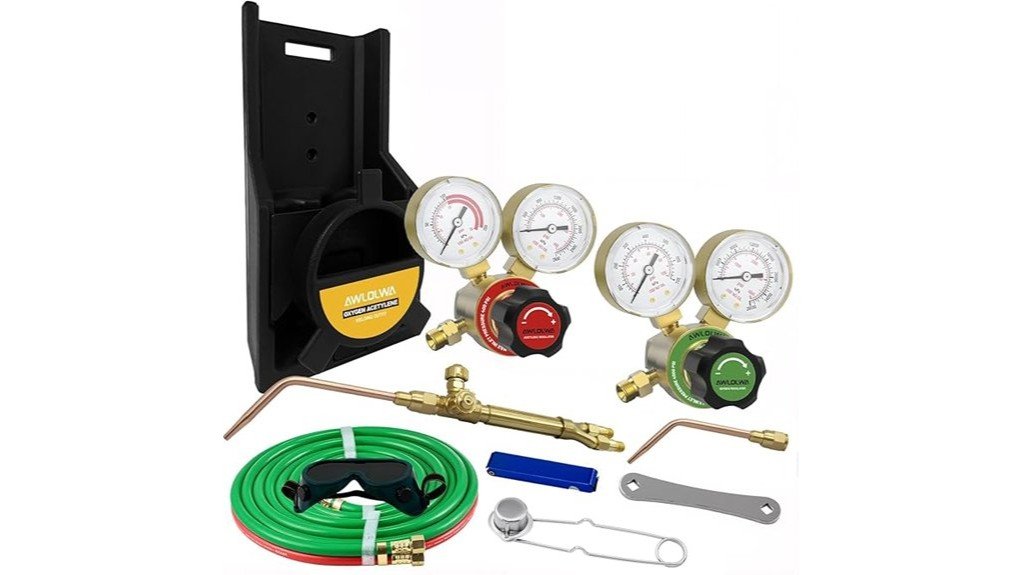
The article mentions included gas welding kit accessories. Because bundles can change, confirm the current hose, regulator, fittings, and accessory list on the Amazon page.
Who should skip this forge?
Skip it if you need confirmed chamber dimensions, brand-backed documentation, or a larger forge for production work. You should also skip it if you cannot provide safe ventilation and propane handling.
The Bottom Line
The 2 Burner Gas Propane Forge is a solid pick for beginner and hobby blacksmiths who want a stainless steel, double-burner forge for knives, tools, and small metal projects. Its main strength is wider heat coverage, while its main limitation is the need to verify current listing details and use propane safely. It earns a recommended-with-caveats verdict because the core features are useful, but it is not the right fit for every shop or project size.