Disclosure: As an Amazon Associate, we earn from qualifying purchases. If you click a link on this page and make a purchase, we may receive a small commission at no extra cost to you.
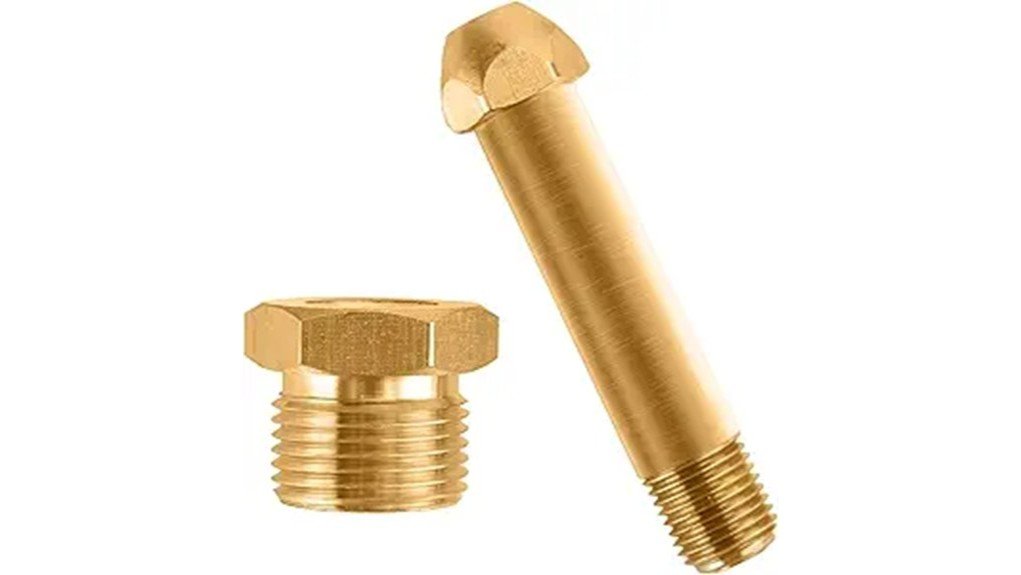
A small gas fitting can create a big problem when the connection standard, thread type, or gas use does not match your setup. The CGA-580 Nut & 3″ Nipple is a brass regulator fitting component for buyers who need a CGA-580 connection for compatible inert gas systems. This review helps you judge its build, fit, installation needs, safety limits, and value before you add it to a regulator setup. Its strengths are simple: brass construction, a 3-inch nipple, and a CGA-580 design for the gas types mentioned in the source article. Its main drawback is just as important: the article does not verify a brand, pressure rating, certification, or warranty.
Quick Verdict
Rating: 7.5/10, recommended with caveats
Best For: Buyers replacing a compatible CGA-580 nut and 3-inch nipple for helium, argon, or nitrogen regulator setups.
Bottom Line: The CGA-580 Nut & 3″ Nipple is worth considering when your equipment specifically calls for this connection standard and size detail. Skip it if you need verified pressure data, a named brand, or documented certification before installing a gas-system fitting.
Key Specifications
| Specification | Detail |
|---|---|
| Product Name | CGA-580 Nut & 3″ Nipple |
| Brand | Not verified in the source article |
| Model | Not listed in the source article |
| Product Type | Gas regulator fitting component |
| Design | CGA-580 nut with 3-inch nipple |
| Connection Standard | CGA-580 |
| Size Detail | 3″ x 1/4 NPT, based on the source article |
| Material | Brass |
| Thread Design | Machined threads for a tighter connection when the fitting is correctly matched |
| Supported Gas Types Mentioned | Helium, argon, and nitrogen |
| Best Use | Welding, gas distribution, laboratory, and industrial regulator setups where CGA-580 is required |
| Not Verified | Maximum pressure rating, certification, warranty, and exact brand |
| Safety Note | Confirm gas type, regulator fit, thread type, sealing method, and pressure requirements before installation. |
What Is the CGA-580 Nut & 3″ Nipple?
The CGA-580 Nut & 3″ Nipple is a brass fitting component made for compatible gas regulator connections. It is not a complete regulator, cylinder valve, hose, or flow control device. Its job is to help connect parts of a gas system that already use the matching CGA-580 standard.
The source article supports use with helium, argon, and nitrogen. That makes this fitting most relevant for inert gas setups in welding, laboratory work, gas distribution, and similar controlled environments.
The main appeal is the simple combination of brass construction, a 3-inch nipple, a 1/4 NPT detail, and machined threads. Those details can help you narrow your search, but they do not replace a proper fit check against your cylinder, regulator, and pressure needs.
Who Should Buy It?
Best For
- Users who have confirmed that their regulator setup needs a CGA-580 nut and 3-inch nipple.
- Welding or lab users working with compatible helium, argon, or nitrogen equipment.
- Buyers replacing a matching fitting rather than adapting an unknown or mismatched gas system.
Skip If
- Your cylinder, regulator, or gas setup does not use the CGA-580 standard.
- You need a published maximum pressure rating, certification, or warranty before purchase.
- You need a fitting for oxygen, acetylene, propane, CO2, or any gas standard not confirmed for your equipment.
Before You Buy: Do not choose this part by appearance alone. Gas fittings can look similar while using different standards, thread directions, sealing methods, and pressure limits.
High-Quality Construction and Durability
The CGA-580 Nut & 3″ Nipple uses brass construction, a practical material for many compatible gas fitting applications. Brass can resist corrosion better than some basic metals when it is used in a suitable environment and kept clean.
The machined threads are a useful detail because poor thread engagement can cause frustration and safety concerns. Cleaner threads may help the fitting start more smoothly by hand when the mating connection is correct.
Material and thread quality do not prove pressure compatibility by themselves. The source article does not verify a maximum pressure rating, so you should confirm pressure limits with the seller, product label, equipment manual, or a qualified gas-system professional before use.
Fit and Gas Compatibility
Compatibility is the main buying factor for this product. The article identifies the fitting as a CGA-580 nut and nipple with a 3″ x 1/4 NPT size detail, which points it toward systems built around that connection standard.
The listed gas types are helium, argon, and nitrogen. Those gases are common in welding, laboratory, and gas distribution settings, but the correct fitting still depends on your exact cylinder valve, regulator inlet, thread type, and application.
| Gas Type Mentioned | Connection Standard | Buyer Note |
|---|---|---|
| Helium | CGA-580 | Confirm the cylinder and regulator connection before use. |
| Argon | CGA-580 | Common in welding setups, but fit and pressure limits still need checking. |
| Nitrogen | CGA-580 | Use only when your system and application require this standard. |
Installation and Ease of Use
The screw-on design should make installation straightforward for users who already understand regulator fittings. The practical benefit is speed: you can replace a matching fitting without changing the full gas setup.
That simplicity can also create risk if you guess. You should avoid forcing the threads, mixing incompatible standards, or reusing a fitting that has dents, damaged threads, or worn sealing surfaces.
Pro Tip: Start the connection by hand before using a wrench. If the fitting does not engage smoothly, stop and check the thread match instead of applying more force.
Setup Tips Before First Use
Before installation, compare the old fitting, regulator manual, cylinder valve, and product size detail. The article lists 3″ x 1/4 NPT, so that should be one of your first compatibility checks.
Inspect the threads and mating surfaces for dirt, burrs, dents, or cross-threading. A clean, matched connection matters more than heavy tightening, especially when you are dealing with gas equipment.
After installation, follow the regulator and workplace procedures for leak checks and pressure confirmation. If you are not trained to install gas fittings, get help from someone qualified instead of treating this as a trial-and-error repair.
Compatibility and Safety
Gas fittings affect safety, so this product should be used only with compatible equipment. The article supports CGA-580 use and mentions helium, argon, and nitrogen, but it does not verify use with every regulator, cylinder, or pressure class.
Do not use this fitting as a workaround for a mismatched cylinder or regulator. A part that threads on incorrectly, seals poorly, or uses the wrong gas standard can create unsafe conditions.
For professional, laboratory, or industrial settings, confirm the fitting against your equipment documentation and site safety rules. That usually includes checking gas type, pressure requirements, leak-test steps, and whether the person installing the part is qualified to work on that system.
How It Performs in Real Use
For Welding Setups
For compatible argon regulator setups, the brass body and machined threads should help create a stable connection when installed correctly. That matters because welding users need steady shielding gas flow and a fitting that does not feel loose during setup.
For Laboratory Use
In a lab setting, this fitting may work well when the system already calls for CGA-580 compatibility. The compact nut-and-nipple design keeps the component simple, but lab users should still follow internal gas handling and leak-check procedures.
For Replacement or Repair
This product makes the most sense as a replacement for a known matching part. It is not a universal repair solution, so you should match the old fitting’s standard, nipple length, thread size, and application before swapping it in.
For Industrial Gas Distribution
In industrial use, correct fit and documented limits matter more than appearance. The brass construction and screw-on design are useful, but the missing pressure rating means you should confirm technical limits before putting it into demanding service.
Common Mistakes to Avoid
The biggest mistake is buying this part because it looks close to the fitting you already have. Gas fittings can look similar while using different CGA standards, thread directions, or sealing methods.
Another mistake is over-tightening. Extra force can damage threads, hide a compatibility problem, or make later removal harder. A properly matched fitting should engage cleanly before final tightening.
You should also avoid using this fitting with a gas type not listed for your setup. The article mentions helium, argon, and nitrogen, so any other gas should be treated as a separate compatibility question.
Pros and Cons
Pros
- Brass construction supports durability in compatible gas fitting applications.
- CGA-580 compatibility fits the helium, argon, and nitrogen uses mentioned in the article.
- 3″ x 1/4 NPT detail gives buyers a clearer sizing checkpoint before purchase.
- Machined threads can help reduce poor engagement when the fitting matches correctly.
- Simple screw-on design supports faster replacement for users who already know their setup.
Cons
- Not universal, it only makes sense for compatible CGA-580 setups.
- The source article does not verify an exact brand, pressure rating, certification, or warranty.
- Requires careful installation and compatibility checks before use with any gas system.
Is It Worth the Price?
The CGA-580 Nut & 3″ Nipple is worth considering if you need a straightforward brass fitting for a confirmed CGA-580 regulator setup. Its value comes from the material, simple design, and article-supported gas compatibility rather than premium documentation or extra accessories.
It is a smart buy for everyday replacement use when you have already confirmed the connection standard, size, gas type, and pressure needs. It is not the best fit if your workplace requires a published technical datasheet before installation.
Because the article does not verify a brand, certification, or warranty, cautious buyers should treat it as a basic replacement component. That does not make it a poor choice, but it does mean the burden is on you to confirm fit before use.
How It Compares to Alternatives
Compared with generic gas fittings, this product is more specific because it targets CGA-580 connections and includes a 3-inch nipple with a 1/4 NPT detail. That helps narrow the buying decision if your setup calls for those exact details.
If you need a different CGA standard, a different nipple length, or a fitting with published pressure specifications, another fitting may be a better match. The CGA-580 Nut & 3″ Nipple makes the most sense when your priority is a simple brass replacement for a compatible CGA-580 setup.
Frequently Asked Questions
What gases is the CGA-580 Nut & 3″ Nipple used with?
The source article mentions helium, argon, and nitrogen. You should still confirm that your cylinder, regulator, and work setup use the CGA-580 standard before installation.
Is this fitting universal?
No. It is meant for compatible CGA-580 setups, not every gas regulator or cylinder. Check your connection standard, thread size, sealing method, and gas type before buying.
What size is the CGA-580 Nut & 3″ Nipple?
The article lists the fitting as 3″ x 1/4 NPT. Use that as a compatibility checkpoint, and compare it with your existing fitting, regulator manual, or equipment documentation.
What is the maximum pressure rating?
The source article does not provide a verified maximum pressure rating. Confirm pressure compatibility with the seller, product label, equipment manual, or a qualified gas-system professional before use.
Can I use it with oxygen, acetylene, propane, or CO2?
Do not assume compatibility with gases outside your confirmed setup. The article mentions helium, argon, and nitrogen, so any other gas should be checked against your regulator, cylinder, and safety requirements.
Can this replace a damaged regulator fitting?
It can be considered only when the damaged part uses the same CGA standard, size, and application. Do not use it to adapt a mismatched regulator or cylinder.
How should I maintain this fitting?
Keep the fitting clean, dry, and protected from thread damage. Inspect the threads and sealing surfaces before use, and replace the part if you see dents, cross-threading, corrosion, or poor fit.
Who should skip this product?
Skip it if your setup does not use CGA-580 or if you need a different thread size, gas standard, or verified pressure specification. Also skip it if you are unsure how to install gas fittings safely.
The Bottom Line
The CGA-580 Nut & 3″ Nipple is a practical brass fitting for buyers who have already confirmed that their helium, argon, or nitrogen setup needs this CGA-580 connection and 3-inch nipple detail. Its main strengths are the brass build, machined threads, and simple screw-on design, while its main limitation is the lack of verified public details for pressure rating, brand, certification, and warranty.
Buy it if you know your setup requires this fitting. Skip it if you are unsure about compatibility or need documented technical ratings before installing a gas-system component.