As an Amazon Associate, Garage Welding may earn from qualifying purchases. This does not change the price you pay.
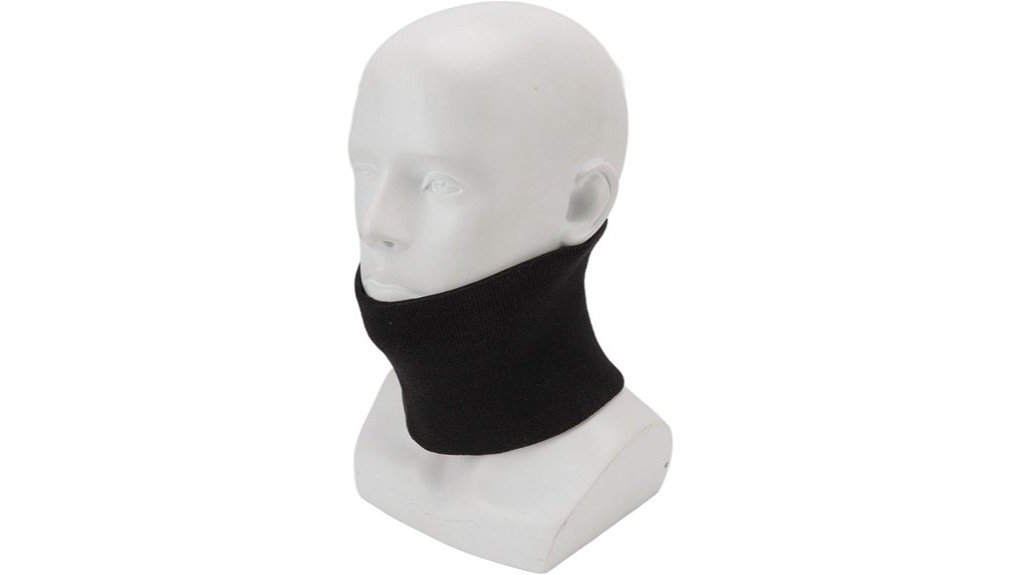
The CHICIRIS neck protector is a lightweight, slip-on polyethylene neck sleeve with a listed Grade 5 cut rating, sold with “welding” in its name. Its real strength is cut resistance for kitchen, glass, wood carving and similar work. For arc welding, treat it with caution: cut-resistant polyethylene is not described as flame resistant, so it should not be your only neck protection from sparks and spatter.
This page is based on the seller’s Amazon listing and general welding-PPE practice, not hands-on testing.
CHICIRIS neck protector at a glance
| Item | Per the listing |
|---|---|
| Material | Polyethylene (cut-resistant fibers) |
| Cut rating | Grade 5, as listed (check the standard) |
| Weight | About 93 g |
| Size | About 21.7 x 13 x 1 cm |
| Style | Slip-on; unisex |
| Uses listed | Kitchen, glass processing, wood carving, food service, garden |
Check Current Price on Amazon →
Cut resistance is not spark resistance
A cut rating measures how well a fabric resists a blade. It does not tell you how the fabric behaves near hot spatter, flame or UV from an arc. Polyethylene fibers can melt when exposed to high heat, and molten metal can stick to or burn through synthetic fabrics.
- Good for: knife, glass and sharp-edge jobs where cuts are the risk.
- Not a safe assumption for: overhead welding, heavy spatter, plasma cutting or open flame.
What to use for neck protection when welding
Welders usually combine several layers: a flame-resistant jacket with a high, closed collar, a helmet with a neck skirt or cape, and a leather or FR cotton neck cover for overhead work. A synthetic neck gaiter is a poor substitute.
- Close the jacket collar and snap it up.
- Use a helmet or hood with a full rear and neck shield.
- Add a purpose-made FR or leather neck cover for overhead and heavy-spatter jobs.
- Avoid polyester and nylon next to skin.
How to check it fits your use
- Define the hazard. Sharp edges, yes. Sparks, no.
- Check the standard. Look for the cut-rating standard (such as EN 388) on the listing.
- Check the size. The listed 21.7 cm length and 13 cm width should sit comfortably around your neck.
- Check comfort. A slip-on sleeve should not restrict your head turn.
- Check washability on the listing before laundering.
Pros and limitations
Pros
- Very light at about 93 g.
- Easy slip-on design.
- Cut-resistant material for knife and glass work.
Limitations
- No flame or spark resistance is stated for welding.
- Polyethylene can melt under heat.
- Not a substitute for a welding jacket collar or FR neck cover.
Care and safe use
Follow the care label, avoid contamination with oils and solvents, and replace the sleeve if it is cut, frayed or heat damaged. Do not wear it near open flame or hot metal.
Alternatives and related guides
- See the Black Stallion BX9C welding jacket with a welder’s collar.
- Add Defiant Metals fabricator sleeves for arm protection.
- Cover your head with the Comeaux reversible welding cap.
- See noise cancelling ear plugs for hearing protection.
Frequently Asked Questions
Is a polyethylene neck protector safe for welding?
Be cautious. Cut-resistant polyethylene fibers are designed to resist blades, not heat, sparks or molten metal, and polyethylene can melt. For welding, choose a flame-resistant neck cover, a leather or FR cotton collar, or a hood or jacket with a high collar, and confirm the product states welding or flame resistance.
What does Grade 5 cut protection mean?
The listing describes Grade 5 cut resistance. Cut ratings come from standards such as EN 388, and the scale differs between standards, so check which one the listing refers to. A cut rating says nothing about heat or spark resistance, which matter for welding.
What is this neck protector best used for?
The listing mentions kitchen work, glass processing, wood carving, food service and garden jobs, where sharp edges are the risk. Treat those as the main uses. If you also weld, add a separate FR neck cover designed for sparks and spatter.
How do I protect my neck while welding?
Keep your collar up and snapped, wear flame-resistant clothing, use a helmet with a neck skirt or a leather or FR cotton neck cover, and avoid synthetic fabrics that melt. Overhead work needs extra cover, because spatter falls into open collars.
Conclusion
The CHICIRIS sleeve looks fine for cut-prone tasks, but a cut rating is not a welding rating. For welding, rely on flame-resistant cover and use this only for sharp-edge jobs.