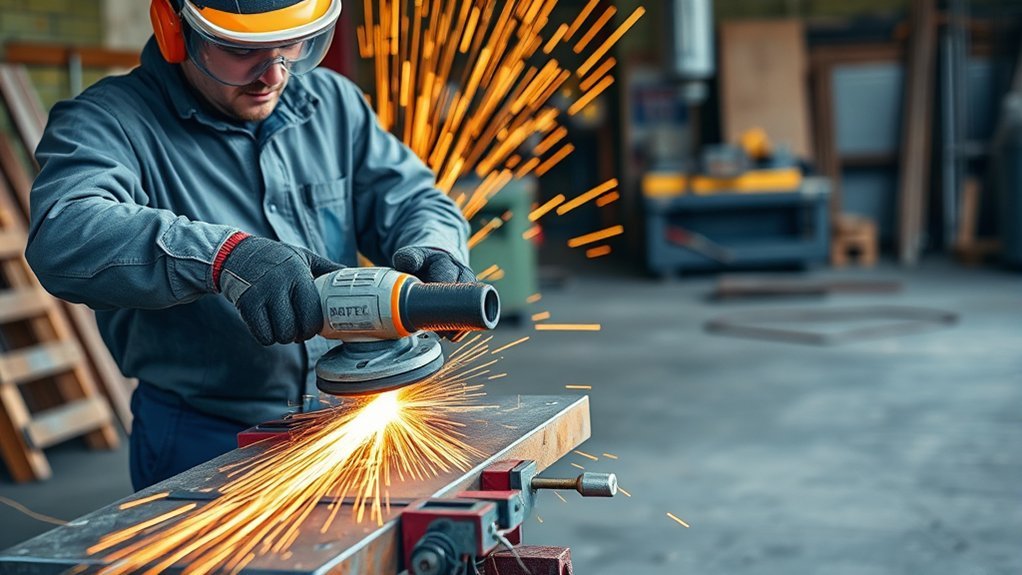
Understanding Cordless Angle Grinder Voltage
A cordless angle grinder can cut smoothly or bog down fast, and voltage plays a big role in that difference. Higher voltage can give the motor more room to handle tough cuts, but it can also add weight and cost. This guide explains how cordless angle grinder voltage affects power, runtime, battery fit, and tool choice.
Quick Answer
Cordless angle grinder voltage affects how much power and torque the tool can deliver. For most DIY cutting and grinding, an 18V or 20V grinder works well. For heavier metalwork, masonry, or long cuts, higher-voltage systems such as 36V, 40V, or 60V can hold speed better under load.
Key Takeaways
- Choose 18V or 20V for common DIY cutting, grinding, and cleanup tasks.
- Choose higher-voltage grinders when you need more torque for heavy cuts.
- Check battery compatibility before you buy a grinder from the same tool brand.
- Balance voltage with weight, runtime, wheel size, and comfort.
- Use the right disc and safety gear, not voltage alone, to improve results.
Understanding Voltage: The Backbone of Cordless Angle Grinders
Voltage helps set the power range of a cordless angle grinder. Common ratings include 18V and 20V, and many heavy-duty cordless grinders use higher-voltage battery platforms. A higher-voltage grinder can support more demanding cuts when the battery, motor, and disc match the job.
Power does not come from voltage alone. Motor design, amp draw, battery capacity, wheel size, gearing, and brushless technology all affect how the tool performs. Still, voltage gives you a useful starting point when you compare grinders in the same brand or class.
Before you buy, check battery compatibility with tools you already own. A grinder that fits your current batteries can save money and keep your workflow simple.
How Cordless Angle Grinder Voltage Affects Performance
The voltage of your cordless angle grinder affects power output, torque, and how well the tool holds speed under load. Many cordless angle grinders range from 18V to 60V. An 18V or 20V model suits most home and repair work, while higher-voltage tools handle heavier grinding and cutting with less strain.
Higher voltage can reduce the current needed for the same power level. That can help the tool run cooler and make better use of the battery. Runtime still depends on battery amp-hours, disc size, material type, and how hard you push the grinder.
A brushless motor can also improve performance. Brushless grinders often use battery power more efficiently than brushed models, which can help with speed control and runtime.
Warning: Always match the grinder, guard, disc type, and speed rating before cutting or grinding.
Practical Tips for Selecting the Right Voltage for Your Tasks
Choosing the right voltage helps you match the tool to the work instead of overbuying. Use these checks before you pick a cordless angle grinder:
- Assess task demands: Choose at least 18V or 20V for common cutting, grinding, and surface prep.
- Consider heavier work: Choose higher-voltage models for thick metal, masonry, long cuts, or frequent jobsite use.
- Balance weight and control: Higher-voltage grinders may weigh more, which can tire your hands during long jobs.
- Verify battery fit: Check that the grinder works with your existing battery platform and charger.
Do not choose voltage by the number alone. A well-built 18V or 20V grinder can outperform a weak higher-voltage model if it has a better motor and battery system.
Products Worth Considering

Automatic Speed Change technology adjusts speed and torque during operation for optimum performance
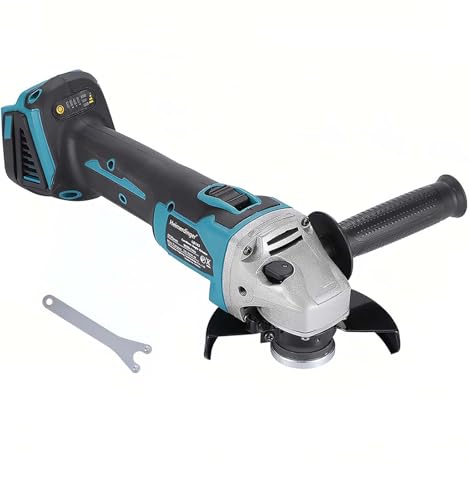
Tool Only:Compatible with 18V battery such as BL1850B, BL1840B, BL1830B

Ryobi R18AG-0 ONE+ Cordless Angle Grinder
Choosing the Right Voltage Rating for Your Needs
Start with the type of work you do most often. If you cut small bolts, clean welds, sharpen tools, or grind light metal, an 18V or 20V grinder usually gives you enough power. If you cut thick steel, concrete, tile, or masonry often, a higher-voltage grinder may serve you better.
Also compare battery capacity. A 20V grinder with a larger amp-hour battery may run longer than a higher-voltage grinder with a small pack. The best choice pairs enough voltage with the right battery size for your workload.
Comfort matters too. A powerful grinder that feels too heavy can reduce control and accuracy, especially during overhead or one-handed positioning.
Products Worth Considering

Cordless Angle Grinder:Applies to 4-1/2-Inch to 5-Inch Cutting Wheel,equipped with 2×20V 4.0 Ah batteries and a rapid charger.Our product is compatible with Makita Battery.Battery level indicator will remind you whether you need to charge.Cordless Grinder Tool is convenient to carry around and easy to use

IMPORTANT NOTICE BEFORE PURCHASE ! ! ! Tool Only – Ideal for users who already own compatible batteries (Battery & Charger NOT Included).

Brushless motor of the angle grinder requires no brush changes.
Matching Voltage to Your Projects
Match grinder voltage to the job, the material, and the runtime you need. These common use cases can help you narrow your choice:
- Light grinding and cleanup: Choose 18V or 20V for burr removal, sharpening, and small repair tasks.
- Metal cutting: Choose 18V or 20V for light to medium metal, and consider higher voltage for thick stock.
- Masonry and concrete: Choose higher-voltage systems when you need stronger torque and longer cuts.
- Frequent jobsite work: Choose a grinder that fits your existing battery platform and supports fast battery swaps.
Voltage helps prevent tool bogging, but the disc matters just as much. Use a cutting wheel for cutting, a grinding wheel for grinding, and a flap disc for finishing.
Pro tip: For longer jobs, keep a second charged battery ready instead of forcing one pack to finish every cut.
Battery Compatibility and Runtime Matter Too
Voltage only tells part of the story. Battery amp-hours affect how long the grinder can run before the pack needs a charge. A larger battery can also help the tool maintain power under load.
Brand platforms matter because most cordless grinders use proprietary batteries. If you already own batteries from one brand, choosing a grinder from that platform may cost less than starting a new system.
Check the manufacturer’s battery recommendations for your grinder. Some models may run with compact packs but perform better with higher-output batteries.
Upcoming Innovations in Cordless Angle Grinder Voltage
Battery and motor technology continue to improve cordless angle grinders. Higher-voltage systems, including 60V platforms, can boost torque for heavy-duty work. Brushless motors also help grinders use power more efficiently and hold speed under load.
Battery advances may improve energy density, which means more usable power without a major weight increase. Some tool systems also add electronic controls that monitor heat, load, and battery status.
Safety features keep improving as well. Look for overload protection, soft start, electronic braking, and kickback control when you compare models.
| Feature | What It Can Improve |
|---|---|
| Higher Voltage Options | More torque for heavy-duty use |
| Brushless Motors | Better efficiency and speed control |
| Battery Technology | Longer runtime and better power delivery |
| Smart Electronics | Heat, load, and battery monitoring |
Frequently Asked Questions
Is Higher Voltage Better for Cordless Tools?
Higher voltage can improve tool performance, torque output, and cutting strength. It does not always mean a better tool, because motor quality, battery capacity, weight, and safety features also matter.
Is It Better to Have Higher or Lower Voltage?
Choose higher voltage when you need more power for heavy or frequent work. Choose lower voltage when you want a lighter grinder for short jobs and better portability.
What’s the Difference Between 18 Volt and 20 Volt Power Tools?
The difference often comes from how brands label battery voltage. Some tools list nominal voltage, while others list maximum voltage. Compare tools by performance, battery platform, and real workload instead of the label alone.
How Many Volts Is a Grinder?
Many cordless grinders use 18V or 20V batteries, while heavy-duty models may use 36V, 40V, or 60V systems. Corded grinders do not use battery voltage ratings because they run from household or jobsite power.
Does Battery Size Affect Grinder Power?
Yes, battery size can affect runtime and power delivery. A higher amp-hour or high-output battery often helps a grinder hold speed better during demanding cuts.
Conclusion
The right cordless angle grinder voltage depends on your material, cut length, runtime needs, and battery platform. Choose 18V or 20V for common DIY work, and move to higher voltage when heavy grinding or cutting demands more torque. Check battery fit, tool weight, disc type, and safety features before you buy. When you match voltage to the job, your grinder works faster, runs smoother, and feels easier to control.