I like turning simple tools into something more useful. In this project I convert a common hydraulic bottle jack into a compact, super-powerful mini press that can crush bearings, flatten pipes, and bend small metal parts. I’ll walk you through the materials, the build steps, testing, and a few tricks I use—including fitting a hammer handle to the lever for extra comfort and control.
🛠️ What you need (Materials and Tools)
Below are the parts and tools I used to make a reliable mini press from a hydraulic jack. You can adapt sizes depending on the jack and available metal.
- Hydraulic bottle jack (1.5 to 12 tons depending on requirements)
- Steel square tubing or angle iron for the frame
- Flat steel plate for the press bed and top plate (arbor plates preferred)
- Welding equipment (MIG or stick, depending on your preference)
- Metal cutting tools (cut-off wheel, bandsaw, or plasma cutter)
- Grinder and files for finishing
- Bolts and nuts (for removable parts)
- Hammer handle or wooden/metal handle to adapt to the jack lever
- Clamps and measuring tools
- Safety gear: welding helmet, gloves, respirator, ear protection, and eye protection
🔩 Basic design and planning
The idea is simple: build a rigid frame to hold the hydraulic jack vertically, add a stable bed and top support so the jack pushes directly on the part you are pressing, and provide guides to keep the load aligned. A small, well-built frame concentrates the jack’s force and becomes a versatile shop press.
- Measure the jack base and the stroke length so the frame allows full travel.
- Design the bed height so you can place different dies or supports under the press head.
- Include access to the jack release valve, the pump lever, and the fill plug so operation and maintenance remain simple.
🧱 Building the frame
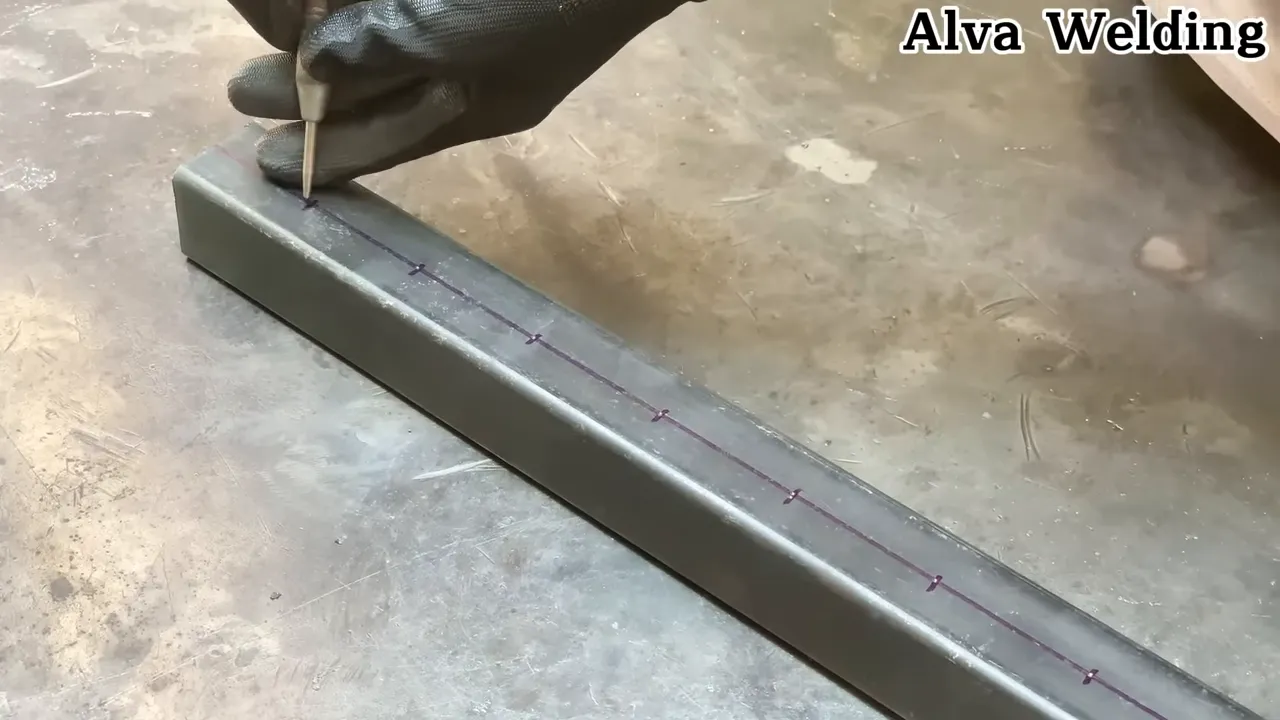
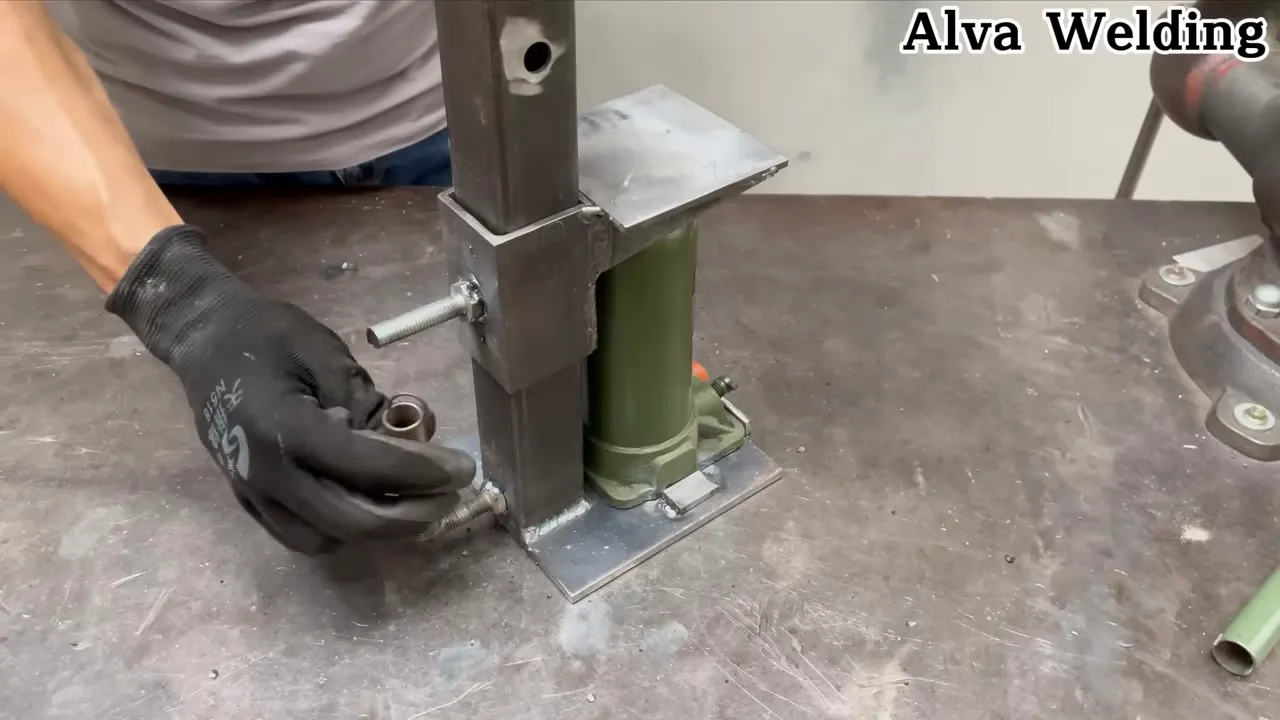
I use square tubing for a compact, stiff frame. Cut the vertical posts and cross members to size, then fit and tack-weld to square everything up before final welding. A few important points:
- Weld the base first and check for flatness so the press doesn’t rock.
- Position the jack centrally or slightly offset depending on your working approach.
- Create removable bed supports using bolted plates so you can change working heights quickly.
Make sure all welds are solid—this press will be putting large forces through the frame, so avoid thin or decorative welds in load-bearing areas.
🔧 Mounting the jack and adding the press plate
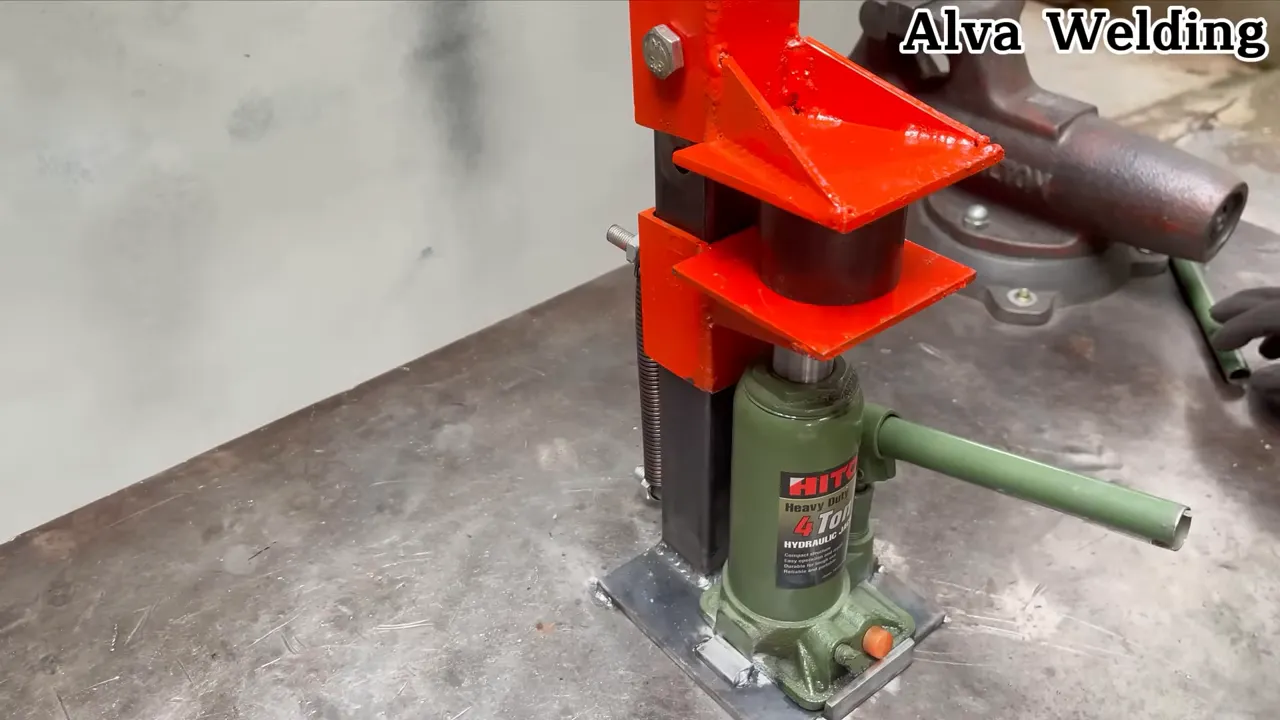
Once the frame is ready, set the jack in place and fit a top plate or ram adapter that sits on the jack ram. I made a thick plate to distribute force evenly and welded a short guide tube so the plate moves straight down without tilting.
- Use a cup or cradle that matches the jack ram for stable contact.
- Consider bolting the jack to the base for positive retention, but allow for removal during maintenance.
- Weld a small stop under the top cross member to prevent the jack’s ram from pushing into the frame.
- Use dual guides (two posts/sleeves) or ensure the guide has enough clearance and lubrication to prevent binding under load.
🛠️ Adding a hammer handle to the lever
Pumping the jack can be made easier and more comfortable by fitting a longer handle. I took a hammer handle, modified the end to fit the jack’s pump lever, and secured it with a set screw. The longer handle gives better leverage and smoother operation when pressing slowly or applying high force.
- Ensure the handle is tight and cannot slip during operation.
- If you use a wooden handle, check for cracks and protect it from oil.
- Do not exceed the manufacturer’s allowed handle length and do not bypass the jack’s overload/relief valve.
⚙️ Tests: crushing bearings, flattening pipe, and bending metal
With the press assembled, I ran several tests to see how it performs:
- Crushing old bearings to recycle steel and inspect the force profile.
- Flattening small sections of thin pipe to create flattened stock or for repair work.
- Bending short pieces using simple dies and the adjustable bed supports.
The jack-based press delivers surprising power for its size. Small parts that were difficult to deform by hand yield quickly, and the controlled operation makes repeatable work possible.
🧯 Safety tips and best practices
Working with a hydraulic press concentrates a lot of energy in a small area. Follow these safety practices:
- Wear safety glasses and a face shield when pressing parts that can shatter.
- Keep hands clear of the press path and use tools to position small parts.
- Inspect the jack and frame regularly for leaks, cracks, or deformations.
- Don’t exceed the jack’s rating or use the press for lifting people or loads it was not designed for.
- Use thick, flat press plates (arbor plates) to distribute load.
- Keep the jack upright during use so the pump intake stays submerged.
- Never press springs, sealed or pressurized items, batteries, gas struts, ammunition, or unknown items.
- Use proper welding and metalworking safety equipment during construction.
🔁 Maintenance and tweaks
After a few uses, I recommend:
- Checking and tightening any bolts or handle fittings.
- Bleeding and checking the jack hydraulic fluid if operation feels spongy.
- Adding removable dies or adapters to expand the press functionality.
- Considering return springs to help retract the ram when the release valve is opened.
❓ Frequently Asked Questions
What size hydraulic jack should I use for a mini press?
Choose a jack capacity based on the force you need. For general small-shop use, a 2- to 6-ton jack is common. For heavy-duty pressing and crushing, a 10- to 12-ton jack provides much more force. Don’t exceed the jack’s rating or the strength of your frame.
Is welding the frame necessary or can I bolt it together?
Welding gives a stiffer, more compact frame and is my preferred method. Bolted frames can work if designed for the loads and use thicker materials and gussets to prevent flex. If bolting, use high-strength bolts and check torque regularly.
Can I use this press to remove bearings and bushings?
Yes, the press works well for pressing bearings and bushings in and out if you use appropriate supports and sleeves to guide the part. Always support the workpiece properly, press on the race being installed or removed, and apply force slowly to avoid damage.
How do I make dies for specific jobs?
Dies can be made from thick steel plate or machined blocks shaped to your need. For bending, use a V-block and matching top piece. For flattening, use flat plates sized for the work. Removable bolt-in dies make the press much more versatile.
Is it safe to crush sealed bearings and similar parts in the press?
Crushing bearings usually releases grease and metal fragments. Wear eye protection and contain the debris, and use a polycarbonate shield. Avoid crushing parts that might contain hazardous substances. Clean up any fluid spills promptly and recycle metal responsibly.
✅ Final thoughts
This conversion is a great way to get a powerful, compact press without buying an industrial unit. With basic welding and metalworking skills, you can build a versatile tool that handles pressing, flattening, bending, and even small forging tasks. Plan carefully, build strong, and respect the safety tips and your press will pay off in saved time and new capabilities.