What’s in This Article
- 1. Adjustable Angle Transfer Gauge for Welding Layout
- 2. Magnet-Assisted Sliding Stop for Repetitive Layout
- 3. Localized Heat Shield for Nearby-Surface Protection
- 4. Positionable Fume-Capture Hood and Air Guide
- 5. Reversible Clamp Plate for Odd Shapes
- 6. Simple Corner Jig for Box Fabrication
- 7. Clamped Straightedge for Plasma Cuts and Layout Lines
- 8. Non-Slip Mat for Hand-Finishing Work
- 9. Multi-Function Welding Spacer and Gap Gauge
- Quick Comparison of the Nine Workshop Hacks
- How to Choose the Right Workshop Hack for Your Job
- Practical Examples and Project Scenarios
- Materials, Tools, and Shop-Prep Checklist
- Safety Reminders for Homemade Shop Tools
- Maintenance and Longevity Tips
- Frequently Asked Questions
- Final Thoughts on Workshop Improvisation
- Resources and Next Steps
Small shop problems can slow you down fast. A shifting stop, weak clamp, or rough measurement can turn a simple metalworking job into rework.
These nine workshop hacks focus on repeatable layout, safer positioning, better fit-up, and easier hand finishing. Most use scrap steel, common fasteners, and basic shop tools. They are aids, not substitutes for a properly guarded machine, a rated clamp, a purpose-built fume extractor, or a calibrated measuring tool.
Build a simple version first, inspect it carefully, and test it on scrap under light load. Follow the instructions for your welder, saw, grinder, torch, extraction equipment, and personal protective equipment.
Quick Answer
Start with an angle transfer gauge, a mechanically secured stop, a corner jig, or a measured gap gauge if you regularly cut and tack similar parts. Add a heat shield, purpose-built fume-capture hood, clamp inserts, plasma straightedge, or hand-finishing mat only when that tool solves a specific problem without creating a new pinch, fire, fume, or kickback hazard.
Key Takeaways
- Use homemade jigs as positioning and repeatability aids, not as replacements for machine guards or rated fixtures.
- Use magnets only for initial positioning. Add a mechanical clamp or positive stop before cutting or applying force.
- Use a purpose-built welding fume extractor. An ordinary wet/dry shop vacuum is not a safe substitute for hot-work fume control.
- Keep grinder wheels away from homemade guide edges unless the tool manufacturer specifically approves that guide method.
- Label, inspect, and verify homemade gauges against a known square, protractor, feeler gauge, or caliper.
Safety scope: These ideas are for light shop work by people who already understand the tools involved. Do not use an improvised jig for lifting, supporting a person, pressure-containing parts, vehicle structure, critical load-bearing welds, or any job that requires certified dimensions or a qualified welding procedure.
Quick Comparison of the Nine Workshop Hacks
| Hack | Best for | Main limitation | Verify before use |
|---|---|---|---|
| Angle transfer gauge | Copying and checking common angles | Not a certified precision instrument | Pivot lock and reference angle |
| Magnet-assisted stop | Fast repetitive positioning | Magnet alone can shift | Mechanical clamp and offcut clearance |
| Localized heat shield | Protecting nearby noncombustible surfaces | Does not make unknown coatings safe to heat | Material, coating, fire watch, and heat path |
| Fume-capture hood | Positioning local exhaust near a weld | Must connect to rated extraction equipment | Airflow, filter, exhaust route, and shielding gas |
| Reversible clamp plate | Pipe, angle, and flat stock | Cannot exceed the clamp’s rating | Insert seating and fastener condition |
| Corner jig | Tacking square frames and boxes | Heat can still pull the assembly out of square | Square, diagonals, and tack sequence |
| Plasma straightedge | Straight plasma cuts and layout lines | Offset depends on the torch and consumable | Torch clearance and manufacturer guidance |
| Hand-finishing mat | Hand sanding, filing, and protecting surfaces | Not a substitute for clamping during powered work | Grip, adhesive, and part stability |
| Gap gauge | Repeatable joint and bracket spacing | Marks are not universal weld-gap recommendations | Actual notch thickness and joint requirements |
1. Adjustable Angle Transfer Gauge for Welding Layout 🔧
Getting the angle right helps you make cleaner fit-ups and straighter DIY builds. A simple two-arm gauge is most useful as an angle transfer tool: set it from a known reference, lock the pivot, and carry that angle to the workpiece.
Materials
- Thin steel strip or aluminum flat stock, about 1/8 inch thick, 1 inch wide, and 12 to 18 inches long
- Pivot bolt with washers
- Locking nut, wing nut, or hand knob
- Marker or scribe
How it works
One arm rests against the reference surface, and the other arm follows the mating angle. Tightening the pivot preserves that angle while you mark or position another part.
Scribed 30-, 45-, or 60-degree marks can speed up rough setup, but verify them with a reliable square, protractor, or digital angle finder before you trust them.
Step-by-step
- Cut two equal strips and round or deburr every exposed edge.
- Drill a clean pivot hole near one end of each strip.
- Assemble the pivot with washers so the arms rotate without excessive side play.
- Set the tool against a known reference and scribe any repeat marks you need.
- Tighten the lock and confirm the angle did not move before transferring it to the workpiece.
Why you’ll like it
- Copies odd angles without repeated calculations.
- Fits easily in a toolbox or welding cart.
- Helps with brace layout, miters, and quick fit-up checks.
Best for: Transferring angles and rough layout. Use a calibrated measuring tool when the job has a specified tolerance.
Products Worth Considering

【Packaging & Dimension】: 1 x 9 Inch T-Bevel Sliding Angel Gauge, Total Size:370 x 25 x 20mm / 14.5" x 1" x 0.8"(L*W*H). It's a gauge worth your trying.

【PORTABLE ANGLE MEASURING TOOL】This plastic protractor can quickly measure interior, exterior and bevel angles, fulfilling three of your measurement needs with just one tool. This angle finder is lightweight and compact making it convenient to carry around and store.
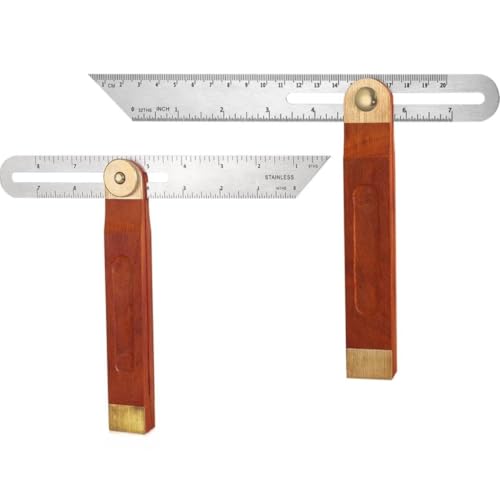
Material: T-Bevel Gauge with Stainless Steel & Wood Construction - Rust-Resistant Carpenter's Tool Features Copper-Alloy Locking Mechanism, Ergonomic Wooden Handle for Comfortable Grip
2. Magnet-Assisted Sliding Stop for Repetitive Layout 🧲
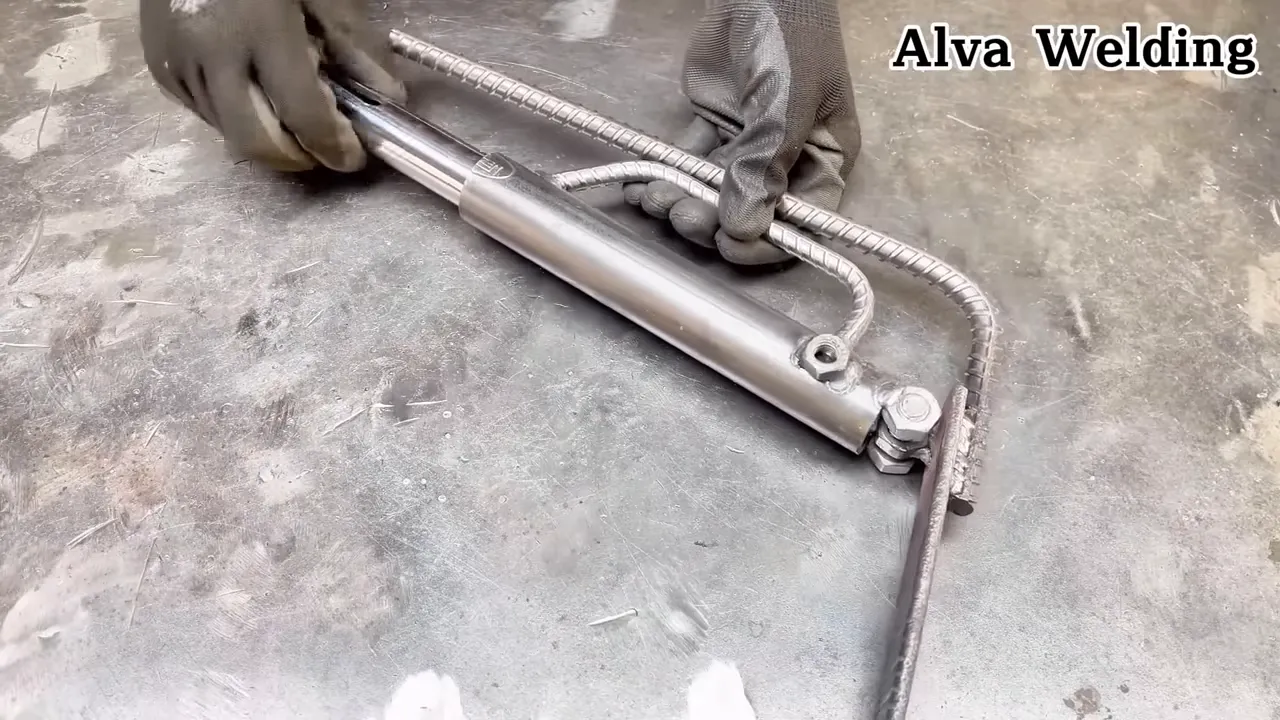
Repetitive layout is one of the easiest places to save time. A movable stop can help position several brackets or lengths consistently, but the magnet should only help you locate the stop. It should not be the only thing resisting cutting force or vibration.
Materials
- Small neodymium magnets with countersunk holes, kept away from heat
- Short piece of flat steel for the stop body
- Mechanical clamp, bolt, or positive-lock feature
- Rubber or vinyl cap for the contact face
How to build and use it
- Fasten the magnet to the stop body with the screw head flush.
- Add a contact lip that gives square or round stock a clear indexing point.
- Slide the stop to the measured position with the machine switched off.
- Lock the stop mechanically or use it only to mark the part.
- Check that the stop cannot trap the offcut, contact the blade, or interfere with the guard.
- Test the full setup on scrap while following the saw manufacturer’s instructions.
Warning: A loose stop can shift, pinch stock, or trap an offcut. Use a mechanical lock, and remove or retract the stop before the cut whenever your saw setup could bind material between the blade and stop.
Keep strong magnets away from the active weld area. Heat can weaken magnets, and magnetic fields may disturb some welding arcs.
Products Worth Considering
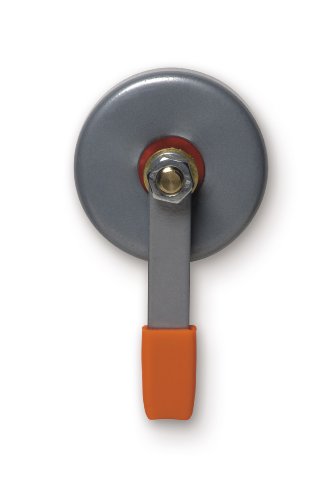
Allows you to ground your work piece with ease.

[Strong Magnetic Welding Ground Clamp] Welding clamp features a super strong built-in magnet(Φ3.34”) that easily adheres to smooth, rough, curved, or flat metal surfaces, providing excellent stability and preventing the magnet from dropping off easily

Instant On/Off 300 Amp Grounding with 200 lb Magnetic Hold
3. Localized Heat Shield for Nearby-Surface Protection 🔥
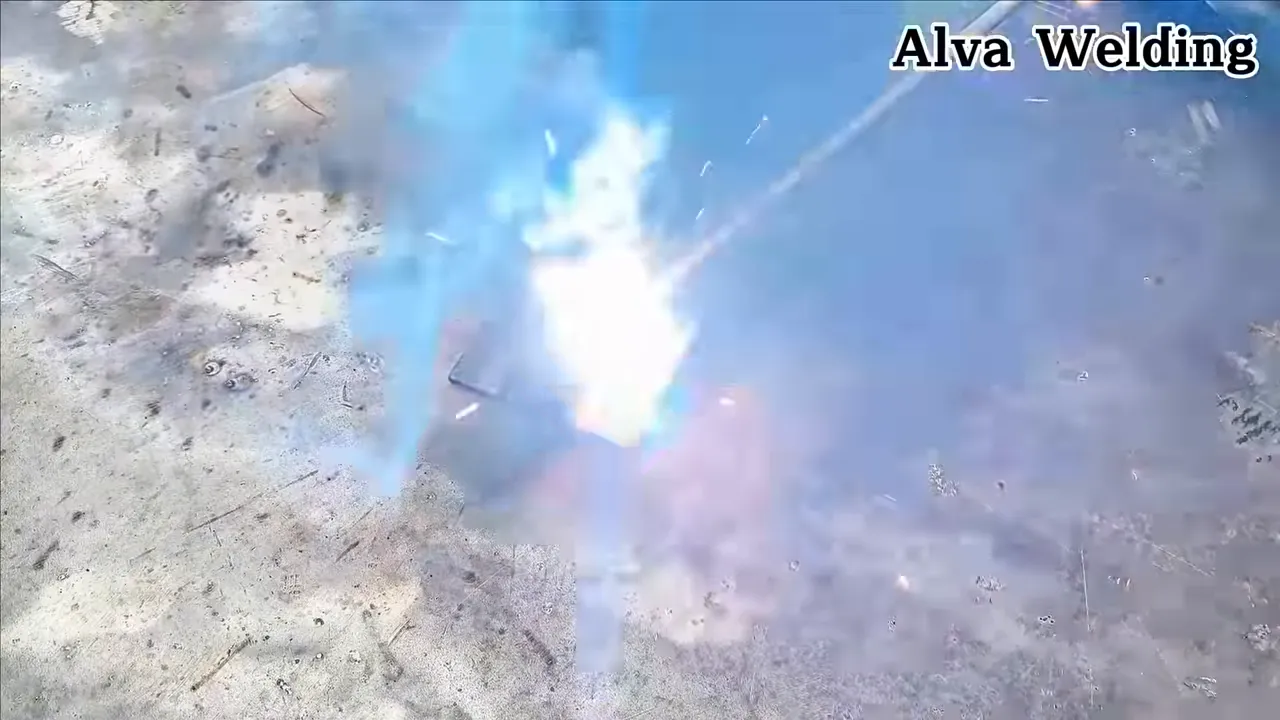
A small noncombustible shield can help protect a nearby surface while you apply controlled heat to a known, suitable metal part. The shield should block radiant heat and sparks. It should not enclose, extend, or redirect a torch flame.
Materials
- Steel plate or a short steel tube split lengthwise to create an open shield
- Stable steel base
- Bolts or small welds positioned away from the heated zone
- Optional purpose-rated ceramic heat shield or welding blanket material
Construction
- Form an open shield that stands between the heat source and the surface you want to protect.
- Fasten it to a broad, stable base so it cannot roll or tip.
- Keep the flame path fully open and visible.
- Test the shield on scrap and monitor both sides for heat buildup.
Appropriate uses
- Reducing radiant heat near a noncombustible fixture.
- Shielding an adjacent finished surface during brief, controlled heating.
- Creating a temporary spark barrier on a fire-resistant bench.
Do not use this hack on fuel systems, sealed or pressurized parts, unknown coatings, lead- or zinc-coated metal, heat-treated components, or areas with hidden wiring or flammable material. Never use the shield as a homemade burner nozzle.
Keep an appropriate fire extinguisher nearby, maintain a fire watch, and let the shield cool in a marked hot-parts area.
4. Positionable Fume-Capture Hood and Air Guide 🌀
Welding fumes and gases can enter your breathing zone even during short jobs. A positionable hood can make local exhaust easier to aim, but it must connect to a purpose-built welding fume extractor or another system specifically rated for the process and contaminants.
Parts
- Purpose-built portable welding fume extractor or approved local exhaust system
- Flame-resistant hose supplied or approved for the extractor
- Metal capture hood or nozzle approved for the system
- Articulated arm, clamp, or stable magnetic base located away from the arc
How to position it
- Inspect the extractor, hose, filter, and exhaust route before welding.
- Place the hood close enough to capture the rising fume before it reaches your face.
- Keep the hood out of the arc, spatter path, and work-lead circuit.
- Turn on the extractor before striking the arc.
- Adjust the hood if airflow disturbs MIG or TIG shielding gas.
- Follow the extractor manufacturer’s filter-change and disposal instructions.
Critical warning: Do not connect this hood to an ordinary household or wet/dry shop vacuum. General-purpose vacuums may not be rated for hot sparks, hazardous welding fume, metal contaminants, or welding gases.
Note: Particle filtration does not control every gas or vapor. Use ventilation, process controls, and respiratory protection selected for the actual hazard. See OSHA’s welding, cutting, and brazing guidance.
5. Reversible Clamp Plate for Odd Shapes 🪛
Round pipe, angle iron, and stacked sheet metal need different contact faces. A reversible clamp plate with replaceable inserts can improve contact and reduce point loading.

Materials
- Flat steel plate, about 3/16 or 1/4 inch thick for light general shop use
- Replaceable inserts shaped for pipe, V-grooves, angle, or flat stock
- Bolts with enough thread engagement for the expected load
- Optional non-marring inserts for finished surfaces
Build steps
- Size the plate so it sits fully on the clamp jaw without blocking the screw or swivel pad.
- Shape the inserts and remove burrs that could mark or cut the workpiece.
- Drill matching holes and make sure the fasteners sit below the contact surface.
- Test each insert under light force before increasing clamping pressure.
- Replace any insert that bends, cracks, or no longer seats flat.
Who should use it
- Fabricators who switch often between flat stock and tube.
- DIY users who need better contact on round or irregular pieces.
- Anyone trying to protect a finished face from a standard clamp jaw.
Before clamping: Confirm that the insert cannot eject sideways and that the combined plate-and-insert setup does not reduce the clamp’s safe engagement. Never exceed the clamp manufacturer’s rating.
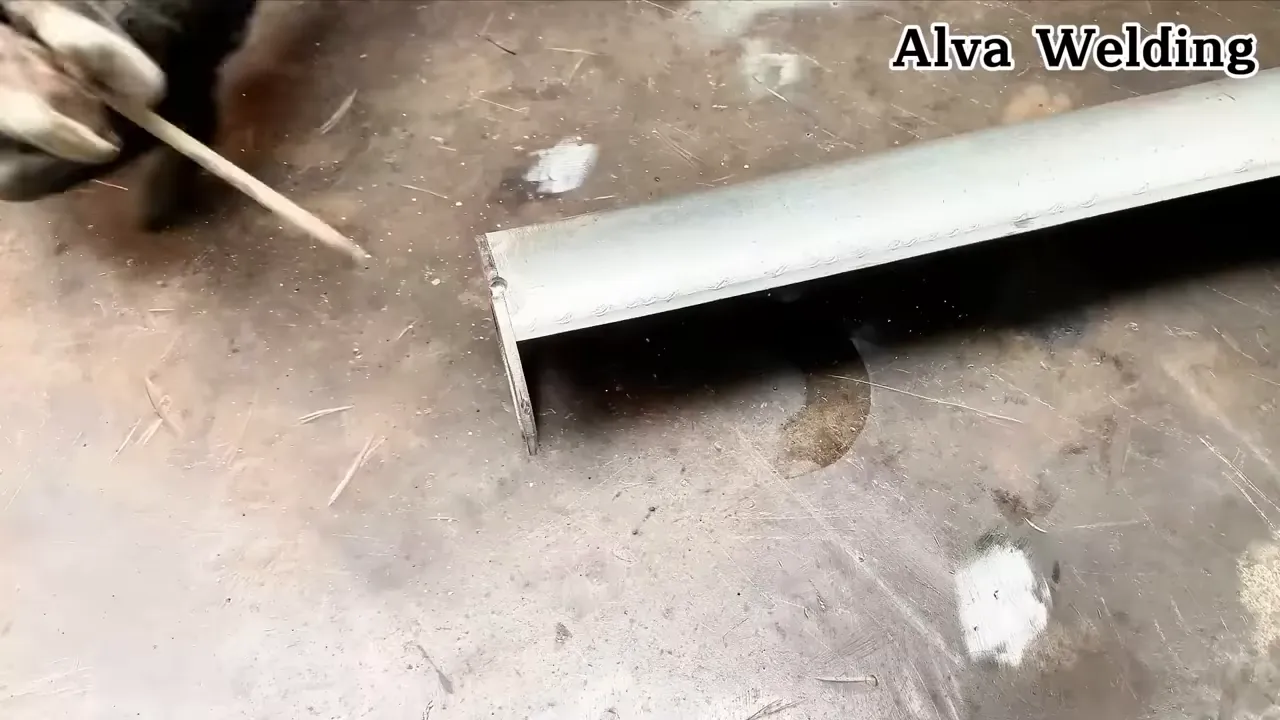
6. Simple Corner Jig for Box Fabrication 📐
A corner jig holds two members near 90 degrees while you make small tacks. It improves repeatability, but you still need a reliable square and diagonal measurements because weld heat can pull the frame out of alignment.
Materials
- Straight steel angle iron, 1 inch or 1.5 inch
- Flat steel base
- Clamping faces or clearance slots
- Bolts or welds for assembly
Build and use
- Verify the angle iron is straight and truly square before using it as the reference.
- Fasten the angle to a flat base without pulling it out of square.
- Add clearance so tack welds do not fuse the workpiece to the jig.
- Clamp the two members lightly and confirm the outside faces are flush.
- Make short tacks, release the clamps, and recheck the angle.
- For a full frame, compare both diagonals and alternate tack locations before final welding.
Why it helps
- Speeds up repeated box and frame setups.
- Keeps hands farther from the tack area.
- Makes alignment checks easier before full welding.
7. Clamped Straightedge for Plasma Cuts and Layout Lines ✂️
A straight steel guide can help a hand plasma torch follow a consistent path when the torch and consumable are designed for guided or drag cutting. The required offset depends on the torch body, shield, consumable, and desired kerf location.

Materials
- Straight steel strip long enough to span the cut
- Two suitable clamps whenever possible
- Spacers or setup blocks for a repeatable torch offset
- Soapstone, scribe, or marker for layout
How to use it for plasma cutting
- Confirm that your torch, shield, and consumable support drag or guide cutting.
- Measure the offset from the guide contact point to the center of the cut.
- Clamp both ends of the guide outside the torch path.
- Make a short scrap cut and measure the result before cutting the finished part.
- Keep the work lead on the workpiece, not on the guide.
- Let the guide cool before moving it.
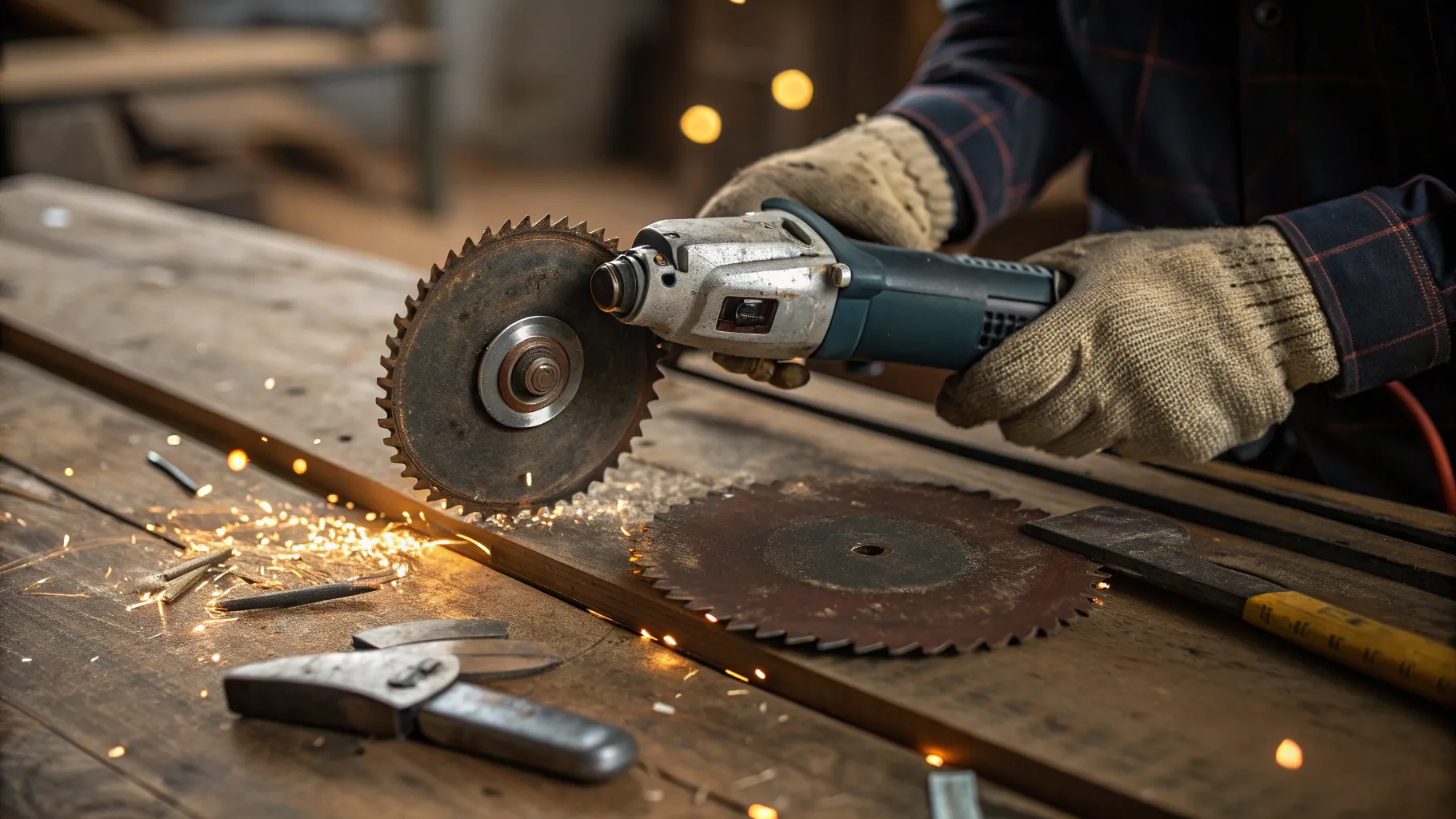
Angle-grinder caution: Do not press or steer a cut-off wheel against a homemade straightedge. That can side-load, pinch, or bind the wheel. For grinder work, use the strip to mark a straight line, then cut freehand with the correct guard and wheel, or use a manufacturer-approved guide system.
For compatible plasma systems, a purpose-built stand-off or straight-cutting guide is safer and easier to repeat. Hypertherm provides examples of drag-tip use and guided cutting accessories.
8. Non-Slip Mat for Hand-Finishing Work 🧽
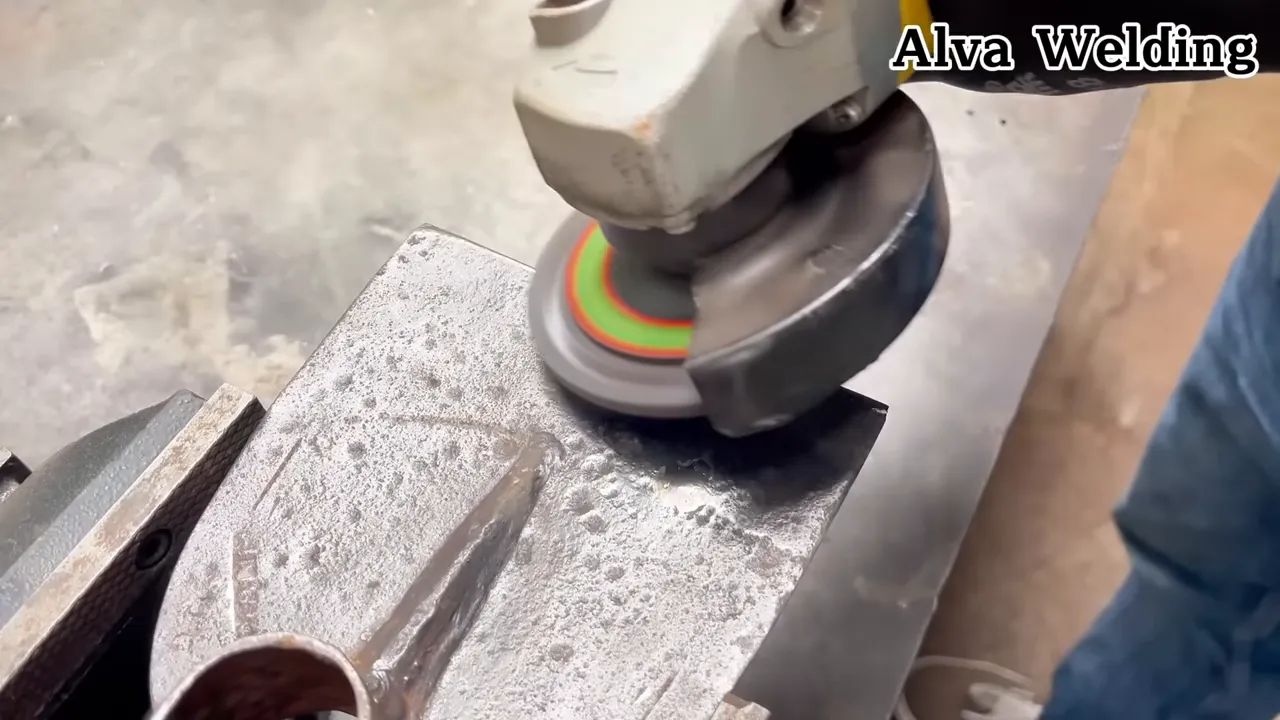
A dense rubber mat can protect a finished face and reduce chatter during hand sanding, filing, deburring, or inspection. It should not replace a vise or clamp when a powered tool could catch and throw the workpiece.
Materials
- Dense, oil-resistant rubber matting suitable for the shop environment
- Plywood or thin steel backing
- Adhesive compatible with both materials
- Non-slip feet or tape for the underside
Construction
- Cut the rubber and backing to a size that sits fully on your bench.
- Bond the layers and allow the adhesive to cure completely.
- Round sharp backing corners and add non-slip material underneath.
- Check that the mat does not rock, curl, or slide.
Best uses
- Hand sanding and filing of small brackets.
- Protecting painted or polished faces during inspection.
- Reducing light hand-tool vibration on thin pieces.
Powered-tool rule: Move the part to a stable vise, fixture, or clamped bench setup before using a grinder, powered sander, wire wheel, or polisher.
9. Multi-Function Welding Spacer and Gap Gauge 🧰
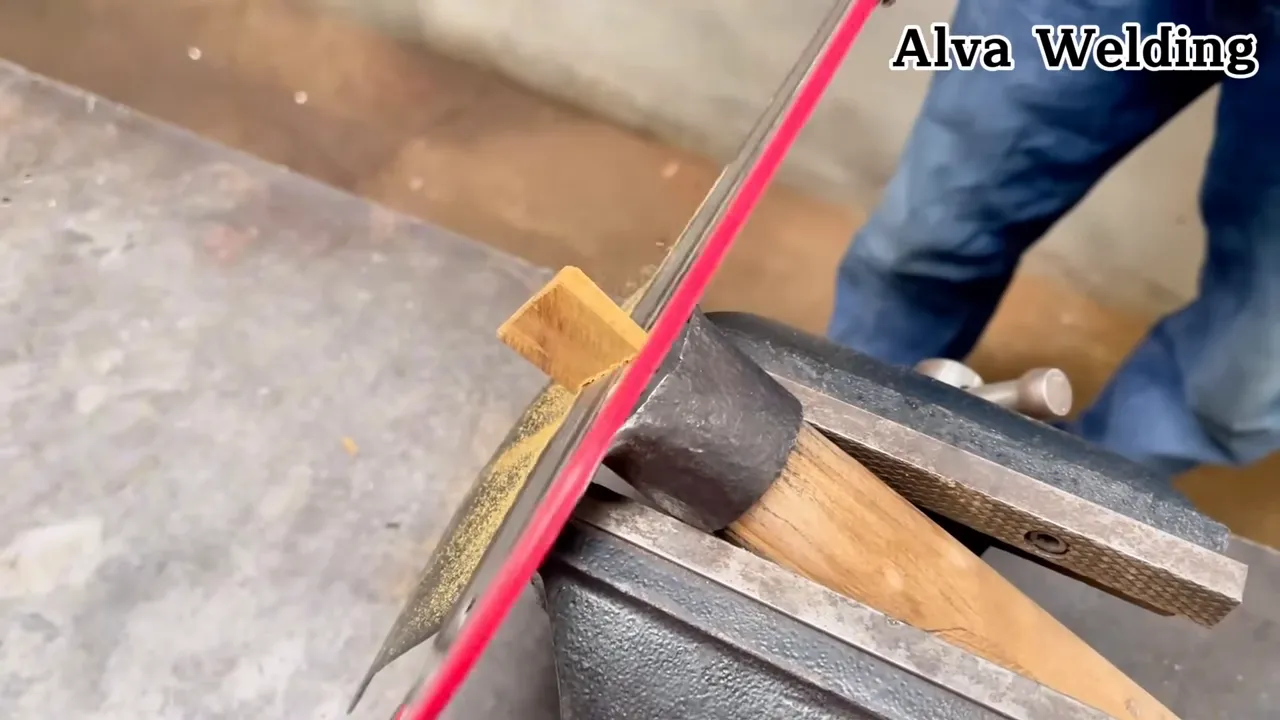
A wedge-shaped gauge with measured notches can speed up repeated spacing. The markings show physical thickness only; they are not universal recommendations for weld root gaps or fastener spacing.
Materials
- Flat steel strip thick enough to resist easy bending
- Notches cut to the spacing values your work actually uses
- Stamped, engraved, or high-contrast labels
- Optional hanging hole for storage
How to build and verify it
- Cut the wedge and notches, then deburr every edge.
- Measure each notch with a caliper or compare it with a verified feeler gauge.
- Label the actual measured thickness in millimeters, inches, or both.
- Use the gauge to position parts, tack them, and remove the gauge before completing the weld.
- Recheck the spacing after tacking because heat and clamp pressure can move the joint.
Why it works
- Reduces repeated measuring during light fabrication.
- Helps keep bracket spacing consistent.
- Lasts longer than cardboard or improvised shims.
Accuracy note: Select any weld gap from the joint design, procedure, filler process, and material thickness. Do not copy a notch value simply because it is marked on the tool.
How to Choose the Right Workshop Hack for Your Job 🧠
Choose the tool that removes a repeated setup problem without becoming a new hazard.
- For measurement: Build the angle transfer gauge or gap gauge.
- For repeat positioning: Use the magnet-assisted stop with a mechanical lock.
- For alignment: Build the corner jig or reversible clamp plate.
- For plasma layout: Use the clamped straightedge after confirming torch compatibility and offset.
- For hot work: Use the heat shield or fume hood only with suitable materials and rated equipment.
- For surface protection: Use the mat for hand finishing, not unsecured powered work.
Before you build
- Define the exact problem and the force, heat, or vibration the tool will face.
- Decide how the jig will fail if a fastener loosens or the workpiece moves.
- Make adjustment points visible and easy to inspect.
- Avoid hidden cavities that can collect sparks, dust, gas, or hot debris.
- Use a commercial fixture when the job is structural, load-bearing, repetitive at production scale, or tolerance-critical.
Practical Examples and Project Scenarios 🛠️
Building a light garden gate from square tubing
For a non-critical garden gate, several of these hacks can reduce layout time.
- Use the magnet-assisted stop to position repeated lengths, then lock the setup mechanically or mark each piece.
- Use the corner jig for the first tacks.
- Check each corner with a square and compare both frame diagonals.
- Use the angle transfer gauge to copy brace angles.
- Alternate small tacks around the frame and recheck alignment before final welding.
Making a batch of small non-structural brackets
Use the stop for repeated layout, the clamp plate for consistent holding, and the gap gauge for repeatable spacing.
Create one verified sample first. Compare the remaining parts against that sample at regular intervals instead of assuming the jig has not moved.
Repairing a non-structural shop cart bracket
Use the heat shield only to protect nearby noncombustible surfaces, and use a purpose-built fume extractor when welding. After the part cools, move it to the hand-finishing mat for filing or hand sanding.
Do not apply this example to trailer frames, vehicle suspension, lifting equipment, pressure vessels, or other safety-critical structures.
Materials, Tools, and Shop-Prep Checklist ✅
Basic materials
- Flat steel, angle iron, tube, bolts, washers, locknuts, and hand knobs
- Replaceable clamp inserts and non-marring contact pads
- Dense rubber matting and compatible adhesive
- Purpose-rated heat-shield material where needed
Tools
- Drill, files, deburring tools, vise, clamps, square, tape, scribe, caliper, and protractor
- Correctly guarded grinder or saw with accessories rated for the tool speed and application
- Welder and local exhaust equipment suitable for the material and process
Personal protective equipment
- Safety glasses with side protection
- Correct welding helmet shade for the process
- Face shield for grinding when required in addition to safety glasses
- Hearing protection, gloves, suitable clothing, and protective footwear
- Respiratory protection selected for the hazard, used according to applicable instructions and local requirements
Preparation steps
- Identify the base metal and remove oil, paint, plating, or coatings only with an appropriate safe method.
- Inspect the tool, guard, cable, hose, clamp, and work-lead condition.
- Test-fit removable parts and verify that fasteners have enough engagement.
- Mark measured sizes, angles, offsets, and intended uses directly on the jig.
- Test the completed jig on scrap under light load.
Safety Reminders for Homemade Shop Tools ⚠️
- Machine safety: Never remove, block, or defeat a guard to make a homemade jig fit.
- Mechanical safety: Use positive clamping when force, vibration, or rotating tools could move the jig.
- Wheel safety: Prevent side loading, pinching, and binding of abrasive cut-off wheels.
- Fume safety: Keep fumes out of your breathing zone with suitable local exhaust and process controls.
- Coating safety: Treat unknown paint, plating, galvanizing, and residues as hazards until identified.
- Fire safety: Remove combustibles, control sparks, keep an appropriate extinguisher available, and maintain a fire watch after hot work.
- Electrical safety: Put the work lead on clean base metal and keep the current path away from bearings, electronics, hoses, and improvised fixtures.
- Heat safety: Mark hot parts and provide a stable cooling area.
Pro tip: Give each jig an inspection mark. If it is dropped, overheated, bent, or modified, remove the mark until you recheck its alignment and fasteners.
Maintenance and Longevity Tips 🔩
- Keep threads clean and lightly lubricated unless the fastener or environment requires a different treatment.
- Remove weld spatter from reference faces without grinding away the original dimension.
- Check squares, stops, offsets, and gauge notches against known references.
- Replace magnets weakened by heat or impact.
- Replace cracked, bent, mushroomed, loose, or heavily worn inserts and fasteners.
- Inspect rubber and adhesive for oil damage, curling, or loss of grip.
- Store hot-work tools dry and away from clean measuring tools.
Frequently Asked Questions
How accurate are homemade welding jigs compared with commercial tools?
A well-built jig can improve repeatability for light DIY work, but it is not automatically accurate. Verify it against a reliable square, protractor, caliper, or feeler gauge. Use calibrated or certified equipment when a drawing specifies a tight tolerance.
Can an ordinary shop vacuum be used as a welding fume extractor?
No. Use equipment specifically designed and rated for welding fume extraction. A general-purpose wet/dry vacuum may not be suitable for hot sparks, hazardous metal fume, toxic contaminants, or welding gases.
Can a fume hood disturb MIG or TIG shielding gas?
Yes. Excessive or poorly positioned airflow can disturb shielding gas. Position the hood to capture rising fume without pulling directly across the arc, and follow the extractor and welding-equipment instructions.
Can a magnetic stop be trusted during a powered cut?
Do not rely on magnet force alone. Lock the stop mechanically, and make sure it cannot contact the blade, interfere with a guard, or trap the offcut. Remove or retract it when the saw setup could bind the material.
Can you run an angle grinder against a steel straightedge?
Do not press a cut-off wheel against an improvised guide unless the grinder manufacturer specifically approves that setup. Side pressure or binding can damage the wheel and cause kickback. Use the guide for marking, or use a manufacturer-approved cutting guide.
What thickness should a reversible clamp plate use?
For light general shop work, 3/16- to 1/4-inch steel may be a practical starting point, but the correct thickness depends on plate size, insert shape, clamp force, and material. Stop using the plate if it bends, cracks, or reduces safe clamp engagement.
Can the rubber finishing mat be used with a grinder or polisher?
Not as the only restraint. A powered tool can catch and throw an unsecured part. Move the part to a vise or stable clamped fixture before powered grinding, sanding, wire brushing, or polishing.
Which homemade shop tool should you build first?
Build the tool that fixes your most frequent low-risk setup problem. An angle transfer gauge, corner jig, or verified gap gauge is a practical first project because each can be checked easily against a known reference.
Final Thoughts on Workshop Improvisation ✨
The best homemade shop tool solves one narrow problem, stays easy to inspect, and fails safely if something loosens.
Start with a simple layout or clamping aid. Test it on scrap, verify its reference surfaces, and stop using it when heat, wear, or impact changes its shape.
Improvisation should make a safe process more repeatable. It should never be used to bypass a guard, substitute a household vacuum for welding extraction, support a critical load, or force an accessory to work outside its intended design.
Resources and Next Steps 📚
- Verify angle marks with a protractor or digital angle finder.
- Use mechanical locks on stops and removable clamp inserts.
- Check the plasma-system manual before building any straightedge or stand-off guide.
- Review the welder, extractor, grinder, and abrasive-wheel instructions before use.
- Read OSHA’s welding, cutting, and brazing overview for ventilation and hot-work hazards.