Disclosure: As an Amazon Associate, we earn from qualifying purchases. If you click a link on this page and make a purchase, we may receive a small commission at no extra cost to you.
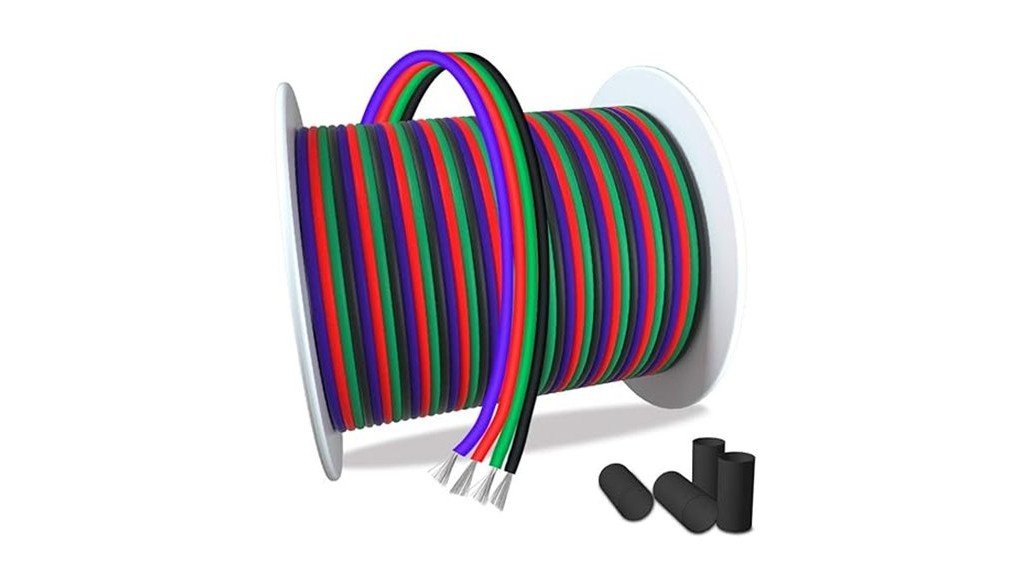
Running RGB LED strips across a room, cabinet, ceiling feature, or display area can get messy if your extension wire is too stiff, too short, or hard to connect cleanly. The 100ft RGB 4 Wire Conductor Cords are designed for buyers who need a long 22 AWG, 4-conductor wire for RGB lighting projects. This review looks at the supported specs, where the cord makes sense, how to install it safely, and what to check before you buy. The main strength is its long, flexible 4-wire design, but you still need to confirm load limits, polarity, connector fit, and outdoor suitability for your setup.
Quick Verdict
Rating: 8.1/10, Recommended with caveats
Best For: DIY RGB LED strip extensions, ceiling lighting runs, tube light wiring, and fan light projects that need 22 AWG 4-wire cord.
Bottom Line: The 100ft RGB 4 Wire Conductor Cords are a practical choice when you need a flexible, long RGB wiring run for compatible 3528 or 5050 LED strips. The tradeoff is that the article does not provide a verified amp rating, IP rating, brand name, or warranty length, so you should confirm those details before using it in higher-load or outdoor installations.
| Specification | Detail |
|---|---|
| Product Name | 100ft RGB 4 Wire Conductor Cords |
| Amazon ASIN in Supplied Link | B08JTZCJV1 |
| Product Type | RGB 4-wire conductor cord for lighting projects |
| Length | 100 ft |
| Wire Gauge | 22 AWG |
| Wire Structure | 4-wire RGB conductor design |
| Core Detail | 17 copper strands per core, as stated in the article |
| Conductor Claim | OFC wire with tinned copper, as stated in the article |
| Compatibility | Popular 3528 and 5050 RGB LED strips, plus compatible ceiling lights, tube lights, and fan lights |
| Best Use | Extending and connecting compatible low-voltage RGB lighting runs |
| Safety Note | Confirm power load, voltage, polarity, connector size, and indoor or outdoor rating before installation. |
What Is the 100ft RGB 4 Wire Conductor Cord?
The 100ft RGB 4 Wire Conductor Cord is a long, flexible wiring cord made for RGB lighting setups that need four separate conductors. In a typical RGB strip project, those conductors help carry power and color-channel signals between a controller, connector, and compatible LED strip. The article supports use with 3528 and 5050 RGB LED strips, which are common strip formats in DIY lighting projects.
The cord uses a 22 AWG standard and is described as having 17 copper strands per core. That stranded design matters because lighting wire often needs to bend around shelves, cabinets, ceilings, corners, or display surfaces. A more flexible cord can make layout work easier than a stiff solid-core wire, especially when you need clean turns or hidden routing.
This cord is best viewed as a wiring component, not a complete lighting kit. You will still need compatible LED strips, connectors, a controller, a power supply, and a safe installation plan that matches your lighting load.
Who Should Buy It?
Best For
- DIY users extending compatible 3528 or 5050 RGB LED strip runs.
- Lighting projects that need a long 100 ft 4-wire conductor cord.
- Installations where flexible 22 AWG stranded wire is easier to route than stiff wire.
Skip If
- You need a verified amp rating or wattage limit before buying.
- Your project requires a confirmed outdoor, wet-location, or in-wall rated cable.
- You want a plug-and-play LED kit with lights, controller, power supply, and connectors included.
Before You Buy: The article does not provide a verified maximum load capacity, IP rating, warranty length, or brand name. Before you install this cord, match the 22 AWG wire to your LED strip wattage, controller output, power supply, connector type, and local electrical requirements.
Design and Build Quality
The main build detail is the 22 AWG, 4-wire conductor layout. This makes the cord suitable for RGB lighting systems that need separate color channels rather than a basic two-wire single-color strip. The 100 ft length gives you room to cut and route wire across larger projects, but it also means you should measure carefully before cutting.
The article states that each core uses 17 copper strands. Stranded wire is useful in lighting projects because it bends more easily than solid-core wire. That can help when you need to run wire behind trim, around corners, under shelves, or through tight furniture gaps.
The cord is also described as OFC wire with tinned copper. OFC stands for oxygen-free copper, while tinned copper is commonly used to help reduce oxidation on the conductor surface. These claims support the article’s focus on conductivity, durability, and lower heat production, but the actual performance still depends on load, wire length, connection quality, and power supply sizing.
Performance and Conductivity
For RGB lighting, wire performance comes down to stable current flow, clean connections, and the right gauge for the distance and load. The 22 AWG size can work well for many low-voltage LED strip extensions, but it is not a universal answer for every length or wattage. Longer runs can create voltage drop, dimmer output, or uneven color if the strip pulls more power than the wire can handle.
The 4-conductor design is the key benefit for RGB projects. It gives you the wiring layout needed for common RGB strip connections instead of forcing you to bundle separate wires. For ceiling lights, tube lights, and fan light projects, the cord makes sense only when the fixture design and electrical requirements match this type of 22 AWG 4-wire low-voltage conductor.
Compatibility and Fit
The article specifically mentions compatibility with popular 3528 and 5050 RGB LED strips. These strip names refer to common LED package sizes, but they do not guarantee that every connector, controller, or power supply will fit your setup. You still need to check the strip’s voltage, pin layout, polarity, and current draw.
For best results, use connectors designed for 22 AWG wire. A loose connector can create flickering, color errors, heat at the joint, or a weak connection. If your RGB strip uses solder pads, you may need soldering tools instead of a clamp-on connector.
Pro Tip: Before cutting the 100 ft roll, test a short section with your LED strip, controller, connector, and power supply. Confirm the color channels match correctly, then measure and cut the final run.
Installation and Setup
Installation starts with planning your route. Measure the distance from the controller or power supply to the LED strip, then add a small amount of extra length for turns and connector access. Avoid leaving large coils of unused wire inside a closed space because bundled wire can trap heat.
Next, keep the wire colors and channel order consistent from end to end. RGB wiring mistakes can cause the wrong color to light up when you select red, green, or blue. If your connector is marked for positive voltage and color channels, match those marks before powering the strip.
After connecting the wire, test the strip at low brightness first if your controller allows it. Look for flicker, dim sections, wrong colors, or warm connectors. If anything looks wrong, turn off the power and check polarity, connector pressure, and wire placement before continuing.
Safety and Electrical Notes
This cord touches an electrical system, so safe use matters. The article supports a 22 AWG rating, but it does not provide a verified maximum amp load. You should not guess the limit for long runs, high-density LED strips, or high-brightness installations.
Do not assume the cord is safe for outdoor, wet, buried, automotive, or in-wall use unless the product label or manufacturer confirms that rating. Outdoor lighting needs weather-rated parts, sealed connectors, and power supplies designed for the location. Indoor accent lighting is a much safer match when the listing does not clearly show an IP or wet-location rating.
If your project connects to household wiring, a permanent fixture, or a high-load system, ask a qualified electrician. For basic low-voltage LED strip extensions, follow the LED strip manual, controller instructions, power supply limits, and connector guidance.
How It Performs in Real Use
For LED Strip Extensions
The 100 ft length gives you enough wire for longer RGB strip extensions, cabinet lighting layouts, wall accents, and display lighting. The flexible stranded design should make routing easier, especially when you need to hide the wire behind furniture or trim.
For Ceiling and Room Lighting Projects
For ceiling accents or tube light projects, the cord can help bridge the gap between the controller and the lighting location. The most important step is checking that the fixture or strip is compatible with 22 AWG 4-wire RGB wiring before you install it overhead.
For Custom DIY Layouts
DIY users may value the ability to cut the cord to the length they need. That can reduce clutter compared with using many short extension cables. Still, every cut end needs a clean strip, firm connection, and correct channel order.
For Long Runs
Long wire runs can increase voltage drop. If the far end of your LED strip looks dim or the colors look uneven, the issue may not be the cord quality alone. The strip length, power injection plan, controller rating, and power supply size can all affect results.
Common Mistakes to Avoid
- Skipping load checks: Confirm your strip wattage and controller output before running a long 22 AWG wire.
- Mixing up RGB channels: Match each wire to the correct positive, red, green, and blue connection point.
- Using the wrong connector: Choose connectors that fit 22 AWG wire and your strip type.
- Assuming outdoor safety: Use it outdoors only if the product label confirms the proper weather rating.
- Leaving weak joints: Loose connections can cause flicker, heat, or color problems.
Pros and Cons
Pros
- 100 ft length gives you room for larger lighting layouts and custom cuts.
- 4-wire RGB design matches common RGB LED strip wiring needs.
- 22 AWG stranded structure supports flexible routing around corners and surfaces.
- Article-supported 17-strand copper core design helps explain the cord’s flexibility.
- Compatible with popular 3528 and 5050 RGB LED strips when the rest of your setup matches.
Cons
- No verified maximum load capacity is provided in the article.
- Outdoor and wet-location use should not be assumed without a confirmed rating.
- You may still need connectors, soldering tools, a controller, LED strips, and a power supply.
Is It Worth the Price?
The 100ft RGB 4 Wire Conductor Cord can be a strong value for the price if you need a long roll of flexible 4-conductor wire for compatible RGB lighting. It is better for buyers who care about custom wire length, clean routing, and matching a 22 AWG RGB setup.
It is not the best fit if you need a fully verified electrical rating before purchase, a complete LED kit, or cable with a confirmed outdoor or in-wall rating. You get the most value when you already understand your LED strip’s voltage, wattage, controller type, and connector needs.
How It Compares to Alternatives
Compared with short pre-made RGB extension cables, this 100 ft cord gives you more flexibility because you can cut the length you need. Pre-made extensions may be easier for beginners, but they can leave you with extra cable or not enough reach.
Compared with thicker 20 AWG or 18 AWG 4-conductor wire, this 22 AWG cord may be easier to bend and route in tight areas. Thicker wire may be worth comparing if your project uses a longer run, higher wattage strip, or more demanding power load.
Frequently Asked Questions
What is the maximum load capacity of the 100ft RGB 4 Wire Conductor Cord?
The article does not provide a verified maximum load capacity. You should calculate your LED strip wattage, wire length, voltage, controller output, and power supply rating before installation.
Can you use this cord with 3528 and 5050 RGB LED strips?
Yes, the article states that the cord works with popular 3528 and 5050 RGB LED strips. You still need to confirm voltage, polarity, pin layout, connector fit, and current draw for your exact strip.
Is this a complete RGB lighting kit?
No. This is a conductor cord for compatible RGB lighting projects. You may still need LED strips, connectors, a controller, a power supply, mounting supplies, and tools for cutting or stripping the wire.
Can the cord be used outdoors?
Do not assume outdoor or wet-location safety unless the product label confirms the correct rating. Outdoor lighting projects need weather-rated wire, sealed connections, and a properly rated power supply.
What connectors should you use with this 22 AWG RGB cord?
Use connectors that are rated for 22 AWG wire and match your RGB strip type. If your strip uses solder pads, soldering may create a stronger connection than a loose clamp-style connector.
Why do the colors look wrong after installation?
Wrong colors often come from crossed RGB channels or reversed polarity. Turn off the power, check the positive wire and red, green, and blue channel order, then test again before closing the installation.
Who should skip this RGB conductor cord?
Skip it if you need a plug-and-play kit, a verified outdoor cable, or a wire with a clearly stated maximum amp rating. It is best for buyers who can match the wire to their strip, controller, connectors, and power supply.
The Bottom Line
The 100ft RGB 4 Wire Conductor Cords are worth considering if you need a flexible 22 AWG, 4-conductor wire for compatible RGB LED strip projects, especially 3528 and 5050 strip setups. Buy it if you want custom-length wiring for indoor-style lighting runs, but skip it if you need verified load capacity, outdoor rating, or a complete lighting kit in one box.