Disclosure: As an Amazon Associate, we earn from qualifying purchases. If you click a link on this page and make a purchase, we may receive a small commission at no extra cost to you.
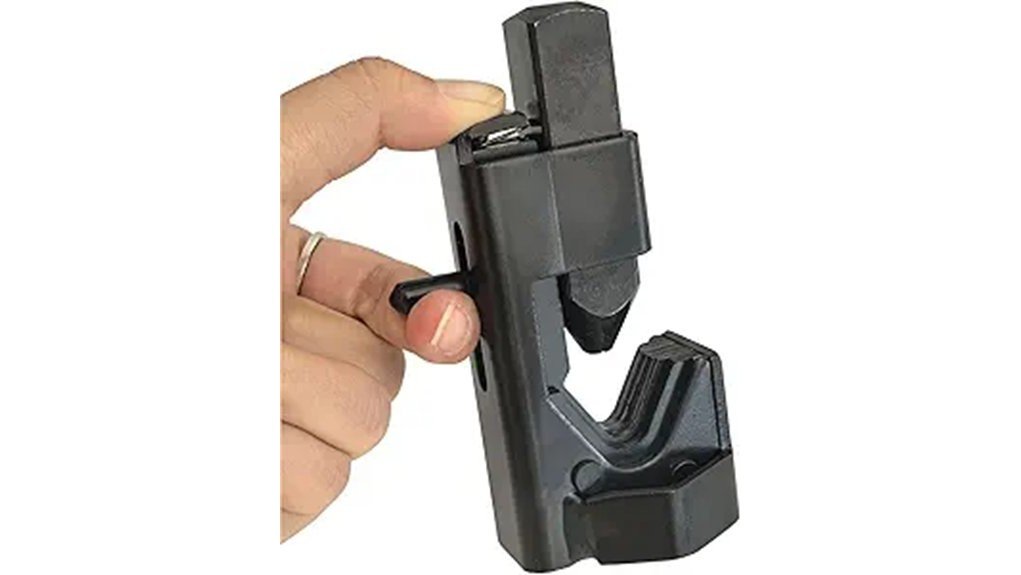
Crimping large battery cables, welding leads, and heavy electrical lugs can get frustrating fast if your tool slips, takes up too much space, or cannot handle the wire size you need. The Hammer Lug Crimper Tool is a compact steel crimper made for lug-style connections from 8 AWG to 0000 AWG. It works with a hammer or a bench vise, which gives you a simple option for shop work, mobile repairs, and occasional DIY cable projects. This review helps you decide where it makes sense, where it has limits, and what you should check before using it on a real electrical connection.
Quick Verdict
Rating: 8.1/10
Best For: DIY users, mechanics, welders, and mobile repair work that needs a compact lug crimper for 8 AWG to 0000 AWG cable sizes.
Bottom Line: The Hammer Lug Crimper Tool is a practical choice if you want a small, steel crimper that does not need a powered hydraulic setup. Its main tradeoff is that crimp quality depends on correct cable, lug, placement, and striking pressure.
| Specification | Detail |
|---|---|
| Product name | Hammer Lug Crimper Tool |
| Product type | Manual hammer-style lug crimper |
| Material | Steel construction |
| Wire gauge range | 8 AWG to 0000 AWG |
| Tool height | 4 inches |
| Operation | Hammer-based operation or bench-vise use |
| Best use | Crimping large lugs on heavy cable sizes within the supported range |
| Portability | Compact enough for toolboxes, work bags, and mobile jobs |
| Safety note | Use the correct lug and cable size, disconnect power before crimping, and inspect every finished crimp before service. |
What Is the Hammer Lug Crimper Tool?
The Hammer Lug Crimper Tool is a manual crimping tool for larger electrical lugs and cables. Instead of using a powered press or a hydraulic crimper, you place the cable lug in the crimping area and apply force with a hammer or bench vise.
The article-supported wire range is broad, from 8 AWG to 0000 AWG. That range makes the tool more useful for battery cables, welding cable ends, inverter leads, automotive electrical work, and other heavy-cable jobs where small terminal crimpers will not fit.
Its 4-inch height is the main portability advantage. You can keep it in a truck toolbox, garage drawer, welding cart, or emergency repair kit without giving up much space.
Before You Buy: This is not a ratcheting or hydraulic crimper. You need correct lug placement, a stable surface, and enough controlled force to make a secure crimp. For critical electrical systems, confirm the finished connection meets the cable and connector manufacturer’s requirements.
Who Should Buy It?
Best For
- DIY users who occasionally crimp battery, inverter, or welding cable lugs.
- Mechanics and mobile repair users who want a compact tool for large-gauge cable work.
- Garage users who prefer a simple hammer or bench-vise setup instead of a larger hydraulic tool.
Skip If
- You need repeatable production crimps with minimal hand setup.
- You want a tool with verified die markings, certification details, or manufacturer-published specs beyond the basic range.
- You do not have a stable work surface, hammer, vise, or safe way to hold the lug during crimping.
Features and Specifications
Steel Construction
The standout build detail is the steel body. Steel construction matters because lug crimping puts direct force through the tool, and weaker materials can deform faster under repeated impact.
For occasional and mobile use, the steel design gives the tool a practical balance of durability and simplicity. You still need to keep it clean and dry because bare or exposed steel surfaces can develop rust if stored in damp conditions.
Wide 8 AWG to 0000 AWG Range
The supported 8 AWG to 0000 AWG range gives you flexibility across several heavy-cable projects. That range covers many common battery cable, welding cable, and power cable situations, as long as the lug and cable match correctly.
The wide range does not mean every connector style will crimp perfectly. Cable strand count, lug wall thickness, metal type, and exact connector shape can all affect the final crimp.
Compact 4-Inch Height
At 4 inches tall, this crimper is easy to store compared with larger bench tools. It can fit in a tool bag or service kit when you need to make a cable repair away from your main workbench.
The compact size also helps in small garages and crowded work areas. The tradeoff is that you still need a solid backing surface so the tool does not shift while you strike it.
Hammer or Bench-Vise Operation
You can operate the tool with a hammer or use a bench vise for more controlled pressure. Hammer use is simple and fast, but it requires steady placement and careful strikes.
A bench vise can help when you want slower, more controlled compression. It may also reduce the chance of the lug moving during the crimp, especially if you are working alone.
Pro Tip: Make one test crimp on spare cable and a matching lug before you work on the final cable. Cut or inspect the test piece if needed so you can confirm the crimp is tight, centered, and not crushing the cable unevenly.
Performance and Ease of Use
The Hammer Lug Crimper Tool is built around a simple process: place the cable and lug correctly, apply force, and inspect the crimp. That makes it approachable for users who do not want a complex crimping system.
The original article describes the tool as requiring only 2 to 4 lbs of hammer force for crimping. In real use, your result depends on the cable size, lug thickness, hammer control, and how firmly the tool sits on the work surface.
For lighter jobs within the supported range, the simple design can save time. For larger 0000 AWG cable, you should work more carefully because a poor crimp can cause heat buildup, voltage drop, or a loose connection.
| Feature | Specification | Buyer Benefit |
|---|---|---|
| Wire Gauge Compatibility | 8 AWG to 0000 AWG | Useful for several large-cable jobs |
| Material | Steel | Supports repeated impact and shop use |
| Height | 4 inches | Easy to store and carry |
| Operation | Hammer or bench vise | Works without a powered crimping setup |
How It Performs in Real Use
For Battery Cable Projects
This tool makes sense for users building or repairing battery cables within the supported gauge range. You can use it for lug-style ends, but you should match the lug to the cable size before crimping.
After crimping, tug-test the connection and inspect the barrel for even compression. A loose lug on a battery cable can create resistance and heat, so do not rely on appearance alone.
For Welding Cable Ends
The 8 AWG to 0000 AWG range also makes the tool useful for welding cable ends. Welding cables often use flexible stranded conductors, so placement and lug selection matter.
Use a clean cable end and seat the wire fully inside the lug barrel before you crimp. A cable that is not fully inserted can look finished but still fail under load or movement.
For Mobile Repairs
The 4-inch height gives this crimper a clear advantage for mobile repairs. You can pack it with lugs, heat shrink, a cutter, and a hammer for field work or roadside repairs.
Its portability does not remove the need for a safe work setup. You still need a solid surface and enough room to strike or press the tool without slipping.
For Long-Term Shop Use
For occasional shop use, the steel construction should handle repeated crimping better than a light-duty plastic or thin-metal tool. Keep it dry, clean, and protected from debris to help preserve the contact surfaces.
If you crimp large cables every day, you may prefer a hydraulic crimper for faster repeatability. This hammer-style tool is better for flexible, occasional, or backup use.
How to Use It Correctly
Start by choosing a lug that matches both the cable gauge and the cable material. Do not assume that a lug fits just because the cable can slide into it.
Strip only enough insulation for the cable to seat fully inside the lug barrel. Keep the wire strands together, insert the cable fully, and position the lug squarely in the crimper before applying force.
Use controlled hammer strikes or steady bench-vise pressure. After crimping, check that the lug is tight, the cable has not pulled back, and the crimp is not sharply cutting into the conductor.
Compatibility and Safety
The article describes compatibility from 8 AWG to 0000 AWG, but the crimper is only one part of a safe connection. The cable, lug, insulation, heat shrink, and final application all need to match.
Disconnect batteries, chargers, inverters, or other power sources before you crimp. Wear eye protection when striking metal tools, and keep your fingers clear of the impact area.
For automotive, marine, solar, RV, welding, or high-current electrical work, follow the equipment manufacturer’s guidance. If the connection will carry high current or protect critical equipment, have a qualified professional inspect the work.
Cleaning and Maintenance
Clean the crimper after use, especially if it picks up copper strands, aluminum debris, dust, or moisture. A small brush or clean cloth can remove loose material from the crimping area.
Store it in a dry toolbox or bag. If the steel surface is exposed to moisture, wipe it dry before storage to reduce the chance of rust.
Do not continue using the tool if the crimping surfaces become damaged or badly deformed. A worn contact area can create uneven crimps and weaken the finished connection.
Pros and Cons
Pros
- Supports a wide 8 AWG to 0000 AWG cable range.
- Steel construction suits impact-based crimping better than light-duty materials.
- Compact 4-inch height makes it easy to store and carry.
- Works with a hammer or bench vise, so you do not need a powered crimper.
- Useful as a backup tool for garage, mobile, or emergency cable work.
Cons
- Crimp quality depends heavily on correct lug placement and controlled force.
- Not as fast or repeatable as a dedicated hydraulic crimper for frequent production work.
- Brand, model, certification, and warranty details were not verified from the supplied article.
Is It Worth the Price?
The Hammer Lug Crimper Tool is worth considering if you need a compact manual tool for occasional heavy-cable crimping. Its value comes from the wide gauge range, steel construction, and simple hammer or vise operation.
It is a smart buy for everyday garage users who make battery cables, welding leads, or repair cables from time to time. It may not be the best fit if you need high-volume crimping, documented certification details, or a more controlled hydraulic crimping process.
Before buying, compare the cost against how often you will use it. If you only need one or two critical crimps, a professional cable shop may be safer and more consistent.
How It Compares to Alternatives
Compared with hydraulic lug crimpers, this hammer-style tool is smaller, simpler, and easier to store. A hydraulic crimper may be better if you need repeatable pressure, multiple dies, and faster results across many cables.
Compared with small ratcheting crimpers, the Hammer Lug Crimper Tool is better suited to larger lugs in the 8 AWG to 0000 AWG range. Small ratcheting tools are usually better for insulated terminals, smaller wire sizes, and lighter electrical work.
Frequently Asked Questions
What wire sizes can the Hammer Lug Crimper Tool handle?
The article-supported range is 8 AWG to 0000 AWG. Always match the lug and cable size before crimping because the wire gauge range alone does not guarantee every connector style will fit correctly.
Can you use it with a bench vise instead of a hammer?
Yes, the source article describes use with either a hammer or a bench vise. A vise can give you slower, more controlled pressure, while hammer use is faster but requires steadier handling.
Is it suitable for battery cable lugs?
It can be suitable for battery cable lugs within the 8 AWG to 0000 AWG range. You still need to choose the correct lug, seat the cable fully, and inspect the finished crimp before using it in a powered system.
Can it crimp aluminum cable?
The original article says it can crimp various cable types, including aluminum. For aluminum cable, confirm that the lug, cable, and application are compatible, and follow the connector manufacturer’s instructions.
Is this better than a hydraulic lug crimper?
It depends on your workload. This hammer-style crimper is better for portability and occasional use, while a hydraulic crimper is usually better for repeatable pressure and frequent heavy-cable work.
How do you maintain the crimper?
Wipe away debris, wire strands, and moisture after use. Store the tool in a dry place so the steel body stays clean and less likely to rust.
What is the most common mistake to avoid?
The biggest mistake is using the wrong lug size or letting the cable sit only partly inside the barrel. A crimp can look acceptable from the outside but still be weak if the cable is not fully seated.
Who should skip this tool?
Skip it if you need documented certification details, high-volume repeatability, or a tool that controls crimping pressure for you. A hydraulic or professional-grade crimping setup may be a better match for those needs.
The Bottom Line
The Hammer Lug Crimper Tool is recommended with caveats for users who need a compact steel crimper for 8 AWG to 0000 AWG lug work. It is best for occasional garage, welding, battery cable, and mobile repair use, but you should skip it if you need highly repeatable production crimps or verified certification details.
Its main strength is simple portability, while its main limitation is that the final crimp depends on your setup, connector choice, and technique.