Disclosure: As an Amazon Associate, we earn from qualifying purchases. If you click a link on this page and make a purchase, we may receive a small commission at no extra cost to you.
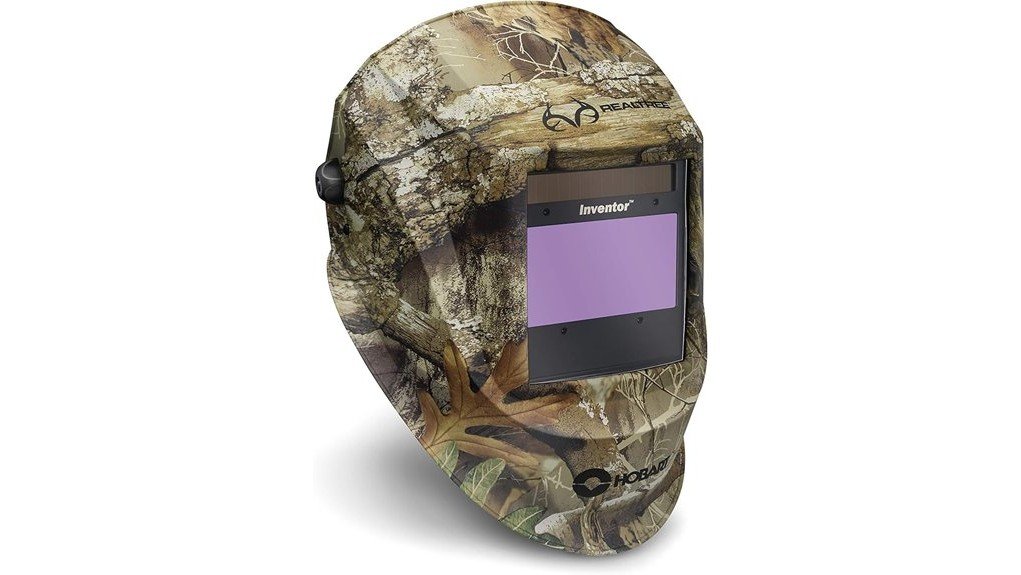
A welding helmet has to protect your eyes without making every tack, bead, or grinding pass feel awkward. The Hobart 770875 Auto-Darkening Welding Helmet is built around an auto-darkening lens, four independent arc sensors, a polyamide nylon shell, and a grind mode for prep work. This review helps you decide if those core features are enough for your garage, shop, or training setup. It looks strongest for welders who want a practical auto-darkening helmet, but you should confirm the shade range, safety markings, and warranty terms before using it for a specific process.
Quick Verdict
Rating: 8.0/10, Recommended with caveats
Best For: DIY and shop welders who want auto-darkening convenience, four arc sensors, and a dedicated grind mode.
Bottom Line: The Hobart 770875 gives you the main features many welders want from a basic auto-darkening helmet, including arc detection support, a durable shell, and an included protective lens kit. The tradeoff is that key buying details such as shade range, viewing area, switching speed, certification markings, and exact warranty terms need confirmation before purchase.
Key Takeaways
- The Hobart 770875 uses an auto-darkening lens so you can keep the helmet down while positioning and welding.
- Four independent arc sensors help the helmet detect arc light from changing work angles.
- The product details used for this review list a 2.5-pound polyamide nylon shell.
- Grind mode helps with cleanup and prep work, but you must switch back to welding mode before striking an arc.
- The included protective lens kit adds value because clean cover lenses are important for visibility.
- Before buying, confirm shade range, viewing area, switching speed, safety markings, and warranty details.
| Specification | Detail |
|---|---|
| Brand | Hobart |
| Model | 770875 |
| Product type | Auto-darkening welding helmet |
| Lens type | Auto-darkening lens |
| Arc sensors | Four independent arc sensors |
| Mode | Grind mode for non-welding prep and cleanup |
| Listed weight | 2.5 pounds |
| Shell material | Polyamide nylon |
| Included accessory | Protective lens kit |
| Best use | Garage welding, shop projects, tack work, and grinding prep when used correctly |
| Details to confirm | Shade range, viewing area, switching speed, power details, certification markings, and warranty terms |
| Safety note | Inspect the lens, sensors, shell, and mode setting before every welding session. |
What Is the Hobart 770875 Auto-Darkening Welding Helmet?
The Hobart 770875 is an auto-darkening welding helmet made for welders who want eye and face coverage without lifting a fixed-shade hood before every arc. Its lens is designed to darken when welding begins, while the four independent sensors help detect arc light from more than one angle.
The shell is listed as polyamide nylon, a material choice that gives the helmet structure while keeping the article-supported weight at 2.5 pounds. Comfort will still depend on headgear adjustment, balance, and how long you wear the helmet during one session.
Grind mode is the most useful day-to-day convenience feature. It lets you keep your face covered during grinding, fit-up, and cleanup, but you must switch back to welding mode before striking an arc.
Before You Buy: The available details for this review do not confirm shade range, viewing area, switching speed, battery type, certification markings, or exact warranty terms. Check the current listing, product label, or manual before using this helmet for a specific welding process or workplace requirement.
Who Should Buy It?
Best For
- DIY welders who want auto-darkening convenience instead of a basic fixed-shade helmet.
- Shop users who switch between welding and grinding and want a dedicated grind mode.
- Buyers who prefer a straightforward helmet with four arc sensors and an included protective lens kit.
Skip If
- You need verified shade range, viewing area, switching speed, or certification details before purchase.
- You want a premium large-view helmet with detailed optical specs and advanced controls.
- Your jobsite or employer requires documented helmet markings that you cannot confirm before buying.
How We Reviewed This Helmet
We focused on the product details available in the article: the Hobart brand name, 770875 model number, auto-darkening lens, four independent arc sensors, polyamide nylon shell, 2.5-pound listed weight, grind mode, and included protective lens kit.
We did not add unverified shade numbers, viewing dimensions, switching speeds, certification claims, battery claims, or warranty terms. Those details can change by listing, seller, or production version, so you should confirm them before you buy.
Key Features of the Hobart 770875 Welding Helmet
Auto-Darkening Lens
The main reason to consider this helmet is its auto-darkening lens. You can keep the helmet down, line up the workpiece, and let the lens darken when the arc starts.
That can make tack welding and repeat positioning easier than using a passive fixed-shade hood. The limitation is that the exact shade range is not confirmed here, so you need to match the helmet settings to your process and amperage before welding.
Four Independent Arc Sensors
The Hobart 770875 includes four independent arc sensors. More sensors can help the helmet detect arc light when your torch angle, hand position, or workpiece blocks part of the lens area.
This matters most during tight-angle repairs, short tack welds, and awkward body positions. You still need to keep the lens cover and sensor areas clean because dust, spatter, and grinding debris can reduce detection reliability.
Polyamide Nylon Shell
The shell is made from polyamide nylon. That gives the helmet a durable outer structure while keeping the listed weight at 2.5 pounds.
Weight and balance affect comfort more than many shoppers expect. A helmet that feels fine for one quick bead may feel different during repeated fit-up, welding, and cleanup cycles, so adjust the headgear before you judge comfort.
Grind Mode
Grind mode lets you use the helmet during grinding or non-welding prep without the lens darkening at the wrong time. This helps when you clean a joint, shape an edge, remove slag, or smooth a bead after a pass.
The safety habit is simple: use grind mode only for grinding. Welding while the helmet remains in grind mode can expose your eyes to unsafe light levels, so check the mode before every arc.
Protective Lens Kit
The included protective lens kit adds practical value because welding helmets need clean cover lenses to work well. Spatter, scratches, dust, and shop grime can reduce visibility even when the auto-darkening function works correctly.
Clean cover lenses help you see the joint, place the torch, watch the puddle, and inspect the bead. Plan to replace damaged covers instead of pushing through cloudy or scratched lenses.
Performance and Functionality
In daily use, the Hobart 770875 focuses on the essentials: auto-darkening protection, four-sensor arc detection, a durable shell, and grind mode. That mix makes sense for welders who need a practical helmet more than a feature-heavy premium hood.
The four-sensor layout is the strongest performance detail in the available product information. It gives the helmet a better detection foundation than basic models with fewer sensors, especially when your working angle changes.
The main limitation is missing detail. Shade range, switching speed, viewing area, sensitivity controls, delay settings, battery setup, and safety standard markings are not confirmed here. Those details matter if you weld often, work at low amperage, or need the helmet for a professional environment.
Compatibility and Safety Notes
Welding helmets are safety equipment, so do not buy based on brand name or appearance alone. Match the shade range to your welding process, amperage, and work conditions, and confirm that the helmet has the markings required for your shop or jobsite.
The Hobart 770875 may be useful across common welding tasks when the shade settings match the process, but the exact shade numbers are not confirmed here. Before using it for MIG, TIG, stick, flux-core, plasma, or cutting work, confirm the current listing, label, or manual gives the correct range for your job.
Also inspect the shell, lens, cover plate, and sensors before each session. Cracks, heavy scratches, dirty sensors, or damaged cover lenses can reduce protection and visibility.
Pro Tip: Before each weld, check three things in the same order: clean lens, correct mode, and clear sensors. This habit helps prevent accidental welding in grind mode and keeps the auto-darkening system easier to trust.
How It Performs in Real Use
For Garage and DIY Welding
For garage repairs, hobby welding, and small fabrication tasks, the Hobart 770875 gives you the basic features that make welding less awkward. You can position your work, lower the helmet, and rely on the auto-darkening lens instead of constantly flipping a fixed hood.
For Tack Welding and Repositioning
Tack welding often involves short arcs, quick adjustments, and changing body angles. The four independent sensors are useful here because arc detection can be harder when your workpiece, glove, or torch position blocks part of the lens area.
For Grinding and Prep Work
Grind mode makes the helmet more practical when you need to clean metal, remove slag, or smooth a bead. You can keep your face covered during prep, then switch back to welding mode before striking another arc.
For Longer Shop Sessions
The listed 2.5-pound weight should feel manageable for many short and moderate sessions, but headgear fit still matters. If you weld for long stretches, adjust the headband carefully and take breaks when the helmet starts to feel front-heavy or uncomfortable.
Setup and Use Tips
- Adjust the headgear before welding: The helmet should sit securely without pressing too hard on your forehead.
- Clean the front lens often: Dust and spatter can make the work area harder to see.
- Check the sensor area: Keep all sensor points clear so the helmet can detect arc light properly.
- Use grind mode only for grinding: Switch back to welding mode before striking an arc.
- Replace damaged cover lenses: A scratched or cloudy lens can make a good helmet feel poor in use.
- Confirm shade settings: Use the right shade for the process and amperage you are running.
Common Mistakes to Avoid
- Welding in grind mode: Always check the mode before you strike an arc.
- Ignoring dirty sensors: Spatter, dust, and fingerprints can affect how well the helmet detects light.
- Buying without checking safety markings: Confirm the markings and standards required for your job or class.
- Working through a damaged cover lens: Replace scratched or cloudy covers so you can see the joint clearly.
Pros and Cons
Pros
- Auto-darkening lens helps you keep the helmet down while positioning and welding.
- Four independent arc sensors support better detection from changing work angles.
- Polyamide nylon shell gives the helmet a practical durability-focused build.
- Grind mode makes prep, cleanup, and bead smoothing more convenient.
- Protective lens kit helps you maintain clearer visibility over time.
Cons
- Shade range, viewing area, switching speed, and battery details are not confirmed here.
- Warranty terms should be checked before purchase because seller and manufacturer coverage can vary.
- Not ideal if you need verified workplace compliance details before buying.
Is It Worth the Price?
The Hobart 770875 is worth considering if you want a straightforward auto-darkening welding helmet with four sensors, grind mode, a polyamide nylon shell, and an included protective lens kit. Those features make it a practical upgrade from a basic fixed-shade hood.
Its value depends on the current price and the details you can verify before purchase. If the listing confirms the shade range, safety markings, and warranty terms you need, it can make sense for everyday welding and shop prep.
It is not the best fit if you need a large viewing area, advanced digital controls, or documented professional-grade specifications. In that case, compare it with higher-end helmets before deciding.
How It Compares to Alternatives
Compared with basic fixed-shade helmets, the Hobart 770875 should feel easier to use because the lens darkens automatically and the helmet includes grind mode. That makes it more convenient for users who switch between setup, welding, and cleanup.
Compared with premium helmets from brands such as Miller, Lincoln Electric, or 3M Speedglas, the Hobart 770875 looks more like a practical core-feature option. Higher-end alternatives may offer larger viewing areas, more detailed optical specs, or more advanced controls, while this Hobart model makes the most sense if you want the key auto-darkening features without paying for every premium upgrade.
Frequently Asked Questions
Is the Hobart 770875 welding helmet good for beginners?
Yes, it can be a beginner-friendly option because the auto-darkening lens helps you keep the helmet down while positioning your work. Beginners should still confirm the correct shade range and learn how to switch out of grind mode before welding.
How much does the Hobart 770875 helmet weigh?
The available product details list the helmet at 2.5 pounds. That should be manageable for many garage and shop sessions, but headgear adjustment and balance still affect comfort.
What does grind mode do on this helmet?
Grind mode keeps the lens from darkening during grinding, prep work, or cleanup. Always turn grind mode off before welding so the lens can darken when the arc starts.
Can you use it for MIG, TIG, or stick welding?
The helmet is an auto-darkening welding helmet, but the exact shade range is not confirmed here. Check the current product details or manual to make sure the shade range matches your welding process and amperage.
What material is the Hobart 770875 made from?
The helmet shell is listed as polyamide nylon. This material supports a durable outer structure for regular welding and shop use.
What should you check before every weld?
Check the lens condition, selected mode, and sensor area before welding. This helps you avoid welding in grind mode and keeps the auto-darkening system easier to rely on.
How do you clean and maintain the helmet?
Use a soft cloth and mild cleaning approach for the lens area, and avoid harsh scraping that can scratch the cover lens. Check the sensors, shell, and protective lens before use, and replace damaged lens covers when visibility drops.
Who should skip this welding helmet?
Skip it if you need verified viewing size, optical class, switching speed, shade range, or workplace compliance details before purchase. Those details are important for frequent professional use.
The Bottom Line
The Hobart 770875 Auto-Darkening Welding Helmet is a strong fit if you want a practical helmet with four arc sensors, grind mode, a polyamide nylon shell, and an included protective lens kit. Skip it if you need confirmed premium specs, a documented large viewing area, or verified workplace compliance details before purchase.
Overall, it earns a recommended-with-caveats verdict because the core features are useful, but important buying details still need confirmation before you rely on it for your exact welding setup.