Disclosure: As an Amazon Associate, we earn from qualifying purchases. If you click a link on this page and make a purchase, we may receive a small commission at no extra cost to you.
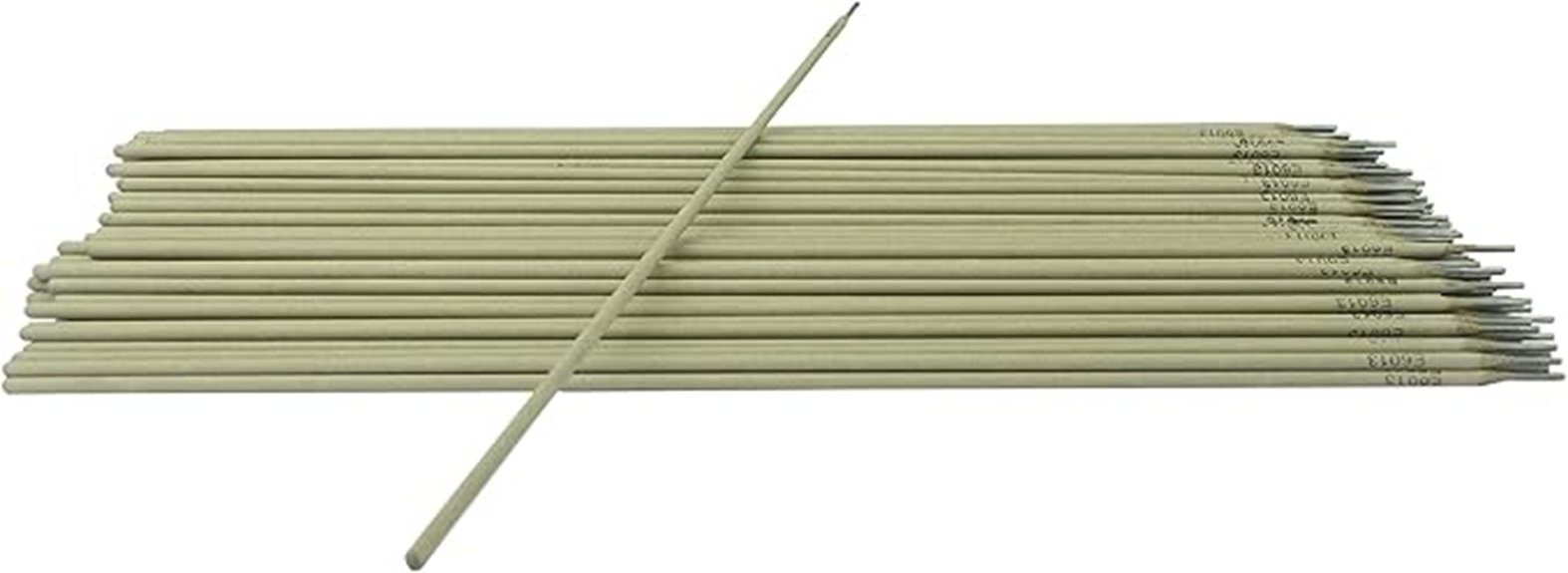
Choosing the wrong stick electrode can make thin mild steel harder to weld than it needs to be. The Hot Max 23078 electrodes are 1/16-inch E6013 arc welding rods made for all-position welding on mild steel, especially clean steel and light gauge metal. They offer 60,000 PSI tensile strength and work with AC or DCEP (DC+) polarity, which gives you useful flexibility across common stick welding setups. This review breaks down where these electrodes work well, where they have limits, and what you should know before adding a 5-lb box to your welding supplies.
Quick Verdict
Rating: 8/10, Recommended with caveats
Best For: Beginners, hobby welders, and shop users welding clean mild steel or light gauge material.
Bottom Line: The Hot Max 23078 is a practical E6013 rod if you want easy starts, all-position use, and clean-looking welds on mild steel. It is not the right choice for stainless steel, heavy structural work, or dirty base metal that needs deep penetration.
| Specification | Detail |
|---|---|
| Brand | Hot Max |
| Model | 23078 |
| Product Type | Arc welding electrodes, stick welding rods |
| Electrode Classification | E6013 |
| Diameter | 1/16 inch |
| Package Size | 5-lb box |
| Base Metal | Mild steel |
| Welding Position | All-position use |
| Recommended Polarity | AC or DCEP (DC+) |
| Tensile Strength | 60,000 PSI |
| Best Use | Clean mild steel, light gauge metal, general repairs, and practice welds |
| Care Note | Store dry and protect rods from moisture and contamination. |
What Is the Hot Max 23078?
The Hot Max 23078 is a 1/16-inch E6013 stick electrode for mild steel welding. It comes as a 5-lb box and targets general-purpose shop, repair, and light fabrication work where easy arc starts and good bead appearance matter.
E6013 rods are often chosen for cleaner mild steel because they can run smoothly, start easily, and create a visually tidy weld bead when your setup and technique are right. The Hot Max 23078 fits that role best on new or well-cleaned light gauge steel rather than rusty, painted, or heavily contaminated metal.
Before You Buy: These are 1/16-inch E6013 rods for mild steel. Do not buy them expecting deep penetration on dirty steel, stainless-steel performance, or heavy structural welding results.
Who Should Buy It?
Best For
- Beginners who want a mild steel rod that starts easily at lower amperage.
- DIY users working on clean sheet metal, light brackets, small repairs, or practice beads.
- Welders who need all-position E6013 rods for general mild steel projects.
Skip If
- You need rods for stainless steel, cast iron, aluminum, or specialty metals.
- You mainly weld dirty, rusty, painted, or thick steel that needs stronger penetration.
- Your machine or project requires a different rod diameter or electrode classification.
Key Takeaways
- Hot Max 23078 electrodes are 1/16-inch E6013 rods made for mild steel.
- The 5-lb package makes sense if you practice often or keep rods stocked in your shop.
- They support all-position welding and run on AC or DCEP (DC+) polarity.
- The 60,000 PSI tensile strength matches the general E6013 mild steel use case.
- They work best on new, clean steel, especially light gauge metal.
- Dry storage matters because moisture can hurt arc quality and weld consistency.
Performance Features of Hot Max 23078 Electrodes
The main strength of the Hot Max 23078 is easy usability on mild steel. These rods are designed as all-purpose, all-position electrodes, so you can use them for common flat, horizontal, vertical, and overhead weld positions when your machine settings and technique match the job.
The E6013 classification also suits welds where appearance matters. On clean mild steel, these electrodes can produce smooth-looking beads with less frustration than more aggressive rods that require tighter control or higher heat.
The 1/16-inch diameter is especially useful when you need lower heat input. That helps when you work on thinner steel, small parts, or practice coupons where too much heat can burn through the material.
Arc Starting and Low-Amperage Control
Hot Max positions these rods as easy to start at low amperage. That is useful for beginners because a rod that starts cleanly can reduce sticking, hesitation, and uneven bead starts.
You still need a suitable machine, clean work clamp connection, and correct amperage range for your setup. If the arc keeps sticking, check the base metal, ground clamp, rod angle, and machine settings before assuming the electrode is the only problem.
Weld Appearance on Clean Mild Steel
These electrodes focus on good-looking welds rather than deep, forceful penetration. That makes them a better match for light gauge mild steel, small repairs, and visible beads where a smooth finish matters.
For best results, remove paint, oil, mill scale, and heavy rust from the weld area. The cleaner your base metal, the better chance you have of getting the smooth bead appearance E6013 rods are known for.
Mechanical Properties and Specifications
The key mechanical claim for the Hot Max 23078 is 60,000 PSI tensile strength. That places the rod in the general mild steel electrode category and supports everyday fabrication, repair, and practice work where the joint design and weld technique are appropriate.
Strength on paper does not replace fit-up, prep, or safe welding practice. A poor joint, contaminated surface, incorrect polarity, or wrong amperage can still create weak welds even when the electrode itself has the right specification.
Hot Max 23078 electrodes make the most sense on clean mild steel, especially when you want easier starts and a neat bead on light gauge material.
Compatibility and Usage Recommendations
The Hot Max 23078 is compatible with AC or DCEP (DC+) polarity. That gives you more setup flexibility than rods that only run well on a narrower range of machines.
Use these electrodes on mild steel rather than stainless steel or non-ferrous metals. If your project involves stainless steel, aluminum, cast iron, or hardened steel, choose an electrode made for that specific metal and follow the manufacturer’s guidance.
Pro Tip: Before welding your actual part, run a short test bead on scrap mild steel with the same thickness. Adjust amperage, travel speed, and rod angle until the arc starts cleanly and the bead sits evenly.
How It Performs in Real Use
For Beginner Practice
The Hot Max 23078 is beginner-friendly because the E6013 style starts easily and works at lower amperages. That helps you focus on rod angle, travel speed, bead shape, and arc length without fighting the rod at every start.
For Light Gauge Mild Steel
The 1/16-inch diameter is useful for thinner mild steel where larger rods may run too hot. You still need careful heat control, but this size gives you a more manageable starting point for small parts and light repairs.
For General Shop Repairs
For clean brackets, small frames, tabs, and mild steel fixtures, these rods offer a practical balance of strength and appearance. They are best when the workpiece has been cleaned and fitted properly before welding.
For Long-Term Storage
The 5-lb package is convenient if you weld regularly, but it also means storage matters. Keep the rods dry, sealed, and away from damp air so they stay easier to strike and produce more consistent welds later.
Setup Tips Before First Use
- Clean the steel first: Grind or brush away paint, rust, oil, and dirt near the joint.
- Match polarity to your machine: Use AC or DCEP (DC+) as recommended for these electrodes.
- Start on scrap: Test your amperage before welding the real part.
- Use a steady rod angle: Keep your travel angle consistent to avoid uneven bead shape.
- Watch heat on thin steel: Use short welds and allow cooling time when burn-through is a risk.
- Store rods dry: Close the package after use and keep it away from moisture.
Safety Notes Before You Weld
Stick welding creates intense light, heat, sparks, slag, and fumes. Wear a proper welding helmet, welding gloves, flame-resistant clothing, closed-toe leather footwear, and eye protection when chipping or brushing slag.
Work in a ventilated area and keep flammable materials away from the weld zone. Follow your welder manual, electrode package instructions, and workplace safety rules before welding any part that carries weight, pressure, or safety-critical loads.
Pros and Cons
Pros
- 1/16-inch E6013 size works well for light gauge mild steel.
- All-position design gives you flexibility for common shop weld positions.
- AC or DCEP compatibility works with many stick welding machines.
- Low-amperage starting makes the rods easier for beginners to practice with.
- 5-lb package offers a practical supply for frequent practice or repair work.
Cons
- Not made for stainless steel, aluminum, cast iron, or specialty metals.
- Not ideal for dirty, rusty, painted, or thick steel that needs deep penetration.
- Requires dry storage to maintain easier starts and steady performance.
Is It Worth the Price?
The Hot Max 23078 is worth considering if you need a steady supply of small E6013 rods for mild steel practice, light repairs, or general shop use. The 5-lb box makes the most sense for users who weld often enough to use the rods before poor storage conditions can affect performance.
It offers strong value for the price if your main needs are easy starts, clean bead appearance, and all-position mild steel welding. It is not the best fit if you need a rod for heavy penetration, specialty metals, or structural work that requires a different electrode and qualified welding procedure.
How It Compares to Alternatives
Compared with E6011 rods, the Hot Max 23078 E6013 is usually the better choice when you care more about smooth bead appearance and easy handling on clean mild steel. E6011 is often chosen for deeper penetration and less-than-perfect surfaces, but it can feel less beginner-friendly.
Compared with larger E6013 rods, this 1/16-inch version gives you more control on lighter material. If you weld thicker mild steel often, you may want to compare larger-diameter E6013 rods or another electrode type that better matches the joint and machine output.
Frequently Asked Questions
What materials can Hot Max 23078 electrodes be used on?
These electrodes are made for mild steel. They work best on new or clean steel, especially light gauge metal, and should not be treated as a stainless-steel or aluminum electrode.
Are these electrodes suitable for beginners?
Yes, they are a good fit for many beginners because E6013 rods are known for easy starts and a smoother arc on clean mild steel. Start with scrap metal first so you can adjust amperage and travel speed before welding your actual project.
What polarity should I use with Hot Max 23078 electrodes?
Hot Max recommends AC or DCEP (DC+) polarity for these electrodes. Check your welder manual and confirm your lead setup before striking an arc.
Are 1/16-inch E6013 rods good for thin metal?
They can be a useful option for light gauge mild steel because the smaller diameter helps with lower heat input. Thin metal can still burn through, so use short welds, clean fit-up, and careful amperage control.
Can these electrodes be stored for long periods?
Yes, but only if you keep them dry and protected. Moisture can make rods harder to start and may hurt weld quality, so close the package after use and store it in a dry shop area.
Are Hot Max 23078 electrodes good for rusty or painted steel?
They perform best on new or clean mild steel. If your steel is rusty, painted, oily, or dirty, clean the weld area first or choose an electrode better suited to poor surface conditions.
What safety gear should I use with these electrodes?
Use a welding helmet, welding gloves, flame-resistant clothing, proper footwear, and eye protection for slag cleanup. You should also weld in a ventilated area and keep sparks away from flammable materials.
Who should skip the Hot Max 23078?
Skip these rods if you need deep penetration on thick steel, welding on dirty base metal, or compatibility with stainless steel, cast iron, or aluminum. They are best for clean mild steel and light general-purpose welding.
The Bottom Line
The Hot Max 23078 electrodes are a smart buy if you want 1/16-inch E6013 rods for clean mild steel, light gauge metal, and beginner-friendly stick welding practice. Their biggest strengths are easy starts, all-position flexibility, and good bead appearance, while their main limitation is that they are not made for dirty steel, stainless steel, or heavy penetration jobs.