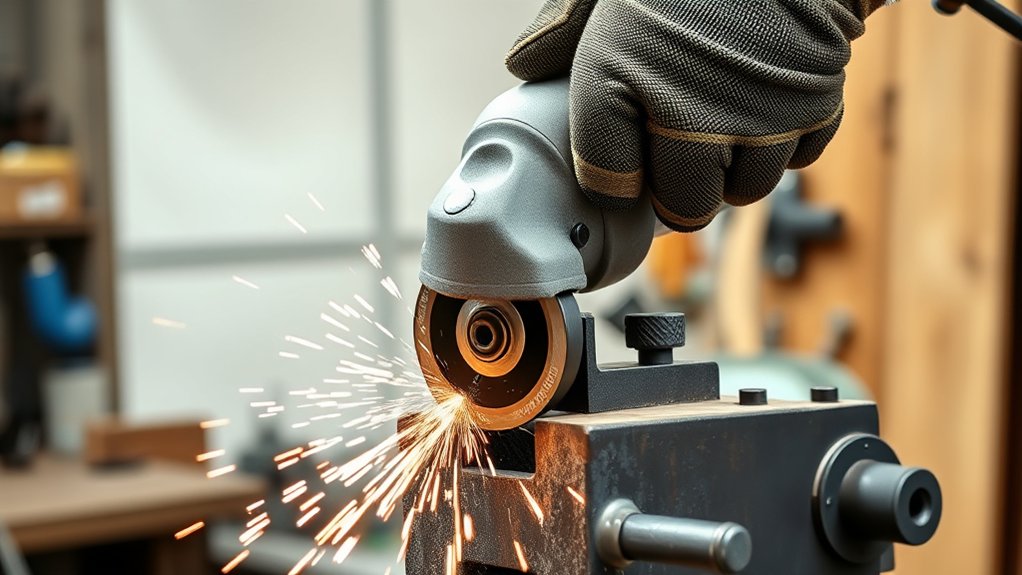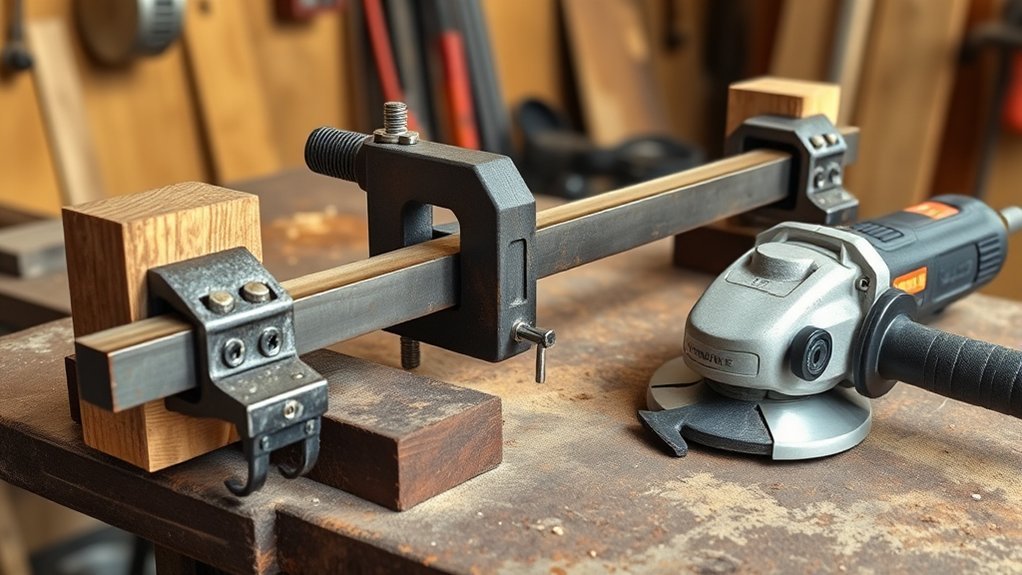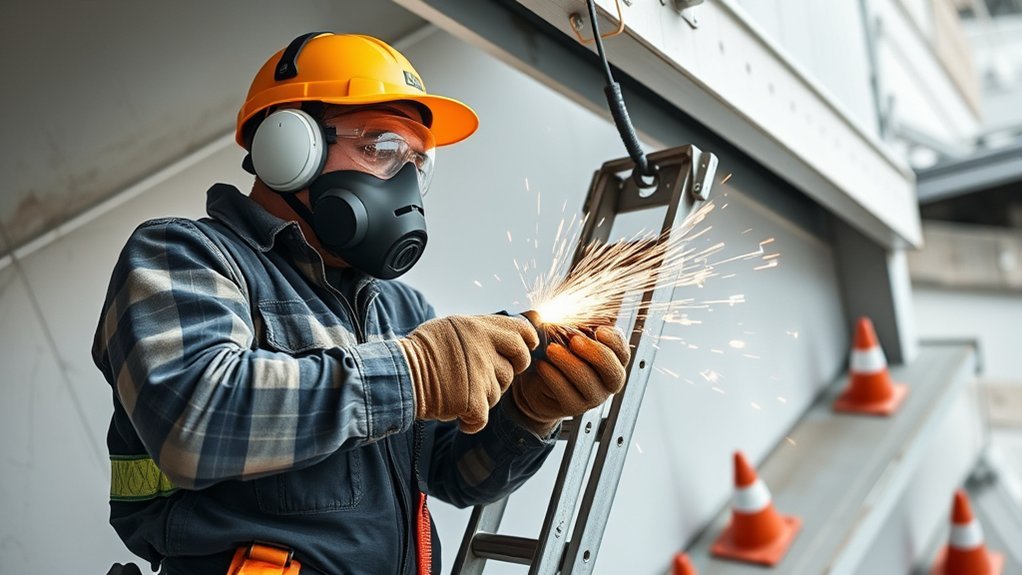
Cutting with an angle grinder while you stand on a ladder creates two serious risks at once: tool kickback and a fall. You need firm footing, two-hand control, the right wheel, and clear space before you make any cut. This guide explains how to lower the risk, what gear to wear, how to set the ladder, and what to do if the grinder binds, sparks, or overheats.
Quick Answer
Use an angle grinder on a ladder only when you can keep three points of contact before and after the cut, hold the grinder with both hands during the cut, and keep the work below shoulder height. Set the ladder on firm, level ground, secure the workpiece, use the correct wheel, and keep the guard in place. For higher, awkward, or heavy cuts, use a scaffold, platform, or ground-level setup instead.
Key Takeaways
- Keep the grinder below shoulder height so you can control the tool and your balance.
- Use safety glasses, a face shield, hearing protection, gloves, and sturdy non-slip footwear.
- Check that the wheel fits the grinder and has a speed rating that meets or exceeds the grinder speed.
- Clamp the material before cutting so it cannot shift, bind, or fall.
- Choose a safer work platform instead of a ladder when the cut requires reach, force, or awkward body position.
How to Safely Use an Angle Grinder on a Ladder
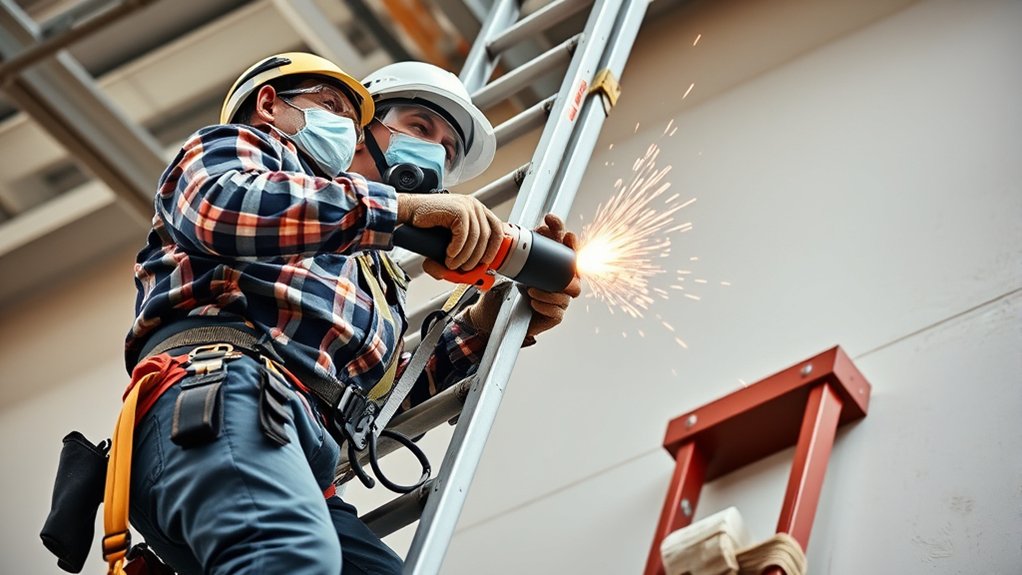
Using an angle grinder on a ladder can cause a fall, a wheel injury, or burns from sparks. Treat the job as high risk before you start. If you cannot hold the grinder with both hands and stay balanced, move the work to ground level or use a stable work platform.
Set the ladder on stable ground and place it at a safe working angle. Use a paddle trigger grinder when possible because it stops when you release the trigger. Keep the grinder below shoulder height, and never lean away from the ladder to reach the cut.
Check the wheel before each cut. The wheel diameter must match the grinder, and the wheel speed rating must meet or exceed the grinder speed. Keep the guard in place so it can deflect sparks and fragments away from you.
Warning: Do not use an angle grinder from a ladder when the cut could pull you off balance, bind the wheel, or force you to reach.
What You’ll Need Before You Begin
Gather your tools and safety gear before you climb. Keep extra parts and cords off the ladder so you don’t trip or lose balance.
- Angle grinder with the correct guard installed
- Cutting or grinding wheel rated for the grinder speed
- Safety glasses and a full face shield
- Hearing protection and a respirator when dust may form
- Work gloves and sturdy non-slip footwear
- Clamps, a vice, or other supports for the workpiece
- Fire extinguisher rated for the materials in the work area
Estimated total time: Plan 10 to 20 minutes for setup and inspection before you start cutting. The cut itself may take only a few minutes, but rushing the setup creates the most danger.
Products Worth Considering

【Value Sets】The grinder nut set includes 1 angle grinder wrench and 6 angle grinder nuts (3 inner flange nuts, 3 outer flange nuts). Please check size and compatibility before ordering. Please contact us with any questions or concerns. We prioritize your satisfaction .

Included: (1) DeWalt N441218 Angle Grinder Guard Replacement for Angle Grinder DCG414B

【INCLUDE】Our angle grinder wrench kit include 1 angle grinder wrench, 3 inner angle grinder flange nuts, 3 outer angle grinder flange nuts. We have also provided you with a storage bag for easy carrying and storage.
Essential Safety Gear for Using a Ladder
Safety gear protects you from sparks, dust, wheel fragments, and falling objects. Wear safety glasses under a full face shield so your eyes and face stay covered. Use a hard hat when overhead work or falling material could strike you.
Use respiratory protection when cutting masonry, concrete, coated metal, or any material that creates fine dust. Angle grinders can also produce noise above safe comfort levels, so wear hearing protection. Choose sturdy, non-slip footwear so your feet stay secure on ladder rungs.
Position Your Ladder for Maximum Stability
Positioning your ladder correctly gives you a safer base before the tool starts. Place the ladder on a flat, firm surface, and keep the area around the feet clear. Do not set a ladder on loose gravel, scrap wood, buckets, or slick flooring.
- Set the ladder at about a 75-degree angle.
- Place the base one foot away from the wall for every four feet of ladder height.
- Check that the ladder load rating covers your weight, tools, and gear.
- Use stabilizers or have another adult secure the ladder when needed.
- Keep your belt buckle between the side rails to avoid overreaching.
If you need to reach sideways, climb down and move the ladder. A small move takes less time than recovering from a fall.
Choosing the Right Wheel for Your Angle Grinder
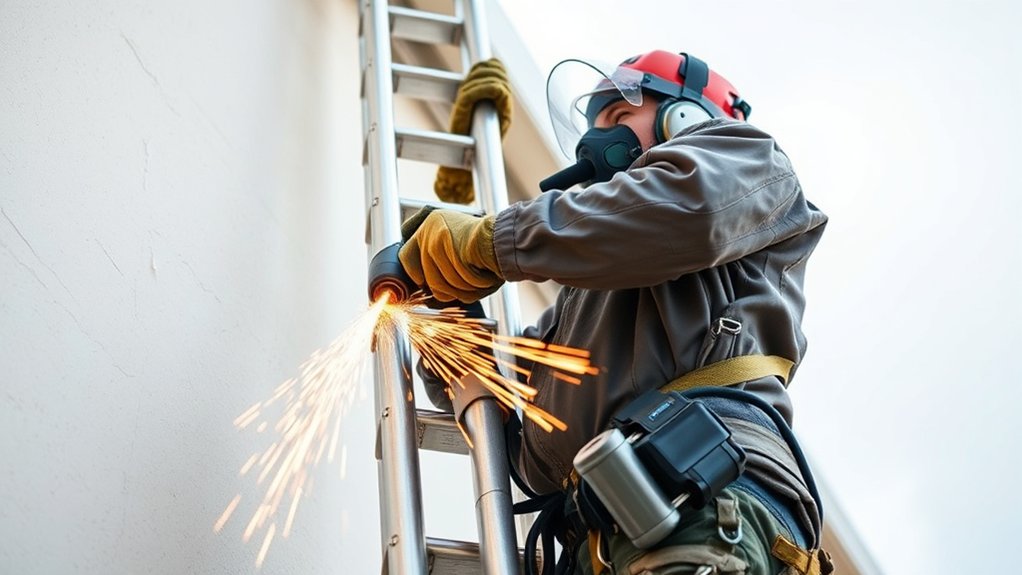
The right wheel depends on the material and the job. A cutoff wheel makes thin cuts, while a grinding wheel removes more material. Never use a wheel that lacks a clear speed rating or shows cracks, chips, or heavy wear.
Match the wheel diameter and arbor size to the grinder. Make sure the wheel speed rating meets or exceeds the grinder’s no-load speed. A wheel with too low a speed rating can fail during use.
Products Worth Considering


[High-Performance Cutting] Designed for cutting metal & stainless steel, these cut off wheels 4 1/2 inch work efficiently with any angle grinder wheel, supporting speeds up to 13,300 RPM.
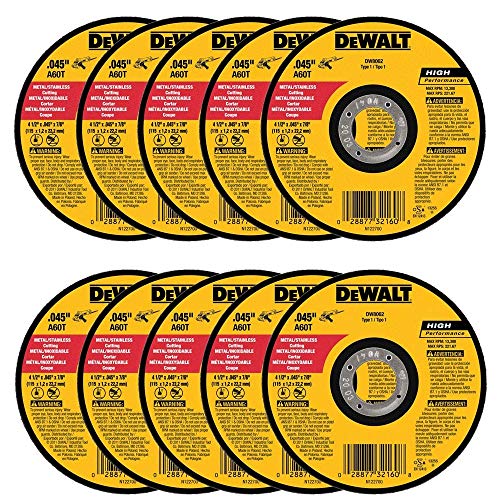
Thin . 045-Inch wheel design for fast burr free cutting this are easy to use
Wheel Types Overview
Each wheel type serves a different purpose. Choose the wheel for the material, not just the size of the grinder.
- Cutoff wheels: Thin wheels that cut metal, tile, or masonry with less material removal.
- Grinding wheels: Thicker wheels that shape, smooth, or remove metal.
- Diamond wheels: Durable wheels that cut concrete, tile, stone, or masonry.
- Flap discs: Layered abrasive discs that blend, clean, or finish metal surfaces.
Installation Tips Explained
Unplug the grinder or remove the battery before you install a wheel. Inspect the wheel, flanges, guard, and spindle threads before assembly. Tighten the wheel according to the grinder manual, and do not overtighten it.
| Wheel Type | Common Use | Key Safety Check |
|---|---|---|
| Cutoff Wheel | Straight cuts in metal or masonry | Use only for cutting, not side grinding |
| Grinding Wheel | Shaping or smoothing metal | Keep the guard set for spark control |
| Diamond Wheel | Concrete, stone, tile, or masonry | Use dust control and respiratory protection |
| Flap Disc | Blending or finishing metal | Do not force the disc into the work |
| Specialty Wheel | Material-specific cutting or grinding | Follow the wheel label and tool manual |
Safety Ratings Importance
Wheel ratings help prevent wheel failure. Check the wheel label before each use, especially when you change materials. Do not use damaged, expired, wet, or unmarked abrasive wheels.
- Confirm the wheel speed rating meets or exceeds the grinder speed.
- Match the wheel diameter to the grinder’s listed size.
- Use reinforced abrasive wheels for handheld cutting when the label calls for them.
- Use thinner cutoff wheels only for straight cuts with light pressure.
Step-by-Step Angle Grinder Cutting Techniques on a Ladder
Follow these steps only when you can cut without reaching, twisting, or lifting the grinder above shoulder height. Stop and change your setup if the ladder shifts, the material moves, or the wheel starts to bind.
- Inspect the ladder, grinder, guard, wheel, cord, and work area. Replace damaged parts before you start.
- Set the ladder on firm, level ground. Keep the ladder angle near 75 degrees and clear the area around the feet.
- Secure the workpiece with clamps or a vice. Support long pieces so they cannot pinch the wheel or fall.
- Put on your protective gear. Wear eye, face, hearing, hand, foot, and respiratory protection as the job requires.
- Grip the grinder with both hands. Keep your body centered on the ladder and keep the tool below shoulder height.
- Start the grinder before it touches the material. Let the wheel reach full speed before you begin the cut.
- Cut with light, steady pressure. Keep the wheel straight in the cut and avoid twisting it.
- Direct sparks away from your body and flammable material. Pause if sparks move toward fuel, dry debris, or cords.
- Release the trigger and let the wheel stop fully. Do not climb down or set the grinder down while the wheel spins.
A steady cut works better than a forced cut. Forcing the grinder can overheat the wheel, bind the tool, and increase kickback risk.
Pro tip: Make a shallow guide cut first when the material allows it, then finish the cut with lighter pressure.
Secure Your Materials Before Cutting
Securing your materials helps you make cleaner cuts and maintain control. Loose material can shift, pinch the wheel, or fall while you stand on the ladder. Clamp the workpiece before the grinder touches it.
- Use clamps or a vice to hold the material firmly.
- Support long or heavy pieces so they do not tip after the cut.
- Place the cut line at a height that lets you keep both hands on the grinder.
- Move flammable material away from the spark path.
Check the workpiece again after you climb into position. If it moves when you touch it, climb down and secure it better.
When You Should Not Use a Ladder for Angle Grinding
A ladder does not suit every angle grinder job. Use a scaffold, lift, platform, or ground-level workbench when the cut needs force, reach, or long tool time. A wider work surface gives you better balance and more control.
Avoid ladder use when the material is above shoulder height, behind you, or far to either side. Also avoid it when sparks could hit fuel, dry leaves, insulation, paint thinner, or other flammable material. Choose the safer setup before the cut starts.
Common Mistakes to Avoid When Using an Angle Grinder
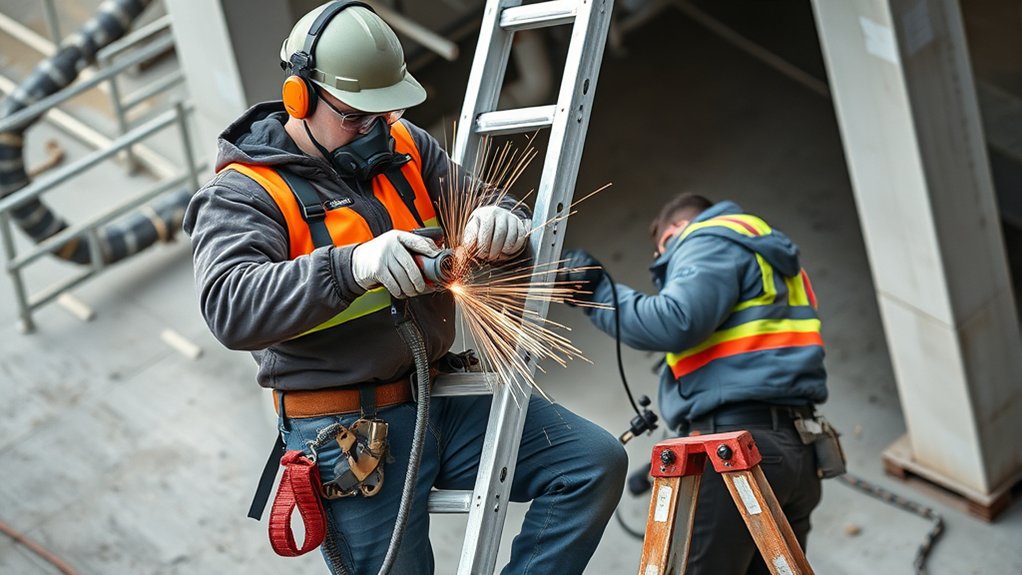
Avoiding common mistakes helps you cut with more control. Use the correct cutting wheel for the material, and check that it fits your grinder. Do not use a wheel that shows damage or lacks a readable label.
Keep the guard on the grinder. The guard helps deflect sparks and fragments when the wheel breaks or catches. Never remove it just to reach a tight spot.
Use both hands, keep your body centered, and avoid overreaching. Secure your workpiece before the cut so the material cannot slip. The grinder’s speed can turn a small mistake into a serious injury.
What to Do If Something Goes Wrong?
Stop the tool first when a problem starts. Then deal with the material, ladder, or injury. Do not try to save a bad cut while the grinder still runs.
- If the grinder stalls or binds: Release the trigger, keep both hands on the tool, and wait for the wheel to stop.
- If the wheel cracks or vibrates: Stop using the grinder, unplug it or remove the battery, and replace the wheel.
- If sparks ignite material: Use a suitable fire extinguisher if you can do so safely, and leave the area if the fire spreads.
- If the grinder overheats or smokes: Disconnect power and let it cool before you inspect it.
- If someone gets hurt: Apply first aid and call emergency services for heavy bleeding, burns, eye injury, or a fall.
Review your setup before you restart work. A stall, spark fire, or near fall means something about the job needs to change.
Frequently Asked Questions
How to Cut With an Angle Grinder Safely?
To cut safely with an angle grinder, secure the workpiece, use the right wheel, and wear eye and face protection. Hold the grinder with both hands, let the wheel reach full speed, and cut with light pressure. Keep sparks away from your body and anything that can burn.
How to Use an Angle Grinder Step by Step?
Inspect the grinder first, then choose a wheel that matches the material and tool speed. Install the wheel with the power disconnected, put on protective gear, and secure the material. Start the grinder, make a steady cut or grind, and let the wheel stop before you set the tool down.
Which Way Do You Cut With an Angle Grinder?
Cut so sparks and debris move away from your body, ladder, cords, and flammable material. Keep the wheel straight in the cut and avoid twisting the grinder. Follow the tool manual because guard position and wheel direction can vary by grinder design.
What Are the Key Safety Precautions to Take When Using an Angle Grinder?
Wear safety glasses, a face shield, hearing protection, gloves, and sturdy footwear. Keep the guard installed, use the correct wheel, secure the material, and keep both hands on the grinder. Use a safer platform instead of a ladder when the job requires reach or force.
Safety Disclaimer: This article is for informational purposes only and does not replace professional safety training, manufacturer instructions, or workplace safety rules. Read your tool manual, follow local regulations, and ask a qualified professional for help when a job involves height, power tools, or hazardous materials.
Conclusion
The safest angle grinder cut on a ladder starts with stable footing, secure material, the right wheel, and full control of the tool. Set up the job so you can keep the grinder below shoulder height and use both hands during the cut. If the work forces you to reach, twist, or rush, change the setup before you start. A safer platform and a few extra minutes of prep can prevent a serious injury.
References
- Portable Ladder Safety — Occupational Safety and Health Administration
- Hand and Power Tools — Occupational Safety and Health Administration
- Noise and Occupational Hearing Loss — National Institute for Occupational Safety and Health