Disclosure: As an Amazon Associate, we earn from qualifying purchases. If you click a link on this page and make a purchase, we may receive a small commission at no extra cost to you.
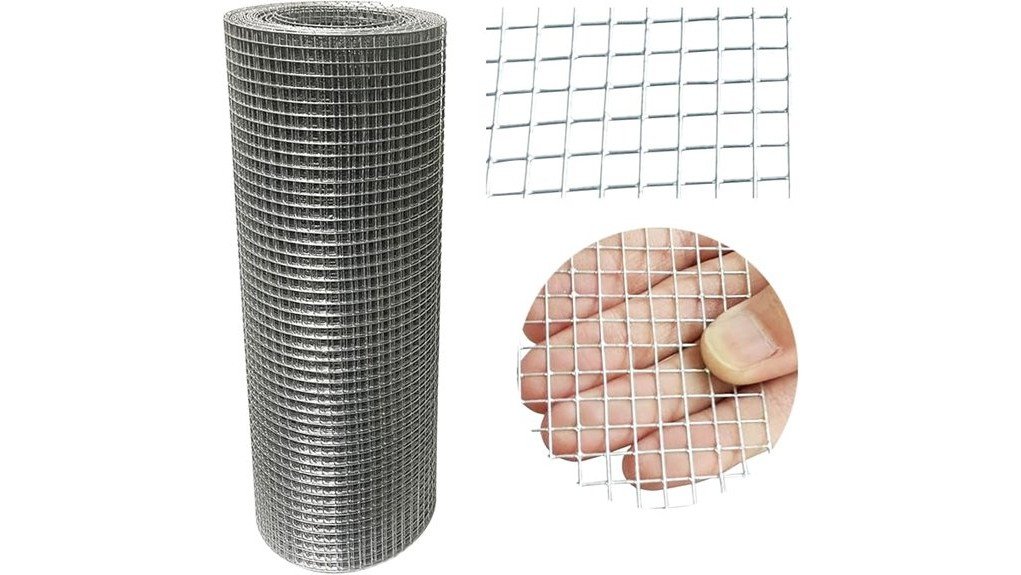
Small gaps in garden beds, coop openings, vents, and animal enclosures can invite pests fast. This 12-inch by 20-foot hardware cloth is made for buyers who need a narrow roll of metal mesh that is easier to cut, shape, and fasten than full-size fencing panels. The 1/4-inch mesh, 23-gauge low carbon steel wire, and hot-dip galvanized finish make it a practical pick for pest barriers, small repairs, and custom outdoor projects. It is useful for many jobs, but its 12-inch width means it is better as a barrier strip, cover, liner, or reinforcement than as a full-height fence.
Quick Verdict
Rating: 8.4/10
Best For: Garden protection, chicken coop repairs, small animal enclosures, vent covers, and narrow pest-control barriers.
Bottom Line: This hardware cloth gives you a strong mix of small mesh spacing, galvanized corrosion resistance, and easy customization. The main tradeoff is the narrow 12-inch width, so plan your cuts and coverage before buying.
Key Takeaways
- The roll measures 12 inches by 20 feet, making it useful for edging, covers, small openings, and custom cuts.
- The 23-gauge low carbon steel wire gives the mesh a firm feel while still allowing it to be cut and shaped for projects.
- The 1/4-inch mesh size helps block many small pests while still allowing airflow and visibility.
- The hot-dip galvanized finish is designed to resist weather, moisture, rust, and corrosion in outdoor use.
- It works best when you use proper fasteners, keep the mesh under even tension, and check cut edges for sharp points.
| Specification | Detail |
|---|---|
| Product type | Hardware cloth roll |
| Size | 12 inches by 20 feet |
| Mesh opening | 1/4 inch |
| Wire gauge | 23-gauge |
| Material | Low carbon steel wire |
| Finish | Hot-dip galvanized finish |
| Best use | Garden beds, animal enclosures, chicken coops, vent covers, pest barriers, and craft or repair projects |
| Customization | Can be cut to smaller shapes and sizes with suitable wire cutters |
| Care note | Store unused mesh in a dry place and inspect outdoor installations for rust, loose fasteners, or bent sections. |
Product Specifications and Features
This hardware cloth is a 12-inch by 20-foot roll made from 23-gauge low carbon steel wire. That size makes it easier to handle than wider fencing rolls, especially when you only need to protect a raised bed edge, cover a vent, reinforce a coop gap, or line a small enclosure.
The 1/4-inch mesh is the key feature for pest control. It creates smaller openings than many general-purpose fencing options, so it can help block many rodents and garden pests while keeping airflow open for plants, cages, and covered spaces.
The hot-dip galvanized finish adds weather resistance for outdoor use. It is a better fit for damp gardens, exposed coop areas, and seasonal outdoor projects than bare steel mesh, though any cut or scratched section should still be checked over time.
What Is the 12-Inch by 20-Foot Hardware Cloth?
The 12-inch by 20-foot hardware cloth is a narrow roll of metal mesh used for barriers, covers, repairs, and custom outdoor projects. It is not a decorative fabric cloth. It is a steel wire mesh that you cut, bend, and fasten into place where you need protection or reinforcement.
Its main selling point is the mix of small 1/4-inch openings and a galvanized steel build. For garden use, that means you can protect plants without fully blocking light or airflow. For animal enclosures, it can help close small gaps around coops, cages, and pens when installed securely.
Because the roll is only 12 inches wide, it is best for targeted projects rather than large fence runs. You can still use multiple strips side by side, but larger jobs may be easier with a wider roll.
Before You Buy: Measure the full area you need to cover. A 12-inch width is useful for strips, covers, edging, and repairs, but it may be too narrow for tall fence panels or full enclosure walls.
Who Should Buy It?
Best For
- Gardeners who need a small-mesh barrier around raised beds, seedling areas, or flower beds.
- Chicken coop owners who need to cover small openings, vents, gaps, or repair patches.
- DIY buyers who want a roll that can be cut for covers, cages, craft projects, and small fencing jobs.
Skip If
- You need a full-height fence or a wide continuous barrier with fewer seams.
- You want a soft, flexible plastic mesh instead of steel wire.
- You do not have wire cutters, gloves, or proper fasteners for a safe installation.
Build Quality and Materials
The 23-gauge low carbon steel wire gives this hardware cloth a useful balance of strength and workability. It is firm enough for pest barriers and small animal enclosure work, yet still manageable for cutting and bending during DIY installation.
The hot-dip galvanized finish helps protect the steel from moisture and outdoor exposure. This matters in gardens, coops, and wet areas because untreated steel can rust quickly. Galvanized mesh still needs basic care, especially where the wire has been cut, scraped, or bent sharply.
The smooth surface can make handling easier than rougher wire, but you should still wear gloves. Cut wire ends can be sharp, and small pieces may spring back while you are shaping or fastening the mesh.
Mesh Size and Pest Protection
The 1/4-inch mesh size is one of the strongest reasons to choose this roll. Smaller openings help block more pests than wider fencing while still letting air move through the protected area.
For raised beds, the mesh can help protect young plants, bulbs, and roots when placed around openings or used as a barrier. For coops and animal enclosures, it can help close vulnerable gaps where small animals may enter or escape.
No hardware cloth solves every pest problem by itself. Burrowing pests, determined wildlife, and poorly secured edges can still cause trouble, so installation quality matters as much as the mesh size.
Installation and Ease of Use
Installation is straightforward when you prepare the right tools before you start. The article-supported tool list includes wire cutters for trimming, gloves for hand protection, a measuring tape for layout, and a staple gun or fencing staples for securing the mesh.
For wood frames, pull the mesh evenly before fastening it so it does not sag. For garden use, overlap seams where pests might push through. For coop repairs, check corners and edges because animals often test weak spots first.
Because the roll is 12 inches wide, it is easy to position in tight spaces. The tradeoff is that larger projects may need several strips, which creates more seams that must be fastened well.
Pro Tip: After cutting the mesh, bend sharp wire ends inward or cover them with a frame edge where possible. This helps reduce snagging and makes the finished project safer to handle.
Versatile Applications and Customization Options
A 12-inch by 20-foot roll gives you enough length for many small and medium projects. You can cut it into panels, strips, wraps, or custom shapes, which makes it useful when pre-made fencing does not fit your space.
In gardens, it can be used around raised bed bases, planter openings, seedling covers, or small fence sections. Around animals, it can help reinforce chicken coops, small pet enclosures, and outdoor cages when secured with suitable fasteners.
It also works for non-animal projects such as vent covers, screen repairs, decorative fencing, craft frames, and protective covers. The metal construction is more durable than many plastic mesh options, but it is also sharper and less forgiving during cutting.
How It Performs in Real Use
For Garden Protection
In garden beds, the 1/4-inch mesh helps create a physical barrier without blocking airflow. It is most useful around vulnerable openings, raised bed edges, and small areas where pests are likely to enter.
For Chicken Coops and Animal Enclosures
For coops, cages, and small enclosures, the steel wire can help reinforce weak spots when it is pulled tight and fastened securely. It is a practical add-on for gaps, vents, and repair patches, but it should not replace a strong frame or latch system.
For Custom DIY Projects
The narrow roll is convenient for projects that need small pieces, such as covers, screens, craft panels, or decorative fencing. You can trim it to fit odd shapes, which is useful when standard panels are too wide or hard to handle.
For Long-Term Outdoor Use
The galvanized finish helps the mesh stand up to moisture and weather better than untreated steel. For the best service life, inspect the mesh during seasonal cleanups and look for rust at cut edges, staple points, and scratched areas.
Maintenance and Storage Tips
Maintenance is simple, but it should not be skipped. Check outdoor installations for rust, loosened staples, bent corners, and sharp exposed ends. Small issues are easier to fix before pests find a weak point.
Store unused hardware cloth in a dry, cool area. Keep it rolled or laid flat so it does not kink, bend, or develop awkward folds. If it was used outdoors, brush off dirt before storage to reduce moisture buildup.
If you paint the mesh, use surface prep and a coating that is suitable for galvanized metal. Regular paint may not bond well to galvanized surfaces without proper cleaning and primer.
Pros and Cons
Pros
- 1/4-inch mesh helps block many small pests while keeping airflow open.
- 23-gauge low carbon steel wire provides a useful mix of strength and cut-to-fit flexibility.
- Hot-dip galvanized finish improves resistance to weather, moisture, rust, and corrosion.
- 12-inch width is easy to handle for small repairs, strips, covers, and custom panels.
- Works for gardens, chicken coops, animal enclosures, vents, and creative DIY projects.
Cons
- The 12-inch width may be too narrow for large fencing jobs or full enclosure walls.
- Cut edges can be sharp, so gloves and careful finishing are needed.
- Large projects may need overlapping strips, which adds more seams to secure.
Is It Worth the Price?
This hardware cloth offers strong value for the price if you need a small-mesh steel barrier for regular garden, coop, or repair work. The 1/4-inch openings and galvanized finish make it more useful for outdoor pest control than basic plastic mesh in many situations.
It is a smart buy for everyday use when you need many small cut pieces from one roll. Buyers with larger fencing projects may get better value from a wider roll, since this 12-inch version may require more seams and more fastening time.
How It Compares to Alternatives
Compared with plastic fencing, this steel hardware cloth is better for buyers who care about durability, bite resistance, and long-term outdoor use. Plastic mesh is easier to cut and safer to handle, but it is usually less sturdy against chewing, pressure, and weather exposure.
Compared with wider wire fencing, this 12-inch roll is easier to manage in tight areas but less efficient for tall barriers. It makes the most sense when your project needs small-mesh coverage in a narrow strip, patch, cover, or custom shape.
Frequently Asked Questions
Can this hardware cloth be painted?
Yes, but surface prep matters. Clean the galvanized metal first and use a primer or coating made for galvanized surfaces so the finish bonds better.
Is it safe to use around pets and wildlife?
It can be used around pets and wildlife when installed correctly. Cover or bend sharp cut edges, secure loose sections, and make sure animals cannot snag fur, paws, feathers, or noses on exposed wire.
What tools do you need for installation?
You will usually need wire cutters, gloves, a measuring tape, and a staple gun or fencing staples. For wood frames, use fasteners that hold the mesh tight without tearing or bending the wire pattern.
How should unused hardware cloth be stored?
Store unused mesh in a dry, cool area. Keep it rolled or laid flat to reduce kinks, bending, and moisture exposure.
Is 1/4-inch mesh good for garden pests?
The 1/4-inch mesh can help block many small pests while still allowing airflow. For burrowing animals or determined wildlife, secure the edges well and consider burying or anchoring the mesh where appropriate for your setup.
Can this replace a full fence?
Not for most full-height fencing jobs. The 12-inch width is better for edging, strips, repair patches, covers, and narrow barriers.
How does it compare to plastic fencing?
Hardware cloth is stronger and more durable than many plastic fencing options. Plastic fencing is lighter and easier to handle, but steel mesh is usually better when you need resistance to chewing, pressure, and outdoor wear.
The Bottom Line
The 12-inch by 20-foot hardware cloth is recommended with caveats for buyers who need a small-mesh steel barrier for garden protection, coop repairs, animal enclosures, vents, and custom DIY work. Its best strengths are the 1/4-inch mesh, 23-gauge steel wire, and hot-dip galvanized finish, while its main limitation is the narrow 12-inch width. Skip it if you need a wide, full-height fencing solution with fewer seams.