Disclosure: As an Amazon Associate, we earn from qualifying purchases. If you click a link on this page and make a purchase, we may receive a small commission at no extra cost to you.
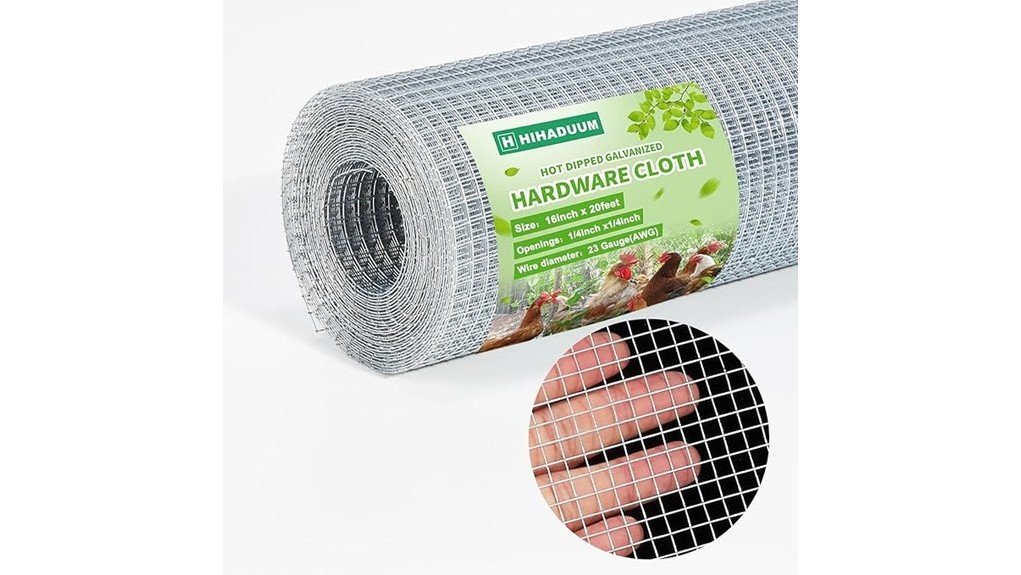
Protecting a garden bed, chicken coop, tree base, or small animal area often comes down to the strength and spacing of the barrier you install. The 16” x 20′ hardware cloth is designed for buyers who need a flexible wire mesh roll for pest control, garden protection, and small enclosure projects. This review looks at its listed size, galvanized construction, handling, common uses, and limits so you can decide if it fits your setup. It looks like a practical choice for small to medium DIY jobs, but you should confirm the exact mesh opening and gauge details on the Amazon listing before buying.
Quick Verdict
Rating: 8.3/10
Best For: Garden beds, chicken coops, tree guards, and small outdoor barrier projects.
Bottom Line: This hardware cloth is worth considering if you want a manageable 16-inch by 20-foot roll with galvanized outdoor protection. The main tradeoff is that the article-supported details do not confirm a brand name, weight, or warranty, so careful product-page checking matters.
| Specification | Detail |
|---|---|
| Product type | Hardware cloth wire mesh roll |
| Listed size | 16 inches wide by 20 feet long |
| Listed gauge | 23 gauge |
| Listed mesh detail | 1/4-inch hardware cloth detail stated in the source article |
| Material finish | Hot-dip galvanized after welding, according to the article |
| Rust protection | Article states a double zinc coating for outdoor corrosion resistance |
| Best use | Garden beds, chicken coops, raised beds, tree guards, small barriers, and light enclosure work |
| Tools for cutting | Wire snips or tin snips |
| Storage note | Roll leftover material tightly and secure it with ties |
| Safety note | Cut edges can be sharp, so use gloves and secure the mesh firmly |
What Is the 16” x 20′ Hardware Cloth?
The 16” x 20′ hardware cloth is a wire mesh roll made for small barrier, protection, and enclosure projects. The article describes it as a 16-inch wide, 20-foot long roll with a 23-gauge build and a hot-dip galvanized finish.
This size works well when you do not need a full-height fence roll. You can cut it into strips or panels for raised garden beds, coop openings, plant protection, or small repair jobs around a yard or workshop.
The main selling point is the mix of flexibility and outdoor durability. You can shape the mesh around corners and frames, while the galvanized finish helps it stand up better to moisture than untreated wire.
Who Should Buy It?
Best For
- Gardeners who need a narrow mesh roll for raised beds, plant cages, or pest barriers.
- Chicken coop owners who want wire mesh for small openings, vents, or added protection zones.
- DIY users who prefer a manageable 20-foot roll instead of a large fencing roll.
Skip If
- You need a tall fence panel or a roll wider than 16 inches.
- You need verified brand, warranty, or exact package-weight details before purchase.
- You are building a heavy-duty predator barrier and need thicker, stronger wire.
Product Specifications and Features
The listed 16-inch width makes this roll useful for targeted protection rather than full fence coverage. It can cover the lower section of a garden fence, wrap around a tree base, or line a raised bed without forcing you to cut down a much wider sheet.
The 20-foot length gives you enough material for several small tasks. For example, you can use sections around multiple plants, reinforce several coop gaps, or create a narrow barrier along a row of vegetables.
The source article describes the roll as 23-gauge hardware cloth with a 1/4-inch hardware cloth detail. Because those measurements can be confused in product listings, treat the 1/4-inch detail as something to confirm on the Amazon page before you order.
Material Durability and Outdoor Suitability
Outdoor wire mesh needs more than basic stiffness. It also needs a finish that can handle rain, soil contact, humidity, and repeated handling. This hardware cloth is described as hot-dip galvanized after welding, which gives it a stronger outdoor-use profile than plain untreated wire.
The article also mentions a double zinc coating. That detail matters because zinc coating helps slow rust formation when the wire sits near wet soil, damp wood, or outdoor animal areas.
| Feature | Buyer Benefit |
|---|---|
| Hot-dip galvanized finish | Better outdoor rust resistance than bare wire. |
| Welded hardware cloth design | Helps the mesh hold its grid shape during cutting and installation. |
| 16-inch width | Easy to handle for narrow garden, coop, and repair projects. |
| 20-foot length | Enough coverage for several small protection jobs. |
Installation, Handling, and Applications
You can cut this hardware cloth with wire snips or tin snips, then shape it around frames, beds, posts, or plants. Wear gloves while cutting and bending it because the trimmed wire ends can be sharp.
For garden use, the mesh can help block small animals from reaching tender plants. For coop use, it can reinforce openings where wider fencing or chicken wire may leave gaps. For tree guards, it can create a small barrier around young trunks.
Good installation depends on secure fastening. Staple, clip, tie, or screw the mesh to a stable frame or support, and check that the bottom edge does not lift easily.
Before You Buy: Confirm the exact mesh opening, gauge, roll size, and seller package details on Amazon. The source article supports the 16-inch by 20-foot size and 23-gauge listing, but it does not verify brand, warranty, or roll weight.
How It Performs in Real Use
For Raised Garden Beds
For raised beds, this roll makes sense as a bottom liner, side barrier, or small-animal guard. Its narrow width can be easier to place along bed edges than a taller fencing roll.
For Chicken Coops and Small Animal Areas
For chicken coops, hardware cloth can reinforce vents, small gaps, and lower openings. It should be fastened tightly to wood or metal framing because loose mesh can bend or pull away under pressure.
For Tree Guards and Plant Protection
For young trees or delicate plants, you can form the hardware cloth into a protective cylinder or panel. Leave enough space around the plant so the wire does not rub against stems or bark as the plant grows.
For Indoor Utility Projects
The article notes that this hardware cloth can also work indoors for crafting, small barriers, or organizing projects. Indoor use still requires careful cutting and edge control because trimmed wire can scratch surfaces or catch on fabric.
Setup Tips Before First Use
Measure the project area before unrolling the mesh. Hardware cloth is easier to cut cleanly when you mark the cut line first and keep the roll controlled.
Use gloves, eye protection, and a stable cutting surface. After cutting, bend or cover sharp ends where people, pets, or livestock may contact the mesh.
If you are using it near soil, bury or pin the lower edge where appropriate for your project. A loose bottom edge can leave a gap for small animals to push under.
Pro Tip: Cut the mesh slightly larger than your measured opening, then trim it down after a test fit. This gives you room to overlap edges and secure the cloth more firmly.
Compatibility and Safety
This hardware cloth is best treated as a project material, not a complete enclosure by itself. Its performance depends on your frame, fasteners, overlap, installation depth, and the type of animals or pests you are trying to block.
For pets and livestock, check the mesh regularly for bent corners, loose fasteners, rust spots, or sharp ends. If an animal can chew, push, or rub against the barrier, inspect the installation more often.
For food gardens, avoid leaving cut wire pieces in the soil after installation. Small offcuts can be hard to see and may create a safety issue when you weed, harvest, or replant.
Pros and Cons
Pros
- 16-inch by 20-foot roll size works well for small and medium DIY protection projects.
- Hot-dip galvanized finish supports outdoor use around gardens, coops, and yards.
- 23-gauge listing gives you a lighter, more flexible mesh for shaping and trimming.
- Can be cut with common wire snips or tin snips.
- Useful for several applications, including raised beds, chicken coops, tree guards, and indoor barriers.
Cons
- Brand, exact weight, and warranty details are not confirmed in the source article.
- 16-inch width may be too narrow for full-height fencing projects.
- Cut edges can be sharp and require careful handling.
Is It Worth the Price?
This hardware cloth looks like a strong value for the price if you need a narrow galvanized mesh roll for everyday garden and coop projects. You get enough length for several small barriers without buying a large, harder-to-handle roll.
It is worth considering if you care most about flexible installation, outdoor suitability, and common DIY use. It is not the best fit if you need a wider roll, heavy-duty predator fencing, or fully verified manufacturer details before purchase.
How It Compares to Alternatives
Compared with basic chicken wire, hardware cloth usually offers a tighter, more structured barrier for small openings and garden protection. Compared with heavier welded wire fencing, this 23-gauge, 16-inch wide roll should be easier to cut and shape, but it may not feel as strong for larger enclosure walls.
If you need quick plant protection or small repairs, this roll makes sense. If you are building a full perimeter fence or a high-risk animal enclosure, compare it with wider and heavier-gauge welded wire options before you buy.
Frequently Asked Questions
Can this hardware cloth be used for indoor projects?
Yes. The article supports indoor use for crafting, small barriers, and securing spaces. You should still handle cut edges carefully because trimmed wire can be sharp.
What size is the roll?
The article lists the roll at 16 inches wide and 20 feet long. That size is better for narrow barriers, bed edges, coop gaps, and small guards than for full-height fencing.
Is it safe for pets and livestock?
It can be used around pets and livestock as a barrier material when installed securely. Check for sharp cut ends, loose fasteners, bent sections, and gaps before animals use the area.
What tools should you use to cut it?
Wire snips or tin snips are the most practical tools listed in the article. Use gloves and cut on a stable surface so the mesh does not twist while you work.
How do you store leftover hardware cloth?
Roll leftover hardware cloth tightly and secure it with ties. Store it in a dry area when possible so the material stays clean and ready for future projects.
Can it protect raised garden beds from small animals?
Yes, it is a practical option for raised bed barriers when you install it firmly. Secure the edges well and avoid leaving gaps at corners or along the bottom.
Who should skip this hardware cloth?
Skip it if you need a wider roll, a heavy-duty fence panel, or verified brand and warranty details before ordering. It is better suited for targeted DIY protection than large structural fencing.
What common mistakes should you avoid during installation?
Do not leave cut edges exposed where people or animals can touch them. Also avoid loose fastening, poor overlap, and unprotected bottom edges that small animals can push under.
The Bottom Line
The 16” x 20′ hardware cloth is a practical pick if you need a flexible galvanized mesh roll for garden beds, coop gaps, tree guards, or small indoor and outdoor barrier projects. Its strongest points are the manageable size, article-supported galvanized finish, and broad project versatility.
You should skip it if you need a wider roll, heavier wire, or fully verified manufacturer details before purchase. Overall, it earns a recommended-with-caveats verdict for DIY buyers who confirm the exact listing details before ordering.