Disclosure: As an Amazon Associate, we earn from qualifying purchases. If you click a link on this page and make a purchase, we may receive a small commission at no extra cost to you.
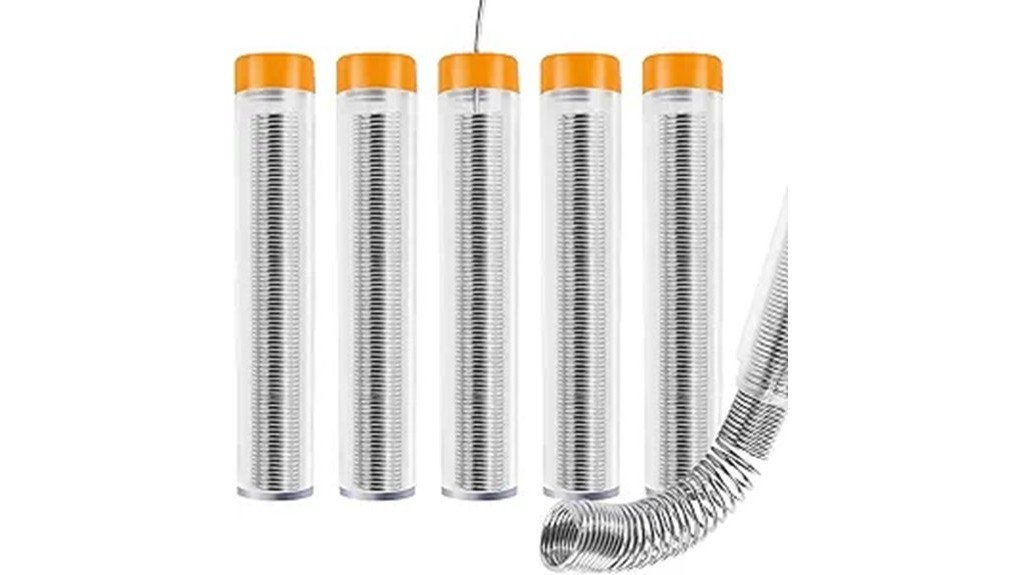
Small electronics repairs can get frustrating when your solder does not melt cleanly, flow smoothly, or fit the job size. The 5 Pack 1mm Rosin Core Solder is made for light electrical work where you need a manageable solder diameter, a low melting range, and enough material for several small projects. This review looks at its supported specs, best uses, safety limits, and buying tradeoffs so you can decide if it belongs in your repair kit. It looks practical for hobby work and basic electronics, but it is not the right choice for plumbing or lead-free-only projects.
Quick Verdict
Rating: 7.4/10, Recommended with caveats
Best For: DIY electronics repairs, circuit board touch-ups, small wire repairs, and hobby soldering practice.
Bottom Line: This solder is a practical pick if you want five small 15g tubes, 1mm wire thickness, and a low melting range of 185 °C to 190 °C. Skip it if you need verified lead-free solder, plumbing solder, or a product with confirmed warranty details.
| Specification | Detail |
|---|---|
| Product type | Rosin core solder |
| Wire size | 1mm |
| Package count | 5 tubes |
| Tube weight | 15g per tube |
| Total solder amount | 75g total across five tubes |
| Flux type | Rosin core flux |
| Melting range | 185 °C to 190 °C |
| Best use | Electronics repairs, circuit boards, radios, motors, wire repairs, and DIY soldering practice |
| Not suitable for | Plumbing applications or projects that require lead-free solder |
| Safety note | Use ventilation, avoid direct contact with smoke, and follow your soldering iron and product safety instructions. |
What Is the 5 Pack 1mm Rosin Core Solder?
The 5 Pack 1mm Rosin Core Solder is a small-format solder pack made for electrical repair and hobby soldering. Each tube contains 15g of solder, so the full set gives you five separate tubes instead of one larger spool.
The 1mm size makes it easier to control the amount of solder you feed into a joint. That matters when you work on circuit boards, small wires, radios, motors, or other compact electrical parts where too much solder can create messy joints or accidental bridges.
The article-supported melting range is 185 °C to 190 °C. That low melting range can help with quick repairs, but your final results still depend on tip temperature, surface preparation, flux behavior, and your soldering technique.
Who Should Buy It?
Best For
- DIY users who need small tubes for occasional electronics repairs.
- Hobbyists working on circuit boards, radios, motors, and wire joints.
- Beginners who want a manageable 1mm solder size for practice work.
Skip If
- You need verified lead-free solder for a lead-free-only workspace.
- You need solder for plumbing, potable water systems, or pipe work.
- You want confirmed warranty details before buying.
Before You Buy: This solder is intended for electrical repair use, not plumbing. The original article also states it is not lead-free, so choose a verified lead-free alternative if your project, workplace, school, or local rules require lead-free solder.
Quality and Performance Analysis
The main appeal is the combination of rosin core flux, 1mm diameter, and a 185 °C to 190 °C melting range. That setup fits small electrical joints better than thick solder that can overwhelm compact repair points.
Rosin core solder is useful because the flux sits inside the solder wire. During heating, the flux helps the solder wet the metal surfaces more smoothly, which can support cleaner joints when the parts are properly heated and prepared.
The article describes the solder as producing strong, reliable joints. That result is realistic for suitable electronics work, but it is not automatic. Dirty contacts, a cold soldering iron tip, wrong tip size, or moving the joint while it cools can still cause weak or dull solder joints.
Solder Flow and Melting Range
The 185 °C to 190 °C melting range helps the solder reach working temperature quickly. This can reduce the time you spend heating small components, which matters when you work near heat-sensitive parts.
You still need enough heat at the joint, not just on the solder wire. A common beginner mistake is melting solder directly onto the iron tip and dropping it onto the joint. Better results usually come from heating the joint first, then feeding solder into the heated area.
Tube Size and Project Control
Each 15g tube gives you a small, portable amount of solder. That is convenient if you want to keep one tube with a compact soldering kit, one at your workbench, and one as backup.
The five-tube format also helps if you do occasional repairs and do not want one large roll taking up space. The tradeoff is that frequent users may go through the tubes faster than a larger spool.
Joint Strength and Limitations
For basic electronics, the solder can work well when the surface is clean and the joint is heated evenly. The 1mm diameter gives you better feed control than thicker wire on small terminals and circuit board pads.
The limitation is project scope. This is not the right solder for plumbing, large metal joints, structural repairs, or applications where the solder alloy must meet a specific certification that is not listed in the source article.
Versatility in Applications
This solder is best viewed as a general electronics repair supply. The source article lists radios, circuit boards, motors, and electrical repairs as suitable applications, which makes it useful for many small bench tasks.
The 1mm wire size is especially practical for jobs where you need controlled solder placement. You can feed a little solder at a time, then stop before the joint becomes bulky.
Circuit Boards and Small Electronics
For circuit board work, the 1mm size can help you avoid applying too much solder at once. That matters around small pads, close traces, and tight component spacing.
You should still use care around sensitive parts. Avoid holding heat on one pad for too long, and let the joint cool without movement to reduce the risk of a weak connection.
Wire Repairs, Motors, and Radios
For small wire repairs, this solder can help secure electrical connections when the wire is stripped, cleaned, twisted, and heated correctly. It can also work for hobby motors or radio repairs where the joint size is modest.
It is not a substitute for the right mechanical support. On wires that move or vibrate, use proper strain relief, heat-shrink tubing, or another protective method after soldering.
Why It Is Not for Plumbing
The original article clearly says this solder is not made for plumbing applications. Plumbing work requires solder designed for that purpose and must meet the correct safety requirements for the system.
Use this product for electronics, not pipes. That single distinction can prevent a costly buying mistake.
How It Performs in Real Use
For Quick Electronics Repairs
For small repair jobs, the low melting range and rosin core design should make the solder easy to work with. It is a practical choice when you need to reconnect a wire, touch up a small joint, or repair a basic electrical connection.
For DIY Practice
Beginners can benefit from the 1mm diameter because it is easier to control than larger solder wire. The five tubes also give you enough material to practice on scrap wire or spare boards before working on the actual repair.
For Portable Toolkits
The 15g tubes are easy to store in a toolbox, field repair kit, hobby drawer, or small electronics bench. You can keep one tube nearby without carrying a larger roll.
For Repeated Small Projects
The 75g total amount across five tubes gives you enough solder for many small jobs. If you solder every day or work on larger assemblies, a bigger spool may offer better long-term convenience.
How to Use It Correctly
Start with clean parts, a properly heated soldering iron, and a stable work surface. Heat the metal joint first, then feed a small amount of solder into the joint instead of melting a blob only on the iron tip.
Use just enough solder to cover and bond the joint. Too much solder can create bridges between nearby contacts, hide a poor connection, or make later troubleshooting harder.
Let the joint cool without movement. A shiny, smooth joint is usually a better sign than a dull, lumpy joint, but you should still inspect the connection and test the circuit when safe to do so.
Pro Tip: Keep one tube for practice and one tube for actual repairs. Practicing on scrap wire first helps you dial in solder feed speed, tip temperature, and joint timing before touching a real circuit board.
Before You Use It: Safety and Materials
The source article states that this solder is not lead-free. Because of that, handle it with care, wash your hands after use, and keep it away from children, pets, food surfaces, and drink containers.
Use ventilation while soldering. Rosin core solder can produce smoke during heating, and even mild smoke should not be treated as something to breathe directly.
Always follow the instructions for your soldering iron, work surface, and project. For electronics that affect safety-critical systems, high voltage equipment, or expensive devices, consider professional repair instead of trial-and-error DIY work.
Pros and Cons
Pros
- 1mm wire size gives you better control on small electrical joints.
- Five 15g tubes make storage and portable repair kits easier.
- 185 °C to 190 °C melting range supports quick electronics work.
- Rosin core design helps solder flow during typical electrical repairs.
- Useful for circuit boards, radios, motors, wires, and hobby projects.
Cons
- Not suitable for plumbing applications.
- Not lead-free according to the source article.
- Warranty details are not confirmed in the available product information.
Is It Worth the Price?
The 5 Pack 1mm Rosin Core Solder looks like a practical value choice for occasional electronics work because you get five separate tubes and a total of 75g of solder. That format makes sense if you want small amounts stored in different work areas or toolkits.
It is worth considering if you need controlled solder feed for small repairs rather than a large spool for heavy daily use. Buyers who solder often may prefer a larger roll, while users with lead-free requirements should compare verified lead-free alternatives.
The strongest value comes from convenience. You get a portable five-pack, but you do not get confirmed warranty details or verified lead-free composition in the article-supported information.
How It Compares to Alternatives
Compared with larger solder spools, this five-tube pack is easier to store and carry but may be less convenient for high-volume work. Compared with thicker solder wire, the 1mm size gives you more control on small electronics but may feel slower on larger joints.
If you need certified lead-free solder, compare this with a clearly labeled lead-free rosin core option. If you need plumbing solder, choose plumbing-specific solder instead of this electronics-focused product.
Frequently Asked Questions
What is the 5 Pack 1mm Rosin Core Solder best used for?
It is best used for small electrical repairs, circuit boards, radios, motors, wire joints, and DIY electronics practice. The 1mm size helps you control solder flow on compact work areas.
How much solder comes in the package?
The package includes five tubes. Each tube contains 15g of solder, giving you 75g total across the full pack.
What is the melting range?
The article-supported melting range is 185 °C to 190 °C. This range makes it suitable for quick electronics work when you use the right soldering iron temperature and technique.
Can this solder be used for plumbing?
No. This solder is intended for electrical repair work, not plumbing, pipe work, or potable water systems. Use solder designed specifically for plumbing if your project involves pipes.
Is this solder lead-free?
The source article states that this solder is not lead-free. Choose a verified lead-free solder if your project, school, shop, or safety policy requires lead-free materials.
What type of flux does it use?
It uses rosin core flux. The flux helps solder flow during electrical repairs, but clean surfaces and correct heating still matter for a strong joint.
Does it come with a warranty?
Warranty details are not confirmed in the available article information. Check the Amazon listing and seller details before buying if warranty coverage is important to you.
Who should skip this solder?
Skip it if you need lead-free solder, plumbing solder, a large spool for daily production work, or documented certifications not listed in the article. It makes more sense for small electronics and hobby repair tasks.
The Bottom Line
The 5 Pack 1mm Rosin Core Solder is a sensible choice if you need small, easy-to-store tubes for electronics repairs, practice work, and light DIY soldering. Its main strengths are the 1mm wire size, five-tube format, rosin core design, and 185 °C to 190 °C melting range.
Skip it if you need lead-free solder, plumbing solder, or verified warranty coverage. Overall, it earns a recommended-with-caveats verdict for buyers who want a practical electronics solder pack without overbuying a large spool.