Disclosure: As an Amazon Associate, we earn from qualifying purchases. If you click a link on this page and make a purchase, we may receive a small commission at no extra cost to you.
Small electronics repairs can fail quickly when the solder wire is too thick, slow to wet, or hard to control. The Solder Wire Tin Lead reviewed here uses a 63/37 tin-lead blend, a 0.031-inch diameter, and a rosin core flux for circuit board repairs, hobby builds, and custom device assembly. This review helps you decide if its fine wire size and easy-flowing alloy fit your bench work. The main strength is precision and smooth handling, while the main limitation is clear: this is lead solder, so it is not the right choice for child-accessible, food-contact, potable-water, or lead-free-required projects.
Quick Verdict
Rating: 8/10, Recommended with caveats
Best For: DIY electronics users, circuit board repair, small wiring work, and hobby soldering projects.
Bottom Line: This 63/37 rosin core solder wire is a practical pick when you want fine control and quick wetting on small electrical joints. Skip it if you need lead-free solder, plumbing solder, or a product safe for unsupervised use around children.
| Specification | Detail |
|---|---|
| Product type | Tin-lead solder wire |
| Alloy composition | 63/37 tin-lead |
| Wire diameter | 0.031 inch, 0.8 mm |
| Flux type | Rosin core flux |
| Design | Compact pocket pack |
| Best use | Circuit board repairs, custom electronics, hobby devices, and small electrical connections |
| Safety note | Contains lead. Use ventilation, wash hands after use, and keep it away from children, food surfaces, and potable water applications. |
| Brand or model | Not confirmed from the accessible article data. |
What Is the Solder Wire Tin Lead?
The Solder Wire Tin Lead is a fine rosin core solder wire made for small electrical work. Its 63/37 tin-lead alloy is commonly valued in electronics because it melts and solidifies at a single eutectic point, which can make hand soldering feel more predictable than many non-eutectic alloys.
The 0.031-inch, 0.8 mm diameter gives you better control than a thick solder wire when you work on tight pads, small component leads, switches, connectors, or repair points. The built-in rosin core flux helps clean the joint area during soldering, which supports better wetting and a cleaner bond when the work surface is properly prepared.
This is not a general household repair solder. It makes the most sense for electronics-focused tasks where lead solder is allowed and where you can follow safe handling practices.
Key Takeaways
- The 63/37 tin-lead alloy supports smooth flow and quick solidification for small electronics work.
- The 0.031-inch wire diameter is a good size for circuit boards, hobby projects, and tight repair areas.
- The rosin core flux helps reduce oxidation during soldering and improves wetting on suitable electrical joints.
- The compact pocket pack is easier to store in a small tool kit, field kit, or hobby bench drawer.
- The lead content requires careful handling and makes this solder a poor fit for children, food-contact surfaces, plumbing, and lead-free-required projects.
Who Should Buy It?
Best For
- DIY electronics users repairing circuit boards or small wires.
- Hobbyists building custom devices, kits, sensors, or small connectors.
- Technicians who want a fine 0.031-inch solder wire for controlled hand work.
Skip If
- You need lead-free solder for school, workplace, export, or regulatory reasons.
- You plan to solder potable water plumbing, cookware, toys, or child-accessible items.
- You need a thicker wire for large terminals, heavy-gauge cable, or broad metal seams.
Before You Buy: This solder contains lead. Do not treat it like an all-purpose household solder, and do not use it where lead-free material is required.
Alloy and Melting Performance
The 63/37 tin-lead ratio is the main reason this solder is attractive for electronics work. A 63/37 alloy is eutectic, which means it changes from solid to liquid and back again without a broad pasty stage. That can reduce the chance of disturbed joints when you remove the iron and let the connection cool.
For the buyer, this matters because small components do not tolerate long heat exposure well. A solder that wets quickly and sets cleanly can help you complete the joint faster, as long as your iron tip is clean, your temperature is appropriate, and the joint surface is prepared.
The tradeoff is the lead content. Leaded solder can be easier to work with than many lead-free choices, but it carries handling and disposal responsibilities that lead-free solder does not have in the same way.
Rosin Core Flux Benefits
The rosin core means flux sits inside the solder wire instead of requiring a separate flux step for many basic electronics tasks. As the wire melts, the flux helps reduce oxidation on the soldering surface. Better wetting helps the molten solder spread over the pad or wire instead of forming a dull bead.
This design is helpful for circuit board repair, hobby kits, and small connectors because you can feed the solder with one hand while holding the iron with the other. It also keeps your setup simpler when you only need a small amount of flux.
Rosin flux is not magic, though. Dirty pads, oxidized wire, old component leads, and poor iron technique can still produce weak joints. Clean the work area first, then use only enough solder to cover the connection.
Wire Size and Control
The 0.031-inch, 0.8 mm diameter is a practical middle-fine size for hand soldering. It is thin enough for small PCB pads and component leads, but not so thin that you constantly feed long lengths of wire for every joint.
This size works especially well when you want control over how much solder enters the joint. Too much solder can bridge nearby pads, hide a bad connection, or make later inspection harder. A finer wire helps you add solder gradually.
For large battery terminals, heavy automotive cable, or big metal tabs, this diameter may feel slow. In those cases, a thicker solder wire or another joining method may be more appropriate.
Build, Storage, and Portability
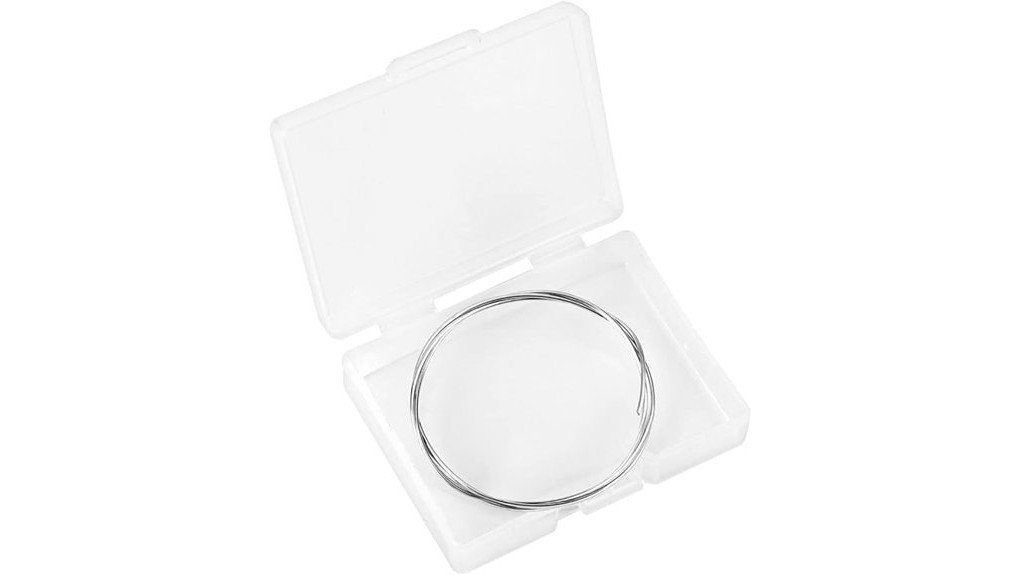
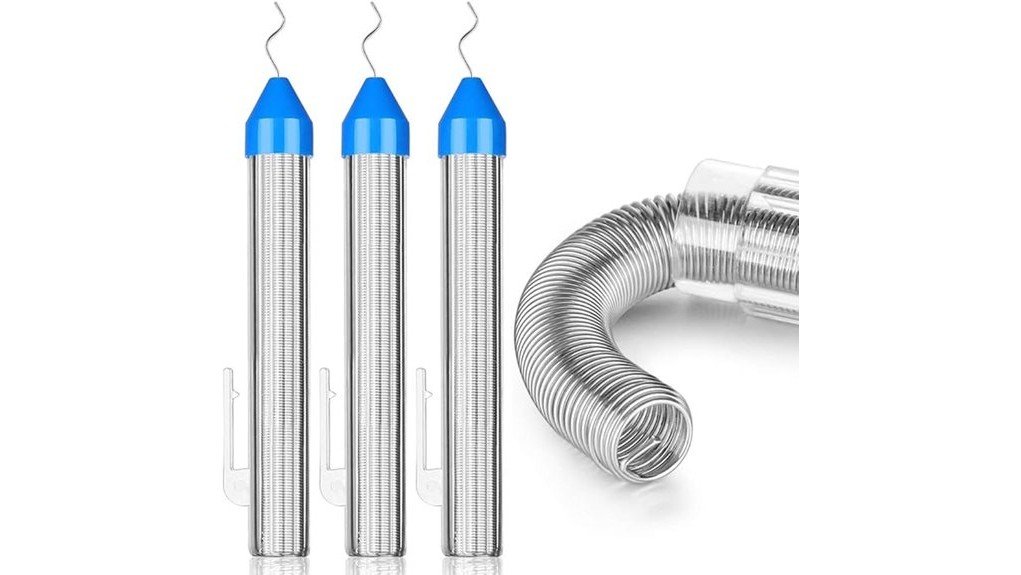
The article-supported compact pocket pack design is useful if you carry solder in a field repair pouch, classroom kit, or small electronics toolbox. It keeps the wire easier to store than a loose coil and makes quick repairs less messy.
Portability matters most for hobby users who move between a workbench, garage, maker space, or repair bag. You can keep a small solder pack with a soldering iron, cutters, tweezers, heat shrink tubing, and a soldering mat.
The compact design also means you should check the listing carefully before buying if quantity matters to you. The source article does not confirm total weight or spool length, so do not assume this is a large shop-size roll.
How It Performs in Real Use
For Circuit Board Repairs
On circuit boards, the fine 0.031-inch wire gives you better control around small pads and leads. The rosin core can help the solder wet the pad faster, but you still need a clean tip and steady hand to avoid bridges.
For Custom Electronics Projects
For kits, sensors, switches, LEDs, and small connector wiring, this solder is easy to feed in small amounts. It suits buyers who want a simple wire for bench work rather than a thick solder designed for larger metal joints.
For Automotive Electrical Touch-Ups
This solder can be used for some small automotive electrical tasks when soldering is appropriate for the repair. Vibration, heat, and service requirements matter in vehicles, so follow the service manual and use strain relief, insulation, and proper wire preparation.
For Travel or Field Kits
The compact pack is helpful when you only need solder for emergency electronics repairs or light field work. Keep it sealed, labeled, and away from children, food, and personal care items because of the lead content.
How to Use It Correctly
Start with clean parts, a clean soldering iron tip, and a stable work surface. Heat the joint first, then feed a small amount of solder into the joint area rather than melting a blob directly on the iron tip.
Use enough solder to form a smooth connection around the pad or wire, but avoid piling on extra material. After the joint cools, inspect it for a smooth shape and good coverage. A dull, cracked, or lumpy joint may need rework.
Pro Tip: For small PCB pads, touch the iron to both the pad and the component lead first, then feed only a short length of solder into the heated joint.
Compatibility and Safety
This solder is best matched with electronics work where tin-lead solder is acceptable. It is not the right product for potable water plumbing, cookware, jewelry worn by children, toys, or any project that requires lead-free materials.
Work in a ventilated area, avoid breathing fumes, wash your hands after handling the solder, and keep food and drinks away from the bench. Store the pack in a labeled container so it is not mistaken for craft wire or general household material.
If you work in a school, lab, workplace, or commercial repair setting, check your local rules before using lead solder. Some environments require lead-free solder even when leaded solder would be easier to use.
Pros and Cons
Pros
- 63/37 tin-lead alloy supports quick flow and a clean transition from liquid to solid.
- 0.031-inch diameter gives good control for small pads, leads, and wires.
- Rosin core flux helps reduce oxidation during normal electronics soldering.
- Compact pocket pack is easy to store in a repair kit or hobby toolbox.
- Useful for circuit board repairs, custom electronics, and small DIY devices.
Cons
- Contains lead, so it requires careful handling, storage, and cleanup.
- Not suitable for lead-free-required projects, potable water plumbing, cookware, or child-accessible items.
- The 0.031-inch wire may be too fine for large terminals or heavy-gauge cable work.
Is It Worth the Price?
This solder wire is worth considering if you need a compact, easy-feeding solder for small electronics work. The value comes from the combination of a 63/37 alloy, rosin core flux, and a 0.031-inch diameter that suits many repair and hobby tasks.
It is a smart buy for everyday bench use if you prefer leaded solder and understand the safety requirements. You get the most value if your work involves circuit boards, small connectors, and light electrical repairs.
It is not the best fit if you need a large shop spool, lead-free compliance, or a solder for plumbing and household metal repair. Check the product listing before ordering because the source article does not confirm pack weight or total wire length.
How It Compares to Alternatives
Compared with 60/40 tin-lead solder, 63/37 solder has the advantage of a true eutectic transition, which can make it easier to avoid disturbed joints. Compared with common lead-free solder such as SAC-style alloys, this solder may feel easier to use at the bench, but it is not suitable where lead-free material is required.
If you want the simplest option for small electronics and leaded solder is acceptable, this product makes sense. If you sell products, work in a regulated setting, or need safer handling around children, compare lead-free rosin core solder instead.
Frequently Asked Questions
What is this Solder Wire Tin Lead best used for?
It is best used for small electronics work, including circuit board repairs, hobby kits, custom device assembly, and small electrical connections. The 0.031-inch diameter gives you better control than thicker solder wire on tight pads.
What does 63/37 tin-lead solder mean?
It means the solder alloy uses 63 percent tin and 37 percent lead. This blend is popular for electronics because it melts and solidifies at a predictable eutectic point.
Is 0.031-inch solder wire good for circuit boards?
Yes, 0.031 inch, or 0.8 mm, is a useful size for many circuit board repairs and general electronics tasks. It lets you feed solder gradually, which helps reduce excess solder on small joints.
Is this solder safe to use around children?
No, it should not be used or stored where children can access it because it contains lead. Keep it clearly labeled, wash your hands after use, and keep it away from food, drinks, toys, and school craft supplies.
Can you use this solder for automotive wiring?
You can use it for some small automotive electrical repairs when soldering is the right method for the job. Vehicle wiring faces vibration and heat, so follow the service manual and protect the joint with proper insulation and strain relief.
Do you need extra flux with this solder wire?
The rosin core provides flux for many basic electronics joints. Extra flux may help on older, oxidized, or difficult surfaces, but you should use electronics-safe flux and clean residue when needed.
Who should skip this solder wire?
Skip it if you need lead-free solder, a solder for potable water plumbing, or a product for child-accessible projects. Also skip it if you need a thick solder wire for large terminals or heavy cable work.
How should you store lead solder wire?
Store it in its pack or a labeled container in a dry place away from children and food areas. Wash your hands after handling it and keep it separate from general craft or household wire.
The Bottom Line
The Solder Wire Tin Lead is a strong fit if you want a fine 0.031-inch rosin core solder for circuit board repair, DIY electronics, and small electrical joints. Its 63/37 alloy and built-in flux support easy handling, but the lead content means you must use it responsibly and skip it for lead-free, child-accessible, food-contact, or plumbing projects.