Disclosure: As an Amazon Associate, we earn from qualifying purchases. If you click a link on this page and make a purchase, we may receive a small commission at no extra cost to you.
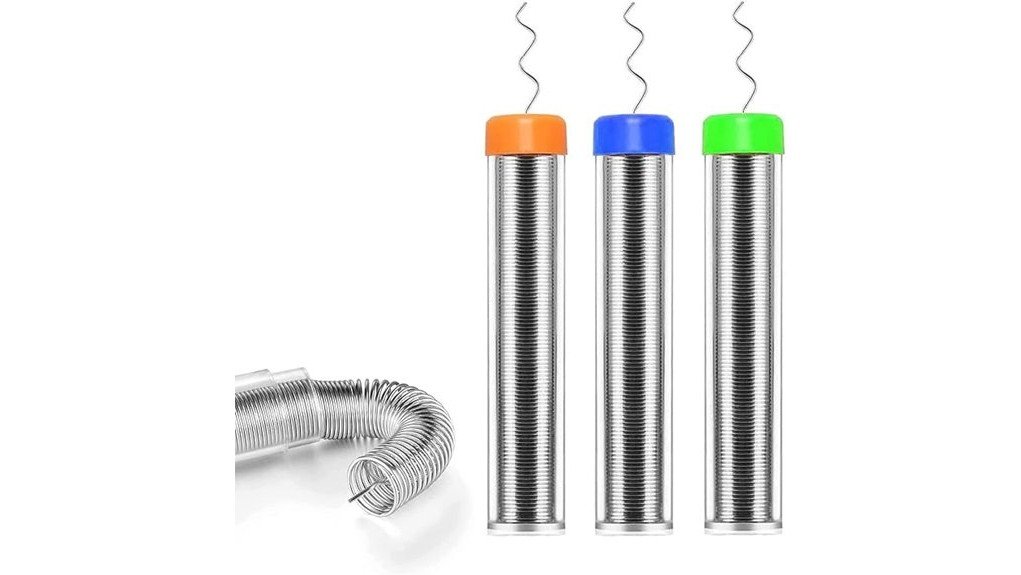
Small electronics repairs can turn messy when your solder wire is too thick, hard to control, or slow to flow. The 3Pcs Solder Wire Set gives you a 1mm rosin core option for basic circuit repairs, hobby builds, and practice work. This review helps you decide whether its balanced wire size and simple handling fit your bench, or whether you need a thinner wire, specialty alloy, or heavier-duty solder.
Quick Verdict
Rating: Recommended with caveats for beginner and light electronics work
Best For: DIY electronics, PCB touch-ups, hobby circuits, and basic repair kits
Bottom Line: The 1mm rosin core wire should feel easy to feed and control for many small soldering jobs. Its main tradeoff is that it is not the right choice for heavy industrial joints, specialty electronics work, or high-power applications that need a specific alloy.
| Specification | Detail |
|---|---|
| Product Name | 3Pcs Solder Wire Set |
| Brand | Not confirmed from the source article |
| Model | Not listed in the source article |
| Product Type | Solder wire set |
| Wire Diameter | 1mm |
| Core Type | Rosin core |
| Material Note | Lead-free solder alloy, exact alloy not listed |
| Count or Quantity | 3-piece set, seller packaging may vary |
| Best Use | DIY electronics, PCB repairs, circuit builds, and practice soldering |
| Compatibility | Most standard soldering irons used for electronics work |
| Safety Note | Use ventilation, avoid direct flux fume inhalation, and wash hands after handling |
| Storage Note | Store in a cool, dry place to reduce oxidation |
What Is the 3Pcs Solder Wire Set?
The 3Pcs Solder Wire Set is a basic solder wire pack for small electronics work, repair practice, and low-power circuit assembly. The article-supported details point to a 1mm wire diameter, rosin core design, and lead-free alloy.
The 1mm size sits between very fine solder wire and thicker repair wire. That makes it easier to feed by hand than very thin wire, while still giving you better control than bulkier solder used for large joints.
The rosin core matters because flux helps solder wet the joint and spread across clean metal surfaces. You still need a clean, properly heated soldering iron tip, but the built-in core reduces the need for a separate flux step in many simple electronics repairs.
Who Should Buy It?
Best For
- Beginners learning basic hand soldering on simple electronics
- DIY users repairing wires, small PCB joints, and low-power circuits
- Hobby builders who want a general-purpose rosin core solder for a repair kit
Skip If
- You need a verified specialty alloy for advanced electronics or regulated work
- You work on heavy-duty industrial joints, plumbing, or high-power connections
- You need a confirmed brand, exact alloy percentage, or manufacturer data before buying
Key Features and Performance Breakdown
1mm Diameter Control
The 1mm diameter gives you a practical balance for hand soldering. It is not as delicate as 0.6mm or 0.8mm wire, so beginners may find it easier to feed without bending or wasting material.
That same size can be less ideal for very tiny surface-mount work. If you solder micro components often, a thinner wire may give you cleaner control and reduce the risk of applying too much solder.
Rosin Core Flow Efficiency
The rosin core helps the solder spread when the joint is hot enough and the metal surface is clean. This can reduce dry joints, poor wetting, and uneven bonding during basic repairs.
Rosin core solder is still technique-dependent. If your iron tip is dirty, underheated, or not tinned, the solder can ball up instead of flowing into the joint.
Lead-Free Safety Design
The source article describes this solder wire as lead-free. That is helpful for home users who prefer to avoid lead-based solder in a DIY workspace.
Lead-free does not mean you can ignore safety. Flux fumes, hot metal, and solder residue still require care, ventilation, and clean handling habits.
General Electronics Compatibility
This set is most useful with standard soldering irons used for electronics repair and hobby work. Temperature control helps because lead-free solder often needs better heat management than traditional leaded solder.
For best results, match the wire to the job size. Use it for circuit boards, wires, small terminals, and practice joints rather than large metal parts or demanding industrial repairs.
Pro Tip: Clean and tin your soldering iron tip before each joint. A clean, lightly tinned tip transfers heat faster and helps this rosin core wire flow more evenly.
How It Performs in Real Use
For Circuit Board Repairs
For basic PCB repairs, the 1mm wire gives you enough solder for small through-hole joints without feeding constantly. It works best when you heat both the pad and the component lead before feeding the solder.
Use a lighter touch on tight boards. Too much solder can bridge nearby pads, especially if the board has small spacing.
For DIY Electronics Projects
The set fits common hobby tasks such as Arduino wiring, LED circuits, sensor modules, battery leads, and small connectors. The rosin core helps reduce setup time when you want a simple repair-bench solder.
You still need proper preparation. Clean wires, remove oxidation, and secure the parts before applying heat so the joint does not move while the solder cools.
For Learning Soldering
Beginners can benefit from the medium wire size because it is easier to see, feed, and control than very fine solder. It also gives enough material to practice consistent joints on scrap wire or practice boards.
The main learning curve is heat control. If the solder does not flow, do not keep adding more wire. Check the iron temperature, clean the tip, and reheat the joint correctly.
For Repair Kits and Occasional Use
A 3-piece set makes sense if you want spare solder wire in a home toolkit, workshop drawer, or electronics repair bag. It gives you backup material without committing to a large spool.
Storage matters for occasional use. Keep the wire dry and covered so oxidation does not reduce flow over time.
How to Use It Correctly
Start by cleaning the soldering iron tip and lightly tinning it with a small amount of solder. Place the hot tip where it touches both parts of the joint, then feed the solder into the heated joint instead of melting it only on the iron tip.
Let the solder flow, then remove the wire first and the iron second. Hold the joint still until it cools, because movement during cooling can create a dull or weak connection.
Use only enough solder to cover the joint cleanly. Large blobs may look strong, but they can hide weak bonding or create shorts on close circuit board pads.
Safety and Material Notes
This solder wire is described as lead-free, which can reduce one common exposure concern in home electronics work. Still, soldering creates heat and flux fumes, so you should work in a ventilated area and avoid breathing fumes directly.
Wash your hands after handling solder and before eating or touching your face. Keep solder wire and hot tools away from children, pets, flammable materials, and surfaces that can melt.
Follow your soldering iron instructions and any product label details that come with the wire. For critical electronics, high-current repairs, or work with safety-related equipment, use the exact solder type required by the device or consult a qualified technician.
Pros and Cons
Pros
- 1mm diameter offers balanced control for beginners and hobby soldering
- Rosin core helps the solder flow on clean, properly heated joints
- Lead-free design is a practical choice for many home electronics workspaces
- Useful for PCB repairs, wire joints, small connectors, and practice boards
- 3-piece format gives you backup wire for a repair kit or workshop drawer
Cons
- Not ideal for heavy-duty industrial soldering or large high-current joints
- Exact alloy, brand, and model details are not confirmed in the source article
- Package quantity and seller details may vary, so you should confirm the listing before buying
Before You Buy: Confirm the listing details before checkout if you need a specific alloy, brand, spool size, or certification. This review only supports the listed 1mm rosin core, lead-free, 3-piece solder wire details.
Is It Worth the Price?
This solder wire set fits the budget-to-midrange value tier for everyday DIY electronics work. It makes the most sense if you want a simple rosin core wire for small repairs, practice joints, and hobby circuits.
You get the most value from it if you use solder occasionally and do not need a large professional spool. The 3-piece format can also help if you want to keep spare wire in more than one workspace.
It is not the best fit if you need verified alloy percentages, industrial-grade performance, or solder for regulated repair work. In those cases, choose a solder with full manufacturer specifications.
How It Compares to Alternatives
Compared with thinner 0.6mm or 0.8mm solder wire, this 1mm option is easier to feed and better suited for general hand soldering. Thinner wire may be better for very small pads, compact electronics, or detailed surface-mount work.
Compared with thicker solder wire, this set gives you better control for circuit repairs but less material volume for large joints. Premium low-residue solder brands may need less cleanup, while this set makes more sense when you want a simple general-purpose option.
Frequently Asked Questions
Is this solder wire good for beginners?
Yes, it is a practical beginner option because the 1mm size is easy to see and feed by hand. You still need to learn tip cleaning, heat control, and proper joint timing.
Can it be used for circuit board repairs?
Yes, it is suitable for many small PCB repairs and through-hole joints. Use careful heat control so you do not apply too much solder or bridge nearby pads.
Is 1mm solder wire too thick for electronics?
It is not too thick for many general electronics jobs, especially wires, connectors, and through-hole components. For very tiny pads or surface-mount parts, a thinner wire may give you cleaner control.
Does rosin core solder need extra flux?
For many basic electronics repairs, the built-in rosin core is enough when the joint is clean. Extra flux may help on oxidized parts, but you should use flux that matches electronics work.
Is lead-free solder harder to use?
Lead-free solder can need better heat control than traditional leaded solder. A clean tip, steady temperature, and good joint preparation make it easier to use.
Does it work with all soldering irons?
It should work with most standard soldering irons used for electronics. A temperature-controlled iron gives you a better chance of clean flow and consistent joints.
Who should skip this solder wire?
Skip it if you need a confirmed alloy, certified material data, or solder for heavy-duty industrial work. It is better positioned for home electronics, practice, and light repairs.
How should you store it?
Store it in a dry, cool place and keep the wire covered when not in use. Better storage helps reduce oxidation and keeps the solder flowing more consistently.
The Bottom Line
The 3Pcs Solder Wire Set is worth considering if you want a simple 1mm rosin core solder for DIY electronics, small repairs, and learning basic soldering skills. Its main strength is easy hand control for general work, while its main limitation is the lack of confirmed brand, model, and alloy details in the source article.
Buy it for hobby and light repair use. Skip it if you need professional-grade documentation, specialty solder, or heavy-duty industrial performance.