Disclosure: As an Amazon Associate, we earn from qualifying purchases. If you click a link on this page and make a purchase, we may receive a small commission at no extra cost to you.
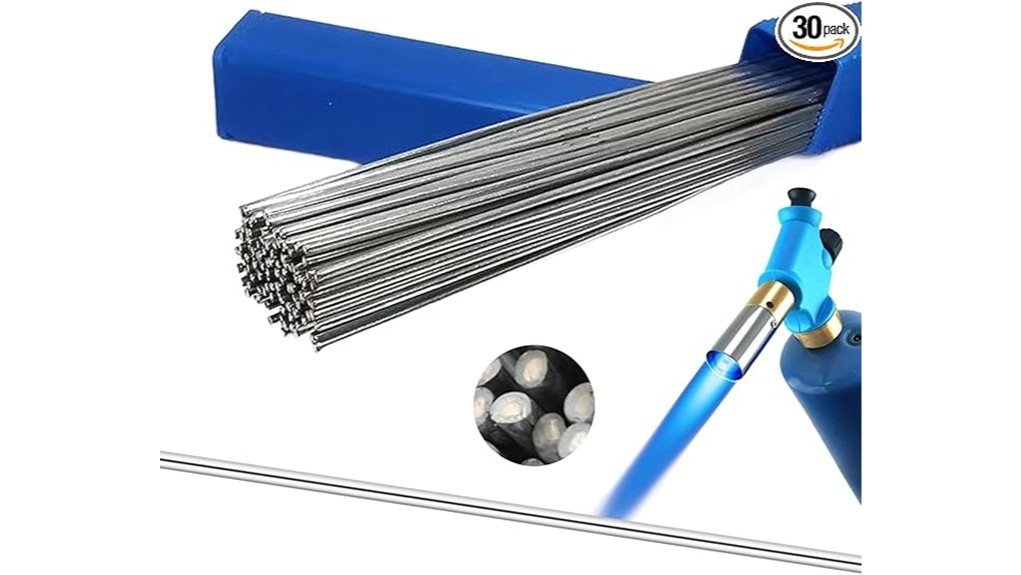
Aluminum repair can be frustrating when you need a small, clean bond but do not want to set up a full welding machine. These aluminum brazing rods are made for low-temperature aluminum joining, with an article-supported melting range of 716°F to 752°F and a flux-free design that helps simplify prep. They make the most sense for DIY aluminum repairs, light fabrication, and small shop projects where surface cleaning and heat control matter. The main tradeoff is that they still require careful technique, so they are not a shortcut for dirty metal, poor fit-up, or structural welding work.
Quick Verdict
Rating: 8.2/10, Recommended with caveats
Best For: DIY users and light-duty repair work on clean aluminum, aluminum alloy, and aluminum-magnesium alloy pieces.
Bottom Line: These aluminum brazing rods are worth considering if you want a flux-free rod with a low working temperature for small aluminum repairs. Skip them if you need a certified structural weld, have unknown base metal, or cannot clean the joint properly before heating.
Key Takeaways
- These aluminum brazing rods use an article-supported melting range of 716°F to 752°F, which is lower than the melting point of aluminum base metal.
- The flux-free design can reduce prep steps, but you still need clean, bare metal for a reliable bond.
- They are intended for aluminum, aluminum alloys, and aluminum-magnesium alloys, with better results when the joint fit is tight.
- Corrosion resistance, thermal conductivity, and electrical conductivity are useful strengths for many light repair and fabrication jobs.
- They are not a replacement for professional welding on load-bearing, pressurized, or safety-critical parts.
| Specification | Detail |
|---|---|
| Product type | Aluminum brazing rods |
| Amazon ASIN from link | B0DKFJ6C51 |
| Working melting range | 716°F to 752°F, based on the source article |
| Flux requirement | Described as flux-free in the source article |
| Compatible materials | Aluminum, aluminum alloys, and aluminum-magnesium alloys |
| Supported use cases | DIY repair, small fabrication, light shop work, and non-critical aluminum joining |
| Surface prep | Remove oil, oxidation, paint, dirt, and loose corrosion before heating |
| Performance notes | Article-supported claims include corrosion resistance and strong joints when used correctly |
| Safety note | Use proper eye, hand, skin, and ventilation protection, and follow the product label or seller instructions |
What Are These Aluminum Brazing Rods?
These rods are filler rods for joining aluminum and compatible aluminum alloys using heat. Instead of melting the base aluminum like traditional welding, brazing relies on the filler material flowing into the joint area after the metal is heated to the correct temperature. That makes them useful for smaller repairs where you want a practical bonding method without a full welding setup.
The article-supported melting range is 716°F to 752°F, which is low enough to help reduce heat stress compared with many welding processes. The rods are also described as not requiring flux, which can make them easier for beginners to handle. Even with that benefit, the joint still depends on clean metal, even heat, and close contact between the parts.
Before You Buy: Do not choose these rods for suspension parts, pressure vessels, fuel tanks, structural frames, or any repair where failure could cause injury. For critical parts, use the correct welding process and have the repair handled or inspected by a qualified professional.
Who Should Buy It?
Best For
- DIY users repairing clean aluminum parts, brackets, panels, or small household items.
- Beginners who want a flux-free aluminum joining option with a lower working temperature.
- Shop users who need a simple filler rod for light-duty aluminum alloy repairs.
Skip If
- You need a certified structural weld or a repair that must meet a code, inspection, or manufacturer standard.
- You cannot fully clean the aluminum surface before heating the joint.
- You are working on unknown metal, painted metal, or mixed metals without confirming compatibility first.
Brazing Efficiency and Ease of Use
The biggest efficiency benefit is the lower working range. Since the rods are described as melting between 716°F and 752°F, you can focus heat on the joint area instead of trying to melt the aluminum base metal. That can make the process more approachable for smaller repairs, especially if you are using a torch and working on thin or medium aluminum pieces.
The flux-free design also helps reduce setup time. You still need to remove oxidation and grime, but you do not have to apply a separate flux step based on the source article. This can be helpful when you want a cleaner process with fewer supplies on the bench.
The limitation is technique. Low-temperature rods can still fail if the base metal is not hot enough, if the joint is loose, or if contamination remains on the surface. You should heat the workpiece evenly and let the rod flow into the joint rather than simply melting the rod onto a cold surface.
Pro Tip: Clean the aluminum until it looks bright, then test the rod on scrap from the same material before repairing the final part. This helps you learn the heat response without risking the actual piece.
Joint Quality and Durability
Good joint quality depends on more than the rod itself. The article highlights strong joints, corrosion resistance, and high thermal and electrical conductivity, but those benefits depend on correct surface prep and heat control. If the filler flows smoothly into a clean joint, you have a better chance of getting a durable bond.
For best results, the joined pieces should fit closely. Brazing filler works best when it can flow along the joint instead of filling large gaps. If the parts are bent, loose, oily, or heavily oxidized, the bond may look acceptable on the surface but fail under stress.
Corrosion resistance is a useful advantage for outdoor or damp environments, but it should not be treated as unlimited protection. If the repaired part will see road salt, water exposure, vibration, or frequent heating and cooling, inspect the repair regularly and avoid using the rods on safety-critical components.
Material Compatibility and Use Cases
The article supports use with aluminum, aluminum alloys, and aluminum-magnesium alloys. It also mentions aluminum alloys that may contain copper or silicon. That gives the rods a wide practical range for common aluminum repair work, but it does not mean every aluminum part will behave the same way under heat.
Cast aluminum, thin sheet aluminum, extrusions, and alloy parts can all respond differently. Some pieces heat unevenly, some carry contamination in pores or cracks, and some may soften or distort before the filler flows well. When possible, identify the base metal and test a small hidden area or scrap piece first.
These rods make the most sense for clean, non-critical aluminum repairs where you can control heat, fit-up, and surface preparation.
How It Performs in Real Use
For Small DIY Repairs
For small brackets, housings, trim pieces, and light aluminum repairs, the rods can be a practical option. The lower melting range helps you work without a full welding machine, and the flux-free setup keeps the process simple. Your results will depend on whether the part is clean and whether the repair area can be heated evenly.
For Shop and Garage Projects
In a garage setting, these rods are useful when you need a quick aluminum joining option for non-critical parts. They can help with small fabrication tasks, patching, and mockups. They are less suitable for high-stress parts that see heavy vibration, bending loads, or impact.
For Outdoor Repairs
The article-supported corrosion resistance makes them worth considering for outdoor aluminum items. Even so, outdoor use adds moisture, dirt, and temperature changes, so the finished joint should be cleaned and checked over time. Do not assume one repair will hold forever without inspection.
For Learning Aluminum Brazing
These rods are approachable for beginners because they reduce the number of supplies needed. The learning curve is still real, especially with heat control. Practice on scrap aluminum first so you can see when the base metal is hot enough for the rod to flow.
How to Use It Correctly
Start by cleaning the joint area down to bare aluminum. Remove paint, oil, dirt, oxidation, and loose corrosion before applying heat. A stainless brush dedicated to aluminum can help reduce cross-contamination, and a degreasing step can improve the chance of a clean bond.
Next, fit the parts as tightly as possible. The rod should flow into the joint, not act like a thick putty for large gaps. Heat the base metal, then touch the rod to the joint area and watch for flow. If the rod balls up instead of flowing, the surface may be dirty or the base metal may not be hot enough.
Let the repair cool naturally after brazing. Rapid cooling can add stress, especially on thin parts. Once cool, inspect the joint for gaps, weak edges, or spots where the filler did not wet the metal.
Safety and Material Notes
Any brazing or welding-related repair involves heat, fumes, bright light, and burn risk. Wear safety glasses or appropriate eye protection, heat-resistant gloves, long sleeves, and closed-toe footwear. Work in a ventilated area and keep flammable materials away from the heating zone.
Do not braze near fuel, solvents, batteries, pressurized containers, or sealed parts that could build pressure when heated. Aluminum can also conduct heat quickly, so areas away from the joint may become hot enough to burn skin or damage nearby materials. Clamp parts securely and use heat-resistant surfaces when possible.
For automotive, marine, electrical, or load-bearing repairs, check the part requirements before using brazing rods. If the repair affects safety, steering, braking, lifting, pressure, or electrical reliability, get professional guidance instead of relying on a DIY filler rod repair.
Pros and Cons
Pros
- Low 716°F to 752°F melting range supports smaller aluminum repair jobs.
- Flux-free design reduces one prep step compared with rods that require separate flux.
- Compatible with aluminum, aluminum alloys, and aluminum-magnesium alloys based on the source article.
- Corrosion resistance helps with repairs that may face moisture or outdoor exposure.
- Useful for beginners who want to practice aluminum brazing before moving to harder repairs.
Cons
- Not suitable for critical structural, pressurized, or safety-related repairs.
- Requires clean bare metal and good heat control, so poor prep can cause weak joints.
- May require trial and error on cast aluminum, unknown alloys, or thin parts that distort easily.
Is It Worth the Price?
These rods offer strong value for the price if you need a practical aluminum repair option for small jobs. They are better for buyers who care about simple setup, low-temperature joining, and basic garage use than for buyers who need certified weld strength.
The best value comes from using them on the right work. If you repair clean aluminum parts, practice first, and avoid critical components, the rods can save time and reduce the need for more expensive equipment. If you need repeatable professional weld quality, a welding process matched to the material is the better investment.
How It Compares to Alternatives
Compared with TIG welding, these aluminum brazing rods are easier to approach and require less equipment, but TIG is the better choice for precision welds, structural work, and high-control aluminum fabrication. Compared with epoxy repair products, brazing can create a metal bond, but it also requires heat and more careful safety steps.
If you want the easiest cold repair, aluminum epoxy may be worth comparing. If you want the strongest professional repair, TIG welding or a qualified fabrication shop is usually the better path. These rods fit between those options for hands-on users who want a heated aluminum joining method for non-critical work.
Frequently Asked Questions
Do these aluminum brazing rods need flux?
The source article describes these rods as flux-free, so a separate flux step is not required based on the provided product claims. You still need to clean the aluminum surface well because flux-free does not mean contamination-proof.
What metals are compatible with these rods?
The article supports use with aluminum, aluminum alloys, and aluminum-magnesium alloys. If the part is an unknown alloy or a mixed-metal assembly, test first and avoid using the repair on critical parts.
Can beginners use aluminum brazing rods?
Yes, beginners can use them for practice and small non-critical repairs, especially because the process is simpler than many welding setups. You should still practice on scrap aluminum so you can learn heat control before working on the final part.
Are these rods strong enough for structural repairs?
They should not be used for structural or safety-critical repairs unless the application has been approved by a qualified professional. Use proper welding, certified repair methods, or replacement parts for load-bearing components.
How should you prepare the aluminum before brazing?
Clean the joint area to bare metal and remove oil, oxidation, paint, and dirt. The filler needs a clean surface and close joint fit to flow properly and form a reliable bond.
Can these rods be used outdoors?
They can be considered for outdoor aluminum repairs because the article supports corrosion resistance. Outdoor repairs should still be inspected over time, especially if the joint faces vibration, moisture, salt, or repeated temperature changes.
Can you reuse a rod after heating it?
Unused rod length can usually be saved if it stays clean and dry, but melted filler that has already flowed into a joint is not reusable. Store remaining rods away from moisture, oil, and shop dust.
The Bottom Line
These aluminum brazing rods are a smart buy for everyday aluminum repair projects when you need a low-temperature, flux-free joining option and can prepare the surface correctly. They are best for clean, non-critical aluminum parts and small garage projects, but you should skip them for structural, pressurized, automotive safety, or certified repair work.