Disclosure: As an Amazon Associate, we earn from qualifying purchases. If you click a link on this page and make a purchase, we may receive a small commission at no extra cost to you.
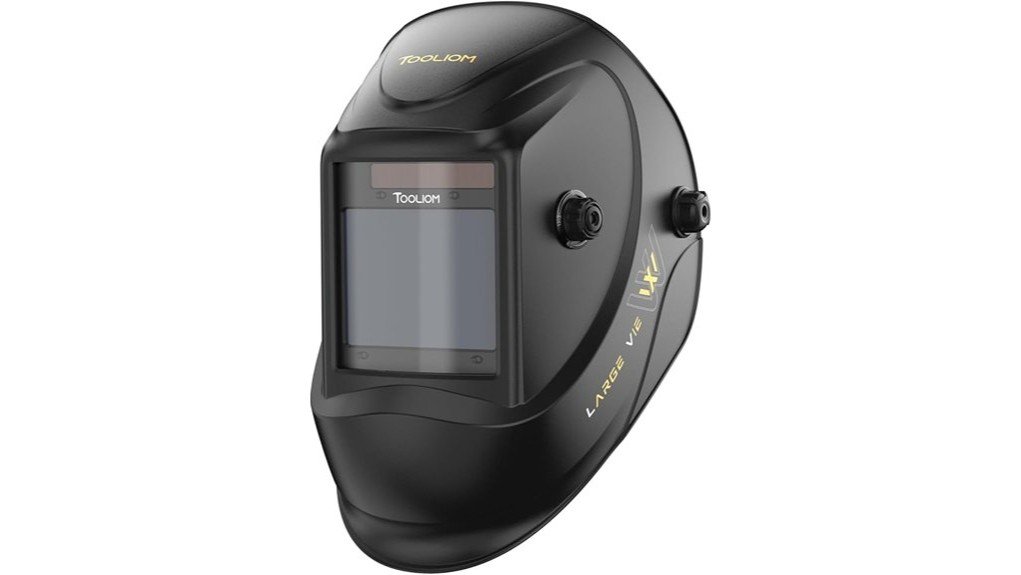
Choosing a welding helmet is not just about darkening the lens. You need clear puddle visibility, reliable arc response, enough shade range for your work, and a fit that does not distract you during long sessions. The TOOLIOM Welding Helmet is built around a true-color auto-darkening lens with a stated 1/1/1/1 optical classification, four arc sensors, and separate settings for welding, cutting, and grinding. It is a strong option if you want one helmet for mixed garage or shop work, but you should confirm current listing details such as package contents, replacement lens fit, and warranty terms before buying.
Quick Verdict
Rating: 8.4/10
Best For: Welders who want true-color visibility, weld/cut/grind modes, and a lightweight helmet for regular shop use.
Bottom Line: The TOOLIOM Welding Helmet gives you a useful mix of clarity, shade control, and comfort for common welding and plasma-cutting tasks. Its main tradeoff is that some buyer details, such as exact package contents, lens replacement size, and current warranty terms, should be confirmed on the Amazon listing before you order.
| Specification | Detail |
|---|---|
| Brand | TOOLIOM |
| Product Type | Auto-darkening welding helmet |
| Lens Type | M800D welding lens, as stated in the source article |
| Optical Classification | 1/1/1/1 |
| Arc Sensors | Four arc sensors |
| Weld Shade Range | Shade 9 to 13 |
| Cut Shade Range | Shade 5 to 9 |
| Grind Mode | Shade 4 |
| Adjustments | Shade, delay, and sensitivity settings |
| Weight | Approximately 1.5 pounds, as stated in the source article |
| Best Use | Welding, plasma cutting, grinding, and mixed shop tasks |
| Warranty Note | The source article notes a typical one-year warranty. Confirm current terms with the seller before buying. |
What Is the TOOLIOM Welding Helmet?
The TOOLIOM Welding Helmet is an auto-darkening welding helmet designed to protect your eyes while helping you see the work area more clearly. Its main feature is a true-color lens with a stated 1/1/1/1 optical classification, which means the article positions it as a helmet focused on clarity, low distortion, and better color perception.
The helmet also uses four arc sensors to detect the welding arc and trigger the darkening function. That matters because a helmet needs to react quickly and consistently when the arc starts, especially when your hands are already positioned and you do not want to break your setup.
Unlike a basic fixed-shade helmet, this TOOLIOM model supports different working modes. You can use shade 9 to 13 for welding, shade 5 to 9 for cutting, and shade 4 for grinding. That gives you more flexibility if your projects move between welding, plasma cutting, fit-up, and cleanup.
Who Should Buy It?
Best For
- Welders who want true-color visibility and less lens distortion while watching the puddle.
- Users who switch between welding, plasma cutting, and grinding on the same project.
- Garage, repair, and shop users who want a lightweight helmet for longer work sessions.
Skip If
- You need confirmed industrial certifications listed in the current seller details before buying.
- You want exact dimensions, viewing-window size, or replacement lens size before placing an order.
- You prefer a passive fixed-shade helmet with no auto-darkening controls to adjust.
Before You Buy: Confirm the current Amazon listing for package contents, replacement lens compatibility, warranty terms, and any safety certification details. These items can matter if you weld often or need the helmet for workplace use.
Performance Features of TOOLIOM Welding Helmet
The strongest performance claim in the article is the helmet’s 1/1/1/1 optical classification. For you, that means the helmet is meant to reduce visual distortion and help you see the weld area with more natural color. Better visibility can make it easier to track the joint, watch puddle movement, and position the torch or electrode with confidence.
The helmet also uses true color performance, which is useful if you dislike the heavy green tint found in older or cheaper welding helmets. True-color viewing can help you see the base metal, joint line, and surrounding work area more naturally before and during the weld.
Its four arc sensors improve the helmet’s ability to detect arc light from different angles. This can be helpful when your head is slightly turned, your hands block part of the light, or you are working around small parts and brackets.
Shade Range and Welding Modes
The TOOLIOM helmet gives you three main operating ranges: weld mode, cut mode, and grind mode. In weld mode, the shade range runs from 9 to 13, which covers many common welding tasks where the arc is bright enough to require deeper protection.
In cut mode, the shade range runs from 5 to 9. This is useful for plasma cutting because cutting often needs a different shade level than welding. You can keep the lens dark enough for protection while still seeing the cut path.
The grind mode uses shade 4. This lets you keep the helmet on while cleaning edges, smoothing welds, or preparing metal. It can save time because you do not have to switch between a welding helmet and a face shield as often, but you still need to follow safe grinding practices and use proper eye and face protection for the task.
Comfort and Usability Enhancements
Comfort matters because a helmet that feels heavy or awkward can pull your attention away from the weld. The source article lists the TOOLIOM helmet at approximately 1.5 pounds, which keeps it in a manageable range for long garage or shop sessions.
The helmet also includes a padded interior and adjustable settings. The padding helps reduce pressure points, while the delay and sensitivity controls let you tune the lens response to your work area. If the helmet darkens too easily or does not react the way you expect, those controls give you room to adjust before you start the main weld.
The article also notes a wide viewing area. A wider view can help when you are lining up a joint, checking clamp position, or watching nearby edges while you weld. Exact viewing dimensions were not verified, so confirm the listing if window size is a major buying factor for you.
How It Performs in Real Use
For Daily Shop Work
For regular welding practice, repair work, or small fabrication jobs, the TOOLIOM helmet’s true-color view and adjustable weld shades are its most useful traits. You can set the shade for the brightness of the arc and keep better visual contact with the joint.
For Plasma Cutting
The cut mode gives you shade 5 to 9, which makes the helmet more useful if you do both welding and cutting. Instead of using a welding-only helmet that may be too dark for some cutting work, you can choose a lighter shade within the supported range.
For Grinding and Cleanup
Shade 4 grind mode is helpful during prep and cleanup. You can tack, inspect, grind, and return to welding without removing the helmet every few minutes. The key is to make sure the helmet is actually in grind mode before grinding, then switch back before striking an arc.
For Longer Sessions
The lightweight build and padded interior help reduce fatigue when you are working through several welds. It will not remove the need for breaks, but it should feel easier to wear than a bulky helmet during extended sessions.
Setup Tips Before First Use
Start by checking the helmet, lens cover, headgear, and controls before you weld. Make sure the lens is clean, the helmet sits securely, and the shade setting matches the task. For welding, start within the 9 to 13 range. For cutting, use the 5 to 9 range. For grinding, use grind mode at shade 4.
Test the helmet on scrap material before using it on an important project. Adjust sensitivity if the lens reacts too slowly or triggers too easily. Adjust delay if the lens returns to the light state too quickly after the arc stops.
Pro Tip: Set the shade, sensitivity, and delay on scrap metal before starting your real weld. This helps you catch visibility issues before they affect fit-up, bead placement, or eye comfort.
Safety, Lens Care, and Maintenance
A welding helmet is only one part of your safety setup. You still need proper gloves, sleeves or flame-resistant clothing, hearing protection when needed, and safe ventilation. You should also follow the helmet manual and match the shade setting to the process and amperage you are using.
For lens care, use a clean microfiber cloth and an approved lens-safe cleaning solution. Avoid rough towels, solvents, or scraping tools that can scratch the lens cover. If the cover lens becomes pitted or cloudy, replace it so you are not welding through a distorted view.
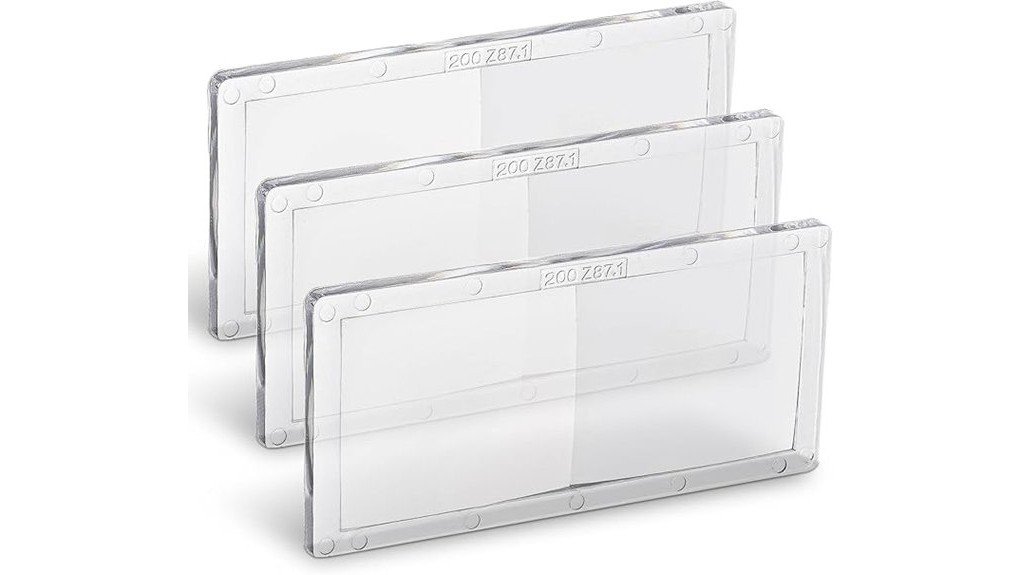
The article states that the auto-darkening lens is replaceable, but you should confirm compatible replacement parts before buying extras. Using the wrong lens, cover plate, or insert can affect fit, visibility, and protection.
Pros and Cons
Pros
- 1/1/1/1 optical classification supports clearer, lower-distortion viewing.
- True-color lens helps you see the joint and work area more naturally.
- Four arc sensors improve arc detection from different working angles.
- Weld, cut, and grind modes make the helmet useful across more tasks.
- Approximately 1.5-pound weight and padded interior help reduce fatigue.
Cons
- Exact viewing-window size and helmet dimensions are not confirmed in the source article.
- Replacement lens compatibility should be checked before ordering spare parts.
- Warranty and package details may vary by seller, so you should verify the current listing.
Is It Worth the Price?
The TOOLIOM Welding Helmet is worth considering if you want a practical helmet with true-color viewing, multiple shade ranges, and grinding support in one setup. Its value is strongest for buyers who do mixed work and do not want to switch helmets or face protection every time the task changes.
It is a smart buy for everyday use if the current Amazon listing confirms the details you care about, such as package contents, warranty, lens covers, and replacement parts. It is not the best fit if you need fully verified workplace certification details before purchase or if you require a specific viewing-window size.
How It Compares to Alternatives
Compared with a basic fixed-shade helmet, the TOOLIOM helmet gives you more control because it supports auto-darkening, shade adjustment, cut mode, and grind mode. That makes it more flexible for users who move between setup, cutting, welding, and cleanup.
Compared with premium professional helmets, the TOOLIOM option is better viewed as a practical value-focused choice rather than a high-end industrial upgrade. If your top priority is a fully documented professional helmet with verified window size, certifications, and replacement parts, compare those details carefully before deciding.
Frequently Asked Questions
What shade range does the TOOLIOM Welding Helmet use?
The article lists shade 9 to 13 for welding, shade 5 to 9 for cutting, and shade 4 for grinding. Choose the shade based on your process, arc brightness, and the helmet instructions.
Is the TOOLIOM helmet suitable for plasma cutting?
Yes, the article states that cut mode supports shades 5 to 9. That makes it useful for plasma cutting when you need a different shade range than standard welding.
Can you use the helmet for grinding?
Yes, the helmet includes a grind mode at shade 4. Always confirm the helmet is in grind mode before grinding and switch back to the correct welding shade before striking an arc.
How heavy is the TOOLIOM Welding Helmet?
The source article lists the helmet at approximately 1.5 pounds. That weight should be manageable for many users, especially when paired with the padded interior and adjusted headgear.
Can you replace the auto-darkening lens?
The article states that the auto-darkening lens is replaceable. Before buying spare parts, confirm the exact compatible lens or cover plate size with the current seller details or manual.
How do you clean the welding helmet lens?
Use a microfiber cloth and a lens-safe cleaning solution. Do not scrape the lens or use harsh solvents, because scratches and clouding can reduce visibility.
Is it good for outdoor welding?
The article states that the helmet is suitable for outdoor use and that true-color technology helps visibility. In bright sunlight, test the sensitivity and shade settings before welding so the lens reacts the way you expect.
Who should skip this helmet?
Skip it if you need confirmed workplace certification details, exact viewing-window dimensions, or guaranteed replacement lens part numbers before purchase. Those details should be verified on the current Amazon listing or manual.
The Bottom Line
The TOOLIOM Welding Helmet is recommended with caveats for welders who want true-color clarity, four arc sensors, adjustable weld and cut shades, and a grind mode in one helmet. Its main strength is versatility for mixed welding, cutting, and cleanup work, while its main limitation is that some buying details should be verified on the current product listing before you order.