Disclosure: As an Amazon Associate, we earn from qualifying purchases. If you click a link on this page and make a purchase, we may receive a small commission at no extra cost to you.
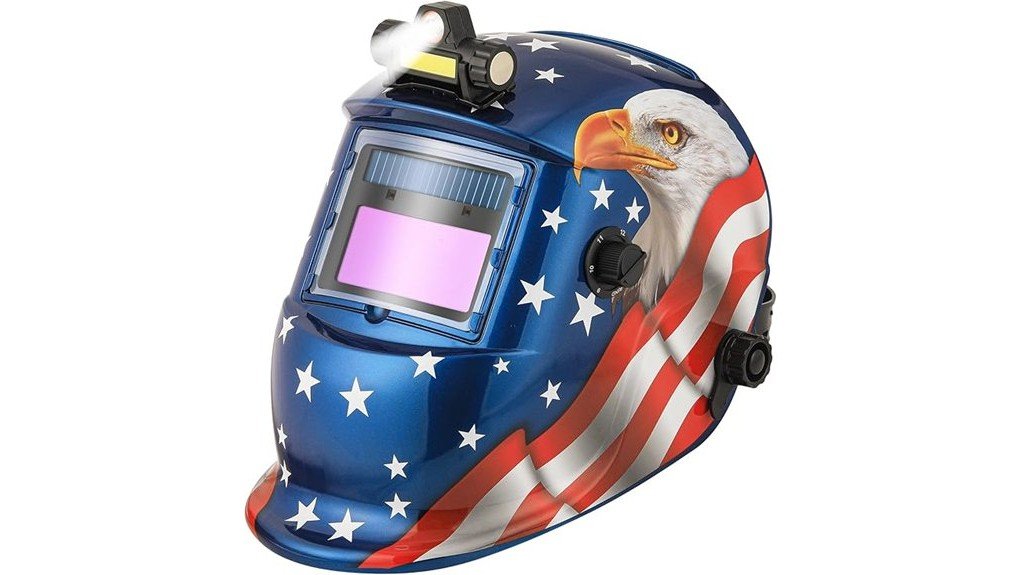
Choosing a welding helmet is about more than blocking glare. You need clear visibility, fast auto-darkening response, comfortable weight, and enough adjustability for the work you do most. The WR01A Welding Helmet, also known as the Blue Eagle II, focuses on true-color viewing, a 1/1/1/2 clarity rating, and a DIN 9 to 13 adjustable shade range. It looks like a practical pick for hobby welders and working users who want a lightweight helmet, but you should confirm replacement lens compatibility and listing details before buying.
Quick Verdict
Rating: 8.2/10, Recommended with caveats
Best For: Welders who want true-color visibility, a lightweight shell, and adjustable shade control for common welding tasks.
Bottom Line: The WR01A Blue Eagle II offers useful welding visibility features in a light 18.3-ounce design. The main tradeoff is that some buying details, such as replacement lens fit and exact listing support, should be checked before purchase.
| Specification | Detail |
|---|---|
| Product name | WR01A Welding Helmet, Blue Eagle II |
| Product type | Auto-darkening welding helmet |
| Viewing technology | True-color performance |
| Optical clarity rating | 1/1/1/2 |
| Shade range | DIN 9 to 13 |
| Switching speed | 1/25000 second |
| Adjustments | Shade, sensitivity, and delay settings |
| Weight | 18.3 ounces |
| Dimensions | 11.26 x 9.76 x 7.48 inches |
| Construction | High-impact plastic shell |
| Power system | Solar charging with battery backup |
| Best use | General welding tasks where adjustable glare control and true-color viewing matter |
What Is the WR01A Welding Helmet?
The WR01A Welding Helmet is an auto-darkening welding helmet designed to protect your face and eyes while helping you keep a clearer view of the weld area. The Blue Eagle II design combines true-color viewing with a 1/1/1/2 clarity rating, which can help you see the workpiece, arc, and surrounding area with less visual strain.
Its DIN 9 to 13 shade range gives you room to adjust protection for different welding conditions. The helmet also includes sensitivity and delay controls, so you can fine-tune how the lens responds before and after the arc starts.
Before You Buy: Confirm that the WR01A listing, replacement lens options, and included components match your needs before ordering. The article-supported details do not confirm every accessory or replacement part number.
Who Should Buy It?
Best For
- Welders who want true-color viewing instead of a very dark, green-tinted view.
- Users who prefer a lighter helmet for longer welding sessions.
- Hobby and shop users who need adjustable shade, sensitivity, and delay controls.
Skip If
- You need verified compatibility with a specific replacement lens before purchase.
- You want a helmet with confirmed premium certifications beyond the specs listed here.
- You need a fixed-shade helmet instead of an adjustable auto-darkening model.
Design and Build Quality
The WR01A Blue Eagle II uses a modern helmet shape with enough coverage for the face and neck area. At 11.26 x 9.76 x 7.48 inches, it gives you a broad protective profile without pushing the listed weight too high.
The shell is described as high-impact plastic, which helps keep the helmet light while still giving it a protective outer structure. Since welding helmets can take routine shop bumps, the build makes the most sense for users who want low weight and practical coverage rather than a heavy-duty industrial shell.
At 18.3 ounces, the helmet should feel easier to wear during longer sessions than heavier models. A lighter helmet can also reduce neck strain when you frequently raise and lower your head between welds.
True-Color Visibility and Lens Clarity
The biggest selling point is the true-color performance. This helps you see the work area with more natural color than older darkening lenses, which can make setup, tack welds, and bead tracking easier.
The 1/1/1/2 clarity rating is also useful. In practical terms, this rating points to strong optical clarity, low distortion, and consistent viewing quality across the lens, with a slightly lower score in one category. For most buyers, that means the helmet should support cleaner visibility during common welding work.
Auto-Darkening Performance and Shade Control
The auto-darkening lens has a listed switching speed of 1/25000 second. A fast transition matters because it helps the lens darken quickly when the arc starts, reducing the bright flash that can interrupt your focus.
The DIN 9 to 13 shade range gives you flexibility for different welding conditions. You can adjust the shade level based on the process, amperage, material, and visibility needs.
The sensitivity and delay controls add another layer of control. Sensitivity helps the helmet respond to arc brightness, while delay controls how long the lens stays dark after the arc stops. These settings are helpful when you move between lighter work and brighter welds.
Pro Tip: Test the shade, sensitivity, and delay settings on scrap material before starting your main weld. This helps you avoid a lens response that feels too sensitive, too slow, or too dark for the task.
Protection and Comfort
The WR01A is designed to protect your face and neck from arc exposure, sparks, and welding glare. Its wider coverage helps shield more of the front area than compact face shields, which is useful when sparks bounce from the workpiece.
Comfort is one of its better buyer-facing strengths. The 18.3-ounce weight can make a clear difference during longer work sessions, especially if you weld in short bursts throughout the day.
The helmet still needs correct fit adjustment. A loose helmet can shift when you move, while an overly tight headgear setup can become uncomfortable. Adjust the fit before you strike an arc so the lens sits where your eyes naturally look through the viewing area.
Power Efficiency
The WR01A uses solar charging technology with a battery backup system. Solar assistance helps maintain power while you work around welding light and shop lighting, while the backup battery supports use in lower-light conditions.
This setup can reduce the need to rely only on replaceable batteries. Still, you should check the helmet before each session and avoid assuming the lens is ready just because the helmet was stored near light.
How It Performs in Real Use
For MIG, TIG, and Stick Welding
The adjustable DIN 9 to 13 shade range gives the helmet enough flexibility for many common welding setups. You should always match the shade to your process, amperage, and comfort level, but the range gives you more control than a fixed-shade helmet.
For Shop Projects
For garage and small-shop work, the lightweight design is a practical benefit. You can move around a bench, clamp workpieces, and reposition between welds without feeling like the helmet is pulling your head forward.
For Longer Sessions
The 18.3-ounce weight helps when you wear the helmet for repeated welds. Comfort still depends on fit, headgear adjustment, and how often you lift the helmet between tasks.
For Low-Light Work Areas
The solar charging and battery backup system can help support operation when lighting changes. Because low-light performance depends on power status and sensitivity settings, check the lens response before you begin welding in dim spaces.
Setup Tips Before First Use
Before your first weld, inspect the helmet shell, lens area, headgear, and controls. Make sure the lens is clean and the helmet sits securely without blocking your line of sight.
Set your shade based on the welding process and brightness of the arc. Then adjust sensitivity and delay until the lens reacts in a way that feels natural for your workflow.
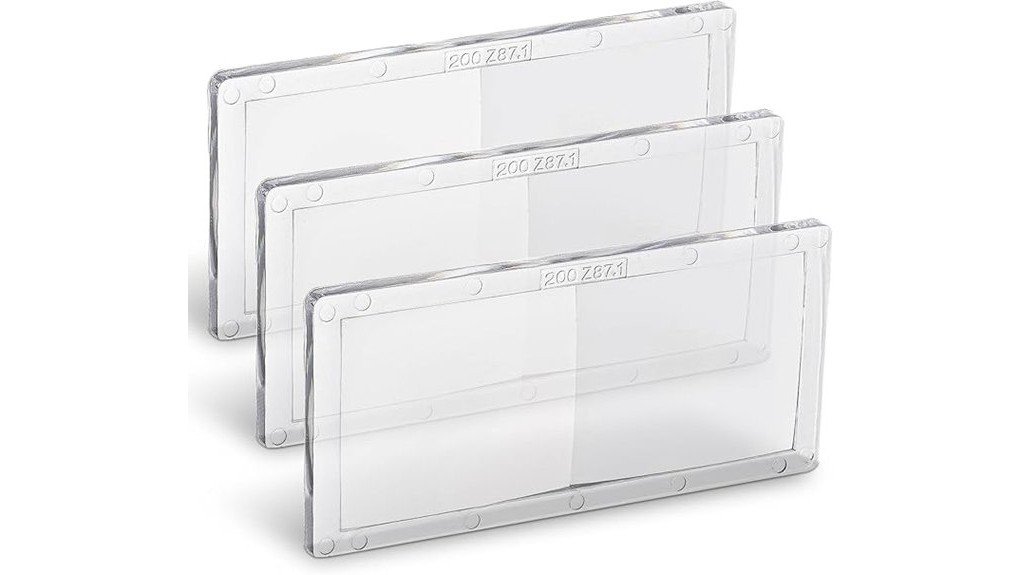
Keep the lens cover clean and replace it when scratches start to affect visibility. If you need replacement lenses or covers, confirm compatibility with the WR01A Blue Eagle II before ordering.
Compatibility and Safety
This helmet is made for welding protection, but you should still follow your welder manual, helmet instructions, and accepted shop safety practices. A welding helmet is only one part of your protective setup.
Use proper gloves, sleeves, ventilation, and eye protection where needed. Do not use the helmet if the auto-darkening function fails, the lens is cracked, or the shell no longer sits securely.
If you weld professionally or work under jobsite safety rules, check whether this helmet meets the requirements for your workplace before you rely on it.
Customer Feedback and Support
Buyer feedback described for the WR01A Blue Eagle II centers on clarity, comfort, and ease of use. Those are the right areas to watch because a welding helmet can have strong specs on paper but still feel frustrating if the headgear, lens clarity, or settings are difficult to use.
Support responsiveness is another practical factor. If you need replacement lens guidance, return help, or setup clarification, check the seller support and return terms listed on the current Amazon page before you buy.
Pros and Cons
Pros
- True-color viewing helps you see the work area more naturally.
- 1/1/1/2 clarity rating supports clean visibility for detailed welding tasks.
- DIN 9 to 13 shade range gives you flexibility across common welding conditions.
- 1/25000-second switching speed helps the lens react quickly when the arc starts.
- 18.3-ounce weight makes it easier to wear during longer sessions.
Cons
- Replacement lens compatibility should be confirmed before buying extra parts.
- Brand and accessory details may need review on the current listing.
- Not ideal if your workplace requires specific verified certifications not listed here.
Is It Worth the Price?
The WR01A Welding Helmet looks like a strong value for the price if you want true-color viewing, an adjustable DIN 9 to 13 shade range, and a light helmet for regular use. Its feature set is especially useful if you do not want a basic fixed-shade helmet.
You get the most value from it if comfort and visibility matter more than premium extras. It is not the best fit if you need confirmed industrial certifications, a specific replacement lens system, or a helmet from a known premium brand with fully documented accessories.
How It Compares to Alternatives
Compared with basic passive welding helmets, the WR01A offers more flexibility because of its auto-darkening lens, shade control, sensitivity adjustment, and delay setting. A passive helmet may still appeal if you want a simple, low-maintenance option with no electronic lens behavior.
Compared with higher-end professional helmets from brands such as Lincoln Electric, Miller, or ESAB, the WR01A appears more focused on practical value and light comfort. Premium alternatives may be better if you need larger viewing areas, fully documented replacement parts, or jobsite-required certifications.
Frequently Asked Questions
Is the WR01A Welding Helmet good for beginners?
Yes, it can work well for beginners because it has auto-darkening performance, adjustable shade control, and a lightweight design. New welders should still learn how to set shade, sensitivity, and delay before using it on a real project.
What shade range does the WR01A Blue Eagle II use?
The listed shade range is DIN 9 to 13. That range gives you control for different welding brightness levels, but you should choose the shade based on your process and amperage.
How fast does the auto-darkening lens switch?
The lens has a listed switching speed of 1/25000 second. This fast response helps the lens darken quickly when the welding arc starts.
Is the helmet heavy?
No, the listed weight is 18.3 ounces. That makes it a lighter option for users who want less neck fatigue during repeated welding sessions.
Can it be used for different welding processes?
The adjustable DIN 9 to 13 shade range makes it suitable for many common welding conditions. Always match the shade to your welding process, material, and amperage before starting.
Does the WR01A helmet work in low-light conditions?
It uses solar charging with battery backup, which can help support operation when lighting conditions vary. You should still test the lens response before welding, especially if the helmet has been stored for a while.
Are replacement lenses available?
Replacement lenses may be available, but you should confirm the exact WR01A Blue Eagle II lens size and part compatibility before ordering. Do not assume that a universal replacement lens will fit correctly.
Who should skip this welding helmet?
Skip it if you need a helmet with fully verified jobsite certifications, a known replacement lens ecosystem, or a larger premium viewing area. It is better suited to buyers who prioritize light weight, true-color visibility, and adjustable shade control.
The Bottom Line
The WR01A Blue Eagle II Welding Helmet is worth considering if you want true-color viewing, a 1/1/1/2 clarity rating, a DIN 9 to 13 shade range, and a light 18.3-ounce design. It is best for hobby, garage, and general shop users who want practical auto-darkening performance without a bulky helmet.
Skip it if you need fully verified workplace-specific certifications or guaranteed replacement lens compatibility before purchase. For most buyers who want comfort and adjustable visibility, it earns a recommended-with-caveats verdict.