Disclosure: As an Amazon Associate, we earn from qualifying purchases. If you click a link on this page and make a purchase, we may receive a small commission at no extra cost to you.
Holding metal, wood, or awkward repair parts in place can get frustrating when a standard clamp is too slow or your grip keeps slipping. The 11-Inch C-Clamp Locking Pliers are designed to give you adjustable clamping pressure, a locked hold, and quick release control in one hand tool. This review looks at the supported features, real workshop use, buyer limits, and maintenance points so you can decide if these pliers fit your setup. The main strength is the adjustable C-clamp style jaw, while the main limitation is that the supplied article does not verify the brand, exact jaw capacity, weight, or warranty terms.
Quick Verdict
Rating: 8/10, Recommended with caveats
Best For: DIY users, welders, home repair shoppers, and workshop owners who need an adjustable locking clamp for temporary holding tasks.
Bottom Line: These 11-inch C-clamp locking pliers make sense if you want a durable, adjustable hand tool for clamping mixed materials. They are not the best pick if you need a verified jaw capacity, known brand warranty, or a precision clamp for delicate finished surfaces.
Key Takeaways
- The 11-inch size gives you more reach and leverage than many compact locking pliers.
- The adjustable C-clamp jaw helps hold different material thicknesses during workshop, repair, and setup tasks.
- The article-supported construction includes premium alloy steel and nickel-plated, heat-treated alloy steel details.
- The anti-slip handles and one-handed release trigger improve control when you need to reposition the tool quickly.
- Check the live product listing before buying because the source article does not verify the brand, exact jaw opening, weight, or warranty period.
| Specification | Detail |
|---|---|
| Product name | 11-Inch C-Clamp Locking Pliers |
| Product type | C-clamp locking pliers |
| Size | 11 inches |
| Jaw design | Adjustable C-clamp jaw |
| Material | Article-supported premium alloy steel with nickel-plated, heat-treated alloy steel construction noted in the original review |
| Handle design | Ergonomic anti-slip handles |
| Release style | One-handed release trigger |
| Adjustment | Adjustable screw with smooth thread rotation |
| Best use | Temporary clamping for woodworking, welding setup, shop repairs, and home maintenance tasks |
| Care note | Wipe clean, dry before storage, and lubricate moving parts when needed |
What Is the 11-Inch C-Clamp Locking Pliers?
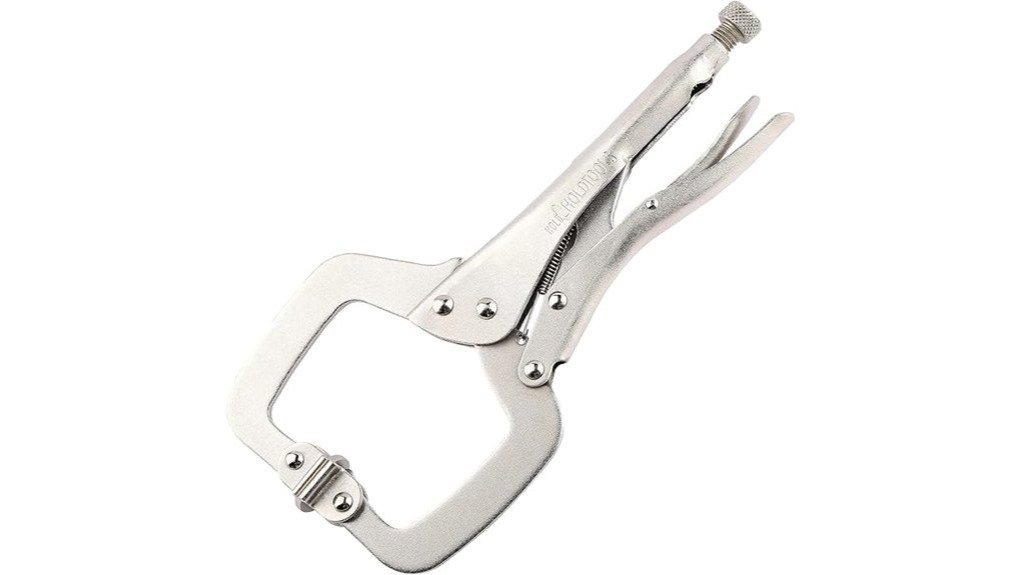
The 11-Inch C-Clamp Locking Pliers are a hand tool made for holding workpieces in a fixed position. Unlike a basic spring clamp, this style uses an adjustable screw and locking action so you can set pressure before clamping the tool onto a material.
The source article supports an 11-inch size, adjustable jaw, ergonomic anti-slip handles, and a one-handed release trigger. It also describes premium alloy steel and nickel-plated, heat-treated alloy steel construction, which matters if you use the tool around metal edges, workshop dust, and repeated clamping pressure.
This tool is best viewed as a versatile holding aid, not as a substitute for every clamp in your shop. It can help with positioning, gripping, and temporary holding, but you should still use the right clamp, jig, or support system for heavy, delicate, or safety-critical work.
Who Should Buy It?
Best For
- DIY users who need a locking clamp for repair, assembly, and holding tasks.
- Welders or metalworkers who want a C-clamp style tool for temporary setup work.
- Home workshop owners who prefer an adjustable jaw and quick release trigger.
Skip If
- You need a verified jaw opening, clamping force, weight, or manufacturer warranty before purchase.
- You mainly work with polished, painted, or soft materials that can mark under clamp pressure.
- You need a dedicated load-rated support tool for lifting, suspension, or safety-critical holding.
Before You Buy: The supplied article does not verify the brand, exact jaw capacity, tool weight, package count, or warranty period. Check the live Amazon listing and product photos before you order, especially if those details matter for your work.
Features and Benefits
Adjustable Jaw for Different Materials
The adjustable jaw is the most useful feature for general shop work. You can change the opening to fit different material thicknesses, which helps when clamping sheet metal, small wood pieces, brackets, tubing, or uneven repair parts.
This flexibility makes the tool more practical than a fixed-size clamp when your projects change often. The main tradeoff is that you need to set the screw correctly before locking the pliers, or the grip may feel too loose or too tight.
Alloy Steel Build for Repeated Use
The original article describes the tool as made from premium alloy steel and later notes nickel-plated, heat-treated alloy steel construction. Those details support better durability than a light-duty clamp made for occasional household use only.
Nickel plating can help resist wear and corrosion during normal storage and use. Still, you should not leave the pliers wet, dirty, or exposed to harsh chemicals because any hand tool can rust or bind if neglected.
Ergonomic Anti-Slip Handles
The ergonomic anti-slip handles help you keep control while applying pressure or releasing the clamp. That matters during longer jobs because locking pliers can create hand fatigue when you adjust and reset them many times.
The handle design also helps when your hands are dusty, slightly oily, or covered with light work gloves. For very greasy conditions, wipe the handle before use so your grip stays predictable.
One-Handed Release Trigger
The one-handed release trigger makes the tool easier to unlock after it grips the workpiece. That is helpful when you need to clamp, check alignment, release, and reposition the tool several times during a repair or build.
This feature does not mean every step is fully one-handed. You may still need two hands to set the screw, align the jaw, and clamp larger or awkward materials with better control.
Smooth Screw Adjustment
The original article notes finely crafted threads and smooth rotation on the adjustable screw. A smoother screw helps you dial in pressure more predictably, especially when switching between thin and thicker materials.
Correct adjustment also protects your workpiece. Too little pressure can let the clamp slip, while too much pressure can dent softer materials or leave jaw marks on visible surfaces.
Pro Tip: Set the adjustment screw on a scrap piece or hidden area first. This helps you find enough grip without crushing, denting, or scratching the material.
Performance and Usability
In regular use, these 11-inch C-clamp locking pliers are best for temporary holding, positioning, and grip support. The longer size gives you more reach than a compact pair, while the C-clamp jaw shape helps contact workpieces that need clearance around the grip point.
The strongest usability points are the adjustable jaw, anti-slip handles, and release trigger. Together, they make the tool more convenient for repeated clamping than a simple manual clamp that needs full hand pressure the entire time.
The main limitation is precision. These pliers are made for strong temporary holding, not for ultra-fine alignment on delicate furniture, finished trim, painted panels, or thin materials that can deform under pressure.
How It Performs in Real Use
For Welding Setup
For welding prep, the C-clamp jaw can help hold small metal pieces, tabs, brackets, or plates while you check position. The 11-inch size gives you extra reach when you need to clamp around an edge or hold material away from your hands.
Use common welding safety habits. Keep the handles away from excess heat, avoid clamping over electrical leads, and use proper welding clamps or fixtures when the job requires a more secure setup.
For Woodworking and Assembly
For woodworking, these pliers can hold small pieces while glue sets, hardware lines up, or a fastener starts. The adjustable screw helps you set pressure for different board thicknesses.
Protect finished surfaces with scrap wood, cardboard, or soft pads if appearance matters. Bare clamp jaws can leave marks when you apply high pressure to softer wood or painted surfaces.
For Automotive and Garage Tasks
For garage work, the pliers can help hold small brackets, panels, or repair pieces while you line up a bolt or make a quick adjustment. The locking action is useful when you need both hands free for a short step.
Do not use them as a vehicle support, lifting aid, brake line clamp, or safety-rated holding device. For load-bearing automotive work, use proper stands, fixtures, and manufacturer-approved tools.
For Home Repairs
For home maintenance, the tool can help grip, clamp, hold, or stabilize parts during small repairs. It is useful when a standard pair of pliers would require constant hand pressure.
The tool will be most helpful if you already do occasional repair work. If you only need a light clamp for crafts or temporary paper-thin materials, a smaller clamp may feel easier to control.
For Long-Term Use
Long-term performance depends on care and correct pressure. The supported alloy steel construction gives the tool a good durability foundation, but the adjustment screw and release mechanism still need cleaning and occasional lubrication.
Store the pliers in a dry drawer, toolbox, or wall rack. Leaving them locked under tension for long periods can add stress to the mechanism, so release the clamp before storage.
How to Use It Correctly
Start by opening the jaw and placing it around the workpiece. Turn the adjustment screw until the jaws sit slightly tighter than the material, then squeeze the handles to lock the pliers in place.
After clamping, check whether the workpiece moved, flexed, or became marked. If the clamp feels too aggressive, release it and back off the screw slightly before trying again.
When you finish, use the release trigger instead of forcing the handles apart. Forcing the tool open can wear the mechanism faster and may cause the workpiece to shift suddenly.
Compatibility and Safety Notes
These pliers are compatible with many common clamping situations, but they are not universal. The source article does not verify the maximum jaw opening, clamping force, or load rating, so you should not assume they fit every pipe, board, panel, or fixture.
Use eye protection when clamping metal or cutting near a held part. Keep your fingers away from the jaw area, and do not use the tool on live electrical components.
For delicate materials, use protective padding between the jaw and the surface. For high-force, high-heat, or safety-critical work, use a dedicated clamp or fixture made for that exact job.
Cleaning and Maintenance
Clean the pliers by wiping them with a damp cloth after dirty jobs, then dry them before storage. If grime builds up around the screw or release trigger, remove it with a small brush.
Add a small amount of lubricant to the screw threads and moving joints when adjustment starts to feel rough. Avoid over-lubricating the handles because slick handles can reduce control.
Check the jaw faces, screw, and release trigger for wear before demanding tasks. If the tool no longer locks securely, slips under normal pressure, or releases unexpectedly, stop using it until you confirm it is safe.
Pros and Cons
Pros
- 11-inch size gives useful reach and leverage for shop and repair work.
- Adjustable C-clamp jaw handles different material thicknesses.
- Article-supported alloy steel construction suits repeated clamping tasks.
- Anti-slip handles improve control during longer use.
- One-handed release trigger makes repositioning faster.
Cons
- Brand, exact jaw opening, weight, and warranty were not verified in the supplied article.
- Clamp jaws may mark soft, painted, or finished surfaces without padding.
- Not a replacement for load-rated supports, dedicated welding fixtures, or precision clamps.
Is It Worth the Price?
These pliers can be a strong value for the price if you need a simple, adjustable locking clamp for regular workshop use. The most useful value comes from the combination of an 11-inch body, C-clamp jaw, anti-slip handles, and one-handed release trigger.
They are worth considering if you work on small welding setups, basic garage tasks, woodworking assemblies, or home repairs where temporary holding saves time. You get less value if you need verified brand support, a stated jaw capacity, or a clamp designed for a very specific trade task.
Since no safe current price is included here, compare the live listing against similar 11-inch C-clamp locking pliers before you decide. Focus on verified specs, return policy, product photos, and buyer feedback rather than price alone.
How It Compares to Alternatives
Compared with a standard C-clamp, these locking pliers are faster to position and release during repeated tasks. A traditional C-clamp may still be better when you need slower, more controlled pressure on a flat surface.
Compared with bar clamps or spring clamps, the C-clamp locking plier design gives you a stronger locked grip in tight spaces. Bar clamps are better for larger woodworking panels, while spring clamps are better for light, quick holds that do not need high pressure.
Frequently Asked Questions
What size are these C-clamp locking pliers?
The article identifies the tool as an 11-inch pair of C-clamp locking pliers. The source does not verify the exact jaw opening, so check the Amazon listing if maximum capacity matters for your project.
Can you use these pliers for welding?
Yes, they can help hold parts during welding setup when the size and grip fit the task. Keep the handles away from excess heat, and use proper welding fixtures for safety-critical or high-heat jobs.
Are they suitable for automotive work?
They can help with non-load-bearing garage tasks, such as holding brackets or small parts during alignment. Do not use them as a jack stand, lifting aid, suspension support, or substitute for a manufacturer-approved automotive tool.
What material are the pliers made from?
The original article describes premium alloy steel and also mentions nickel-plated, heat-treated alloy steel construction. Those details support durability and corrosion resistance, but the exact grade of steel is not verified in the supplied content.
Will the jaws damage wood or painted surfaces?
They can leave marks if you apply too much pressure to soft, painted, or finished surfaces. Use scrap wood, cardboard, or protective pads between the jaws and the workpiece when surface appearance matters.
How do you clean and maintain these pliers?
Wipe the tool clean after use, dry it before storage, and lubricate the screw threads and moving parts when needed. Store it unlocked in a dry toolbox or rack to reduce wear and corrosion risk.
Is the warranty period confirmed?
No verified warranty period was available in the supplied article. Check the current Amazon listing, seller details, or manufacturer information before relying on any warranty claim.
Who should skip these C-clamp locking pliers?
Skip them if you need exact jaw capacity, a known brand model, or a tool rated for a specific industrial load. They are also not ideal for delicate finished surfaces unless you use padding and light pressure.
The Bottom Line
The 11-Inch C-Clamp Locking Pliers are a practical choice if you want an adjustable locking clamp for everyday workshop, welding setup, garage, and home repair tasks. Their main strengths are the 11-inch format, adjustable jaw, alloy steel build, anti-slip handles, and one-handed release trigger.
Skip them if you need verified brand details, exact jaw capacity, a confirmed warranty, or a clamp made for delicate or load-rated work. For most general clamping jobs, they are recommended with caveats.