Disclosure: As an Amazon Associate, we earn from qualifying purchases. If you click a link on this page and make a purchase, we may receive a small commission at no extra cost to you.
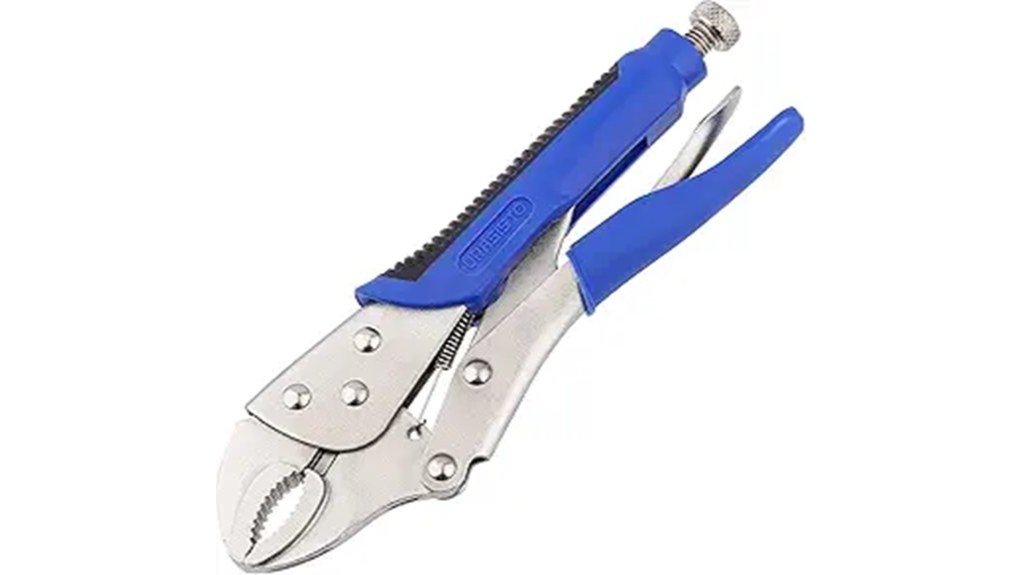
You need locking pliers that clamp securely, release without a fight, and hold up to regular garage or home repair work. These 10-inch curved jaw locking pliers are built around premium alloy steel, nickel plating, heat-treated jaws, and anti-slip rubber handles. This review breaks down how those features help in real use, where the tool is most useful, and what you should check before buying. The design looks practical for general clamping, gripping, and light workshop tasks, but the listing details available in the source do not confirm brand, warranty length, or exact load capacity.
Quick Verdict
Rating: 8.2/10, Recommended with caveats
Best For: DIY repairs, workshop clamping, garage tasks, and buyers who want a 10-inch curved jaw locking plier with rubber handles.
Bottom Line: These locking pliers offer useful grip features, alloy steel construction, and an easy one-handed release trigger. The main tradeoff is that key buying details such as brand, warranty length, and tested weight capacity are not confirmed in the available article details.
| Specification | Detail |
|---|---|
| Product type | Curved jaw locking pliers |
| Size | 10 inches |
| Jaw design | Adjustable curved jaws with saw-toothed teeth |
| Material | Premium alloy steel body with heat-treated alloy steel jaws |
| Finish | Nickel-plated finish for corrosion resistance |
| Handle design | Anti-slip rubber handles |
| Release mechanism | One-handed release trigger |
| Extra feature | Built-in wire cutter |
| Package contents | One 10-inch curved jaw locking plier |
| Best use | Home maintenance, DIY projects, clamping, garage work, and workshop tasks |
What Are These 10-Inch Locking Pliers?
These are 10-inch curved jaw locking pliers made to grip, clamp, and hold objects in place while you work. The adjustable jaw opening lets you set the pliers around different object sizes, then lock the jaws so you do not have to keep squeezing the handles the whole time.
The design is aimed at common repair and workshop jobs, including clamping, gripping rounded hardware, holding parts during setup, and light welding-related positioning. The curved jaws and saw-toothed teeth are especially useful when you need contact on rounded, angled, or uneven surfaces.
The tool also includes anti-slip rubber handles and a one-handed release trigger. Those details matter if you use locking pliers often, because release comfort and handle control can affect both safety and speed during repetitive tasks.
Key Takeaways
- The 10-inch size gives you a useful balance of reach, leverage, and control for general repair work.
- Premium alloy steel construction and heat-treated jaws support durability for demanding clamping tasks.
- The nickel-plated finish helps resist corrosion, though you should still dry and store the tool properly.
- Curved jaws with saw-toothed teeth are useful for gripping rounded, irregular, or uneven objects.
- The one-handed release trigger and anti-slip rubber handles make the pliers easier to manage during repeated use.
Before You Buy: The available article details do not confirm the brand, warranty period, exact weight capacity, or maximum jaw opening. Check the live Amazon listing before ordering if any of those details are important for your work.
Who Should Buy It?
Best For
- DIY users who need a general-purpose 10-inch locking plier for home repairs.
- Garage and workshop users who want curved jaws for pipes, bolts, brackets, and uneven parts.
- Buyers who prefer rubber anti-slip handles and a quick one-handed release trigger.
Skip If
- You need a confirmed professional brand, exact jaw capacity, or published load rating.
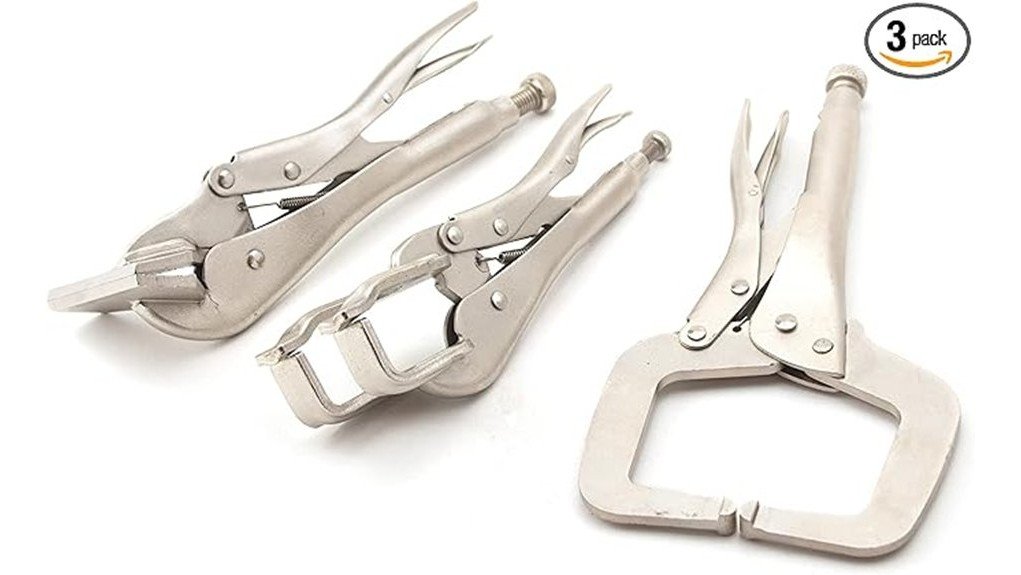
- You need a specialty locking plier such as a C-clamp, long-nose, sheet-metal, or welding clamp style.
- You work in wet or corrosive conditions and need a fully specified rust-resistant tool system.
Material and Build Quality
The main strength of these locking pliers is the article-supported alloy steel construction. Premium alloy steel gives the tool a stronger base than soft, low-grade metal, which matters when you clamp tight, twist hardware, or hold parts under pressure.
The heat-treated alloy steel jaws add another useful durability point. Heat treatment is important on gripping surfaces because the teeth need to bite into the workpiece without wearing down too quickly during repeated use.
The nickel-plated finish is designed to improve corrosion resistance. That makes the pliers more suitable for garage shelves, outdoor repairs, and occasional damp environments, but it does not mean you should leave the tool wet or exposed. Wipe it dry after use and store it away from moisture when possible.
Grip, Jaw Shape, and Adjustability
The curved jaw design is one of the most practical features here. Curved jaws make better contact with rounded objects than flat jaws, so they can help when you are gripping pipe, bolts, nuts, brackets, or irregular metal pieces.
The saw-toothed teeth help the jaws bite into the surface and reduce slipping. This is useful when the part has a worn edge, an uneven shape, or a surface that ordinary pliers cannot hold well.
The adjustable jaw opening adds flexibility. You can set the jaw width for the object, squeeze the handles to lock the pliers, then use the release trigger when you are ready to remove them. This makes the tool more useful across different tasks than a fixed-size clamp or standard plier.
Ease of Use
The one-handed release trigger is a buyer-friendly feature because locked pliers can be frustrating when the release is stiff or awkward. A quick trigger helps you remove the tool faster when you are repositioning parts or repeating the same clamping motion.
The anti-slip rubber handles also make the tool easier to control. Rubber contact points can help reduce hand fatigue and improve grip, especially if your hands are dry, dusty, or slightly oily from garage work.
The 10-inch length gives you more leverage than a smaller plier while still staying manageable for most home and workshop jobs. It is large enough for common clamping work but not so large that it becomes hard to store in a standard toolbox.
Applications and Package Contents
The package includes one 10-inch curved jaw locking plier. Based on the article-supported features, it is best suited for gripping, clamping, holding, and light cutting tasks where a standard plier does not provide enough holding force.
You can use it for home maintenance, garage repairs, workshop projects, and setup tasks where you need a temporary clamp. The built-in wire cutter adds extra utility, though it should be treated as a convenience feature rather than a replacement for dedicated cutters if you cut wire often.
For welding preparation or metalwork positioning, the pliers can help hold parts in place before final fastening or joining. Always match the tool to the job, and avoid using it as a substitute for a load-rated clamp, vise, or lifting tool.
How It Performs in Real Use
For Home Repairs
For common home repairs, these locking pliers should be useful when you need a strong temporary grip. They can hold a small part in place, clamp a loose piece, or help turn a worn fastener when regular pliers slip.
For Garage and Automotive Tasks
In the garage, the curved jaws are helpful for rounded parts, brackets, and hardware with uneven edges. The nickel-plated finish also helps if the tool is stored near moisture, although you should still clean and dry it after dirty work.
For Workshop Clamping
In a workshop, the adjustable jaw opening makes the tool useful for holding material while you measure, mark, cut, or fasten. The locking action lets you keep pressure on the part without maintaining constant hand force.
For Outdoor Use
The corrosion-resistant finish makes these pliers reasonable for occasional outdoor tasks. They are not described as weatherproof, so long-term outdoor storage is not recommended.
How to Use It Correctly
Start by opening the jaws and turning the adjustment screw until the jaws fit slightly tighter than the object you want to grip. Then squeeze the handles until the tool locks in place. The goal is a firm hold, not crushing pressure that damages the object.
Use the one-handed release trigger to unlock the tool instead of forcing the jaws open. If the pliers feel too tight to release safely, reduce the adjustment next time before locking them down.
Pro Tip: Test the jaw setting on the workpiece before applying force. A small adjustment can improve grip, reduce slipping, and help prevent crushed threads or marked surfaces.
Safety and Material Notes
Locking pliers can apply strong pressure, so keep your fingers away from the jaws when closing and releasing the tool. The saw-toothed teeth are made to bite, which helps grip but can also scratch softer surfaces.
Do not use these pliers for electrical work unless the product listing or packaging specifically confirms electrical insulation. Rubber handles can improve grip comfort, but that does not automatically mean the tool is safe for live electrical use.
Do not use the pliers as a lifting device, jack handle, hammer, or replacement for a rated vise or clamp. For high-force work, use the correct tool and follow the safety guidance for your project.
Pros and Cons
Pros
- Premium alloy steel construction supports durability for regular repair and workshop use.
- Heat-treated alloy steel jaws with saw-toothed teeth help the tool grip firmly.
- Curved jaw shape works well on rounded and irregular objects.
- One-handed release trigger makes repeated clamping and repositioning easier.
- Anti-slip rubber handles improve comfort and control during use.
Cons
- Brand, model name, exact jaw capacity, and load rating are not confirmed in the available article details.
- Curved jaws are versatile, but they are not the best choice for every specialty clamping job.
- Saw-toothed jaws can mark softer materials if you clamp too tightly.
Is It Worth the Price?
These 10-inch locking pliers look like a strong value for the price if you need a general-purpose clamping and gripping tool. The alloy steel build, nickel-plated finish, curved jaws, wire cutter, rubber handles, and quick release trigger give you a practical feature set for everyday use.
You will get the most value if you need one tool for mixed home, garage, and workshop tasks. It is not the best fit if you need a specialty clamp style, a verified professional brand, or a published load rating for demanding trade work.
How It Compares to Alternatives
Compared with standard slip-joint pliers, these locking pliers are better when you need the tool to stay clamped without constant hand pressure. Compared with straight-jaw locking pliers, the curved jaw design is usually more useful on rounded or irregular shapes.
If you need to hold flat sheet metal, a sheet-metal locking clamp may be a better choice. If you need long reach in tight spaces, long-nose locking pliers may fit better. These 10-inch curved jaw locking pliers make the most sense when you want one general-purpose gripping and clamping tool.
Frequently Asked Questions
What are these 10-inch locking pliers best used for?
They are best for gripping, clamping, and holding parts during home repairs, garage work, and workshop projects. The curved jaws are especially useful for rounded or irregular objects that standard pliers may not grip well.
Can the jaws adjust for different object sizes?
Yes. The pliers include an adjustable jaw opening, so you can set the grip for different objects before locking the handles. The exact maximum jaw opening is not confirmed in the available article details, so check the listing if you need a specific capacity.
Are they suitable for outdoor use?
They can be used for occasional outdoor tasks because the nickel-plated finish is designed to resist corrosion. They should still be cleaned, dried, and stored indoors after use because the source details do not describe them as weatherproof.
Can the built-in wire cutter replace dedicated cutters?
The built-in wire cutter is useful for occasional quick cuts. If you cut wire often, a dedicated cutter may be more comfortable and precise.
Will the saw-toothed jaws damage surfaces?
They can mark softer materials if you clamp too tightly. Use lighter pressure, a protective scrap material, or a different tool when working on finished, painted, soft, or delicate surfaces.
What comes in the package?
The article-supported package contents include one 10-inch curved jaw locking plier. No extra accessories are confirmed in the available details.
What warranty do these locking pliers include?
The available article details do not confirm a warranty period. Before buying, check the current Amazon listing or seller information for warranty, return, and support terms.
Who should skip these pliers?
Skip them if you need verified load ratings, insulated electrical protection, or a specialty clamp shape. They are better as a general-purpose locking plier than as a job-specific professional clamp.
The Bottom Line
These 10-inch curved jaw locking pliers are a smart buy for everyday use if you need a durable, adjustable gripping tool for DIY, garage, and workshop tasks. The main strengths are the alloy steel build, heat-treated saw-toothed jaws, rubber handles, and one-handed release trigger. Skip them if you need confirmed brand documentation, exact jaw capacity, a published load rating, or a specialty locking plier for a very specific job.