Disclosure: As an Amazon Associate, we earn from qualifying purchases. If you click a link on this page and make a purchase, we may receive a small commission at no extra cost to you.
Clamping a small metal part with one hand while you tighten, bend, weld, or align it with the other can slow down a simple repair. These 10-inch locking pliers are made for that exact problem: they grip, lock, and hold material under controlled pressure so you do not have to keep squeezing the handles. The high carbon steel body, adjustable screw, wide flat jaws, and rubber grip make them a practical choice for metalwork, automotive repairs, and general shop use. This review helps you decide where they are useful, where they fall short, and whether they deserve a place in your toolbox.
Quick Verdict
Rating: 8/10
Best For: DIY users, mechanics, metalworkers, fabricators, and workshop users who need a strong temporary grip
Bottom Line: These 10-inch locking pliers offer strong clamping control for metal-focused jobs and quick repair work. They are not ideal for soft surfaces, precision finish work, or jobs that require a fixed bench vise.
| Specification | Detail |
|---|---|
| Product Type | Locking pliers |
| Size | 10-inch |
| Material | High carbon steel |
| Handle | Rubber grip ergonomic handle |
| Adjustment | Adjustable screw clamping mechanism |
| Release Style | Pull-type release lever |
| Jaw Type | Wide flat jaws |
| Finish | Rust-resistant coating |
| Best Use | Metal gripping, temporary clamping, automotive repair, fabrication, and DIY workshop tasks |
| Safety Note | Avoid over-tightening on soft, finished, painted, or delicate materials. |
What Is the 10-Inch Locking Pliers?
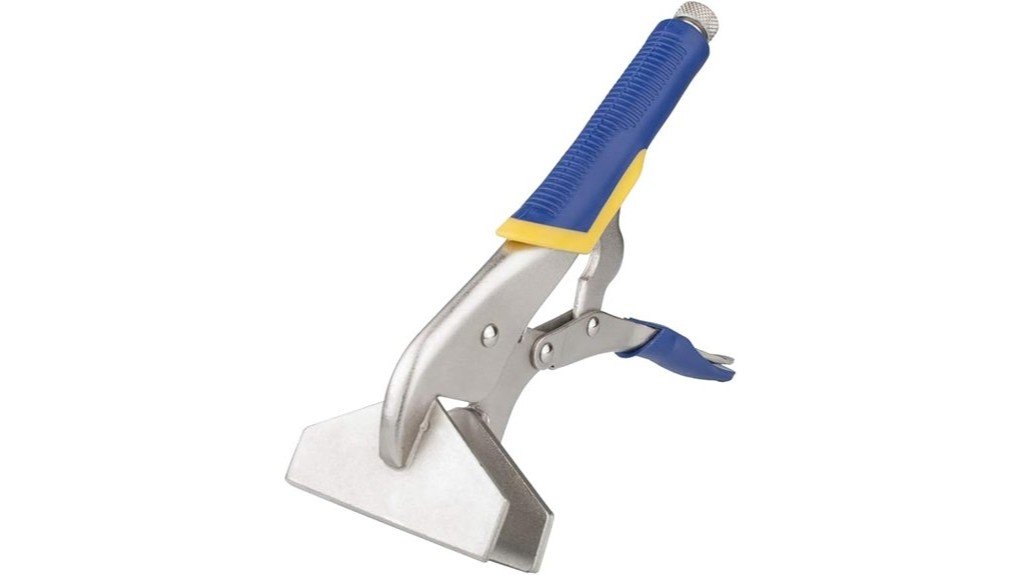
These 10-inch locking pliers are hand tools designed to clamp, hold, and secure material with a locking jaw mechanism. Instead of relying on constant hand pressure, you set the jaw pressure with the adjustment screw, close the handle, and let the tool hold the workpiece while you continue the job.
The high carbon steel body supports force-heavy tasks such as gripping bolts, bending thin metal, holding brackets, or keeping parts aligned during repair work. The wide flat jaws help spread contact over a larger surface than a narrow jaw, which can improve stability when you work with sheet metal or flat stock.
This tool is best viewed as a portable holding aid, not a full clamp system. It can save time during small jobs, but it cannot match the stability of a bench vise or a dedicated welding clamp for high-precision setups.
Who Should Buy It?
Best For
- DIY users handling home repairs, garage projects, and small metal jobs
- Automotive mechanics who need a strong temporary grip on brackets, pipes, or fasteners
- Metalworkers and fabricators who want a portable clamp for sheet metal alignment
Skip If
- You need gentle gripping for finished wood, plastic, painted parts, or soft materials
- You need a stable replacement for a bench vise, C-clamp, or dedicated welding clamp
- You work on precision surfaces where jaw marks would be a serious problem
Before You Buy: These pliers can leave marks when clamped too tightly. Use jaw pads, scrap material, or a different clamp if the workpiece has a finished surface you need to protect.
Key Design and Build Quality
The high carbon steel construction is the main durability feature. It gives the tool the stiffness needed for gripping, clamping, and holding metal parts under pressure, especially when ordinary pliers would require constant hand force.
The rust-resistant coating adds basic protection for workshop storage. It can help slow surface corrosion, but it does not remove the need for cleaning, drying, and light maintenance after use in damp or oily environments.
The 10-inch length gives you more leverage than a compact pair of pliers while staying portable enough for a toolbox, garage drawer, or welding cart. That size makes the tool useful for many repair jobs, although it may feel bulky in cramped engine bays or tight corners.
Jaw Design and Clamping Control
The wide flat jaws are useful when you need broad contact on sheet metal, brackets, plates, or flat stock. They can help reduce rocking compared with narrow jaws, especially when you place the jaws close to the load point.
The adjustable screw at the end of the handle controls how tightly the jaws close. This matters because too little pressure can cause slipping, while too much pressure can dent softer material or make the release harder to control.
Because the jaws lock in place, you can use the tool as a temporary extra hand during setup work. It is especially helpful when you need to align two parts before tightening a fastener, tacking a weld, or checking fit.
Handle Comfort and Release Mechanism
The rubber grip handle improves traction when your hands are oily, sweaty, or covered with light workshop dust. It also feels more comfortable than bare metal during repeated gripping, although long sessions can still cause hand fatigue.
The pull-type release lever helps you unlock the jaws after the tool has been clamped down. This makes it easier to reposition the pliers during repetitive tasks, but you should still keep your fingers clear of pinch points when releasing tension.
For best control, set the screw gradually rather than forcing the jaws closed in one hard squeeze. A controlled adjustment gives you a stronger hold and lowers the chance of damaging the material.
How It Performs in Real Use
For Automotive Repairs
These pliers can hold brackets, small pipes, tabs, or stubborn fasteners while you work with another tool. They are useful when you need a temporary hold, but they should not replace the correct wrench, socket, or vehicle-safe support tool for critical repairs.
For Metal Fabrication
The wide jaws make sense for aligning sheet metal, keeping small plates together, or holding pieces in place during layout. For welding prep, they can help with temporary positioning, but high-precision welding fixtures still need dedicated clamps.
For Home DIY Projects
Around the house or garage, these pliers can hold broken parts together during glue curing, grip a rounded fastener, or keep material aligned during drilling. They are most useful on hard materials that can handle firm pressure.
For Workshop Setup
In a workshop, they work well as a fast setup tool for jigs, temporary stops, and irregular shapes. Their main advantage is speed: you can lock, adjust, and move them faster than many fixed clamp setups.
Placement Tips for Better Results
For the strongest grip, position the jaws as close to the load point as possible. This reduces twisting and lowers the chance that the workpiece will slip under pressure.
Avoid using the pliers at the widest possible jaw opening unless the job truly requires it. Extreme jaw extension reduces contact stability and can make the clamp feel less secure.
When you clamp painted, polished, plastic, or soft material, protect the surface before applying pressure. A thin piece of scrap wood, cardboard, leather, or a purpose-made jaw pad can reduce marking, but it may also reduce grip strength.
Pro Tip: Lightly lubricate the adjustment screw and release area after heavy use. Smooth threads make pressure adjustment easier and help reduce wear over time.
Material Safety and Care
The high carbon steel body is built for strength, but steel tools still need basic care. Wipe the jaws clean after use, remove metal dust or grit, and store the pliers in a dry place to help protect the rust-resistant finish.
The rubber handle improves grip, but it is not a substitute for insulated electrical tools. Do not use these pliers on live electrical circuits unless the product labeling specifically states that they are rated for that use.
Check the jaw teeth, adjustment screw, and release lever before heavy clamping. If the tool slips, binds, or shows damage, stop using it until you can inspect it safely.
Pros and Cons
Pros
- High carbon steel body supports firm gripping and clamping on metal parts
- Adjustable screw lets you fine-tune clamping pressure for different thicknesses
- Rubber grip handle improves control during oily or repetitive workshop tasks
- Wide flat jaws help stabilize sheet metal, brackets, and flat stock
- Pull-type release lever makes repositioning easier during active work
Cons
- Can mark or dent soft, finished, painted, or delicate materials
- Requires some adjustment practice to balance grip strength and release tension
- Less stable than a bench vise or dedicated clamp for precision work
Is It Worth the Price?
These locking pliers make the most sense as a budget to mid-range workshop tool for buyers who need reliable temporary clamping without buying several specialty clamps. You get the most value if you often work with metal parts, fasteners, small brackets, or quick alignment tasks.
They are worth considering if you want one compact tool for gripping, holding, and light clamping around a garage or repair bench. They are not the best fit if you need delicate pressure control, non-marring jaws, or a fixed clamping setup for machining or precision welding.
How It Compares to Alternatives
Compared with standard slip-joint pliers, locking pliers hold pressure after you clamp them, which reduces hand strain during longer holding tasks. Compared with a bench vise, they are much easier to move around, but they are less stable for heavy shaping, cutting, or machining.
Spring clamps are faster for light materials, but they do not provide the same controlled locking pressure. Dedicated welding clamps or C-clamps are better for repeatable setups, while these 10-inch locking pliers are better for quick, portable, one-off holds.
Frequently Asked Questions
Can these 10-inch locking pliers be used on wood or plastic?
They can hold wood or plastic for temporary alignment, but too much pressure can dent, crush, or mark softer materials. Use protection between the jaws and the surface when finish quality matters.
Are they suitable for welding work?
They can hold parts during welding prep, tacking, or layout, especially on small metal pieces. For repeatable weld angles or high-precision fabrication, dedicated welding clamps are still the better choice.
How do you adjust the clamping pressure?
Turn the adjustment screw before locking the jaws. Start with lighter pressure, test the hold, and tighten gradually until the workpiece stays secure without crushing or marking it.
Do the wide flat jaws make a difference?
Wide flat jaws help create broader contact on sheet metal, brackets, and flat stock. They can improve stability, but they can still leave marks if you clamp too hard.
Will the tool rust over time?
The rust-resistant finish helps slow corrosion, but it does not make the tool maintenance-free. Keep the pliers clean, dry them after exposure to moisture, and store them away from damp areas.
Can they replace a bench vise or C-clamp?
No. They are useful for quick temporary holds, but a vise or C-clamp gives better stability for heavy pressure, repeatable positioning, and precision work.
What maintenance do these locking pliers need?
Wipe the jaws after use, remove grit from the moving parts, and apply light oil to the adjustment screw when needed. Basic care helps the screw, release lever, and jaw action stay smooth.
The Bottom Line
These 10-inch locking pliers are a strong choice for DIY users, mechanics, and metalworkers who need adjustable gripping power for repairs, fabrication, and general workshop work. Their main strengths are the high carbon steel body, screw-adjustable clamping force, and wide flat jaws, while the main limitation is the risk of marking soft or finished materials.
Choose them if you need a portable temporary clamp for hard materials. Skip them if you need non-marring jaws, precision clamping, or the stability of a vise.