Disclosure: As an Amazon Associate, we earn from qualifying purchases. If you click a link on this page and make a purchase, we may receive a small commission at no extra cost to you.
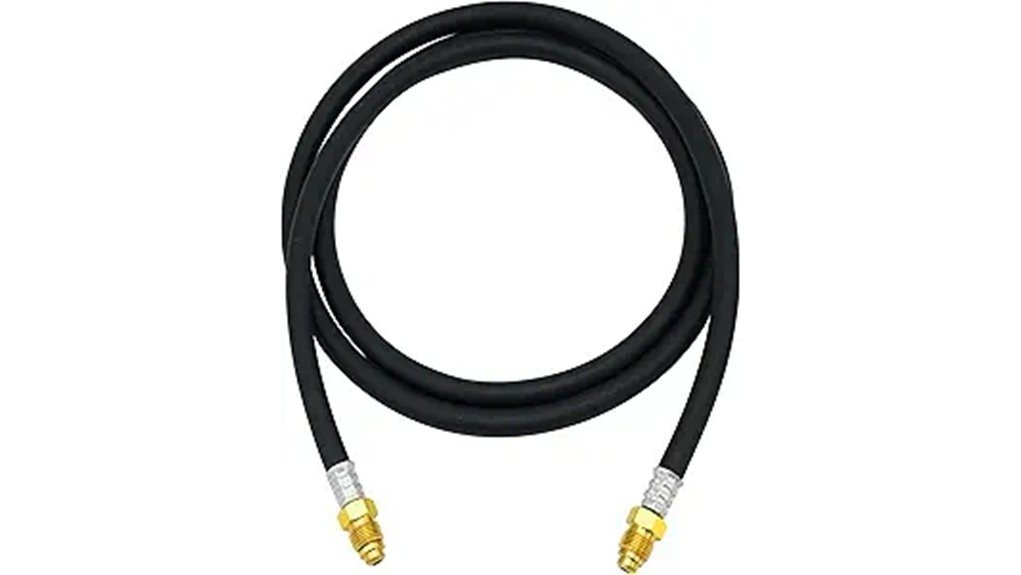
Gas delivery problems can turn a clean TIG or MIG setup into a frustrating job with porosity, unstable shielding, or wasted gas. The Inert Gas Welding Hose reviewed here is built for shielding gases such as argon, argon/CO2 mixes, and helium, with article-supported pressure ratings of 300 PSI working pressure and 600 PSI burst pressure. This review helps you decide if it is a practical replacement or add-on hose for your welding setup. Its main strength is the strong pressure rating for inert shielding gas use, while the main limitation is that the article does not verify a brand, warranty term, fitting type, or oxygen compatibility beyond the safety warning already provided.
Quick Verdict
Rating: 8.2/10
Best For: TIG and MIG welders who need an inert shielding gas hose for argon, argon/CO2, or helium setups.
Bottom Line: This hose is worth considering if you need a flexible inert gas line with a 300 PSI working pressure and several length choices. Skip it if you need a verified oxygen-rated hose, a named brand, or confirmed fitting details before purchase.
| Specification | Detail |
|---|---|
| Product name | Inert Gas Welding Hose |
| ASIN from affiliate link | B098DB1V34 |
| Product type | Inert shielding gas hose for welding |
| Working pressure | 300 PSI |
| Burst pressure | 600 PSI |
| Material | Premium rubber, described as non-toxic in the source article |
| Compatible gases | Argon, argon/CO2 mixtures, and helium |
| Compatible welding processes | TIG and MIG welding applications that use inert shielding gas |
| Length options listed | 6.56 ft, 10 ft, 15 ft, 20 ft, and 30 ft |
| Not suitable for | Oxygen welding or oxygen service |
| Storage note | Coil neatly, avoid kinks, and store away from direct sunlight when possible |
| Best use | General TIG and MIG shielding gas setups in home shops, garages, and commercial workspaces |
What Is the Inert Gas Welding Hose?
The Inert Gas Welding Hose is a gas supply hose used to move shielding gas from your regulator or gas source to compatible TIG or MIG welding equipment. The article lists compatibility with argon, argon/CO2 mixtures, and helium, which are common shielding gas choices for many welding tasks.
Its main selling point is the combination of a 300 PSI working pressure, a 600 PSI burst pressure, and multiple length options. That makes it useful when your welder and gas cylinder are not sitting close together, or when you want enough reach to move around a bench, frame, cart, or larger workpiece without pulling against the hose.
Who Should Buy It?
Best For
- TIG welders who need a hose for argon or helium shielding gas.
- MIG welders using argon/CO2 shielding gas mixtures.
- Home shops or garages that need a longer hose to reduce cylinder and cart repositioning.
Skip If
- You need a hose rated for oxygen welding or fuel gas service.
- You must confirm fitting size, thread type, brand, or warranty before buying.
- Your setup stays in direct sunlight for long periods and you cannot protect the hose from UV exposure.
Before You Buy: This review can confirm only the article-supported details. Check the Amazon listing photos and product details for fitting size, included adapters, current length selection, warranty terms, and seller-specific package notes before ordering.
Material Quality and Construction
The source article describes the hose as made from premium rubber with a non-toxic composition. For a welding hose, rubber construction matters because the hose must bend around a workbench, welding cart, or cylinder without cracking under normal use.
The 300 PSI working pressure gives you a practical pressure margin for inert gas delivery, while the 600 PSI burst pressure adds reassurance for demanding shop use. These figures do not mean the hose should be abused, sharply kinked, crushed under equipment, or used beyond the product instructions.
One important limitation is UV exposure. The original article says the hose has limited UV resistance, so it is better suited to indoor or protected use than long-term outdoor storage in direct sun.
Pressure Rating and Gas Compatibility
The hose is listed for argon, argon/CO2 mixtures, and helium. That covers many TIG and MIG shielding gas setups, especially for welders who need a dedicated inert gas line rather than an oxygen or fuel hose.
For TIG work, argon and helium compatibility is useful because these gases are often used to shield the weld puddle and tungsten area. For MIG work, argon/CO2 compatibility makes the hose practical for many steel welding setups that use mixed shielding gas.
The key safety point is simple: do not treat this as a universal gas hose. The article specifically warns that it is not suitable for oxygen welding, and oxygen service requires equipment rated for that purpose.
Length Options and Usage Recommendations
Selecting the right hose length can affect both comfort and gas-line strain. A hose that is too short may pull on the regulator or torch lead, while a hose that is much longer than needed can add clutter around your feet and work area.
| Length Option | Best Use |
|---|---|
| 6.56 ft | Small benches, compact carts, and tight garage setups |
| 10 ft | Home projects where the cylinder stays near the welder |
| 15 ft | General shop use with moderate reach |
| 20 ft | Larger work areas and projects that require more movement |
| 30 ft | Wide shop layouts where mobility matters more than compact storage |
Pro Tip: Choose the shortest length that lets you reach your normal welding position without pulling on the regulator, machine, or hose connections. Extra length can help in a larger shop, but it also needs more careful coiling and storage.
Setup Tips Before First Use
Before you connect the hose, inspect the full length for cuts, flattened spots, cracks, or shipping damage. Also check the connection points because the article does not verify the fitting size or adapter package.
After installation, route the hose where it will not sit under a metal workpiece, cart wheel, or hot material. Keep it away from sparks, sharp edges, and freshly welded parts because heat and abrasion can shorten hose life.
When you open the gas supply, follow your regulator, welder, and gas cylinder instructions. If you smell gas, hear a leak, or see the flow reading behave oddly, stop and inspect the connection before welding.
Compatibility and Safety Notes
This hose is meant for inert shielding gas use, not oxygen welding. Using the wrong hose for oxygen can create serious safety risks, so you should use oxygen-rated equipment only when your process requires oxygen service.
Because the listing details could not be fully verified during this edit, treat fitting size and included accessories as buyer-check items. Match the hose to your regulator, flowmeter, machine, and gas cylinder setup before purchase.
Use the hose in a ventilated work area and follow your welding machine manual. Shielding gases can displace air in poorly ventilated spaces, and welding itself creates heat, fumes, and arc hazards that require proper PPE.
How It Performs in Real Use
For Small Garage Welding Setups
The 6.56 ft or 10 ft options make the most sense when your gas cylinder, welder, and workbench stay close together. These shorter lengths are easier to coil, store, and keep away from the floor.
For TIG Welding With Argon or Helium
For TIG users, the listed argon and helium compatibility is the key benefit. A dedicated inert gas hose helps keep the gas route organized, especially when you move between small parts, bench work, and larger metal pieces.
For MIG Welding With Argon/CO2 Mixes
For MIG work, compatibility with argon/CO2 mixtures makes the hose useful for common shielding gas setups. The 15 ft or 20 ft lengths may be a better fit if your cylinder stays on a cart while you move around a vehicle panel, frame section, or fabrication table.
For Larger Work Areas
The 30 ft option gives the most reach, but it also creates the most storage and trip-hazard concerns. It is best for wider layouts where moving the cylinder is inconvenient and you can route the hose safely.
Pros and Cons
Pros
- 300 PSI working pressure and 600 PSI burst pressure provide a strong margin for inert gas delivery.
- Compatible with argon, argon/CO2 mixtures, and helium for TIG and MIG use.
- Multiple length choices help you match the hose to a small bench, garage, or larger shop layout.
- Rubber construction supports flexibility around carts, cylinders, and work areas.
- Useful as a replacement or added hose for a dedicated shielding gas setup.
Cons
- Not suitable for oxygen welding or oxygen service.
- Brand, fitting size, included adapters, and warranty details are not verified in the provided article.
- Limited UV resistance means outdoor storage needs extra care.
Is It Worth the Price?
This hose looks like a strong value for the price if you need a straightforward inert gas hose with several length choices and a 300 PSI working pressure. The best buyer is someone who already knows their gas setup and mainly needs the right hose length for argon, argon/CO2, or helium service.
It is not the best fit if you need confirmed brand documentation, a listed warranty term, or exact fitting details before you buy. In that case, check the current Amazon listing closely or compare it with a hose from a welding supply brand that publishes full technical specs.
How It Compares to Alternatives
Compared with a basic short argon hose, this product gives you more length choices and a strong article-supported pressure rating. Compared with heavier industrial gas hoses from welding supply brands, it may be easier to buy through Amazon, but the provided article does not confirm the same level of brand documentation or fitting detail.
Do not compare it with oxygen or fuel gas hoses as a direct substitute. Those hoses serve different safety needs, and this product should stay in its intended inert shielding gas role.
Frequently Asked Questions
Can you use this hose for oxygen welding?
No. The article says this hose is not suitable for oxygen welding. Use only equipment rated for oxygen service when your welding or cutting process requires oxygen.
Which shielding gases is it made for?
The article lists compatibility with argon, argon/CO2 mixtures, and helium. That makes it most relevant for TIG and MIG welding setups that use those shielding gases.
What length should you choose?
Choose 6.56 ft or 10 ft for compact benches and carts. Choose 15 ft, 20 ft, or 30 ft if you need more reach around a vehicle, fabrication table, or larger shop area.
Is the hose safe for outdoor use?
The article says the hose has limited UV resistance. You can use it in a protected setup, but long-term storage in direct sunlight is not ideal.
How should you store the welding hose?
Coil it neatly, avoid tight bends, and keep it away from sharp edges, heavy tools, and direct sunlight. Good storage helps reduce kinks and surface wear.
Can it be used as a replacement hose?
Yes, it can be considered as a replacement hose for compatible inert shielding gas setups. Before buying, confirm the fitting size and connection type on the current listing against your regulator and welding machine.
What is the expected lifespan?
The article says lifespan depends on use and storage. Regular inspection, careful coiling, and keeping the hose away from direct sunlight can help extend service life.
What warranty comes with it?
The provided article does not give a specific warranty term. Check the current Amazon listing and seller information before purchase if warranty coverage is important to you.
The Bottom Line
The Inert Gas Welding Hose is recommended with caveats for TIG and MIG users who need an inert shielding gas hose with a 300 PSI working pressure, 600 PSI burst pressure, and multiple length choices. It is strongest for argon, argon/CO2, and helium setups, but you should skip it for oxygen service or any setup where you need verified fitting, brand, or warranty details before ordering.