Disclosure: As an Amazon Associate, we earn from qualifying purchases. If you click a link on this page and make a purchase, we may receive a small commission at no extra cost to you.
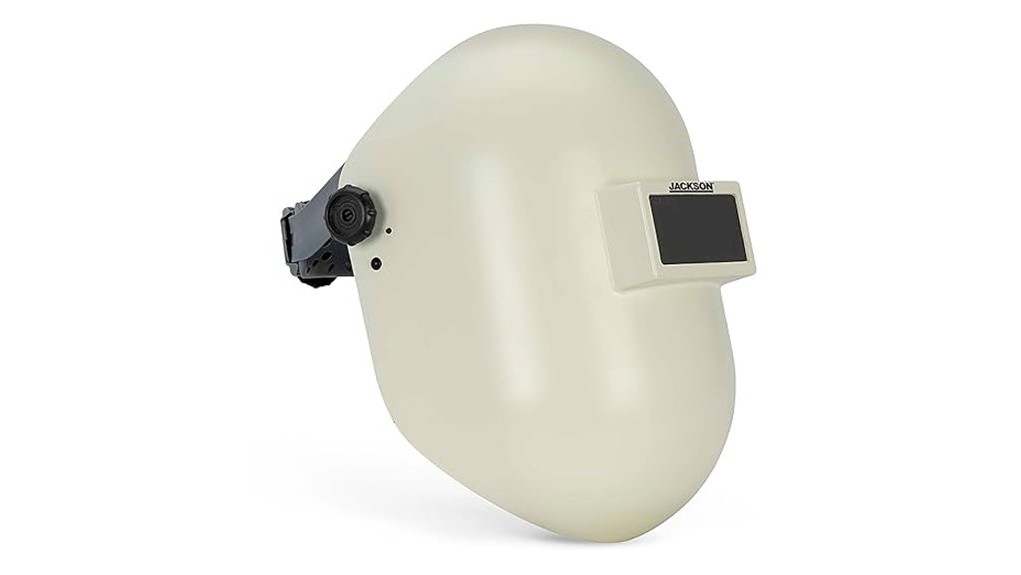
Pipeline welding puts your helmet through tight spaces, overhead work, sparks, heat, and long wearing sessions. The Jackson Safety PL280 Pipeline Welding Helmet is built for welders who want a compact fiberglass hood with a fixed Shade 10 filter instead of a bulky feature-heavy helmet. This review helps you decide if its lightweight shell, heat-resistant design, and adjustable headgear fit your work style. It looks strongest for practical pipeline and fabrication use, but you should confirm the exact listing details before buying because live product verification was not available during this edit.
Quick Verdict
Rating: Recommended with caveats, 8.2/10
Best For: Pipeline welders, fabrication workers, and shop users who prefer a compact fixed-shade fiberglass helmet.
Bottom Line: The PL280 stands out for its lightweight 1.5 lb fiberglass construction, heat resistance claim, and adjustable headgear. The main tradeoff is that it uses a fixed Shade 10 setup, so buyers who want auto-darkening controls or verified online specs should compare carefully before ordering.
| Specification | Detail |
|---|---|
| Brand | Jackson Safety |
| Model | PL280 |
| Product type | Pipeline welding helmet |
| Design | Compact bucket-style hood for pipeline access |
| Weight | 1.5 lb |
| Material | Lightweight fiberglass shell |
| Heat resistance | Article-supported claim of resistance up to 1,300°F |
| Window | High-impact polycarbonate window |
| Filter | 2″ x 4.25″ drop-in Shade 10 filter |
| Headgear | Patented 370 Speed Dial ratcheting headgear with Qwik-Fit rear swivel headband |
| Safety standard | Article-supported ANSI Z87.1 claim |
| Best use | Pipeline welding, overhead welding, MIG and TIG use where a Shade 10 filter is suitable |
Before You Buy: This review uses article-supported product details because live listing verification was not available. Confirm the current Amazon listing, included lens, standard markings, and seller package details before using this helmet for jobsite compliance.
What Is the Jackson Safety PL280 Pipeline Welding Helmet?
The Jackson Safety PL280 is a pipeline welding helmet with a compact bucket-style shape. That shape matters because pipeline work often gives you less room around your head, shoulders, and welding position than open bench welding. A smaller hood can help you work closer to the joint without fighting a bulky shell.
The article-supported build includes a lightweight fiberglass shell that weighs 1.5 lb. Fiberglass is useful in welding helmets because it can resist heat better than many lightweight plastic shells, while still keeping the hood manageable during long sessions. The article also describes the helmet as chip-resistant, crack-resistant, and self-extinguishing, which are important traits when sparks, spatter, and overhead work are part of your routine.
The viewing setup is simple rather than electronic. You get a high-impact polycarbonate window with a 2″ x 4.25″ drop-in Shade 10 filter. That fixed-shade design suits welders who want fewer controls and a straightforward setup, but it is not the best match if you want adjustable shade levels or auto-darkening convenience.
Who Should Buy It?
Best For
- Pipeline welders who need a compact bucket-style helmet for tight access.
- Welders who prefer a fixed Shade 10 filter over an auto-darkening lens.
- Shop and field users who want a lightweight 1.5 lb fiberglass hood for longer wear.
Skip If
- You need an auto-darkening helmet with adjustable shade settings.
- Your jobsite requires verified documentation before PPE approval.
- You want a large viewing area instead of a 2″ x 4.25″ drop-in filter format.
Design and Construction Features
The PL280 uses a compact bucket-style design made for pipeline access. This is helpful when you need face and eye coverage without extra shell bulk getting in the way. For welders working around pipe, structural pieces, or overhead angles, a smaller profile can make positioning easier.
The fiberglass construction is one of the strongest reasons to consider this helmet. The article lists the shell as lightweight, heat-resistant, and built to resist chips and cracks. That combination gives you a more durable feel than a thin low-cost hood, while still keeping the helmet light enough for long sessions.
At 1.5 lb, the helmet should feel easier to wear than many heavier hoods. Less weight can reduce neck strain when you are frequently lifting your head, changing position, or holding an awkward angle during a weld. Weight alone does not decide comfort, but it matters when you wear the helmet for hours.
Heat Resistance and Safety Benefits
The article-supported heat resistance claim is up to 1,300°F. For welding, this matters because your hood may be exposed to sparks, spatter, radiant heat, and brief contact with hot debris. A helmet that deflects heat well can help protect your face and eyes while keeping the shell from feeling fragile in harsh work.
The PL280 is also described as self-extinguishing and compliant with ANSI Z87.1. That safety claim is important, but you should still verify the exact markings on the helmet, lens, packaging, or manufacturer documentation before using it for regulated work. PPE compliance can depend on the exact product version and workplace rules.
The high-impact polycarbonate window adds another layer of protection. It is designed to help guard the viewing area against impact while the Shade 10 filter protects your eyes from welding arc brightness. Since Shade 10 is a fixed filter, make sure it matches your welding process, amperage range, and employer safety requirements.
Comfort and Visibility Enhancements
Comfort is a major strength of this helmet because the article lists adjustable padding, patented 370 Speed Dial ratcheting headgear, and a Qwik-Fit rear swivel headband. These features help you tighten or loosen the helmet without relying on a loose one-size fit. A more secure fit can reduce shifting when you bend, kneel, or work around pipe.
The 2″ x 4.25″ drop-in Shade 10 filter gives you a traditional viewing setup. It is not as large as some modern panoramic or oversized auto-darkening lenses, but many pipeline welders prefer this compact format because it keeps the hood simple and familiar. The smaller window can also help the helmet stay compact.
The main comfort limitation is that head shape varies. Even with adjustable headgear, some users may need extra time to dial in the fit. Before a long job, test the helmet with your cap, respirator, safety glasses, or other PPE to make sure nothing creates pressure points.
Pro Tip: Adjust the Speed Dial headgear before you start welding, then test the hood in your normal working position. A fit that feels fine while standing can shift when you crouch, look down, or weld overhead.
Fit, Setup, and Use Tips
Before first use, inspect the shell, headgear, window, and filter. Do not use the helmet if the shell is cracked, the lens is damaged, or the headgear cannot hold the hood securely. Small damage can become a safety problem when the helmet is exposed to sparks and impact.
Set the ratcheting headgear tight enough to stay stable, but not so tight that it causes pressure across your forehead or the back of your head. If the helmet moves when you lean forward, adjust the rear swivel headband or padding before welding. A shifting helmet can break your sightline at the worst time.
Check that the Shade 10 filter is suitable for your welding task. The article mentions MIG and TIG use, but shade selection should match your process, amperage, and safety rules. When in doubt, follow the product label, welding procedure, employer PPE policy, or guidance from a qualified safety professional.
How It Performs in Real Use
For Pipeline Work
The compact bucket-style profile is the biggest real-use advantage for pipeline welding. You can work closer to pipe and surrounding material without as much helmet bulk. That can help when your body position is limited and you need a steady view of the puddle.
For Overhead Welding
The article states that the helmet is suited for overhead welding and offers heat deflection from sparks and spatter. The lightweight 1.5 lb shell also helps because overhead work can tire your neck faster than flat-position welding. You should still use proper protective clothing because a helmet does not replace head, neck, or shoulder protection.
For Long Sessions
The adjustable padding, Speed Dial headgear, and Qwik-Fit rear swivel headband make the PL280 better suited for extended sessions than a loose basic hood. A secure fit can reduce constant readjustment. The tradeoff is that a fixed shade lens gives you less convenience when moving between prep, tack, and welding steps.
For Shop and Field Use
In a shop, the PL280 works best if you value simplicity, durability, and a traditional drop-in filter. In field work, the fiberglass shell and heat resistance claim make it appealing for rougher conditions. Keep spare lenses or covers available if your work creates heavy spatter or surface scratches.
Pros and Cons
Pros
- Lightweight 1.5 lb fiberglass shell helps reduce fatigue during long wear.
- Compact bucket-style shape is practical for pipeline access and tight work areas.
- Article-supported 1,300°F heat resistance claim helps address sparks and spatter exposure.
- 370 Speed Dial headgear and Qwik-Fit rear swivel headband improve fit control.
- 2″ x 4.25″ drop-in Shade 10 filter keeps the viewing setup simple and familiar.
Cons
- Fixed Shade 10 filter is not as flexible as an auto-darkening lens.
- 2″ x 4.25″ viewing area may feel small if you prefer a wider lens.
- Current listing details should be confirmed before use for compliance-sensitive jobs.
Is It Worth the Price?
The Jackson Safety PL280 is worth considering if you want a simple pipeline welding helmet with a lightweight fiberglass shell and traditional Shade 10 setup. It is better for buyers who care about heat resistance, compact fit, and headgear adjustment than for buyers who want electronic lens controls.
Its value depends on your work style. If you mostly weld in tight spaces, overhead positions, or field environments, the compact shell and 1.5 lb weight may give you practical daily benefits. If you switch often between different welding processes or shade needs, an auto-darkening alternative may offer better convenience.
Because live product verification was not available, check the current Amazon listing before purchase. Confirm the model, included lens, headgear, and any compliance information so you know exactly what arrives.
How It Compares to Alternatives
Compared with many auto-darkening welding helmets, the PL280 is simpler and more traditional. You do not get variable shade settings, sensitivity controls, delay controls, or battery-related features. In return, you get a fixed-shade helmet that may appeal to welders who prefer fewer parts and a compact pipeline-style hood.
Compared with larger shop helmets, the PL280 makes more sense when tight access matters. A larger viewing area can be more comfortable for bench welding, but a compact bucket-style helmet can be easier to manage around pipe, overhead work, and confined angles.
Cleaning and Maintenance
Clean the exterior with a damp cloth and inspect the shell after regular use. Do not use harsh cleaners unless the product manual allows them, because chemicals can damage helmet materials or lens surfaces. Let the helmet dry before storage.
Check the window and filter before each work session. Replace damaged, cracked, or heavily scratched lenses because poor visibility can affect weld quality and safety. Also inspect the headgear adjustment points so the helmet stays secure when you move.
Store the PL280 away from heavy objects, sharp tools, and extreme moisture. Even a durable fiberglass helmet can be damaged if it is crushed in a truck bed or tossed into a crowded tool area.
Frequently Asked Questions
What types of welding can the PL280 helmet be used for?
The article supports MIG and TIG use, and the fixed Shade 10 filter may suit many common welding tasks. Always confirm that Shade 10 matches your welding process, amperage, and safety policy before use.
Is the Jackson Safety PL280 auto-darkening?
The article describes a 2″ x 4.25″ drop-in Shade 10 filter, not an auto-darkening lens. Choose this helmet if you want a simple fixed-shade setup, not electronic shade adjustment.
Is it suitable for beginners?
It can work for beginners who understand fixed-shade welding helmet use and follow proper PPE rules. New welders may find an auto-darkening helmet easier during setup and tacking, so the better choice depends on comfort and training.
How heavy is the PL280 helmet?
The article lists the helmet weight as 1.5 lb. That light weight can help reduce neck fatigue during long welding sessions, especially when working overhead or around pipe.
How do you clean and maintain the helmet?
Wipe the shell with a damp cloth, inspect the lens area, and replace damaged viewing parts as needed. Check the headgear often so the helmet stays stable while you work.
Does the helmet meet ANSI Z87.1?
The article states that the helmet meets ANSI Z87.1. Because jobsite PPE rules can be strict, confirm the current product markings, packaging, or seller documentation before relying on it for compliance.
Who should skip this helmet?
Skip it if you want auto-darkening controls, a larger viewing area, or verified live listing data before purchase. It is also not the best fit if your workplace requires specific PPE documentation that you cannot confirm.
Where can you buy the Jackson Safety PL280 helmet?
The article includes an Amazon purchase link for the PL280. Before buying, review the current listing details, seller information, included parts, and return policy.
The Bottom Line
The Jackson Safety PL280 Pipeline Welding Helmet is a strong fit if you want a lightweight fiberglass pipeline hood with a compact shape, adjustable headgear, and a traditional Shade 10 filter. Skip it if you need auto-darkening controls, a larger lens, or fully verified live product documentation before purchase. It earns a recommended-with-caveats verdict because the supported specs are practical, but buyers should confirm current listing details before ordering.