Disclosure: As an Amazon Associate, we earn from qualifying purchases. If you click a link on this page and make a purchase, we may receive a small commission at no extra cost to you.
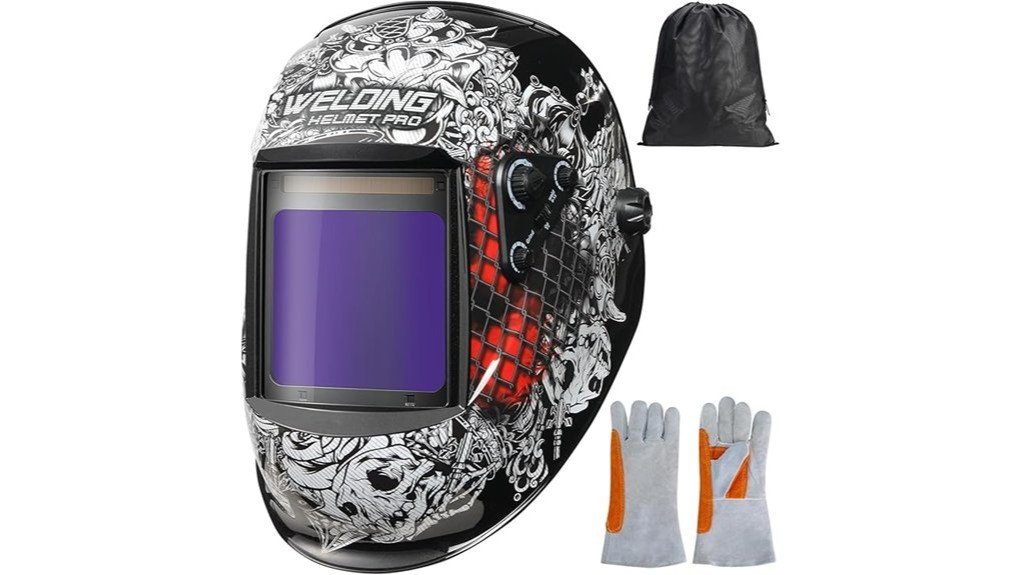
Your welding helmet affects how clearly you see the puddle, how fast your eyes are protected during arc starts, and how tired your neck feels after repeated welds. The JRP070 Welder Mask focuses on three practical needs: a 3.94 x 3.66-inch viewing area, a 1/1/1/1 optical clarity rating, and a 1/25000-second auto-darkening response. It is built for MIG, TIG, and ARC welding where fast lens switching and clear visibility matter more than advanced digital memory controls. This review helps you decide if its light weight, shade range, and four-sensor setup fit your workshop needs, or if you should step up to a higher-tier helmet with documented industrial certifications.
Quick Verdict
Rating: Recommended with caveats
Best For: Hobby welders, repair work, and light shop use with MIG, TIG, or ARC setups
Bottom Line: The JRP070 Welder Mask gives you a large view, fast lens response, and clear optics for everyday welding. The main tradeoff is that fit, comfort, and sensitivity setup may take adjustment, especially during long or awkward-position work.
| Specification | Detail |
|---|---|
| Brand | JRP |
| Model | JRP070 |
| Product Type | Auto-darkening welding mask |
| Viewing Area | 3.94 x 3.66 inches |
| Optical Clarity | 1/1/1/1 rating |
| Auto-Darkening Speed | 1/25000 second |
| Arc Sensors | 4 sensors |
| Shade Range | Shade 4/9 to 13 |
| Weight | About 1 lb |
| Housing Material | PA (polyamide) |
| Compatibility | TIG, MIG, and ARC welding |
| Best Use | Garage projects, light fabrication, repair work, and general workshop welding |
| Safety Note | Check fit, lens function, shade setting, and manual guidance before welding. |
What Is the JRP070 Welder Mask?
The JRP070 Welder Mask is an auto-darkening welding helmet designed for welders who work with MIG, TIG, and ARC processes. Instead of using a fixed shade lens, it switches from a lighter viewing state to a darker welding state when its sensors detect an arc.
The main appeal is visibility. Its 3.94 x 3.66-inch viewing window gives you more room to track the weld puddle, joint line, and surrounding work area than many smaller entry-level masks. The 1/1/1/1 optical clarity rating also helps reduce distortion, which can matter when you are trying to keep bead placement steady.
This mask makes the most sense for hobby welders, DIY repair users, and light shop work. It is not the right choice if your workplace requires a helmet with specific documented certifications, advanced programmable controls, or a heavy-duty headgear system built for full-shift production work.
Key Features That Affect Your Welding Experience
Optical Clarity and Viewing Area
The 3.94 x 3.66-inch viewing area is one of the stronger points of the JRP070 Welder Mask. A larger window helps you line up the torch, electrode, or wire before the arc starts, then keep the joint in view while you move.
The 1/1/1/1 optical clarity rating points to a lens designed for low distortion, even shade, and better viewing consistency. In practical terms, this can help you see the weld pool and metal edges more clearly, especially when you are learning to control travel speed and bead shape.
The article-supported true color-style viewing support is also useful because it improves contrast compared with older green-tint lenses. You still need good lighting and the correct shade setting, but clearer color can make prep work and weld tracking easier.
Auto-Darkening Speed and Four Arc Sensors
The lens reacts in 1/25000 of a second, which helps reduce eye strain during arc starts and repeated tack welds. Fast switching is especially useful when you lift and restart often, since you do not need to flip the helmet up and down between every weld.
The four arc sensors help the helmet detect the arc from different angles. This matters when your hands, workpiece, or torch position partially blocks one sensor during tight work.
The shade 4/9 to 13 range gives you flexibility across different welding tasks. Lower settings can help with lighter processes, while higher dark shades are better suited for brighter arcs and higher amperage work when the manual supports that use.
Build Quality, Material, and Weight
The PA (polyamide) housing keeps the helmet light while giving it a rigid shell for general workshop use. At about 1 lb, the JRP070 should feel easier on your neck than heavier helmets during short repair jobs or garage projects.
That light weight is helpful, but it does not replace fit quality. A helmet can still feel unstable if the headgear is loose, poorly balanced, or not adjusted to your head shape.
The best use case is regular light-to-medium welding, not harsh industrial environments where the employer requires specific safety approvals, replacement lens standards, or impact-rated PPE documentation.
Comfort and Fit
The adjustable headband and padded support are important because welding often requires you to nod the helmet down, lean forward, or work at an angle. A stable fit helps the lens stay in the right position and prevents the shell from drifting while you weld.
Comfort will vary by head size, hairstyle, cap use, and how tightly you set the rear dial. Start with a snug fit that does not create pressure points, then test the helmet by looking down and side to side before striking an arc.
Pro Tip: Adjust the rear headband first, then set the top strap so the viewing window sits naturally in front of your eyes. This reduces bounce when you tilt your head down for tack welds or short beads.
Who Should Buy It?
Best For
- Hobby welders doing garage projects, repairs, and practice beads
- MIG, TIG, and ARC users who want a larger viewing area
- Light fabrication work where fast auto-darkening and low weight matter
Skip If
- Your job site requires a specific documented safety certification
- You need advanced digital controls, memory presets, or premium headgear
- You weld full shifts and want a helmet designed for heavy production use
Setup Tips Before First Use
Before you weld, inspect the helmet body, lens area, headgear, and controls for damage. Do not use the mask if the lens does not darken correctly, if the shell is cracked, or if the headgear will not hold position.
Set the shade range for the welding process and amperage you plan to use, then test the auto-darkening function according to the product instructions. If you switch from MIG to TIG, or from bench work to overhead work, check the sensitivity and delay settings again.
For better comfort, wear the helmet for a few minutes before welding and move through the same positions you expect to use. This quick fit check helps you catch slipping, pressure points, or blocked visibility before the arc starts.
Compatibility and Safety
The JRP070 Welder Mask is described for TIG, MIG, and ARC welding, which covers many common home shop and repair tasks. Its shade 4/9 to 13 range gives you room to adjust for different arc brightness levels, but you should still follow the product manual for the correct setting.
Because the article does not verify specific certifications, do not assume this helmet meets every workplace, school, or industrial PPE requirement. If your shop has a required safety standard, check the product label, manual, or safety officer before relying on it.
For grinding, use the mask only if the manual allows the correct mode or shade setting for that task. A welding helmet is not always a full replacement for separate impact-rated face and eye protection.
Before You Buy: Do not buy this only because of the fast lens speed. Confirm that the shade range, fit, and any required safety documentation match your welding process and work environment.
How It Performs in Real Use
For Daily MIG Repairs
For routine MIG welding, the fast auto-darkening response helps you move between setup, tack welds, and short beads without lifting the helmet every time. The larger viewing area also helps you track the wire position and joint line more easily.
For TIG Precision Work
TIG work rewards clear visibility because small changes in torch angle, filler rod position, and puddle shape can affect the result. The 1/1/1/1 clarity rating and true color-style view can help you see fine detail better than a basic fixed-shade helmet.
For ARC Welding and Brighter Starts
Stick welding can create bright starts, spatter, and changing body positions. The four-sensor layout helps with arc detection, while the adjustable shade range gives you more control than a single fixed shade.
For Overhead or Tight Spaces
The light 1 lb build helps reduce neck fatigue when you look upward or work around awkward joints. Stability still depends on the headband, so check the fit before overhead welding to avoid helmet movement during the weld.
For Longer Workshop Sessions
During longer sessions, the lower weight can reduce strain, but heat and pressure points may still build up. Take breaks, readjust the headgear as needed, and avoid forcing a loose helmet tighter than comfortable.
Pros and Cons
Pros
- Fast 1/25000-second auto-darkening response helps during repeated arc starts
- Large 3.94 x 3.66-inch viewing area improves joint and puddle visibility
- 1/1/1/1 optical clarity rating helps reduce visual distortion
- Four arc sensors improve detection when your position changes
- About 1 lb weight helps reduce neck strain during light shop work
Cons
- Comfort and stability depend heavily on headgear adjustment
- Not ideal if you need documented industrial certification details
- Sensitivity, delay, and fit may require trial and error before welding
Compare Before You Decide
Check the current product page for the latest details, included parts, and seller notes.
Is It Worth the Price?
The JRP070 Welder Mask fits best as a budget-to-mid range welding helmet for users who care about core performance more than premium controls. The strongest value comes from the large viewing area, fast lens speed, four sensors, and light weight.
It is worth considering if you mainly do garage projects, light fabrication, or repair work and want an upgrade from a fixed-shade helmet. You get more visibility and easier arc starts without paying for features you may not use.
It is not the best fit if your priority is a helmet with documented industrial certification details, advanced memory settings, or a headgear system built for full-time production shifts.
How It Compares to Alternatives
Compared with basic fixed-shade helmets, the JRP070 gives you easier setup visibility and automatic darkening when the arc starts. That makes it more convenient for tack welding, small repairs, and mixed workshop tasks.
Compared with premium auto-darkening helmets, it keeps the essentials simple but leaves out advanced features such as digital presets, memory modes, and clearly documented heavy-duty certification details. Choose the JRP070 if you want clear viewing and fast response at a practical level. Compare higher-tier helmets if you weld professionally every day.
Frequently Asked Questions
Is the JRP070 Welder Mask suitable for MIG and TIG welding?
Yes, the article-supported compatibility includes MIG, TIG, and ARC welding. The adjustable shade 4/9 to 13 range helps you match different welding conditions when used according to the manual.
How fast does the auto-darkening lens react?
The listed reaction speed is 1/25000 of a second. That fast switching helps during sudden arc starts, repeated tack welds, and short repair work.
What does a 1/1/1/1 optical clarity rating mean for you?
It points to a clearer lens with low distortion and more consistent viewing quality. For you, that can make bead placement, puddle control, and edge visibility easier to manage.
Is it comfortable enough for long welding sessions?
At about 1 lb, it should feel lighter than many heavier helmets. Comfort still depends on your head shape, strap setup, and how well the helmet stays balanced during movement.
Can you use it for grinding?
Use it for grinding only if the manual and settings support that task. For high-impact grinding, you may still need separate impact-rated eye and face protection.
Who should skip this welding mask?
Skip it if your workplace requires a specific documented PPE certification or a helmet made for full-shift industrial production. You may also want a higher-end model if you need digital memory settings or premium headgear.
What is the biggest setup mistake to avoid?
Do not start welding before checking lens function, shade setting, and fit. A loose helmet or wrong shade can make the mask harder to use and less dependable during detailed work.
The Bottom Line
The JRP070 Welder Mask is a strong choice if you want clear optics, a large viewing area, fast auto-darkening, and a light shell for hobby or light workshop welding. It fits MIG, TIG, and ARC users who want practical visibility without advanced digital controls.
Skip it if you need documented industrial safety certification details, premium headgear, or full-shift production features. Its main strength is clear, fast viewing, while its main limitation is fit-dependent comfort and the need to confirm safety requirements before use.