Disclosure: As an Amazon Associate, we earn from qualifying purchases. If you click a link on this page and make a purchase, we may receive a small commission at no extra cost to you.
Fine weld joints can be hard to see clearly when your helmet view feels just a little too soft. The Lincoln Electric Cheater Lens gives you 1.50 diopter magnification inside a compatible welding helmet, so small puddles, seam edges, and tight joint lines appear easier to track. This review helps you decide if this simple optical insert is enough for your TIG, MIG, or fabrication work. It can improve close-detail visibility, but it will not replace prescription eyewear or fix every helmet fit issue.
Quick Verdict
Rating: Recommended with caveats (8/10)
Best For: Welders who need mild helmet-based magnification for close-detail work
Bottom Line: The Lincoln Electric Cheater Lens is worth considering if you need a clearer view of small weld details without adding much helmet weight. Its main tradeoff is the fixed 1.50 diopter strength, which may not be enough if you need stronger correction.
Key Specifications
| Specification | Detail |
|---|---|
| Brand | Lincoln Electric |
| Model / Variant | 1.50 diopter cheater lens |
| Product Type | Welding helmet cheater lens / magnifying insert |
| Magnification | 1.50 diopter |
| Dimensions | 2 in x 4.25 in |
| Weight | 1 ounce |
| Material | Polycarbonate |
| Design | Internal helmet-mounted optical insert |
| Compatibility | Lincoln VIKING helmets and many welding helmets with compatible internal lens slots |
| Best Use | Precision welding, TIG work, MIG detail work, fabrication, repair jobs |
| Safety Note | Use only with a proper welding helmet and protective lens setup |
| Care Note | Clean gently and store where the lens will not rub against tools or grit |
What Is the Lincoln Electric Cheater Lens?
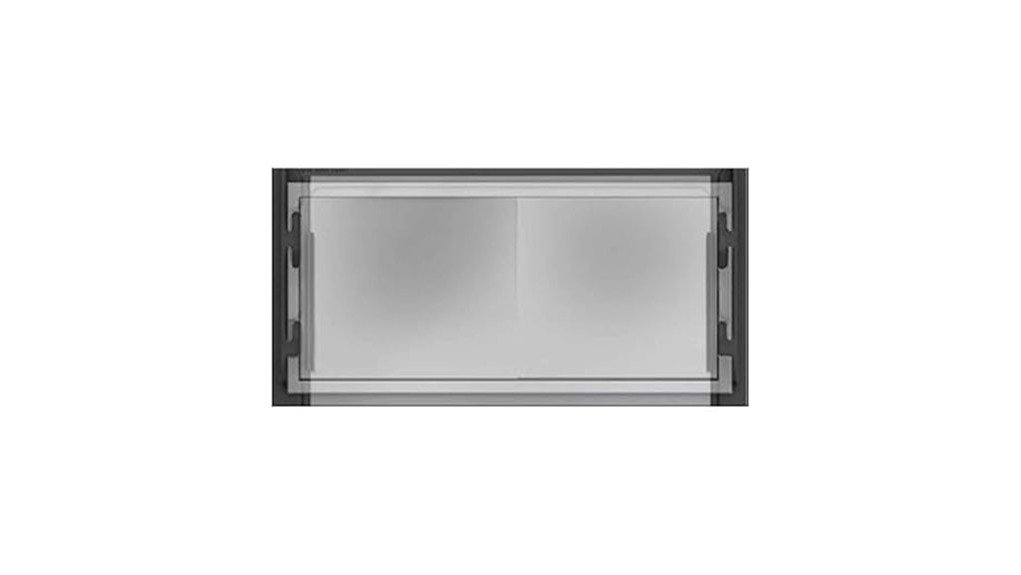
The Lincoln Electric Cheater Lens is a magnifying insert that sits inside the viewing area of a compatible welding helmet. Instead of replacing your helmet’s protective shade or cover lens, it adds mild 1.50 diopter magnification behind the main viewing setup.
This type of lens is made for welders who can see the arc safely but struggle to focus on fine details. It helps most in close work, such as TIG welding, thin material welding, small repairs, and fabrication where bead placement matters.
Because the lens weighs 1 ounce and measures 2 in x 4.25 in, it should not make your helmet feel noticeably heavier. The key is fit: your helmet needs an internal slot or a secure way to hold the insert in the right viewing position.
Who Should Buy It?
Best For
- TIG welders who need a clearer view of small puddles and joint edges
- Fabricators working on thin materials, small parts, or close-fit joints
- Welders who want mild magnification without adding heavy optical accessories
Skip If
- You need stronger vision correction than a 1.50 diopter insert can provide
- Your helmet does not have a compatible internal lens slot or holder
- You expect it to replace your helmet’s protective welding lens or shade
Key Features and Benefits
1.50 Diopter Magnification for Close Work
The main reason to buy this lens is the 1.50 diopter magnification. It gives you a mild close-up effect that can make weld puddles, tack points, and seam edges easier to see inside your helmet.
This strength makes sense for welders who only need a small boost in close-detail visibility. If you already need strong reading glasses or prescription correction, 1.50 diopter may feel too limited.
2 in x 4.25 in Insert Size
The lens measures 2 in x 4.25 in, which is a common insert-style size for many welding helmets. That size matters because even a good lens will disappoint if it shifts, sits off-center, or does not match the helmet holder.
Before buying, compare the lens size with your helmet’s internal insert slot. A close match helps the lens stay centered, which reduces the chance of blurred edges or uneven focus.
Lightweight 1 oz Design
At 1 ounce, this lens adds very little weight to your helmet. That is useful during long sessions because extra front weight can make some helmets feel more tiring over time.
The lightweight design also makes the lens easy to keep in a toolbox, helmet bag, or spare parts drawer. Still, you should store it in a clean spot so dust, grit, or loose metal debris does not scratch the surface.
Polycarbonate Build
The article-supported material is polycarbonate, which is a practical choice for a workshop lens insert. It gives the lens a sturdier feel than very thin, flimsy inserts, while keeping the overall weight low.
Polycarbonate can still scratch if you wipe it with dirty gloves or a gritty rag. Clean it gently and avoid dragging dust across the surface, especially if you rely on it for fine TIG work.
Helmet Compatibility
The lens is described as compatible with Lincoln VIKING helmets and many standard welding helmets. That does not mean it will fit every helmet, especially if your helmet uses a different lens slot size or has no internal holder.
Fit is the most important buying check. A lens that is too loose can move during work, while a lens that sits off-center can make your viewing area feel distorted.
Before You Buy: This lens is an add-on magnifier, not a protective welding filter and not a full prescription solution. Check your helmet’s internal slot size and keep using the correct welding shade, cover lens, and safety setup.
Compatibility and Safety
A cheater lens should sit inside a proper welding helmet that already protects your eyes and face. It should not replace the helmet’s filter lens, auto-darkening cartridge, clear cover lens, or any required protective layer.
You should also confirm that the lens does not block your view of the workpiece, arc sensors, or helmet controls. If the insert changes how your helmet closes, shifts during movement, or interferes with visibility, remove it and adjust the setup before welding.
If you use prescription glasses, treat this lens as a convenience accessory rather than medical correction. For ongoing vision issues, ask an eye-care professional about the right corrective option for work inside a welding helmet.
How It Performs in Real Use
Precision TIG Welding
TIG work often requires close control over the puddle, filler rod, and torch angle. The 1.50 diopter magnification can help you see small puddle changes more clearly when working on stainless steel, thin sheet metal, or tight joints.
MIG Detail Work
For precision MIG work, the lens can help you track the seam and keep the bead where you want it. It is most useful when you are working close to the joint and need a clearer view of the edge line.
General Fabrication
In repetitive fabrication tasks, clearer seam alignment can reduce visual strain. This lens is helpful when you are tacking, checking fit-up, or making short welds where small placement errors are easy to miss.
Repair and Maintenance Jobs
Repair work often puts you in awkward positions with limited light and tight viewing angles. The lens can help you position the torch more confidently, but only if it remains centered in your helmet during movement.
Placement and Usage Tips
Install the lens so it sits flat and centered in your helmet’s internal slot. Even small misalignment can make one side of your view sharper than the other, which becomes distracting once the arc starts.
Test the fit before welding by looking at a marked line, seam, or small object under normal shop lighting. Move your helmet as you would during a real weld and make sure the lens does not slide or tilt.
Keep the lens clean, but avoid wiping it with gloves that may have grit, slag dust, or metal particles on them. Use a soft, clean cloth and store the lens away from sharp tools when it is not installed.
Pro Tip: Test the lens in your helmet before your first live weld by reading a stamped part number, a tape-measure mark, or a scribed line. If the center looks sharp but the edges blur, adjust the lens position before striking an arc.
Common Mistakes to Avoid
Do not assume the lens will fit just because your helmet is a standard welding helmet. Measure the internal insert slot and compare it with the 2 in x 4.25 in lens size before you buy.
Do not use the lens as your only eye protection. It is a magnifier, so your helmet still needs the correct shade, cover lens, and protective setup for the welding process you are using.
Do not keep welding if the lens makes your view feel warped, doubled, or uncomfortable. Remove it, clean it, re-center it, or consider a different vision solution if the 1.50 diopter strength does not match your needs.
Pros and Cons
Pros
- 1.50 diopter magnification helps with close-detail welding tasks
- 2 in x 4.25 in size fits many helmets with compatible insert slots
- 1 oz weight adds very little extra helmet load
- Polycarbonate construction gives it a practical workshop-ready feel
- Useful for TIG, MIG detail work, fabrication, and repair jobs
Cons
- Fixed 1.50 diopter strength may not suit every vision need
- Requires a compatible helmet slot and careful alignment
- Not a replacement for prescription eyewear or protective welding lenses
Want a closer look?
Check the current Amazon listing details before you decide.
Is It Worth the Price?
This lens is a small welding accessory, so its value depends on how often you need close-up visibility inside your helmet. It offers strong value for the price if mild magnification helps you place cleaner beads and reduce the need to strain your eyes.
It is a smart buy for everyday use if you do TIG welding, precision MIG work, thin-material fabrication, or small repairs. The lightweight design and simple insert format make it easier to try than a larger helmet upgrade.
It is not the best fit if you need stronger correction, a custom optical setup, or a lens for a helmet without an internal insert holder. In those cases, a higher diopter option or prescription-ready solution may make more sense.
How It Compares to Alternatives
Compared with generic cheater lenses, the Lincoln Electric Cheater Lens makes the most sense if you want a branded insert with article-supported 1.50 diopter magnification, 2 in x 4.25 in sizing, and polycarbonate construction. Generic alternatives may be worth comparing if you need a different diopter strength or a different size.
Compared with prescription welding inserts, this lens is simpler and easier to try, but it is less personalized. Prescription solutions are better for welders who need exact correction, while this lens is better for mild close-up support inside a compatible helmet.
Frequently Asked Questions
Can I use this lens with any welding helmet?
It works with Lincoln VIKING helmets and many welding helmets that have compatible internal insert slots. Fit can vary, so check the helmet’s slot size against the 2 in x 4.25 in lens size before buying.
Is 1.50 diopter enough for TIG welding?
It can be enough if you only need mild close-up help while watching the puddle and joint edge. If you need strong reading correction, 1.50 diopter may not provide enough magnification.
Does this replace my welding helmet lens?
No. This is a magnifying insert, not a protective filter, auto-darkening cartridge, or clear cover lens. You still need the correct welding shade and helmet protection for your welding process.
Can it replace prescription glasses?
No. The lens only gives fixed 1.50 diopter magnification and cannot correct every vision issue. If you need prescription correction, ask an eye-care professional about a safe work setup.
How do I install it correctly?
Place it in the helmet’s internal lens slot or holder, then center it in your viewing area. Test it under normal shop lighting before welding so you can catch blur, tilt, or shifting early.
Does the polycarbonate lens scratch easily?
Any lens can scratch if you wipe it with dirty gloves, grit, or a rough shop rag. Clean it with a soft, clean cloth and store it away from loose tools when it is not in the helmet.
Who should skip this cheater lens?
Skip it if your helmet has no insert slot, if the 2 in x 4.25 in size does not match your helmet, or if you need stronger correction. It is also not the right product if you are looking for a protective replacement lens.
What is the most common mistake with a cheater lens?
The most common mistake is installing it slightly off-center and then blaming the lens for blurry vision. Center the insert, check that it sits flat, and test your view before starting a weld.
The Bottom Line
The Lincoln Electric Cheater Lens is a practical pick if you need mild 1.50 diopter magnification for TIG, MIG detail work, fabrication, or small repairs. Its strengths are simple close-up support, low 1 oz weight, and a polycarbonate build, while its main limitations are fixed magnification and helmet-fit dependence.
Buy it if your helmet supports a 2 in x 4.25 in insert and you only need a modest clarity boost. Skip it if you need stronger prescription correction or a replacement for your helmet’s protective welding lens.