Disclosure: As an Amazon Associate, we earn from qualifying purchases. If you click a link on this page and make a purchase, we may receive a small commission at no extra cost to you.
Acetylene work depends on steady pressure, correct fittings, and careful setup. The AR-B CGA520 B Tank Regulator is made for welders who use B-size acetylene tanks and need a dedicated regulator for controlled fuel-gas delivery. This review looks at its CGA520 compatibility, safety-focused design, real workshop use, and the limits you should check before buying. Its main strength is focused acetylene control, but it is not a universal regulator for every gas cylinder.
Quick Verdict
Rating: 8/10, recommended with compatibility caveats
Best For: Welders and metalworkers using CGA520 B-size acetylene tanks
Bottom Line: This regulator makes sense if your acetylene setup needs a CGA520 B-tank connection and stable flow control. Skip it if you need a multi-gas regulator, a different acetylene cylinder connection, or a replacement for full oxy-fuel safety equipment.
Key Specifications
| Specification | Detail |
|---|---|
| Brand | AR-B |
| Model | CGA520 B Tank Regulator |
| Product Type | Acetylene tank pressure regulator |
| Connection Type | CGA520 B-type connection |
| Compatibility | B-size acetylene tanks with matching CGA520 fittings |
| Safety Features | Overpressure relief valve and leak test ports, as stated in the source article |
| Best Use | Acetylene welding, cutting, fabrication, and repair work |
| Safety Note | Verify cylinder connection, working pressure, hose condition, and torch compatibility before use |
| Not For | Oxygen, inert gas, propane, multi-gas systems, or acetylene cylinders with different fittings |
What Is the AR-B CGA520 B Tank Regulator?
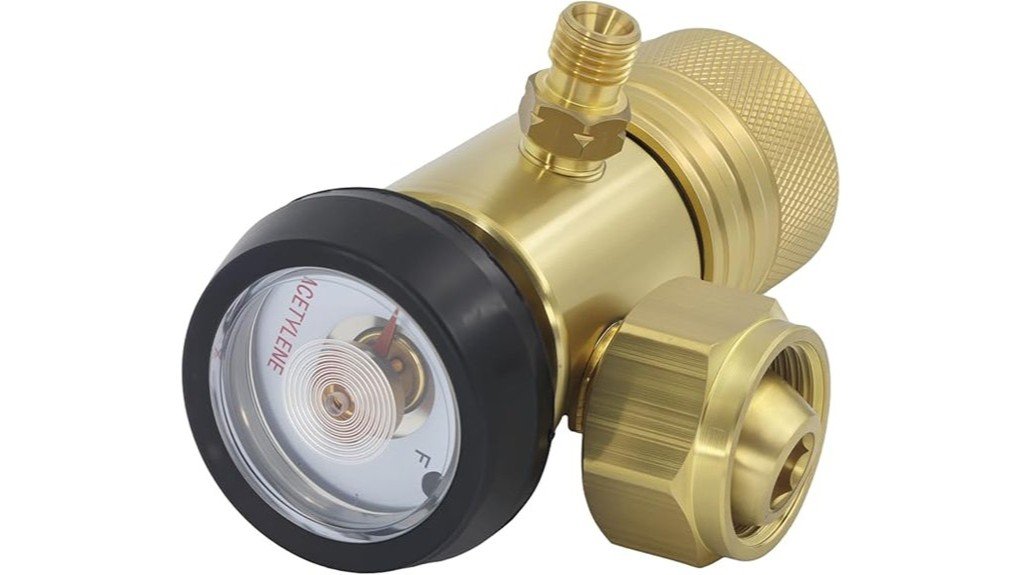
The AR-B CGA520 B Tank Regulator is a pressure-control device for acetylene fuel-gas systems. It connects to a compatible B-size acetylene cylinder and helps reduce cylinder pressure into a controlled outlet flow for welding or cutting equipment.
Its purpose is simple but important: you need a steady acetylene supply to keep the flame predictable. A poor regulator can make heat control harder, especially when you are brazing, cutting, or working near thin metal that can overheat quickly.
This model is best viewed as a focused acetylene regulator, not a general shop regulator. The CGA520 connection is the buying detail that matters most, because a strong build and smooth adjustment will not help if the fitting does not match your tank.
Fit and Compatibility
Compatibility is the first thing to check before you compare features. This regulator is described for CGA520 B-type acetylene tanks, so you should match the tank valve connection before ordering.
Do not assume it fits every acetylene cylinder. Larger industrial acetylene tanks, smaller MC-style tanks, oxygen cylinders, and inert-gas cylinders may use different fittings. Forcing a regulator onto the wrong valve is unsafe and can damage the connection.
Before You Buy: Confirm that your acetylene cylinder uses a CGA520 B-type connection. This regulator is not a universal fuel-gas regulator, and it should not be adapted to gases or cylinders it was not designed to handle.
Design and Build Quality
The regulator uses a B-type connection designed to create a secure seal on matching acetylene tanks. That matters because acetylene is flammable, and a small leak can create a serious hazard in a closed workspace.
The article-supported build description points to a robust body and an easy-adjustment design. Those details help in workshop use because you can set the gas flow more predictably without fighting loose controls or unstable delivery.
The best use case is a fixed setup where you use the same B-size acetylene tank regularly. If you often switch cylinders, gases, or torches, you will need to spend more time checking fit and may be better served by a different regulator system.
Pressure Control and Flame Stability
This regulator is built around stable acetylene flow. In welding and cutting, pressure swings can make the flame change shape, lose heat consistency, or become harder to tune.
Steady output helps you keep the flame behavior more predictable during bead work, heating, and light cutting. That can reduce trial and error when you need repeatable heat on metal joints, brackets, thin panels, or small repair areas.
Still, the regulator cannot fix every flame problem by itself. Worn hoses, dirty torch tips, incorrect tip size, low cylinder pressure, and poor setup can all affect flame quality.
Compatibility and Safety
Acetylene regulators are safety-critical parts, so you should treat installation and use with care. This model includes an overpressure relief valve and leak test ports according to the source article, which are useful features for checking and controlling the system.
Before each use, inspect the tank valve, regulator threads, hose connections, and torch connection. Do not use oil or grease on oxygen-fuel gas equipment, and do not use damaged fittings or cracked hoses.
For acetylene work, follow the product label, your torch manufacturer’s instructions, and local safety rules. OSHA’s oxygen-fuel gas welding standard also warns against using acetylene above 15 psig, so pressure control should stay within accepted safety limits.
Pro Tip: After connecting the regulator, open the cylinder valve slowly, stand to the side of the outlet, and use a proper leak-check method before lighting the torch.
Setup Tips Before First Use
Start by confirming the cylinder is upright, secured, and away from sparks, flame, and heat sources. A regulator should never hang from a loose or damaged tank valve.
Next, check that the CGA520 fitting threads in smoothly by hand before tightening. If the connection feels cross-threaded, stop and inspect the tank valve and regulator instead of forcing the fit.
After installation, pressurize the system slowly and check for leaks at each connection point. If you find a leak, close the cylinder valve, release pressure safely, and fix the connection before using the torch.
How It Performs in Real Use
For Small Workshop Welding
In a small shop, this regulator is useful when you keep one B-size acetylene tank ready for routine welding or brazing tasks. Its focused compatibility keeps the setup simple as long as your cylinder and torch system match.
For Metal Fabrication
For fabrication work, steady acetylene delivery helps you maintain a more consistent flame across repeated joints. That is useful when you need similar heat behavior from one section of a project to the next.
For Repair Work
During repair jobs, controlled gas flow helps you place heat where you need it without constantly retuning the torch. This can help when working around brackets, small parts, or areas where too much heat can distort the metal.
For Portable or Backup Use
B-size acetylene tanks are often used where a large cylinder is not practical. This regulator can fit that kind of setup, but you still need proper storage, secure transport, compatible hoses, and careful leak checks.
Who Should Buy It?
Best For
- Welders using B-size acetylene tanks with CGA520 fittings
- Fabrication or repair users who want stable fuel-gas control
- Small shops that use a dedicated acetylene setup instead of several gas types
Skip If
- Your acetylene cylinder does not use a CGA520 B-type connection
- You need one regulator for oxygen, propane, inert gas, or multiple fuel gases
- You want a complete oxy-fuel kit with hoses, torch, tips, and flashback protection included
Pros and Cons
Pros
- Dedicated CGA520 B-tank fit supports a simple acetylene setup
- Stable gas flow helps improve flame control during welding and cutting
- Overpressure relief valve adds a useful safety-focused design feature
- Leak test ports help you check the connection before operation
- Clear use case makes it easier to buy for the right cylinder type
Cons
- Limited to compatible CGA520 B-size acetylene systems
- Not suitable for multi-gas setups or cylinders with different fittings
- Requires correct installation, leak checks, and safe acetylene handling
Is It Worth the Price?
This regulator is best judged as a practical, mid-range welding accessory rather than a full oxy-acetylene system. You get the most value from it if you already own the right B-size acetylene tank, compatible hoses, and torch equipment.
It is worth considering if your main need is stable acetylene control on a CGA520 setup. It is not the best fit if you need broad gas compatibility, included torch accessories, or a regulator for a larger industrial cylinder.
How It Compares to Alternatives
Compared with general-purpose welding regulators, the AR-B CGA520 model is more focused. That focused design can make sense for a dedicated B-size acetylene tank, but it gives you less flexibility than a setup built for another cylinder connection.
If you need oxygen control, you need a separate oxygen regulator. If your acetylene cylinder uses a different fitting, compare regulators made for that valve type instead of trying to adapt this one.
Frequently Asked Questions
Does this regulator fit every acetylene tank?
No. It is described for CGA520 B-type acetylene tanks. Check your cylinder valve connection before buying because other acetylene tanks may use different fittings.
Can I use it with oxygen or propane?
No. This article identifies it as an acetylene B-tank regulator. Do not use it with oxygen, propane, inert gas, or any gas system unless the manufacturer confirms full compatibility.
What should I check before installing it?
Check the cylinder connection, regulator threads, hose condition, torch compatibility, and working-pressure range. If anything looks damaged or does not fit smoothly, do not force the connection.
Does it help with consistent flame control?
Yes, a stable acetylene regulator can support more consistent flame behavior. You still need clean torch tips, sound hoses, correct pressure settings, and safe cylinder handling for the best result.
Is this a complete oxy-acetylene kit?
No. This review covers the acetylene regulator only. You may still need a compatible oxygen regulator, hoses, torch, tips, flashback protection, and other safety equipment depending on your setup.
How do I maintain this regulator?
Keep the ports clean, store it away from moisture and dirt, and inspect it before use. Do not use oil, grease, or damaged fittings on fuel-gas equipment.
Who should skip this regulator?
Skip it if your tank uses a different valve connection or if you need one regulator for several gases. It is also not ideal if you need a complete torch kit rather than a single acetylene regulator.
The Bottom Line
The AR-B CGA520 B Tank Regulator is a strong match for welders who use compatible B-size acetylene tanks and want focused pressure control. Its main strengths are steady acetylene delivery and useful safety-focused features, while its main limitation is narrow CGA520 compatibility.
Buy it only after confirming your cylinder connection and full oxy-fuel setup. Skip it if you need multi-gas flexibility, a different acetylene fitting, or a complete welding and cutting kit.