Cutting metal has always been one of those steps that can make or break a weld job. Back when I was working on a stainless project, I learned fast that no matter how good your arc control is or which filler rods you’re running — MIG, TIG, or stick — if your cut isn’t clean, you’re already setting yourself up for trouble. Uneven edges, extra gaps, and poor joint prep mean weaker welds, wasted time, and higher costs. That’s why choosing the right metal cutting method matters just as much as choosing the right amperage or rod.
From plasma cutting to oxy-fuel, cutoff wheels to bandsaws, each tool has its strengths depending on the metal thickness, joint design, and overall project. In this guide, I’ll break down the cutting methods I’ve worked with, what they’re best for, and the practical shop-tested tips that’ll help you get cleaner cuts and stronger welds every time.
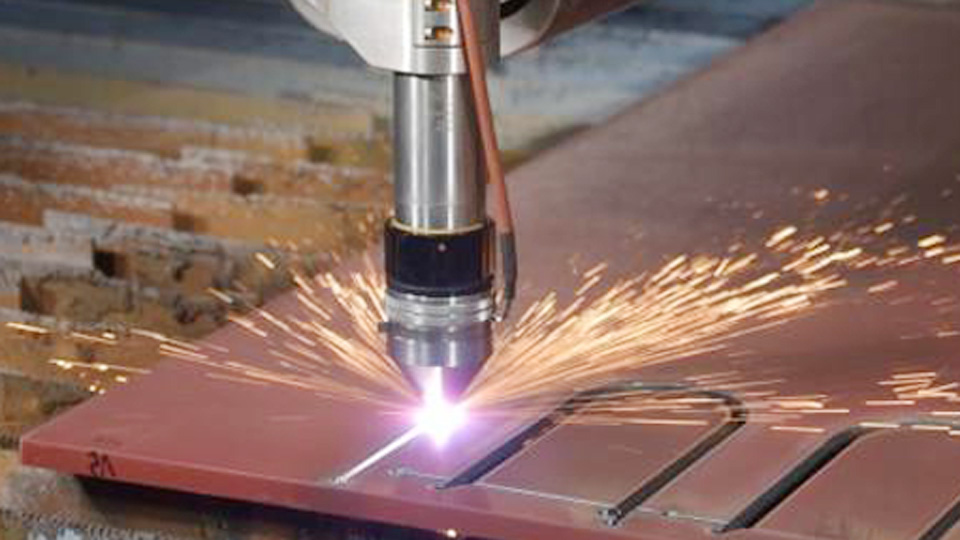
Image by thefabricator
Why Metal Cutting Matters in Welding
A good weld starts with a good cut. If your edges are jagged, uneven, or full of slag, your weld won’t hold up, and you’ll waste time fixing mistakes. I’ve seen a rookie rush a cut with a dull blade, only to spend hours grinding to make the joint fit. Proper metal cutting methods ensure precise fit-up, reduce distortion, and save material, which is critical whether you’re on a tight budget or a high-stakes job meeting ASME or AWS standards.
Plus, clean cuts minimize safety risks like sparks, fumes, or kickback. Let’s explore the most common cutting methods welders use in the USA and how to pick the right one for your project.
Oxy-Fuel Cutting
Oxy-fuel cutting, often called “torch cutting,” is a go-to for slicing through thick steel. It uses a mix of oxygen and a fuel gas (like acetylene or propane) to heat metal to its ignition point, then blasts a stream of oxygen to burn and blow away the molten material.
How Oxy-Fuel Cutting Works
Picture this: you’re in the shop with a 1-inch steel plate for a structural beam. You light the oxy-fuel torch, adjust the flame to a neutral setting (not too oxidizing or carburizing), and heat the steel until it glows cherry-red. Then, you hit the oxygen lever, and it cuts through the metal like a hot knife through butter, leaving a clean edge. I’ve used this method on heavy equipment repairs—it’s simple and effective for thick materials.
When to Use Oxy-Fuel
Oxy-fuel is best for carbon steel and low-alloy steels, especially plates thicker than 1/2 inch. It’s a staple in construction, shipbuilding, and heavy fabrication. Don’t use it for stainless steel or aluminum—their oxides don’t burn as easily, and you’ll just make a mess. It’s also great for fieldwork since the gear is portable and doesn’t need electricity.
Practical Tips for Oxy-Fuel
Setup: Use a 1:1 oxygen-to-fuel ratio for a neutral flame. I once set a flame too rich (too much fuel), and it left a sooty mess that took ages to clean.
Safety: Wear flame-resistant gloves, tinted goggles (shade 5 or 6), and a welding jacket. Keep a fire extinguisher nearby—sparks fly far. I learned this the hard way when a spark hit a rag pile.
Equipment: Check your torch tips for clogs and ensure regulators are set right (10-20 psi for acetylene, 40-60 psi for oxygen). A dirty tip can cause uneven cuts.
Common Mistake: Moving the torch too fast. This leaves slag and an uneven edge. Slow down for a smooth cut—think steady, like welding a bead.
Pros and Cons of Oxy-Fuel
| Pros | Cons |
|---|---|
| Cuts thick steel easily | Limited to carbon steel |
| Portable, no power needed | Produces slag and heat distortion |
| Affordable setup | Slower than plasma for thin metals |
| Reliable for fieldwork | Fire and fume hazards |
Plasma Cutting
Plasma cutting uses an electric arc and compressed gas (like air or nitrogen) to create a high-temperature plasma jet that slices through metal. It’s fast, versatile, and a favorite for welders working with a range of materials.
How Plasma Cutting Works
Imagine you’re cutting a 1/4-inch stainless steel sheet for a custom exhaust. You hook up a plasma cutter, like a Hypertherm Powermax45, to compressed air. The machine sends an arc through a nozzle, ionizing the gas into plasma hot enough to melt metal (up to 30,000°F). The gas blows away the molten metal, leaving a clean cut. I’ve used plasma to zip through sheet metal in minutes—way faster than a grinder.
When to Use Plasma
Plasma cutting shines for thin to medium-thickness metals (up to 1 inch), including steel, stainless, aluminum, and copper. It’s perfect for shop work, automotive projects, or artistic fabrication. DIYers love plasma cutters for their ease of use, and pros rely on them for precision and speed on jobs like HVAC ductwork or structural steel.
Practical Tips for Plasma
Settings: For a 1/4-inch steel plate, set your cutter to 40-50 amps and move at a steady pace (20-30 inches per minute). Too slow, and you get excessive dross; too fast, and you don’t cut through.
Safety: Wear a welding helmet (shade 8-10), gloves, and a respirator for fumes, especially with galvanized steel. I once skipped a respirator and coughed for hours—don’t do that.
Prep: Clean the metal of rust or paint to avoid arc instability. A quick grind with a flap disc does the trick.
Common Mistake: Using a worn nozzle or electrode. Replace consumables regularly—I learned this after ruining a cut and wasting material.
Pros and Cons of Plasma
| Pros | Cons |
|---|---|
| Cuts most metals | Requires power source |
| Fast and precise | Consumables wear out |
| Minimal distortion | Fumes and noise |
| Easy for beginners | Limited to ~1-inch thickness |
Abrasive Cutting (Grinding and Cutting Wheels)
Abrasive cutting uses high-speed rotating wheels or discs, typically on angle grinders, to grind or slice through metal. It’s the go-to for DIYers and small shops due to its affordability and versatility.
How Abrasive Cutting Works
You’re building a trailer frame and need to cut some 1/8-inch angle iron. You grab a 4.5-inch angle grinder with a 0.045-inch cutting wheel, clamp the metal, and slice through it in seconds. The wheel’s abrasive grains (like aluminum oxide) grind away material, creating a narrow kerf. I’ve used this method for quick cuts on small projects—it’s cheap and gets the job done.
When to Use Abrasive Cutting
Abrasive cutting is ideal for thin metals (up to 1/4 inch), like sheet steel, tubing, or rebar. It’s great for DIY projects, repairs, or when you don’t have access to plasma or oxy-fuel. Use it for steel, stainless, or aluminum, but avoid thick plates—it’s too slow and wears out wheels fast.
Practical Tips for Abrasive Cutting
Equipment: Use a high-RPM grinder (10,000-12,000 RPM) with a thin cutting wheel (0.045-0.065 inches). Brands like DeWalt or Milwaukee are solid. I’ve burned through cheap wheels too fast—invest in quality.
Safety: Wear a full-face shield, gloves, and ear protection. Kickback is real—I’ve had a wheel bind and nearly jump out of my hands. Clamp your workpiece tightly.
Technique: Let the wheel do the work; don’t force it. A light, steady pressure gives cleaner cuts and extends wheel life.
Common Mistake: Using a worn or wrong wheel. Grinding wheels aren’t for cutting—they’re thicker and cause more heat. Check the label.
Pros and Cons of Abrasive Cutting
| Pros | Cons |
|---|---|
| Affordable and accessible | Slow for thick metals |
| Works on most metals | High heat and sparks |
| Portable and simple | Wheels wear quickly |
| Great for small jobs | Less precise than plasma |
Laser Cutting
Laser cutting uses a focused laser beam to melt or vaporize metal, often with a gas assist (like oxygen or nitrogen) to blow away material. It’s high-tech and precise, but not always practical for every welder.
How Laser Cutting Works
Imagine you’re fabricating a custom sign from 1/16-inch stainless steel. A laser cutter, like a fiber laser, focuses a beam to a tiny point, heating the metal until it melts or vaporizes. The assist gas clears the cut path, leaving an edge so clean it barely needs grinding. I’ve seen laser-cut parts in shops that fit together like puzzle pieces—perfect for precision welding.
When to Use Laser
Laser cutting is ideal for thin metals (up to 1/2 inch for steel) where precision is critical, like in aerospace, automotive, or decorative work. It’s less common for DIYers due to cost but shines in professional shops with high-volume production or intricate designs.
Practical Tips for Laser
Settings: For 1/8-inch steel, use a 2-4 kW laser with oxygen assist at 100-150 inches per minute. Pros, check your machine’s manual for material-specific settings.
Safety: Lasers require enclosed systems and protective eyewear specific to the wavelength. Never bypass interlocks—I’ve heard horror stories of burns.
Prep: Clean surfaces to avoid lens damage. Dust or oil can cause beam scatter, ruining the cut.
Common Mistake: Overlooking material thickness. Lasers struggle with thick plates, leading to incomplete cuts. Stick to thinner stock.
Pros and Cons of Laser
| Pros | Cons |
|---|---|
| Extremely precise | Very expensive equipment |
| Clean edges, less cleanup | Limited to thin metals |
| Fast for production | Requires specialized training |
| Minimal distortion | Not portable |
Mechanical Cutting (Shearing and Sawing)
Mechanical cutting includes methods like shearing (for sheet metal) and sawing (like band saws or chop saws) that physically remove material without heat. These are straightforward and common in shops.
How Mechanical Cutting Works
You’re cutting a stack of 1/8-inch steel sheets for a fabrication job. A hydraulic shear slices through them like scissors through paper, using a blade to shear the metal. Or, you’re using a horizontal band saw to cut a 2-inch steel pipe, where a toothed blade grinds through the material. I’ve used band saws for clean, square cuts on structural steel—slow but reliable.
When to Use Mechanical Cutting
Shearing is great for thin sheet metal (up to 1/4 inch) in straight lines, like for HVAC or panel work. Sawing works for thicker bars, pipes, or angles, especially when heat distortion is a concern. Both are common in shops and for DIYers with basic tools.
Practical Tips for Mechanical Cutting
Equipment: For shearing, use a bench shear or hydraulic shear for clean edges. For sawing, a 14-inch chop saw or horizontal band saw with a bi-metal blade works well. I’ve had great results with Lenox blades.
Safety: Secure the workpiece and keep hands clear. Shears can crush fingers, and saws kick up sparks. Wear gloves and safety glasses.
Technique: For sawing, use coolant or cutting oil on non-aluminum metals to extend blade life. Move slowly to avoid blade binding.
Common Mistake: Using a dull blade. A dull band saw blade wanders, ruining your cut. Replace blades when they lose bite.
Pros and Cons of Mechanical Cutting
| Pros | Cons |
|---|---|
| No heat-affected zone | Slower than plasma or laser |
| Affordable tools | Limited to straight cuts (shearing) |
| Clean for thin sheets | Blade maintenance required |
| Safe, no fumes | Less versatile for complex shapes |
Choosing the Right Metal Cutting Method
Picking the right cutting method depends on your material, thickness, project needs, and budget. Here’s how I approach it based on real-world jobs.
Scenario 1: Heavy Steel Fabrication
You’re building a structural frame with 3/4-inch steel plates. Oxy-fuel is your best bet—its ability to cut thick steel is unmatched, and it’s cost-effective for large jobs. Set up a track torch for straight cuts and prep edges with a grinder for welding.
Scenario 2: Automotive Repair
You’re patching a car frame with 1/8-inch steel. Plasma cutting is perfect—fast, precise, and works on thin stock. Use a 40-amp plasma cutter with a drag tip for clean cuts, then grind lightly for weld prep.
Scenario 3: DIY Home Project
You’re a hobbyist building a steel workbench with angle iron. An angle grinder with a cutting wheel is cheap and effective. Clamp the metal securely and use a 0.045-inch wheel for quick, clean cuts.
Factors to Consider
Material: Oxy-fuel for carbon steel, plasma for stainless or aluminum, abrasive for general use, laser for precision, mechanical for no-heat jobs.
Thickness: Oxy-fuel for thick (>1/2 inch), plasma or abrasive for thin (<1/4 inch), laser for ultra-thin, mechanical for medium.
Precision: Laser or plasma for tight tolerances, oxy-fuel or abrasive for rough cuts, shearing for straight lines.
Budget: Abrasive and mechanical are cheapest, oxy-fuel is mid-range, plasma is moderate, laser is high-end.
Portability: Oxy-fuel and abrasive are field-friendly, plasma needs power, laser and shearing need a shop.
Code Requirements: AWS D1.1 or ASME may require clean edges for welding—plasma or laser often meet these standards.
Weld Prep After Cutting
No matter the cutting method, your weld quality depends on edge prep. Here’s what I do:
Clean Edges: Remove slag (oxy-fuel, plasma) with a grinder or wire brush. Jagged edges from abrasive cutting need smoothing with a flap disc.
Beveling: For thick plates, bevel edges at 30-45° for better weld penetration. I use a plasma cutter or grinder for bevels on butt joints.
Filler Match: Pair your filler to the base metal—ER70S-6 for mild steel MIG, 308L for stainless. Mismatched fillers can crack under stress.
Fit-Up: Ensure tight fit-up after cutting. Gaps wider than 1/16 inch need more filler and risk distortion. I’ve had to tack and adjust to get it right.
Safety First: Cutting Done Right
Cutting metal is inherently risky—sparks, fumes, and sharp edges don’t mess around. Always wear PPE: welding helmet or face shield, gloves, flame-resistant clothing, and a respirator for plasma or galvanized steel. Secure your workpiece to avoid kickback. Keep a fire extinguisher handy, especially with oxy-fuel or abrasive cutting. I once had a spark start a small fire in my shop—luckily, I caught it fast. Don’t skip safety.
Conclusion
You’re now ready to tackle metal cutting methods like a seasoned welder. Oxy-fuel cuts through thick steel like a champ, plasma offers speed and versatility, abrasive cutting is budget-friendly, laser delivers precision, and mechanical methods keep it clean and simple. By matching the method to your material, thickness, and project needs, you’ll get clean edges that make welding easier and stronger.
Whether you’re a DIYer, hobbyist, or pro, these techniques will save you time, material, and frustration. Always double-check your workpiece is clamped securely—nothing ruins a cut faster than a wobbly piece.
FAQ
What’s the best metal cutting method for beginners?
Abrasive cutting with an angle grinder is the easiest and most affordable for beginners. A 4.5-inch grinder with a 0.045-inch cutting wheel handles thin steel, stainless, or aluminum. Clamp the workpiece, wear PPE, and move slowly for clean cuts.
Can I use oxy-fuel cutting for aluminum or stainless steel?
No, oxy-fuel is best for carbon steel. Aluminum and stainless steel form oxides that don’t burn easily, making oxy-fuel ineffective. Use plasma or abrasive cutting for these metals.
How do I reduce slag when plasma cutting?
Use the right amperage (e.g., 40 amps for 1/4-inch steel), move at a steady pace (20-30 inches per minute), and replace worn consumables. Clean the metal surface first to avoid arc issues, and grind off any remaining slag.
Is laser cutting worth it for small welding shops?
Laser cutting is expensive and best for high-precision, high-volume work. For small shops, plasma or abrasive cutting is more cost-effective and versatile unless you need intricate designs or tight tolerances.
How do I prep cut edges for welding?
Grind or wire-brush edges to remove slag, rust, or dross. Bevel thick plates (30-45°) for better penetration. Ensure tight fit-up with gaps under 1/16 inch. Match filler to base metal for strong welds.