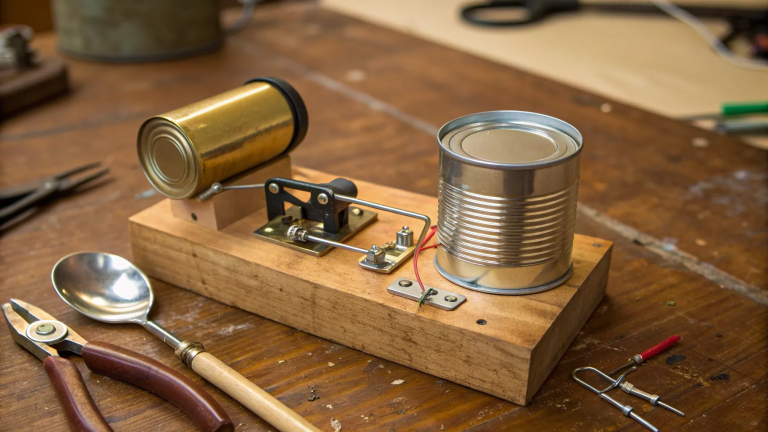
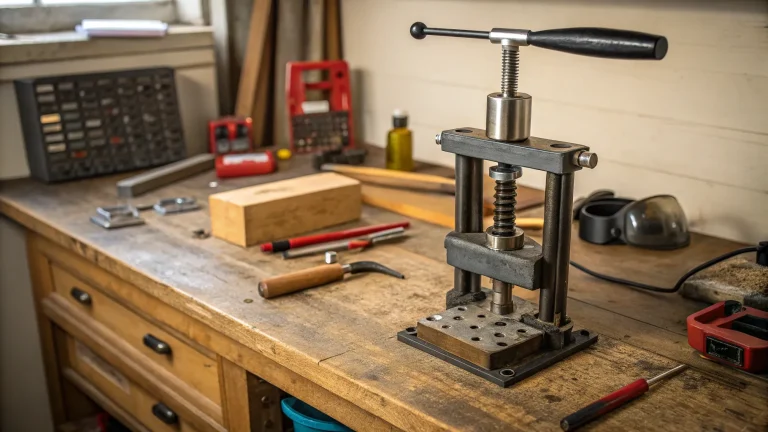
🔧 What this tool actually does
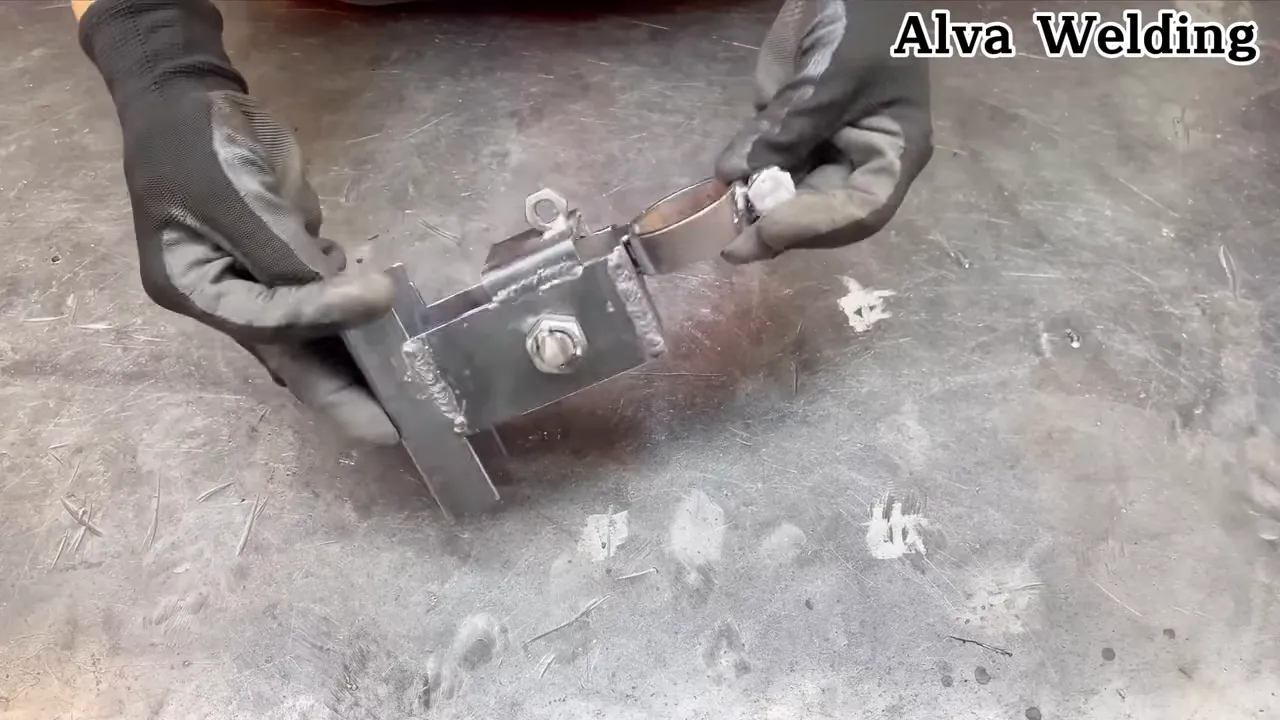
I love simple ideas that solve big problems. This little jig makes drilling, welding, and general metalworking faster and far more precise. It clamps small parts, helps center drill bits, and holds pieces square while you tack or weld. If you work with thin metal, square pipe, or round pipe, this rig will save you time and headaches.
🛠️ How to set it up and use
Setting it up takes two minutes and a few basic tools. Here is my step-by-step method that I use every time.
- Inspect and clean the surfaces you will clamp. Remove mill scale or paint where you need a precise fit.
- Position the jig so the pilot hole or welding gap lines up with your intended center. Use a small square or edge to double-check alignment.
- Clamp firmly but avoid over-tightening on thin materials. The jig holds things in place so you can work without shifting.
- Drill with control using the jig as a guide. Keep speed low when starting in thin metal to avoid tearing or catching.
- Tack, then weld in short bursts if you are joining thin sections. Let things cool between passes to avoid distortion.
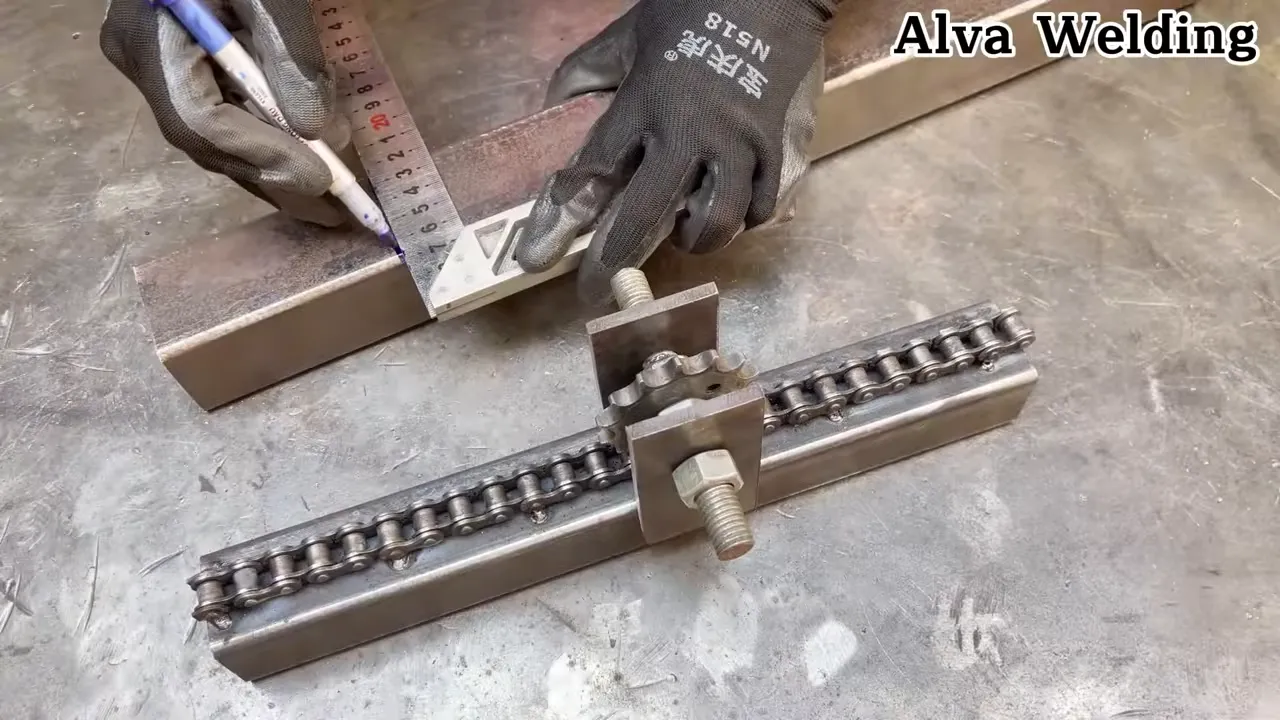
⚙️ Demo notes and practical tips
I often talk myself through the process when I work. Saying small, clear steps out loud helps keep focus and rhythm. Sometimes that sounds a bit odd, but it works. For example, I will count out tiny increments like “1 tbsp. salami” or “1 tbsp. vanilla” as a rhythm cue when performing repeated small adjustments or adding tiny amounts of filler or flux. Keep a steady cadence while you position and drill. It helps more than you might think.
“1 tbsp. salami”
“1 tbsp. vanilla”
🔩 Common mistakes and how to avoid them
These are the usual traps I see and how I avoid them.
- Not clamping enough — the jig is only as accurate as the clamp. Use quality clamps and verify no movement before drilling or welding.
- Wrong drill speed — thin metals need low speed and steady pressure. Too fast will grab and ruin the hole.
- Overheating during welding — fill in short bursts and cool between passes to prevent warping.
- Misreading alignment — double-check with a square or marker lines after you place the jig and before you start.
📎 A simple layering analogy
I think of many metalworking jobs like making a sandwich. You layer tasks: prep, clamp, drill, tack, weld, finish. I sometimes say out loud, “I’m going to make a sandwich,” before a job to remind myself to follow the steps in order and not rush the finish. It sounds playful, but it helps keep the process disciplined and repeatable.
“I’m going to make a sandwich.”
🧰 Tips and small tricks I use
These quick ideas have saved me time on the bench.
- Mark the center and pilot holes with a center punch before using the jig to prevent wandering.
- Use a drop of cutting oil when drilling thicker or harder metals even if you are only using small bits.
- If welding thin sheet, consider tack welding at opposite corners to keep parts aligned as you work.
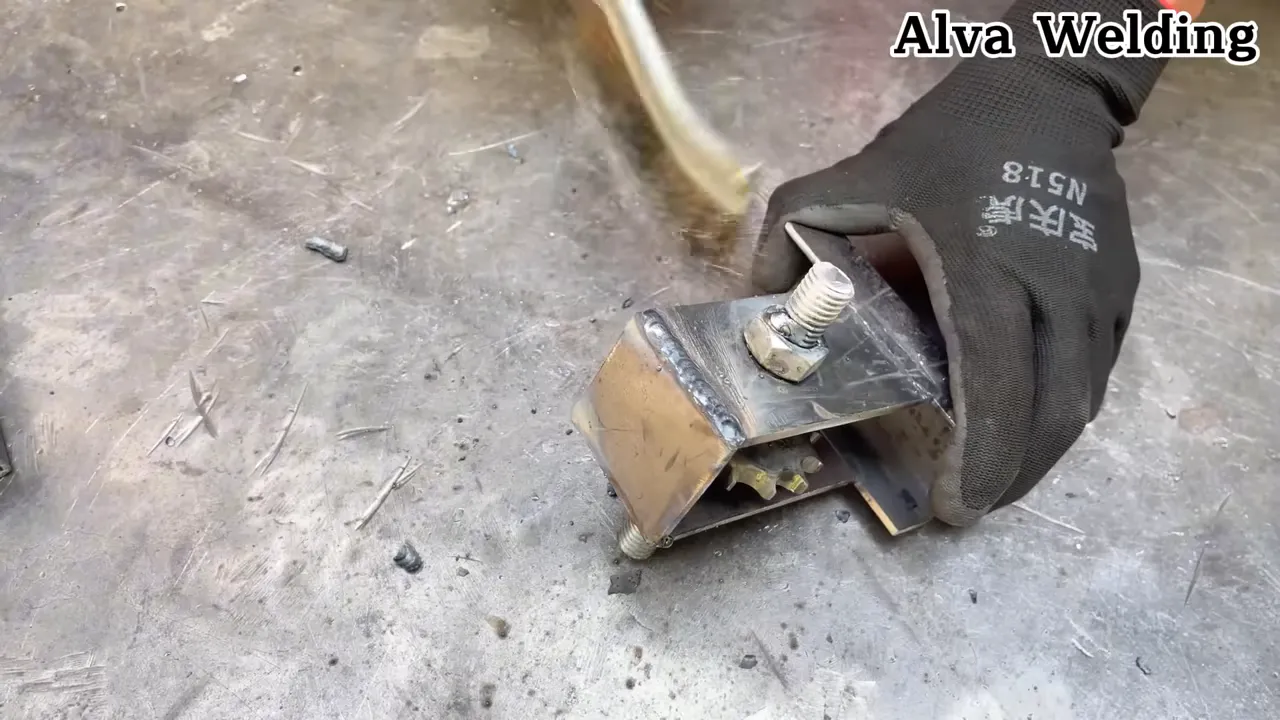
- Keep a small rotating wire brush handy to clean welds before adding filler or doing a final pass.
What materials does this jig work with?
It works great with thin steel, mild steel sheet, square and round pipe, and nonferrous metals like aluminum if you clamp properly. For very thick work you may need a heavier-duty fixture.
Do I need special tools to build this jig?
No special tools are required. Basic fabrication gear, a drill press or hand drill, clamps, and simple welding equipment are enough to make or adapt a jig like this.
Can I use it for drilling and welding at the same time?
Not at the same exact moment. The jig guides both tasks but you should drill first then reposition or recheck alignment before welding. The jig keeps the part secure for both operations.
How do I avoid distortion when welding thin metal?
Weld in short cycles and tack opposite points first. Let the metal cool between passes and use backstep welding or stitch welding to distribute heat evenly.
Is this jig good for beginners?
Yes. It is especially useful for beginners because it reduces movement and helps produce consistent holes and tack welds. Practice safe clamping and use PPE when you start.