As an Amazon Associate, Garage Welding may earn from qualifying purchases. This does not change the price you pay.
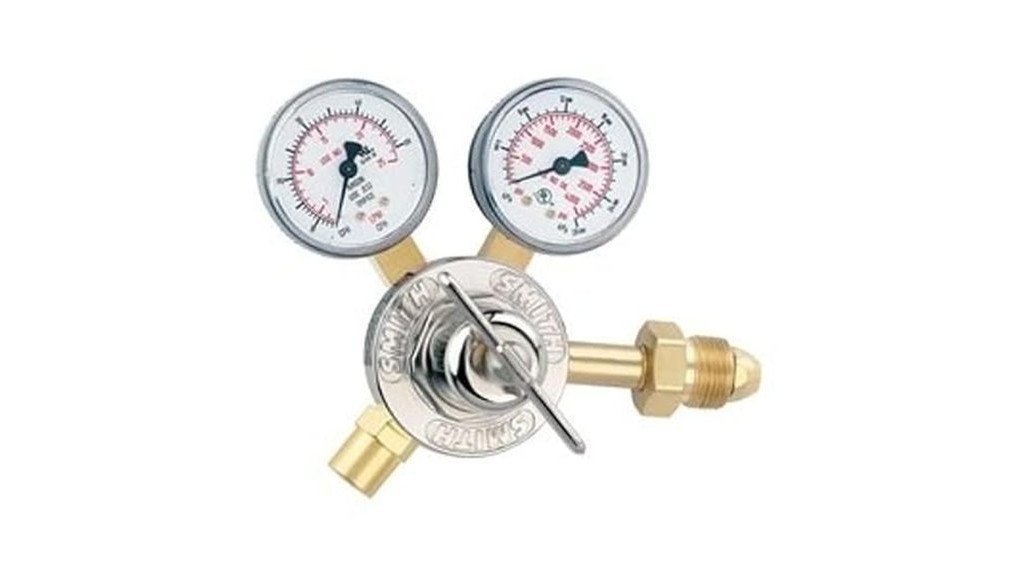
The Miller Electric 30 Series flow gauge regulator is a single-stage argon regulator with a flow gauge, a CGA 580 inlet and a 5/8-18 RH outlet, rated for medium-duty use at about 50 CFH. It is a good fit if you want a name-brand argon regulator for TIG, aluminum MIG or other shielding-gas work. Skip it if your cylinder is not CGA 580 or if you need an oxygen or fuel-gas regulator.
Miller 30 Series Flow Gauge Regulator at a Glance
| Item | Per the listing |
|---|---|
| Brand | Miller Electric |
| Gas | Argon |
| Type | Single-stage, cylinder mount, flow gauge |
| Flow rating | About 50 CFH |
| Inlet | CGA 580 |
| Outlet | 5/8-18 RH internal thread |
| Duty | Medium duty |
Check Current Price on Amazon →
What It Is and Who It Suits
A flow gauge regulator sets the amount of shielding gas going to your torch, while the cylinder gauge shows what is left. The 30 Series is a medium-duty model, which means it is intended for typical shop and fabrication use rather than heavy production lines.
It suits TIG welders, aluminum MIG users and hobbyists who want a recognized brand and easy-to-find parts. If you work all day on automated lines, a higher-capacity industrial regulator is a better match.
How to Check It Fits Your Setup
- Cylinder valve: CGA 580 is used on argon and inert-gas cylinders, including common argon/CO2 mixes. Pure CO2 uses a different connection.
- Outlet thread: The outlet is described as 5/8-18 RH internal. Your hose or torch lead needs a matching stem and nut.
- Flow scale: Check that the scale and units match how your welder manual states flow. TIG often runs low, so a scale that reads well at low flow helps.
- Gas rating: Argon only is stated. Do not use it for oxygen, acetylene, propane or hydrogen.
- Brand support: Check what warranty and service documents Miller supplies with the regulator rather than relying on a general claim.
Pros and Limitations
Pros
- Recognized welding brand with a straightforward single-stage design.
- Standard CGA 580 inlet for argon cylinders.
- Flow gauge style is easy to read at the bench.
Limitations
- Medium duty, so not for heavy production flow.
- Single-stage pressure can drift as the cylinder empties.
- Does not include a hose, so budget for one.
Setup and Care Tips
- Secure the cylinder upright, remove the cap and crack the valve briefly to blow out dust.
- Fit the regulator with the adjusting screw backed out, then tighten the inlet nut.
- Open the cylinder valve slowly and stand beside, not in front of, the gauges.
- Leak test with soapy water at the inlet, outlet and hose.
- Set flow while pressing the torch trigger or gas test switch, then reduce flow in drafty areas only as far as is needed.
- Close the cylinder valve after use, bleed the line and back the adjuster out.
Never use oil or grease on regulator threads, and keep the gauge face and flow tube free of cracks. A damaged regulator should be replaced or serviced by a qualified shop.
View Miller 30 Series on Amazon →
Alternatives and Related Guides
- For a combined argon/CO2 unit, see the WeldingStop gas regulator review.
- A lower-cost argon option is covered in the Meanlin argon regulator review.
- See the HTP argon/CO2 flow meter review for another gas flow meter.
- For a TIG torch to pair with it, check the Femerol TIG welding gun review.
Frequently Asked Questions
What does the 50 CFH rating on the Miller 30 Series mean?
Per the listing it is the regulator flow capacity, not a pressure. Argon flow is measured in cubic feet per hour. Most TIG and MIG argon work runs well below 50 CFH, so the rating leaves headroom. Always set flow from your welder manual or procedure.
Can the Miller 30 Series regulator be used for argon/CO2 mix?
It is listed for argon with a CGA 580 inlet, which is also used on common argon/CO2 mix cylinders. Because gas ratings matter, confirm with Miller or the seller that this model is rated for your mix. Pure CO2 uses a different cylinder connection.
What is a single-stage regulator?
A single-stage regulator reduces cylinder pressure in one step. As the cylinder empties, delivery pressure can drift slightly, so you may need to re-check flow during long jobs. For welding this is normally acceptable, and many hobby and shop regulators work this way.
How do I test the regulator for leaks?
Fit it with the adjusting screw backed out, open the cylinder valve slowly, then spray soapy water on the inlet nut, outlet and hose. Bubbles mean a leak. Also watch the cylinder gauge for a pressure drop with the valve closed, which points to a slow leak.
Verdict
The Miller 30 Series is a dependable-looking, brand-name argon flow gauge regulator for shop and hobby use. Check the current listing for the gas rating and what is included before ordering.
Check Current Price on Amazon →