Disclosure: As an Amazon Associate, we earn from qualifying purchases. If you click a link on this page and make a purchase, we may receive a small commission at no extra cost to you.
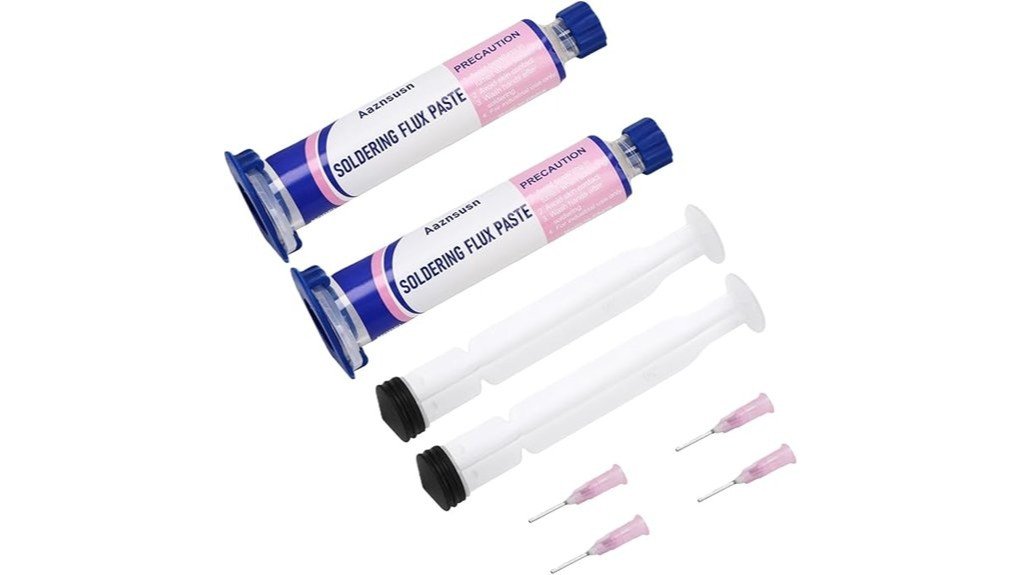
Small PCB repairs can turn frustrating when oxide, old solder, or excess flux blocks a clean joint. No Clean Soldering Flux Paste is made for electronics repair work where you need controlled placement, easier desoldering, and less cleanup after the joint cools. This review helps you decide if its high-activity rosin formula, pushing-type applicator, low-residue behavior, and included desoldering wick fit your repair bench. It is a useful choice for hobbyists and technicians, but you should still verify the exact listing details and use proper heat control, ventilation, and board-safe cleaning habits.
Quick Verdict
Rating: Recommended with caveats, 7.5/10
Best For: PCB touch-ups, small electronics soldering, desoldering cleanup, connector repair, and hobby bench work.
Bottom Line: This flux paste can help solder wet pads more easily and gives you better placement control than an open jar or loose liquid flux. The tradeoff is that the article details do not verify the exact brand, model, package quantity, IPC classification, or safety data sheet, so you should confirm the listing and label before using it on critical electronics.
| Specification | Detail |
|---|---|
| Product type | No-clean soldering flux paste |
| Brand | Not verified from the provided article body |
| Model | Not verified from the provided article body |
| Formula detail | High-activity rosin formula described for oxide removal |
| Design | Pushing-type applicator for controlled flux flow |
| Residue profile | Low-residue, no-clean style formula |
| Included accessory | Desoldering wick included in the kit |
| Package quantity | Not verified, confirm the current Amazon listing before purchase |
| Best use | Electronics soldering, desoldering, PCB touch-up, connector repair, and component rework |
| Compatibility note | Use with solder, boards, and components only when the product label and repair requirements allow it |
| Safety note | Use ventilation, avoid skin and eye contact, and follow the label instructions first |
| Storage note | Keep capped and store in a cool, dry place away from direct sunlight |
Key Takeaways
- The high-activity rosin formula is meant to help remove oxide from soldering surfaces so solder can wet the joint more easily.
- The pushing-type applicator gives you more control than dipping a tool into an open flux container.
- The low-residue formula can reduce cleanup work, but you should still inspect boards after soldering.
- The included desoldering wick makes the kit more useful for rework, old solder removal, and pad cleanup.
- The main weakness is limited verified product detail, including brand, model, quantity, and certification information.
What Is the No Clean Soldering Flux Paste?
No Clean Soldering Flux Paste is a soldering aid for electronics repair. It helps prepare metal surfaces by reducing oxide buildup, which can block solder flow and weaken the joint. You use it with solder, a soldering iron, and safe working technique rather than as a replacement for solder wire or solder paste.
The article-supported details point to a high-activity rosin formula, a pushing-type dispenser, minimal residue, and an included desoldering wick. That combination makes it useful when you need to reflow a joint, remove old solder, tin a small pad, or repair a connection without spreading flux across the whole board.
The biggest appeal is control. Instead of brushing on too much liquid flux or fighting a dry solder joint, you can apply a small amount where the heat and solder need help. The limitation is that the exact brand, model, quantity, certifications, and full chemical details were not verified from the article body, so you should check the Amazon listing and label before using it on high-value electronics.
Who Should Buy It?
Best For
- Hobbyists repairing small circuit boards, wires, connectors, switches, and basic electronic devices.
- Technicians who want a low-residue flux for touch-up soldering and desoldering work.
- Buyers who want a compact kit that pairs flux paste with desoldering wick for simple rework tasks.
Skip If
- You need a flux with verified IPC classification, full safety data, or documented manufacturing approval.
- You want solder included, since flux paste helps soldering but does not replace solder wire or solder paste.
- You work on boards that require strict post-solder cleaning, process documentation, or approved shop materials.
Before You Buy: Confirm the exact listing details, package quantity, and label instructions before using this on high-value, safety-critical, medical, automotive, aerospace, or professional production electronics. The available article details do not verify a brand name, model number, IPC classification, warranty, or chemical safety sheet.
Performance Features of No Clean Soldering Flux Paste
The main performance feature is oxide removal. Solder needs a clean surface to bond well, and oxide can make the joint bead up, bridge poorly, or refuse to flow across a pad. The high-activity rosin formula is meant to help remove that surface barrier during heating.
For desoldering, flux paste can make old solder easier to lift with wick. Adding a small amount of flux helps heat transfer and encourages the solder to move into the desoldering braid instead of staying stuck to the pad. That matters when you work near small traces, thin pads, or parts that do not tolerate repeated heat.
The low-residue behavior also helps with bench efficiency. You can often finish a small repair without the same cleanup burden you might face with more aggressive water-soluble or acidic fluxes. Still, you should inspect the area after soldering and clean it when residue affects appearance, connector contact, testing, or project requirements.
Design, Flow, and Ease of Use
The pushing-type design is the most buyer-useful design detail. It helps you dispense flux where you need it, instead of scooping from a jar or spreading too much liquid across the board. Better control can reduce waste and help keep nearby pads and components cleaner.
This style also helps if you only need a small dot of flux on one pad, connector leg, or wire end. A controlled amount is especially useful when you reflow a dull joint or remove solder from a tight space. Too much flux can make the board messy and harder to inspect, so the dispenser design is a real advantage for small repairs.
The kit format adds convenience because the included desoldering wick supports the same repair workflow. You can apply flux, heat the old solder, and use the wick to pull solder away from the joint. That makes the product more practical for repairs than flux paste alone.
Applications in Electronics Repair
This flux paste fits common electronics repair tasks where old solder, oxidation, or poor wetting gets in the way. It can help with wire tinning, connector touch-up, switch repair, small PCB joints, and desoldering components from pads. It is most useful when you apply it carefully and use the right iron temperature for the board, solder, and component.
- Reflowing dull solder joints: A small amount of flux can help solder flow back into a smoother, stronger-looking joint.
- Removing old solder: Flux and desoldering wick work together to pull solder away from pads and through-holes.
- Tinning wires or pads: Flux can help solder wet the metal before final assembly.
- Touching up small connectors: Controlled application helps when you do not want flux spread across nearby contacts.
- Cleaning up rework areas: A targeted amount can help you remove excess solder before inspecting pads and traces.
How It Performs in Real Use
For Daily Bench Repairs
For small daily repairs, the paste format is easy to control. You can place a small amount on the work area, heat the joint, and let the flux help the solder flow. This is useful for hobby electronics, small boards, wires, and routine touch-ups.
For Desoldering Old Components
When removing old solder, the included desoldering wick gives the kit a clear advantage. Flux helps the solder melt and move into the braid, which can reduce the time you spend heating the pad. That can lower the risk of lifted pads when you use proper temperature, light pressure, and short contact time.
For Connector and Wire Touch-Ups
Connectors and small wires often need just a tiny amount of flux. The pushing-type applicator helps you place flux on a pin, lug, wire end, or pad without flooding the surrounding area. That makes inspection easier after the joint cools.
For Sensitive Electronic Components
The flux paste can support careful work around sensitive parts, but it does not make heat damage impossible. You still need the right iron tip, short contact time, and steady hand control. If a board is expensive or safety-critical, follow the device service manual or use a qualified repair technician.
For Storage and Occasional Use
The compact kit format works well for occasional repair needs. Keep the cap secure so the paste does not dry out or collect dust. Store it in a cool, dry area, and replace it if the texture changes, contamination appears, or the label shelf-life guidance has passed.
How to Use It Correctly
Start with a clean work area, proper lighting, and ventilation. Apply a small amount of flux directly to the joint or pad, then heat the joint with the soldering iron and add solder only as needed. More flux does not automatically mean a better joint, so start small and add more only when the solder still refuses to wet the surface.
For desoldering, apply flux to the old solder and place the desoldering wick over the joint. Press the heated iron tip onto the wick, let the solder flow into the braid, then lift the wick and iron away together. Avoid scraping the pad, since mechanical force can damage traces and lifted pads.
Pro Tip: Use the smallest amount of flux that lets solder flow cleanly, then inspect the board under bright light or magnification. A thin, targeted application is easier to control than a large smear across nearby pads.
Compatibility and Safety
No-clean flux is popular for electronics because it reduces post-solder cleanup, but you still need to match the flux to the job. This product is presented as suitable for soldering and desoldering electronics, including lead-free soldering tasks when the solder and board requirements allow it. Do not assume it fits every solder type, every board material, or every repair standard.
Use ventilation when soldering, avoid touching hot tools, and keep flux away from children and pets. If the label gives specific handling, cleaning, or disposal instructions, follow those instructions first. For professional, medical, automotive safety, aerospace, or high-reliability electronics, use products with verified documentation and process approval.
No-clean residue may be acceptable for some hobby repairs, but it should not block test points, connector contacts, conformal coating, or visual inspection. Clean the area when the board maker, repair standard, or product label calls for it.
Common Mistakes to Avoid
- Using too much flux: Excess paste can spread under parts, attract debris, and make inspection harder.
- Skipping ventilation: Soldering can create fumes, so work in a ventilated area and follow your equipment safety guidance.
- Scraping pads with wick: Let heat and capillary action pull solder into the braid. Do not force the braid across delicate pads.
- Assuming no-clean means no inspection: Check the joint and surrounding area after it cools.
Pros and Cons
Pros
- High-activity rosin formula helps remove oxide and improve solder wetting.
- Low-residue behavior can reduce cleanup time after small electronics repairs.
- Pushing-type design gives better placement control and helps limit waste.
- Included desoldering wick makes the kit useful for both soldering and rework.
- Compact format suits hobby benches, tool bags, and occasional repair kits.
Cons
- Brand, model, package quantity, warranty, and certification details were not verified from the article body.
- No-clean residue may still need inspection or cleaning depending on the board and project standard.
- Not a replacement for solder, proper heat control, ventilation, or safe repair technique.
Is It Worth the Price?
This flux paste is worth considering if you want a simple soldering aid for small electronics repairs and rework. The best value comes from the combination of controlled flux application and the included desoldering wick. That pairing is useful if you often clean up old joints or remove solder from pads.
It makes the most sense as a budget-friendly or everyday bench item rather than a specialized professional process product. You get the most value if your repairs are practical, small-scale, and not tied to strict documentation requirements. If you need a verified chemical datasheet, formal flux classification, or a specific brand and model, check the listing carefully before buying.
How It Compares to Alternatives
Compared with a flux pen, this paste can stay in place better on a pad or wire because it does not run as easily. A flux pen may feel cleaner for quick surface touch-ups, but paste often gives you more control when desoldering or working on one stubborn joint.
Compared with liquid rosin flux, the pushing-type paste design can reduce mess and waste. Compared with water-soluble flux, no-clean paste is easier when you want less cleanup, but water-soluble options may suit projects that require a deliberate wash step after soldering.
Frequently Asked Questions
Is No Clean Soldering Flux Paste safe for sensitive electronic components?
It can be used around sensitive electronics when you apply it carefully and control heat. The flux does not protect a component from overheating, so use the right iron tip, short contact time, and proper repair technique.
Does no-clean flux mean you never have to clean the board?
No. No-clean flux is designed to reduce cleanup needs, but residue can still affect inspection, connectors, test points, conformal coating, or long-term reliability in some projects. Clean the area when the label, board type, or repair standard calls for it.
Can you use this flux paste with lead-free solder?
The original article describes it as suitable for lead-free soldering. For the safest result, check the product label and match it with the solder alloy, iron temperature, and board requirements you use.
Does this replace solder wire or solder paste?
No. Flux paste helps clean and prepare the joint so solder can flow, but it does not create the solder joint by itself. You still need the correct solder and soldering tool for the repair.
What is the desoldering wick used for?
Desoldering wick helps remove old solder from pads, pins, and through-holes. Add a little flux, place the wick on the solder, heat it with the iron, and let the braid absorb the melted solder.
How much flux should you apply?
Use a small amount directly on the joint, pad, or wire end. Too much flux can spread across nearby components and make inspection harder, so add more only when the solder still does not wet the surface properly.
How should you store this flux paste?
Keep the container capped and store it in a cool, dry place away from direct sunlight. Replace it if it dries out, separates, becomes contaminated, or passes the shelf-life guidance on the label.
Who should skip this flux paste?
Skip it if you need verified industrial documentation, a known brand and model, or a flux approved for a controlled production process. It is better suited to general electronics repair than documented high-reliability manufacturing.
The Bottom Line
No Clean Soldering Flux Paste is a practical buy for electronics repair users who want controlled application, easier desoldering, and less cleanup on small jobs. Its strongest points are the high-activity rosin formula, pushing-type dispenser, and included desoldering wick, while the main limitation is the lack of verified brand, model, package quantity, and certification details in the provided article. Buy it for careful bench repairs, but skip it if your work requires formal process documentation or verified product specifications.